 EN
ENDEALER

13.446 US$DEALER
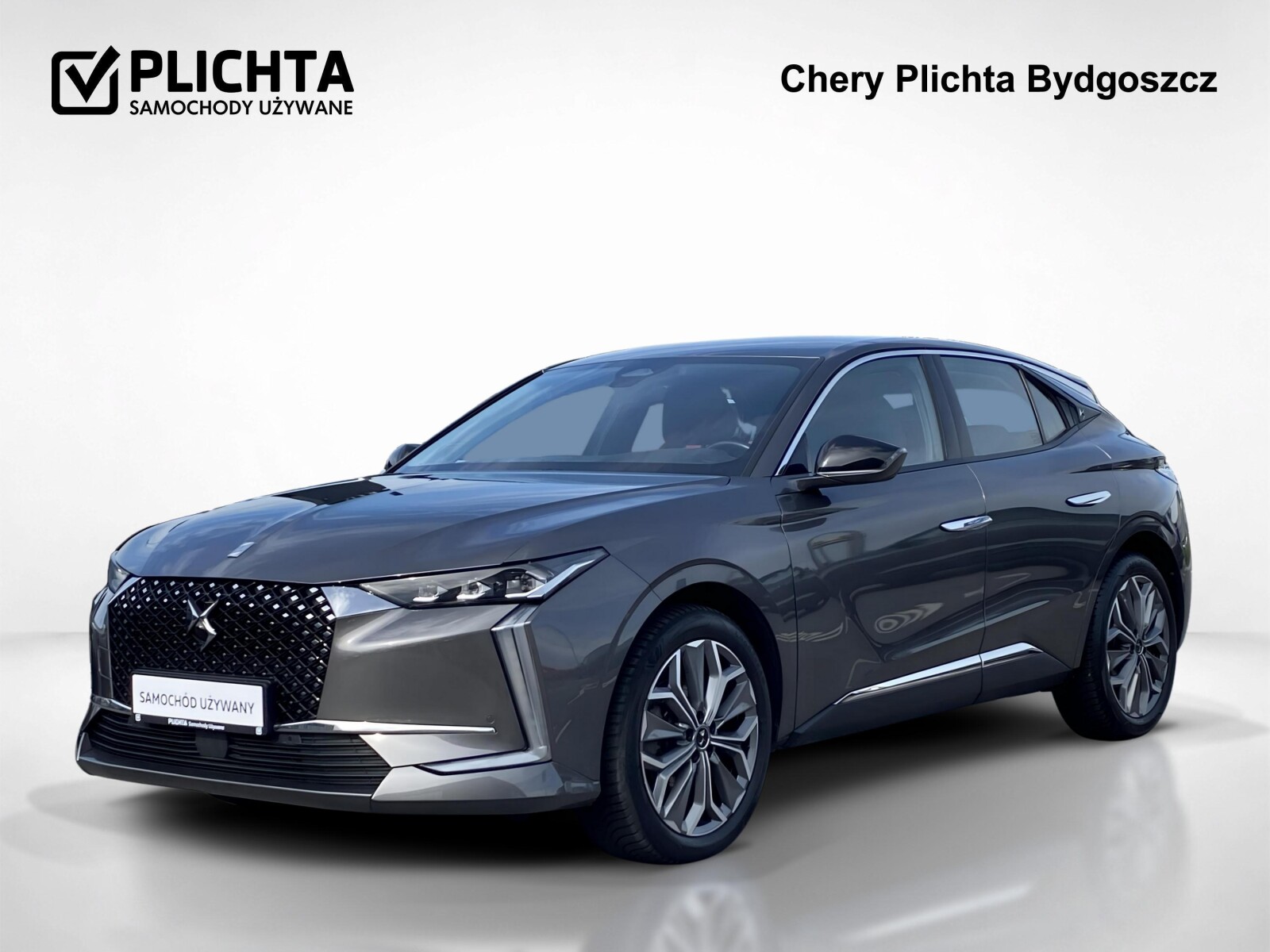
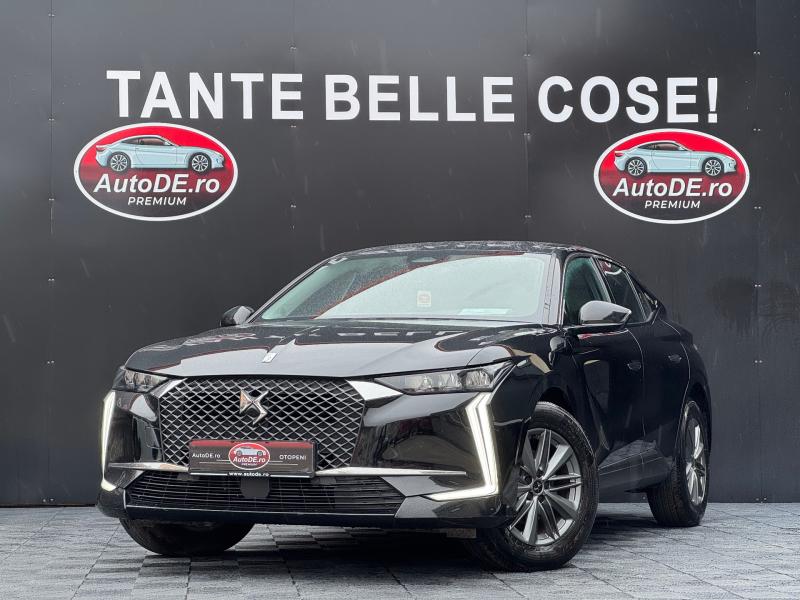
2022, diesel, automatic, 109K km, 1,499 cm3, 131 hp, grey, DS, '21 , 1.5BHDI 130 Perf. lin+. A., Used condition, In stock

CarOutlet.eu
 Belgium
 BelgiumBelgiumBelgiumBelgiumBelgiumBelgium
 FranceFranceFranceFranceFrance
 Brdyujście, PolandPolandPolandPolandPoland
 Romania
 Romania, Bucharest
 Romania
 Romania, Bacău County
 Moldova, Chișinău Municipality
 Greece, Attica
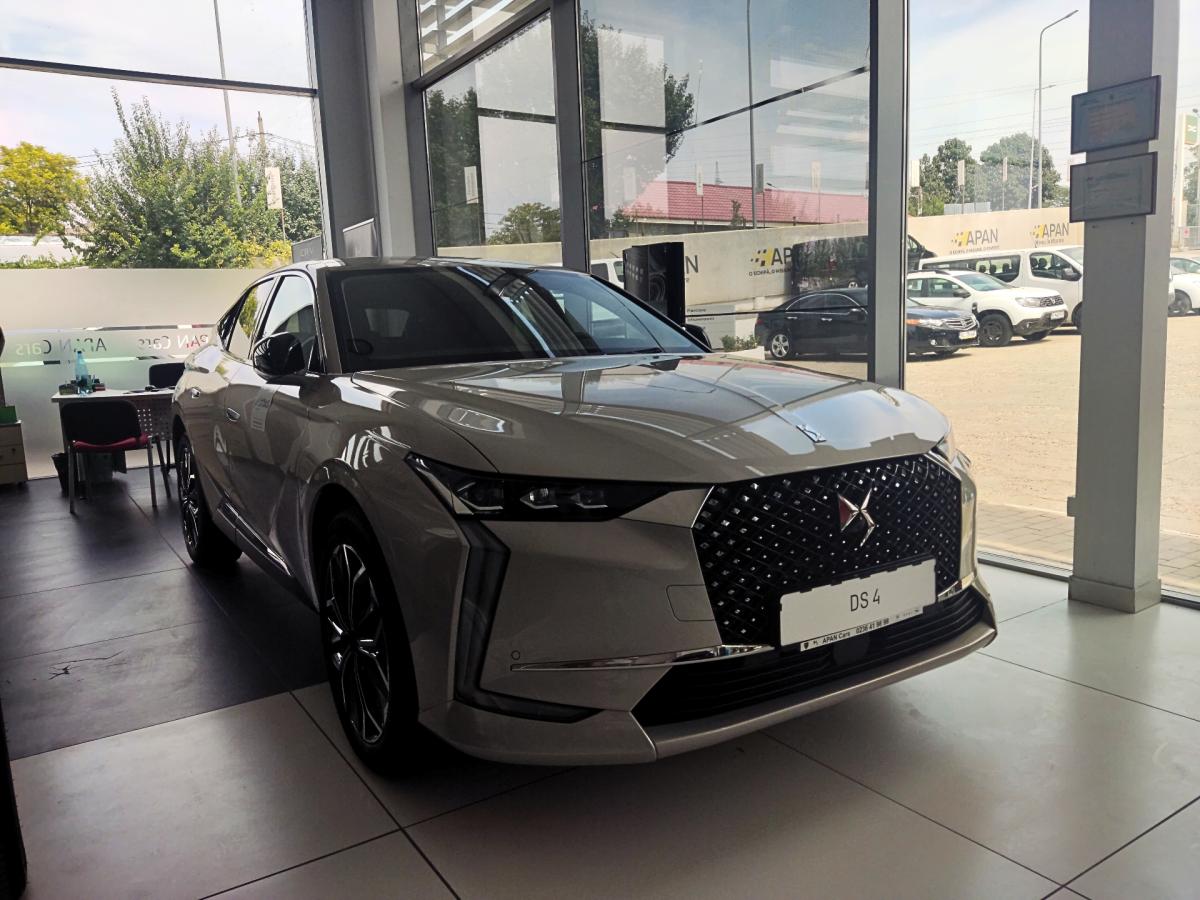
The DS 4 stands out in the compact luxury hatchback segment with its distinctive design, refined interior, and a balance of efficiency and performance. If you’re considering buying or selling a DS 4 in a city like London, Paris, or beyond, understanding the key details—generation, body type, fuel options, year, mileage, and price range—helps you make a smarter choice. This guide outlines practical tips for comparing trims, evaluating condition, and negotiating a fair price without overpaying.
When shopping for a DS 4, focus on the model year and generation to anticipate cabin electronics, safety features, and engine options. Common configurations include compact hatchbacks with petrol, diesel, or hybrid powertrains, and a choice of manual or automatic transmissions. Consider the body type, such as the three- or five-door variants, and how it fits your daily driving and parking needs in cities with narrow streets.
To compare effectively, create a small checklist that includes reliability history, engine choice, fuel economy, interior quality, and real-world ownership costs. Look for:
Whether you’re purchasing from a private seller or a dealer, a DS 4’s price depends on year, mileage, condition, and trim level. Tips to secure a fair deal include:
If you’re selling a DS 4, present clear, up-to-date information—year, mileage, service history, and any aftermarket work. High-quality photos of the interior and exterior in good lighting help attract buyers. Highlight why your DS 4 stands out, such as strong fuel economy, comfortable interior, or rare color options. A well-documented history and recent maintenance can shorten the selling cycle and fetch a better price.
In summary, whether buying or selling a DS 4, understanding the generation, fuel options, mileage, and price range in your city makes the process smoother. Use specific search phrases like “DS 4 price in [city],” “DS 4 reliability,” and “DS 4 2020 hybrid” to find the most relevant information and listings.
 Add as preferred sourceSee more from zvelta in Google Search Add as preferred source