 EN
ENDEALER
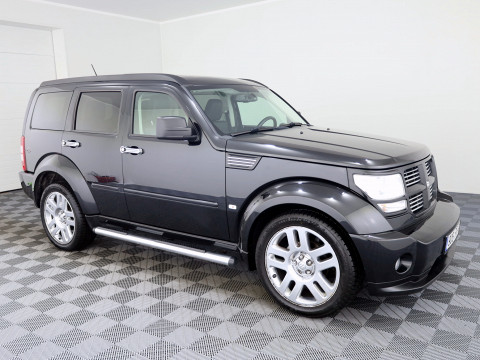
4.481 US$DEALER
2008, diesel, automatic, 269K km, wagon, All Wheels Drive, 2,800 cm3, black, Used condition, USA, In stock

BaltiCar.com
 Estonia, Harjumaa
 Estonia, Harjumaa
 Romania
 Ukraine
 Ukraine
When you’re in the market for a Dodge Nitro, the goal is clear: find a well-balanced mix of practicality, performance, and value across available generations. The Nitro has stood out for buyers who want a roomy midsize SUV with robust V6 power, distinctive styling, and versatility for daily driving or weekend adventures. This guide helps you navigate what to look for when buying or selling a Dodge Nitro in different markets, including how to compare generations, fuel choices, body styles, and price ranges.
The Nitro family spans several model years, each with its own strengths. Early generations typically emphasize sturdy construction, ample interior space, and proven V6 momentum. Later updates may offer refined suspension, improved interior materials, and technology tweaks. When evaluating a Nitro, consider:
If you’re buying used, verify mileage and service history to gauge wear and potential upcoming maintenance. For sellers, a clean maintenance log and honest disclosure of known issues can improve buyer confidence and aid in a smoother sale.
Dodge Nitro models come with variations in body style and trim that influence price and practicality. Key checks include:
For buyers in cities with mixed terrains, an all-wheel-drive option can be a plus, while suburban buyers may prioritize cargo space and towing capacity. Sellers should highlight recent maintenance, brake and tire condition, and whether the Nitro has had any major repairs.
To maximize value or find the right purchase, try these practical steps:
If you’re deciding between configurations, think about how you’ll use the Nitro: daily commuting vs. family trips, city maneuverability vs. highway cruising, and how the payload or towing capacity fits your needs. The Dodge Nitro remains a practical choice for buyers who value space, straightforward power, and an SUV personality that’s easy to live with day to day. With careful evaluation of generation-specific traits, mileage, and overall condition, you can confidently buy or sell the Dodge Nitro in your area.
 Add as preferred sourceSee more from zvelta in Google Search Add as preferred source

