 EN
ENDEALER
10.395 US$DEALER
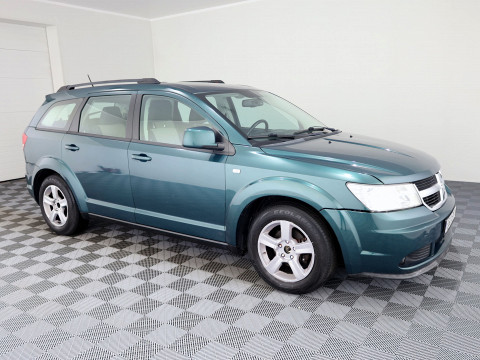
2019, automatic, 190K km, SUV, white, SE, Used condition, USA, In stock

PenskeAutomotive.com
 United States
 United States
 Estonia, Harjumaa
 Sofiyivska Borschagivka, Ukraine
 UkraineUkraineUkraineIvano-Frankivsk Raion, UkraineUkraine
 UkraineKharkiv, UkraineChervonohrad, UkraineZaporizhzhya, UkraineUkraineUkraineUkraineChervonohrad, UkraineUkraineUkraineUkraineUkraineUkraineUkraineUkraineLvivskyi Raion, Ukraine
 Tiraspol, Moldova
If you’re looking to buy or sell a Dodge Journey, you’re likely weighing several practical factors: model generation, engine choice, body style, mileage, and price. The Journey has been a familiar mid-size crossover for families and commuters, offering spacious interiors and versatile cargo space. In this guide we cover what to consider when evaluating different Dodge Journey generations, the typical price ranges you’ll encounter in cities across the country, and practical tips for a smooth transaction whether you’re purchasing from a dealer or a private seller.
When evaluating a used Dodge Journey, key details include the year of manufacture, mileage, fuel type, and transmission. The Journey has been offered with several engine configurations, commonly a V6 or four-cylinder, paired with automatic transmissions in many markets. Prospective buyers should compare:
Be sure to inspect tires, brakes, suspension, and the condition of the interior and electronics. Test a few drive cycles to feel for unusual noises, vibrations, or handling quirks that might indicate wear or front-end alignment issues.
Dodge Journey models vary slightly by market, with differences in standard features, available engines, and safety equipment. In many markets, the Journey offered a pragmatic balance of seating and cargo space, suited for family use or light towing. When comparing options in your city, consider:
For sellers, presenting a well-documented Dodge Journey with clear service history and recent maintenance can speed up a sale and earn buyer trust. High-quality photos and an honest description of wear, rust risk, or any past accidents also help.
Whether you’re in a large city or a smaller metro, understanding the key variables—brand, model (Dodge Journey), generation, fuel type, body style, year, mileage, and price segment—will help you make a confident decision. By weighing practical needs against price and reliability, you’ll be better prepared to buy or sell a Dodge Journey that fits your plans.
 Add as preferred sourceSee more from zvelta in Google Search Add as preferred source