 EN
ENDEALER
29.995 US$DEALER
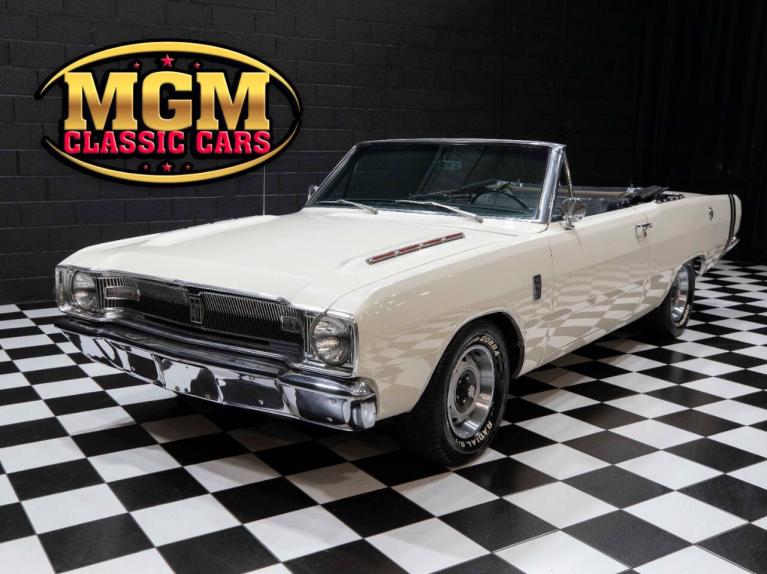
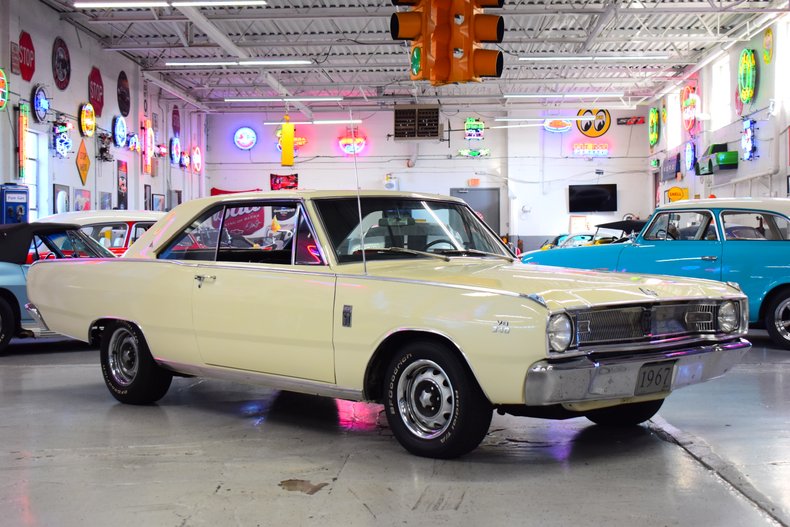
automatic, 42K km, 3,400 cm3, white, 340 V8

Inventory.ClassicSandBeyond.com
 Wayne, United States
 Wayne, United States
 Hilton Head, United States
 United StatesUnited StatesUnited StatesUnited StatesUnited States
 United States
 Sherwood Park, Canada
 Ukraine
 UkraineUkraine
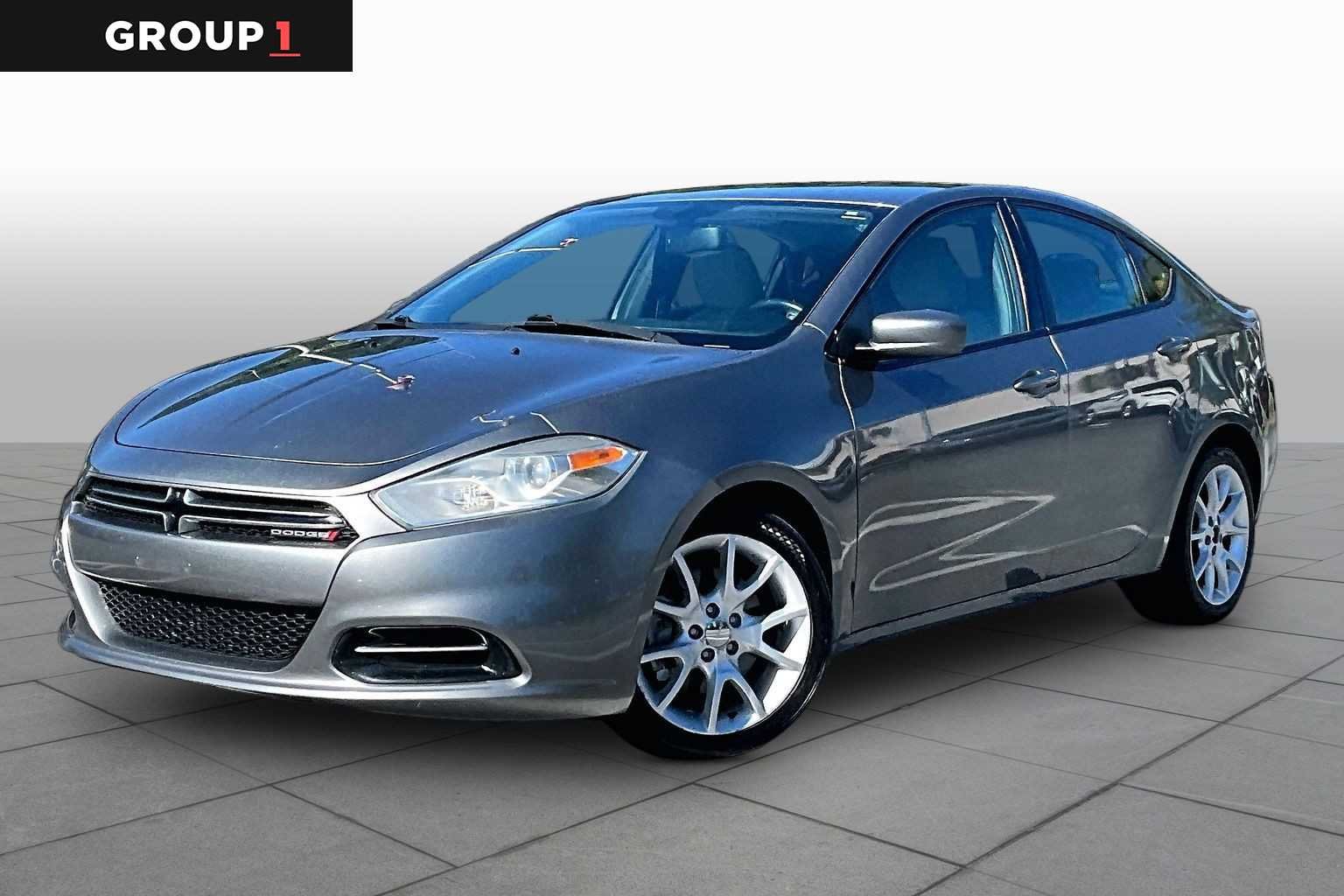
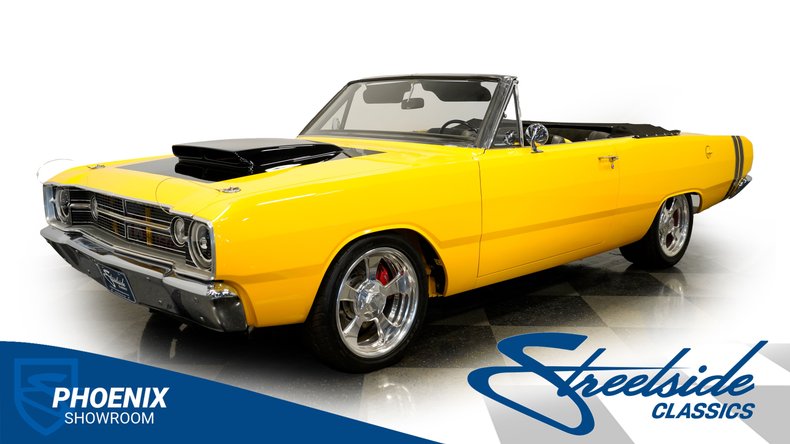
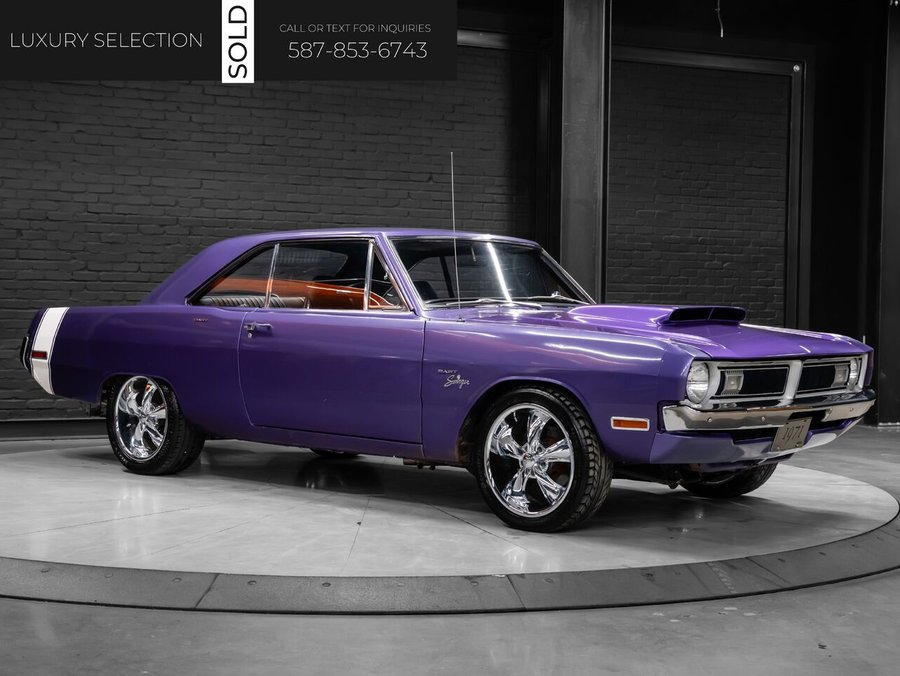
When you’re searching for a Dodge Dart, you’re likely balancing style, performance and value across different generations and trims. This compact car has a long-standing reputation for practical daily drives and affordable maintenance. Whether you’re shopping in your city or looking to sell a Dart, understanding the model’s evolution helps you make a smarter choice.
The Dodge Dart has had several iterations, each with distinct engines, fuel types and body configurations. When buying used, the most common questions are about year, mileage and condition. If you’re eyeing a recent year, expect refined handling and better fuel efficiency, while older generations may tempt with lower upfront prices but higher maintenance needs. Common variants include four-cylinder engines with front-wheel drive and sedans with practical trunks. Compare mileage, service history and any past accidents to gauge overall value.
Prices vary by country and city, so compare listings for similar year, mileage and trim levels to gauge value. A well-maintained Dodge Dart with transparent maintenance records tends to deliver better resale value and lower ownership costs.
If you’re selling, highlight the car’s best features: clean interior, recent maintenance, documented service history, and a clear title. Clear photos and an honest description improve buyer trust and can help you reach interested buyers faster.
 Add as preferred sourceSee more from zvelta in Google Search Add as preferred source