 EN
ENDEALER
23.125 US$DEALER
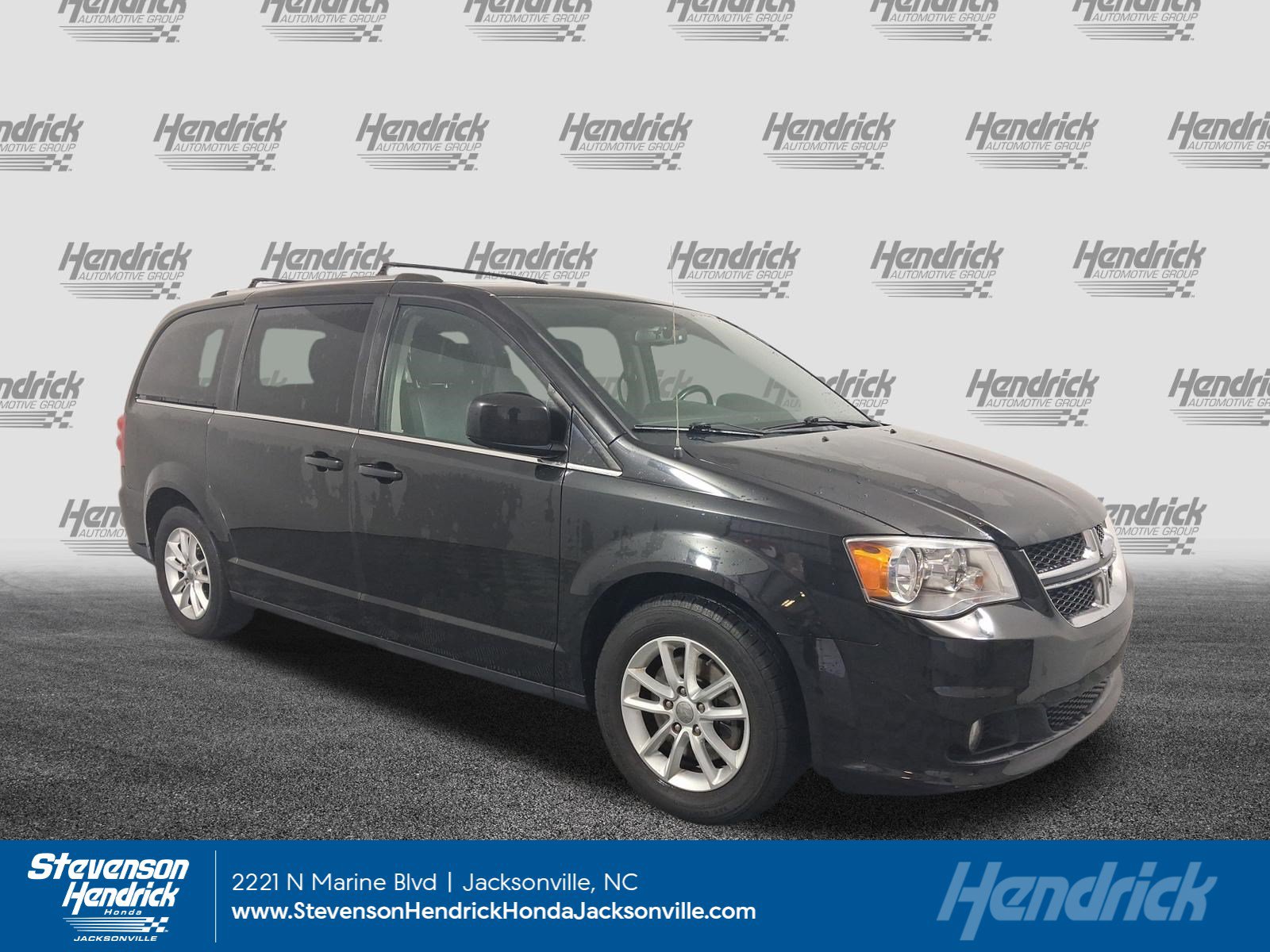
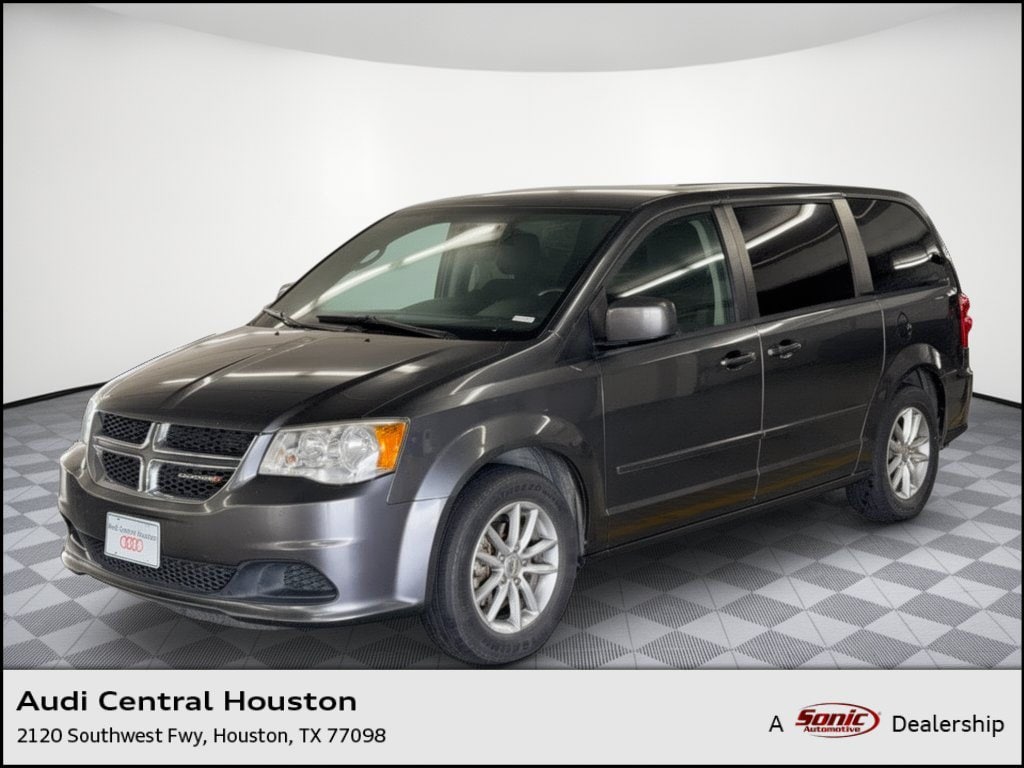
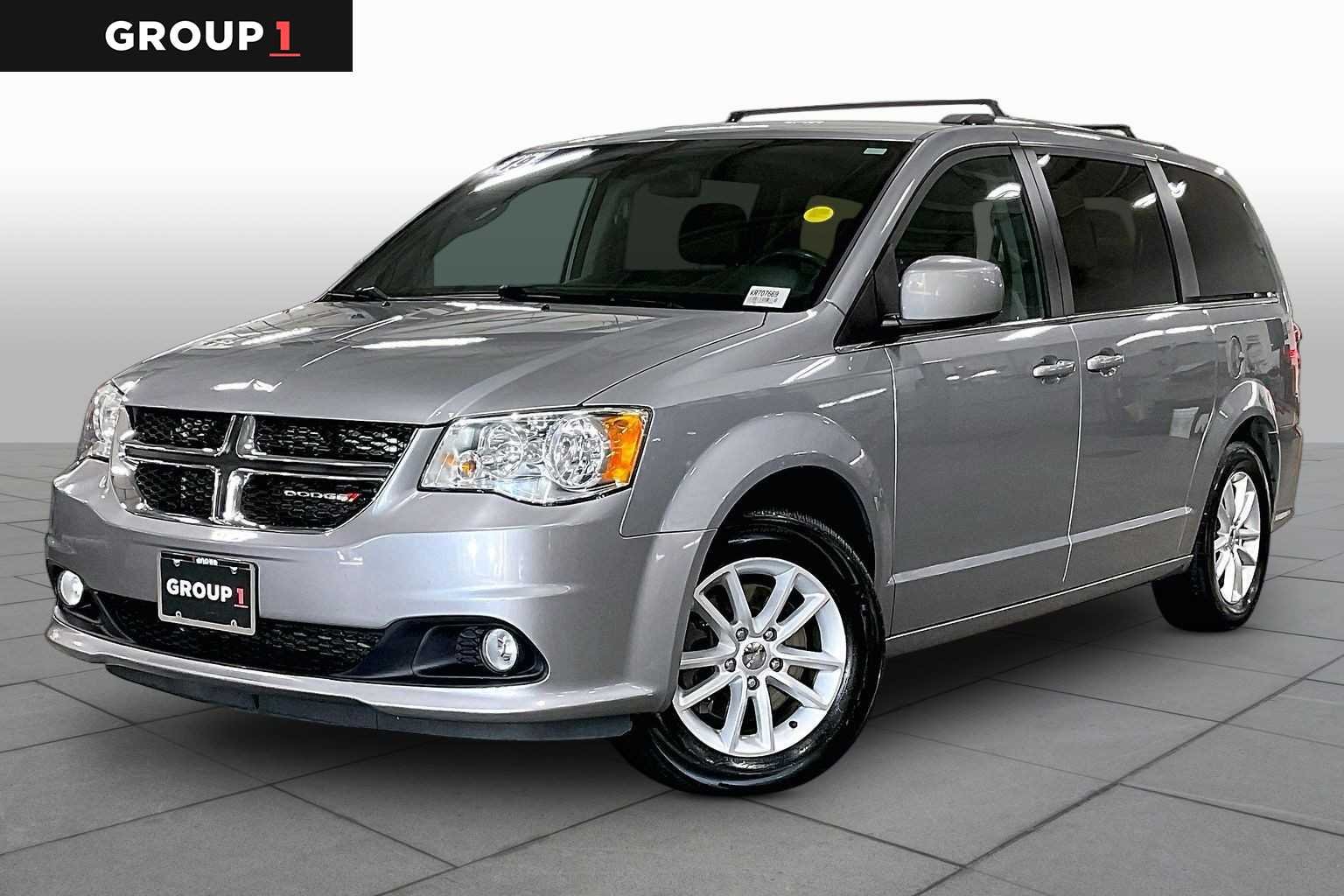
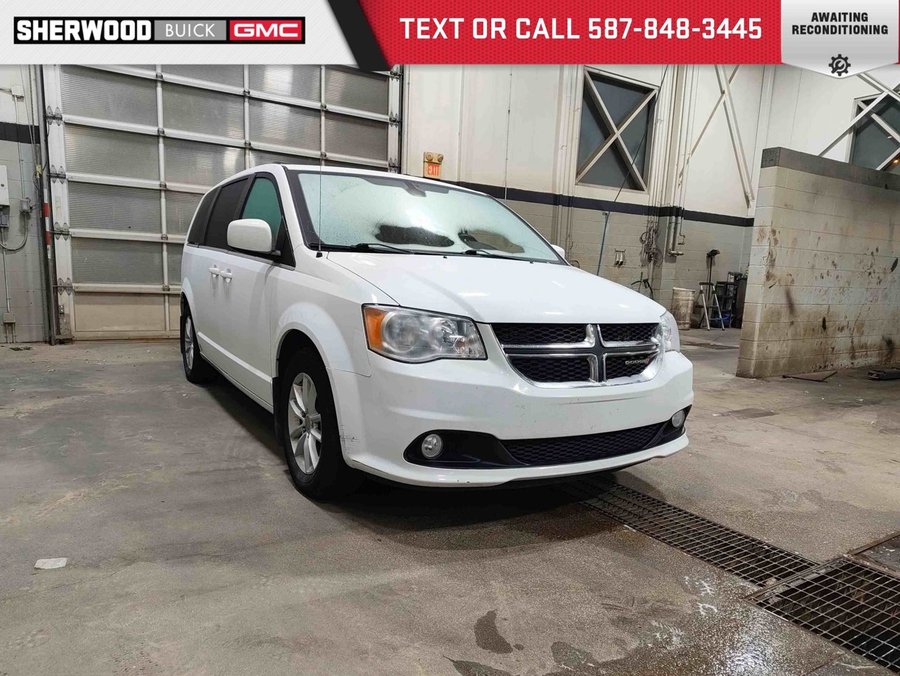
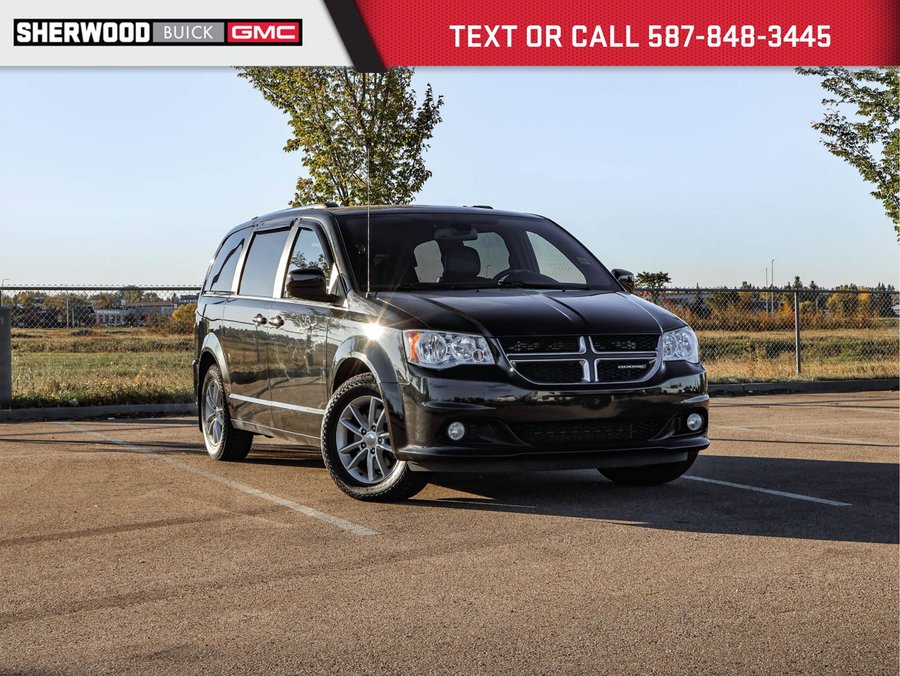
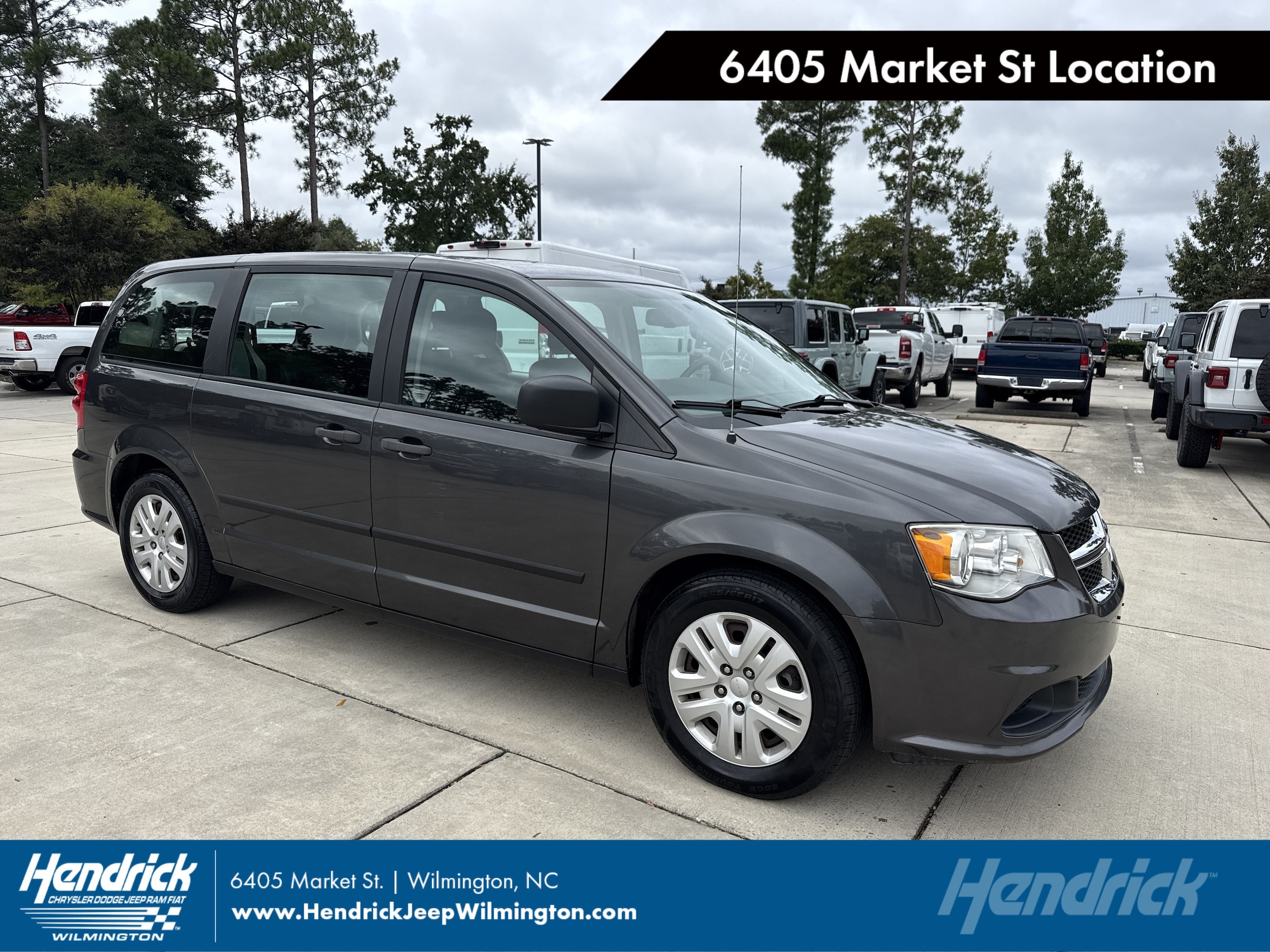
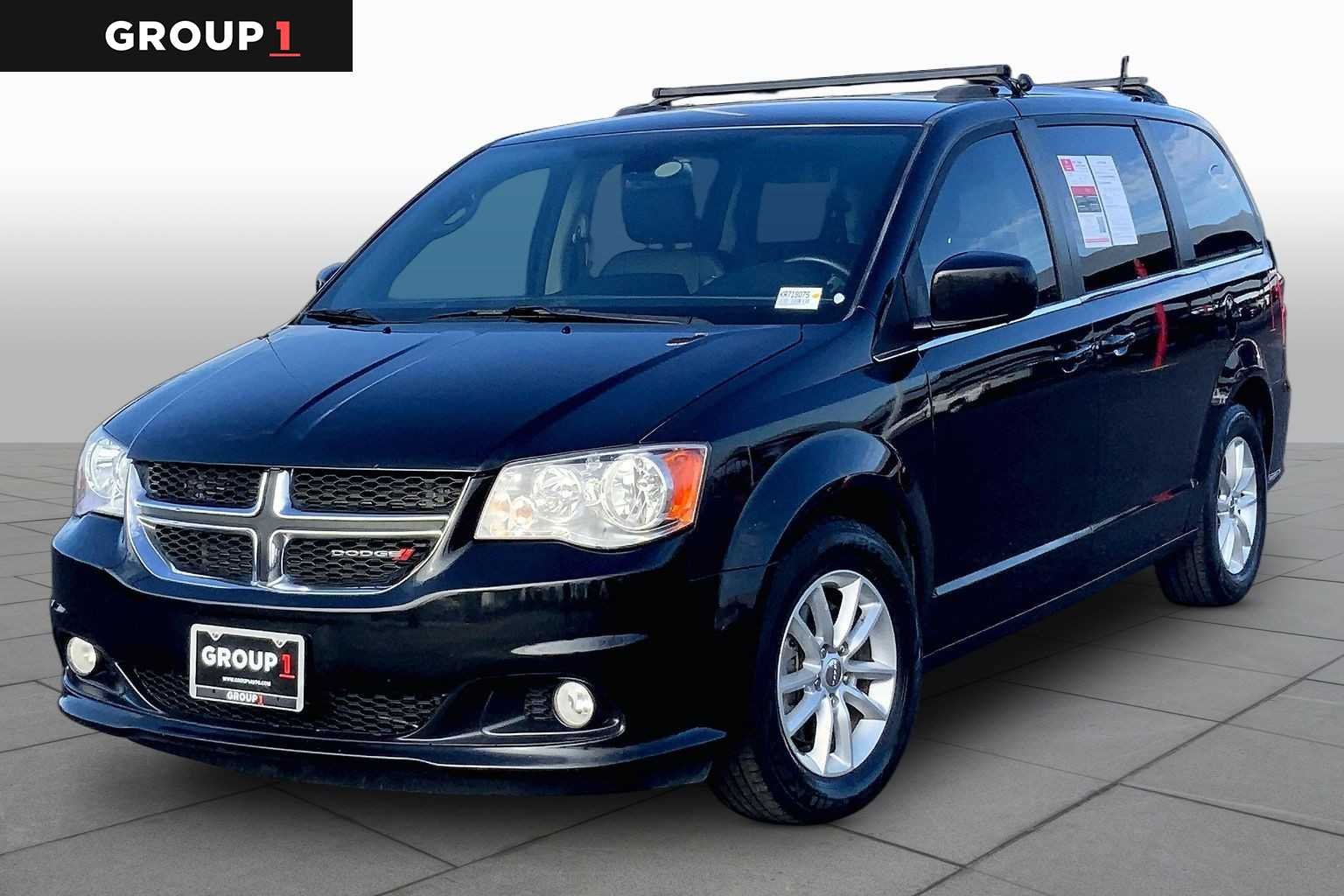
gasoline, automatic, 98K km, wagon, Front Wheels Drive, 3,600 cm3, 283 hp, black, Used condition, USA, In stock

Group1Auto.com
 Main Settlement, United States
 Main Settlement, United States
 Jacksonville, United StatesHouston, United States
 Shady Acres Trailer Park, United StatesShady Acres Trailer Park, United States
 Greenville, United StatesGreenville, United StatesComplete, United StatesIra, United StatesNorthglenn, United States
 Grand Junction, United States
 Sherwood Park, CanadaSherwood Park, CanadaWilmington, United States
 Ukraine
 Tiraspol, Moldova
 Georgia, Tbilisi
The Dodge Caravan has long been a staple for families and carriers who need reliable space without breaking the bank. If you’re considering a Dodge Caravan, you’ll want to know how to choose the right generation, how to evaluate condition, and what to expect in terms of price, fuel type, and mileage. This guide focuses on real-world decision making, especially if you’re shopping in urban areas where family practicality and cargo capacity matter most.
When evaluating a Dodge Caravan, the basics still apply: model year, mileage, condition, and service history. Look for a representative from the Caravan generations that balance modern conveniences with proven durability. Common body types for Caravan models are minivan configurations with three rows of seating, sliding side doors, and a roomy cargo area. Consider how many passengers you typically transport and whether you’ll rely on built-in storage solutions for groceries, sports equipment, or work gear.
Different generations bring distinct advantages. If you value interior space and easy ownership, a well-kept earlier or mid-generation Caravan can be a strong, cost-effective choice. For those who want more modern convenience, look at later generations that offer updated infotainment, improved ride quality, and enhanced safety. When comparing, consider:
In urban markets, space efficiency and reliability matter most. Inspect tires, brakes, and battery condition, especially if the vehicle has seen winter driving or heavy stop-and-go use. Ask for a full maintenance log, including timing belt or chain status, coolant service, and any transmission work. Take a road test that quizzes acceleration, braking, and steering responsiveness. If the price seems too low, budget for possible repairs that a higher-mileage Caravan may entail.
If you’re considering selling, highlight your Caravan’s best assets: clear maintenance history, clean interior, and any recently replaced major components. Honest disclosure about mileage, past accidents, and service records helps buyers trust the listing. For trade-ins, compare dealership offers with private-party estimates to ensure you receive fair value based on the Caravan’s generation, year, and overall condition.
Buying a Dodge Caravan can be a sensible choice for families or small business owners who need dependable space. By focusing on the generation that fits your needs, verifying the maintenance history, and testing the key systems, you can find a Caravan that balances price and practicality in your city.
 Add as preferred sourceSee more from zvelta in Google Search Add as preferred source