 EN
ENDEALER
85.937 US$DEALER
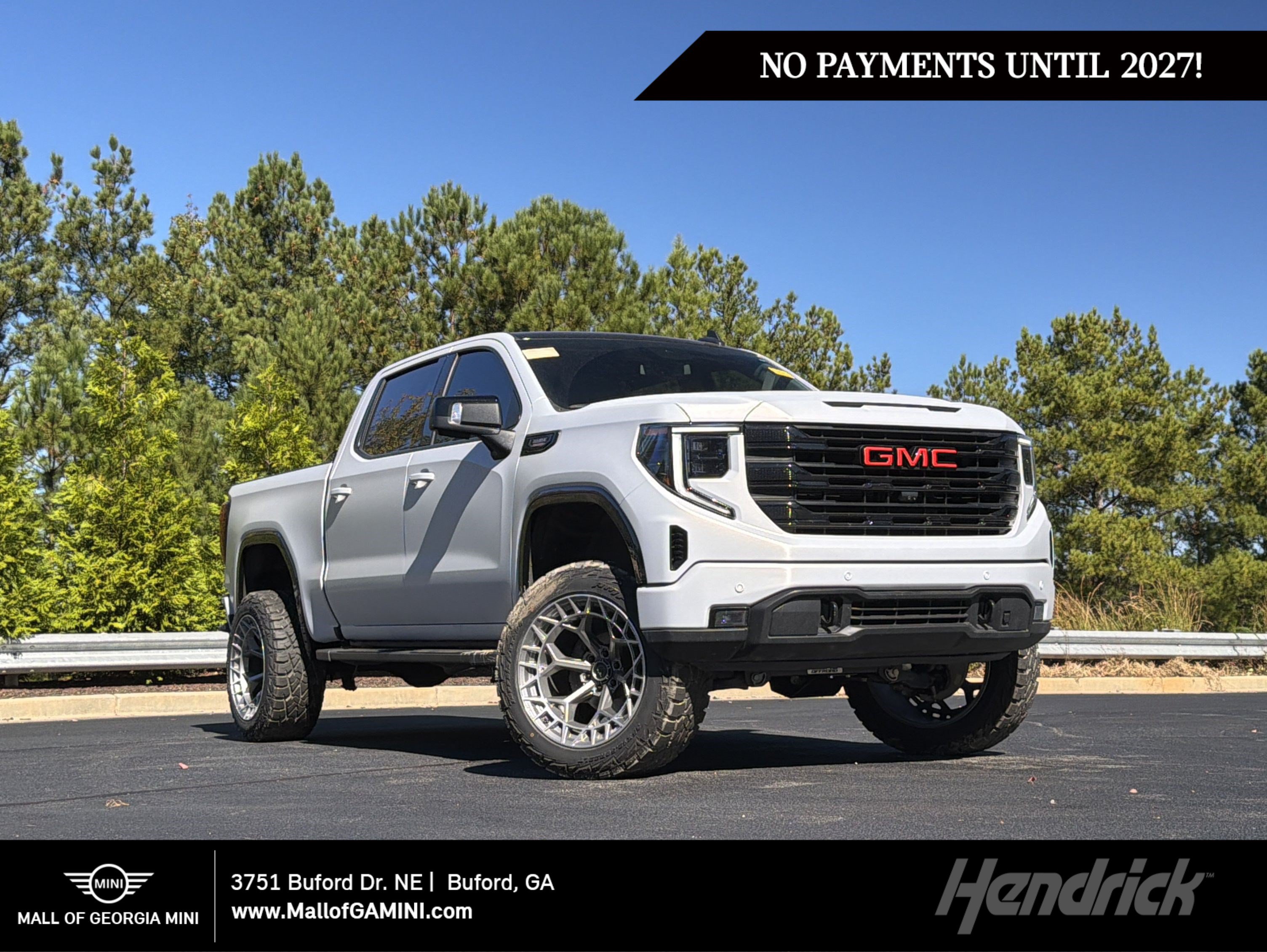
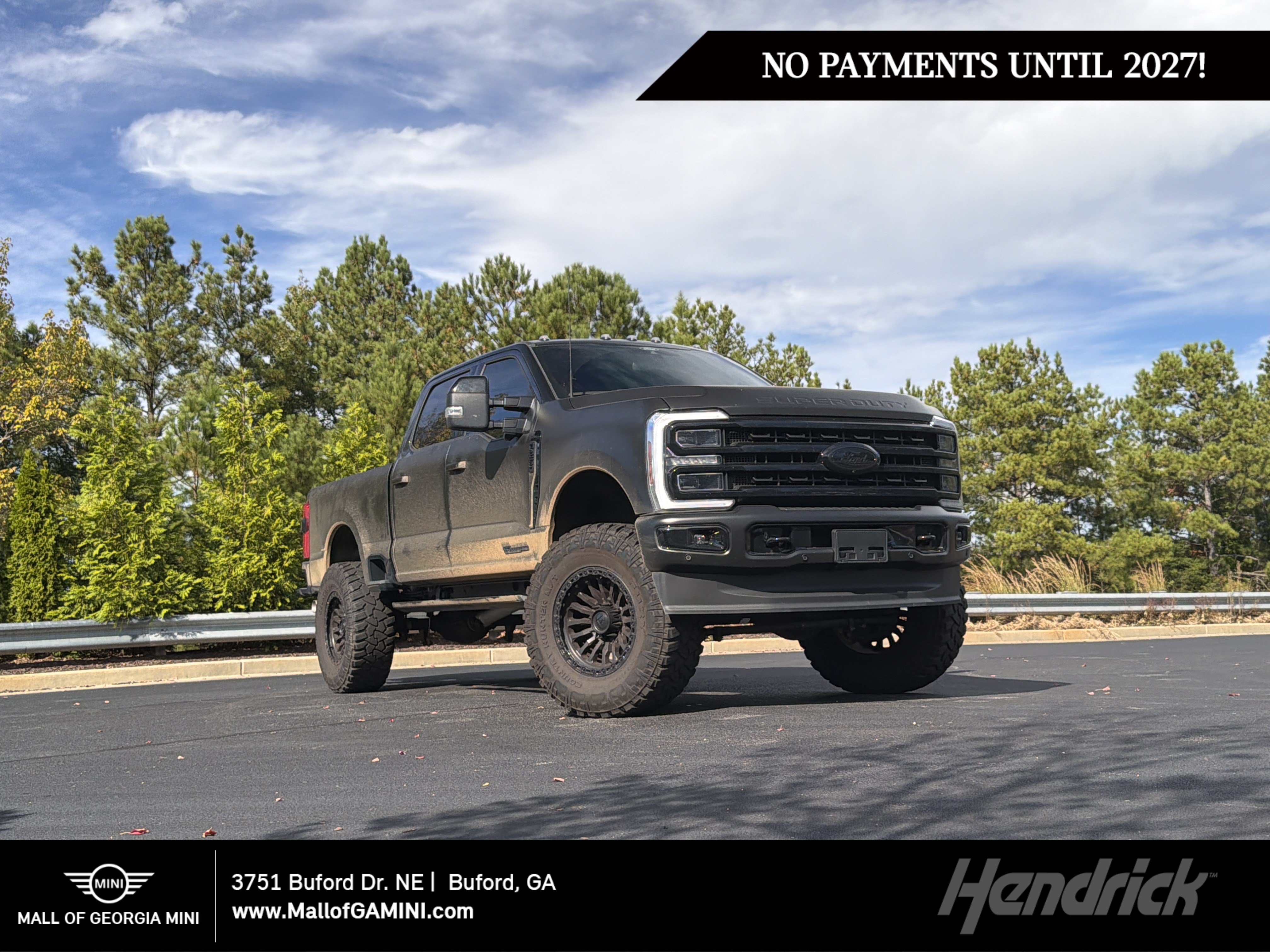
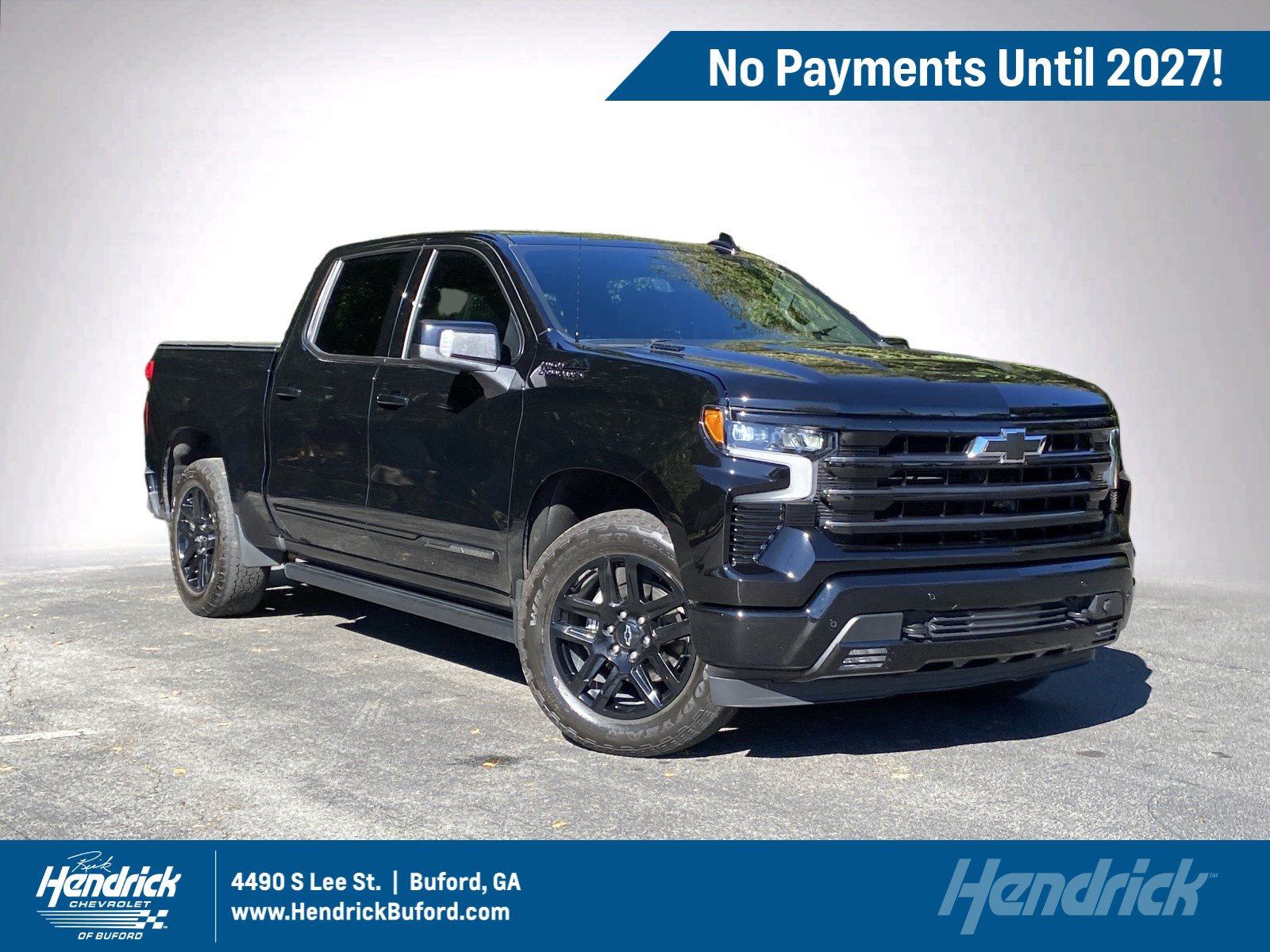
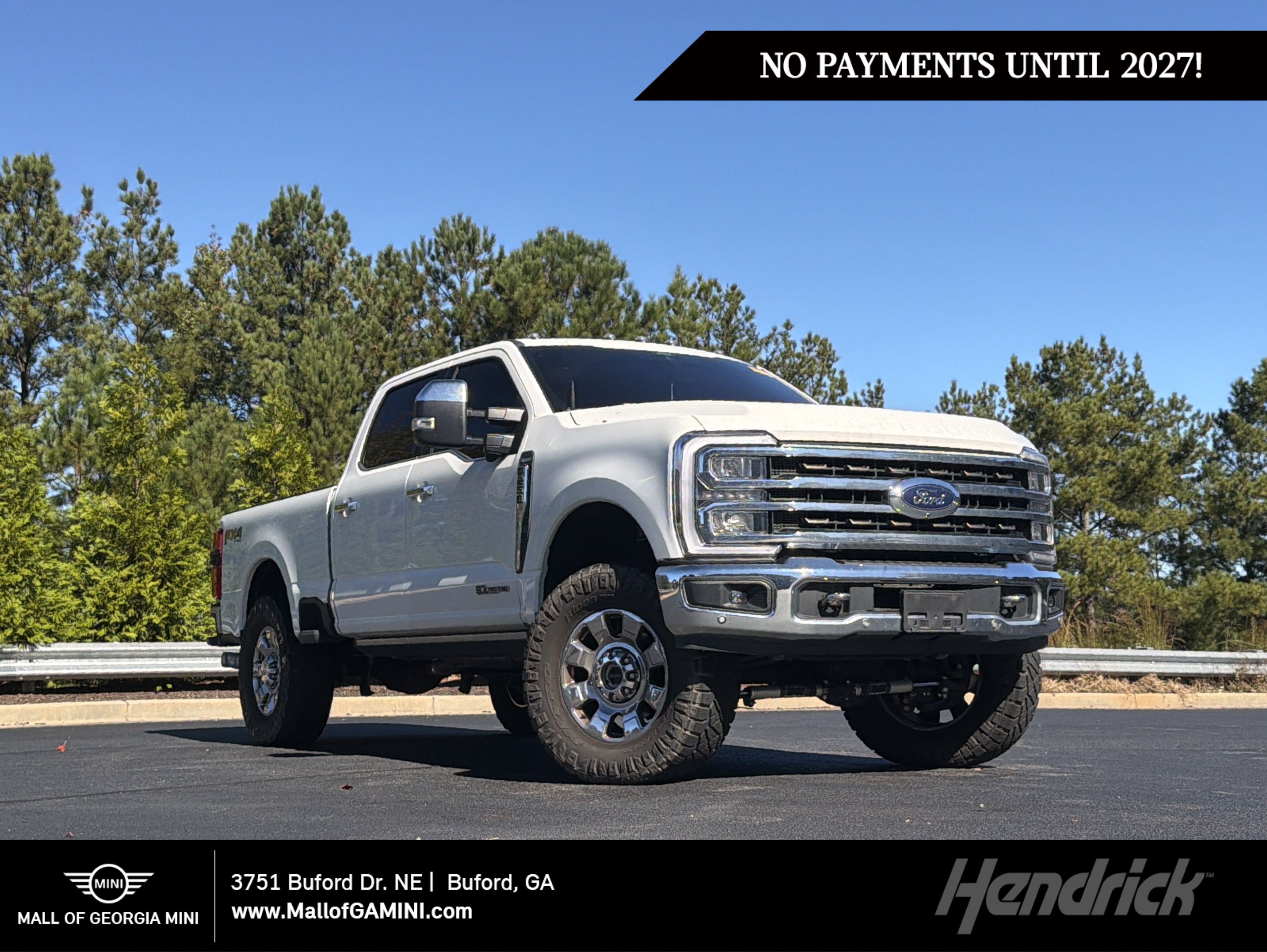
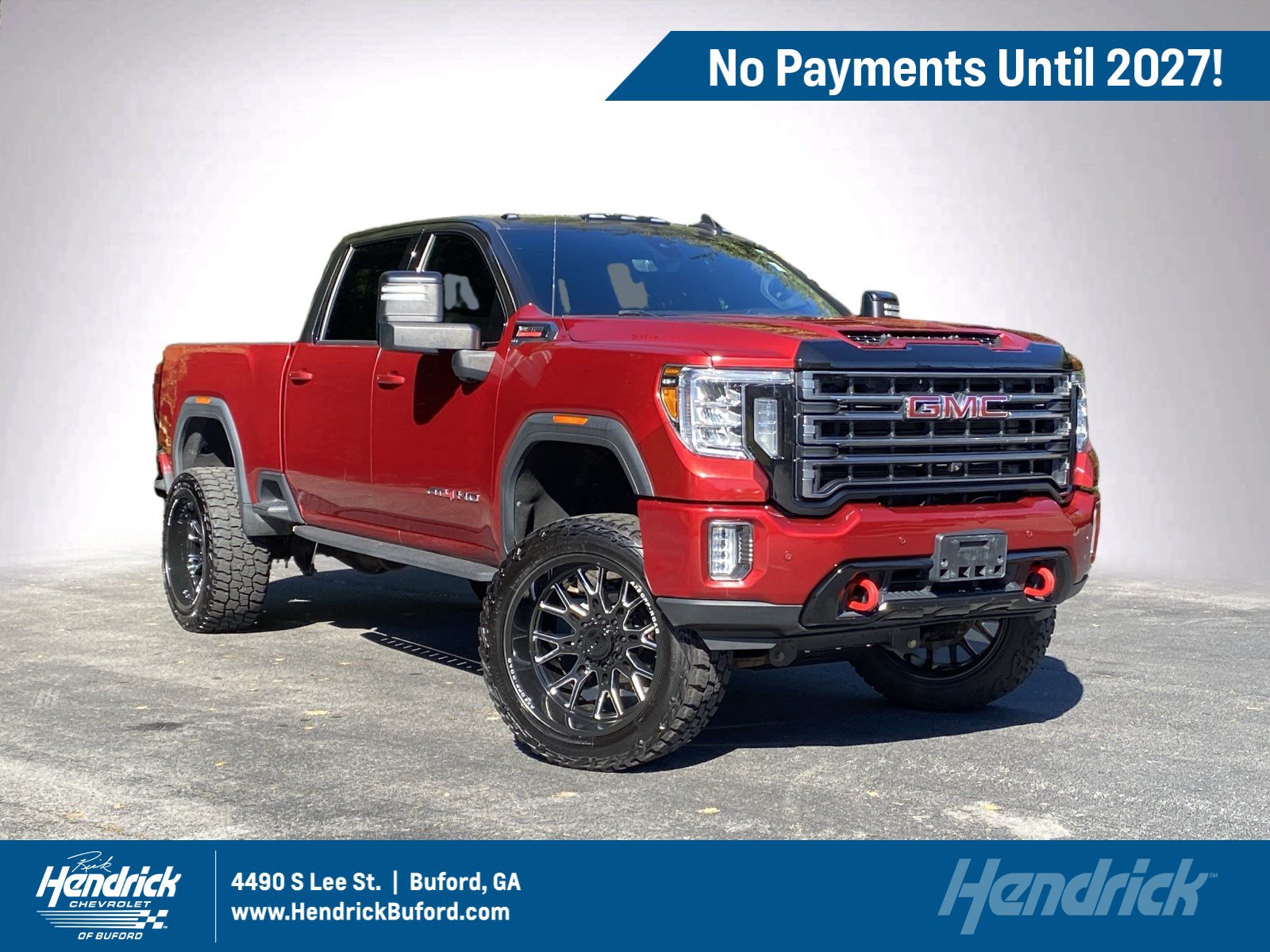
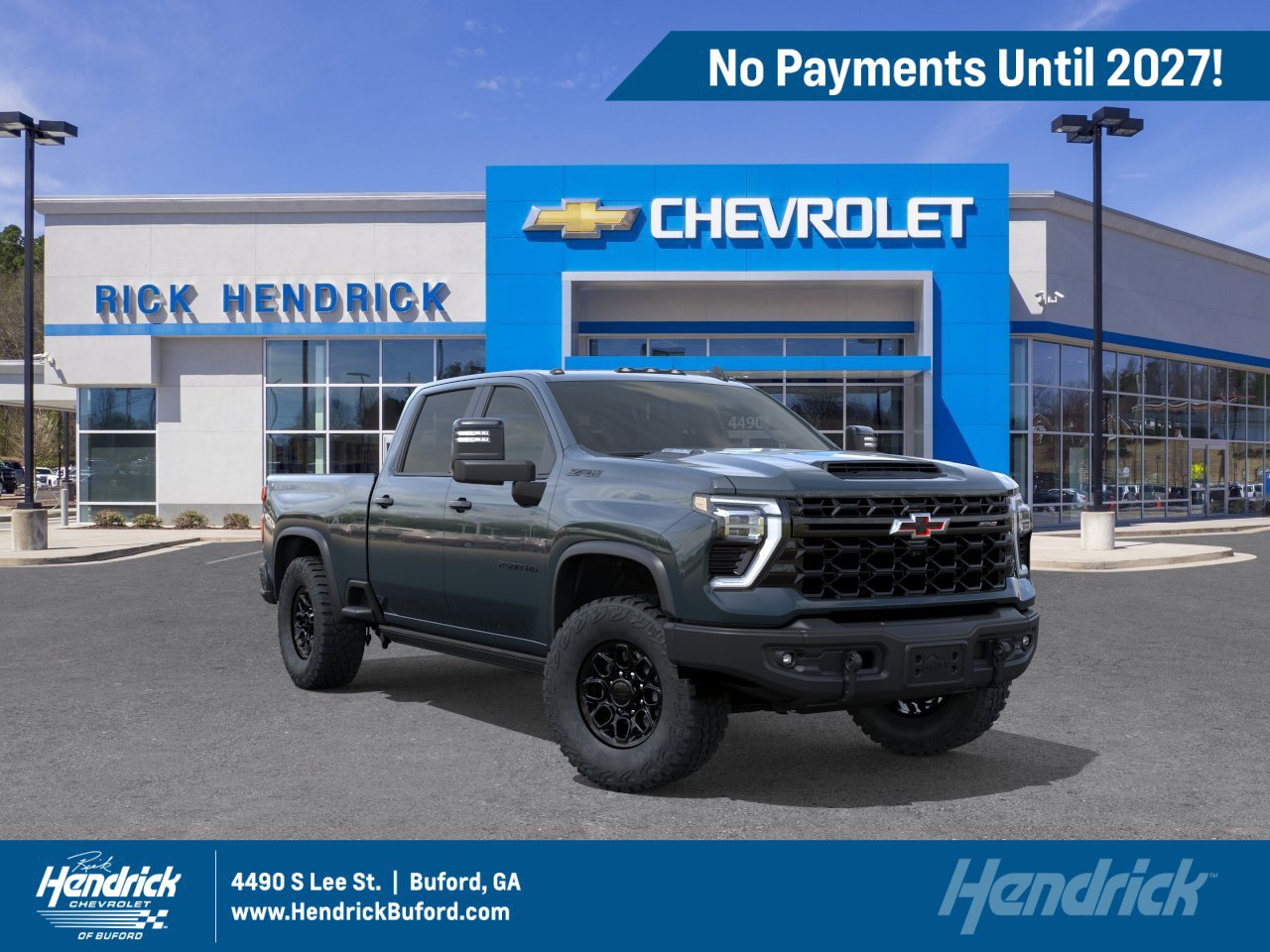
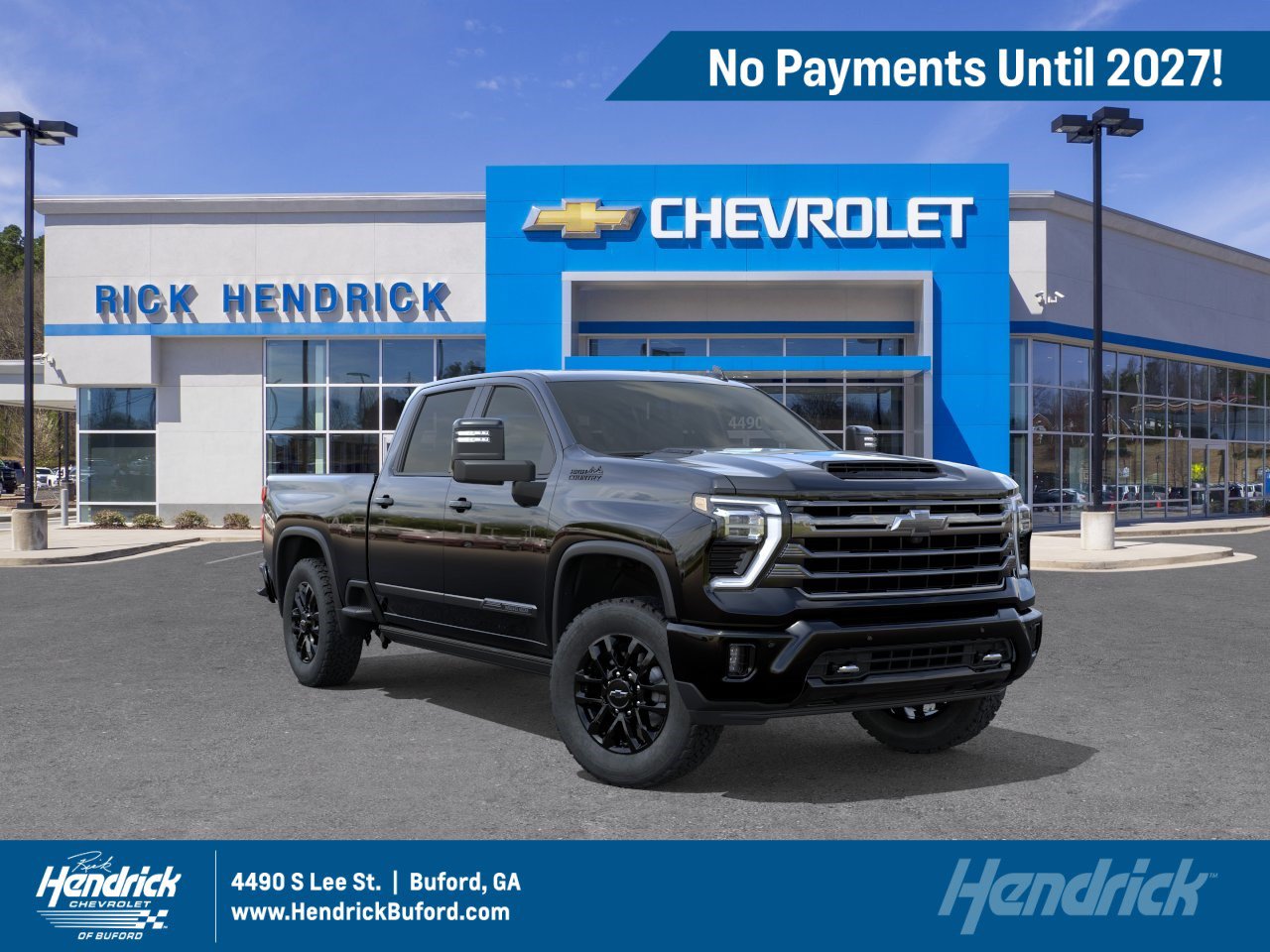
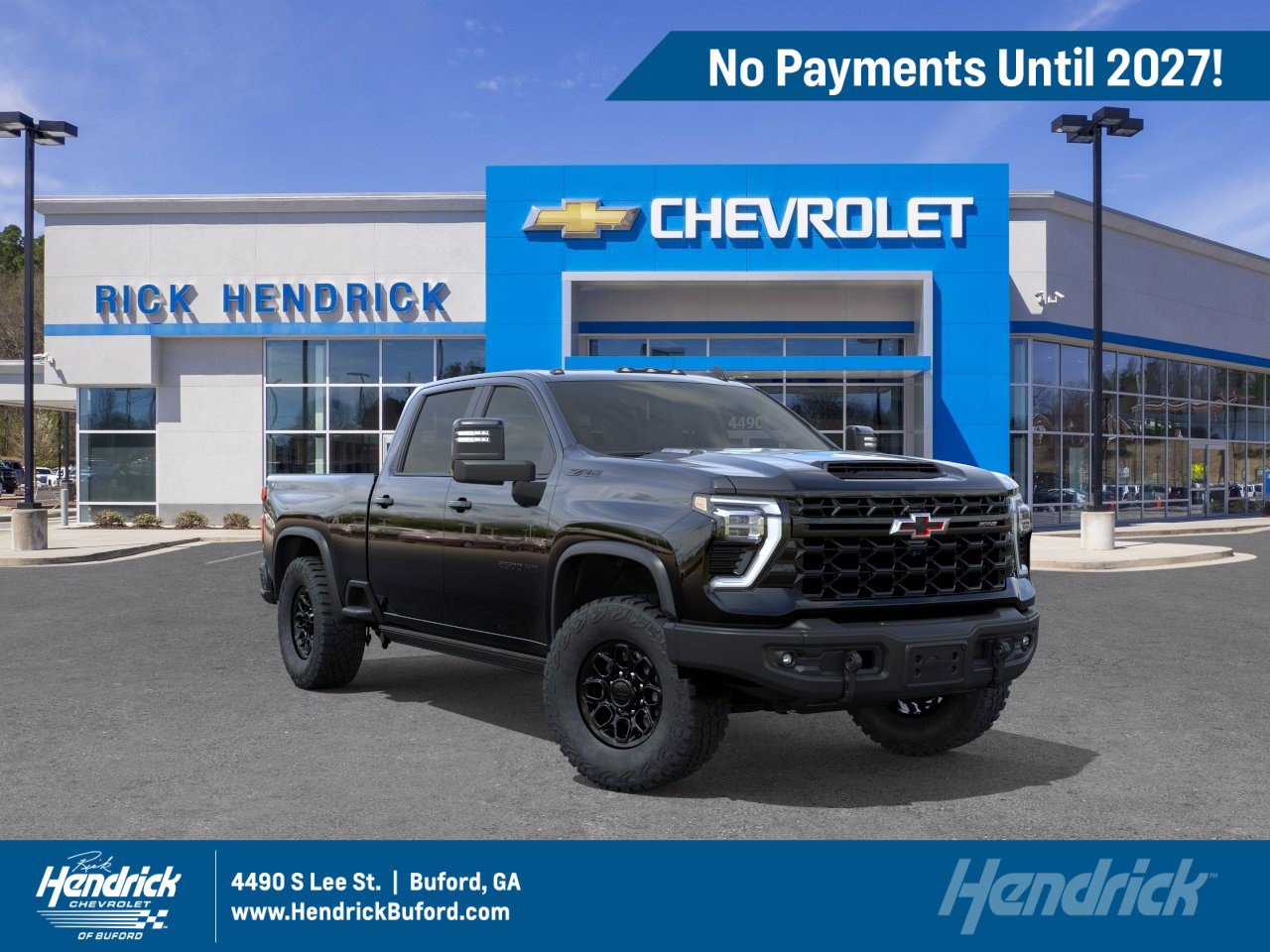
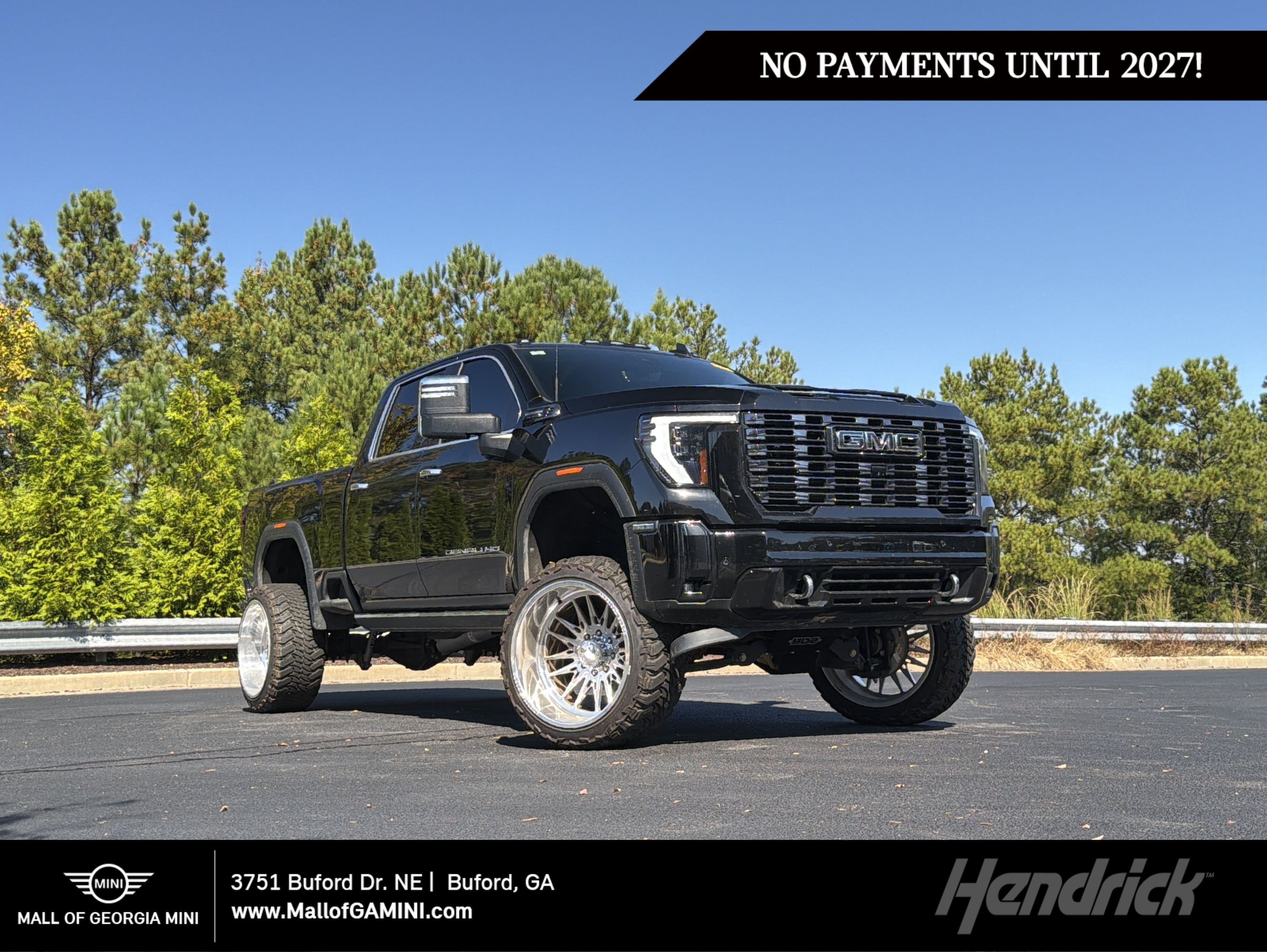
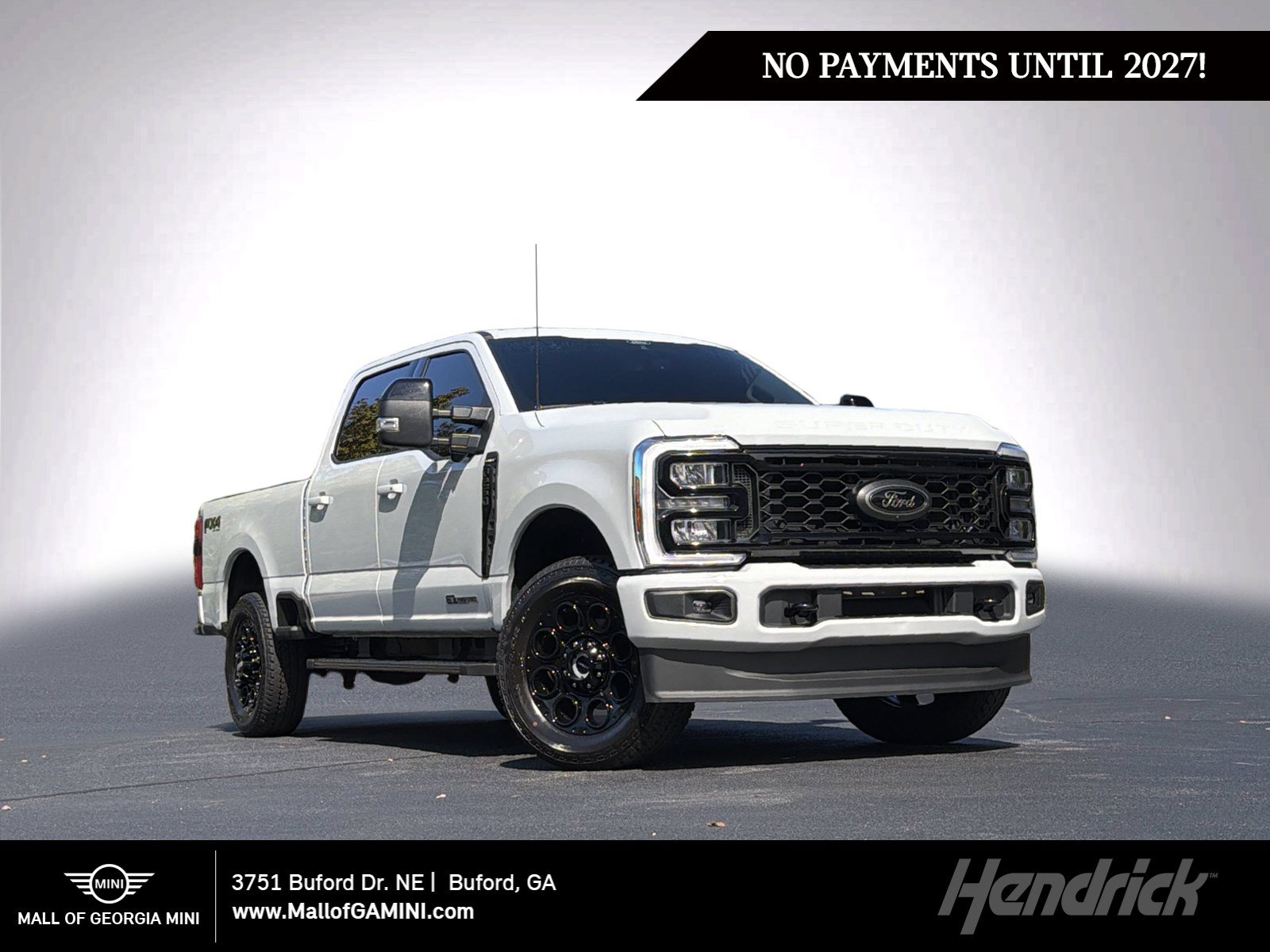
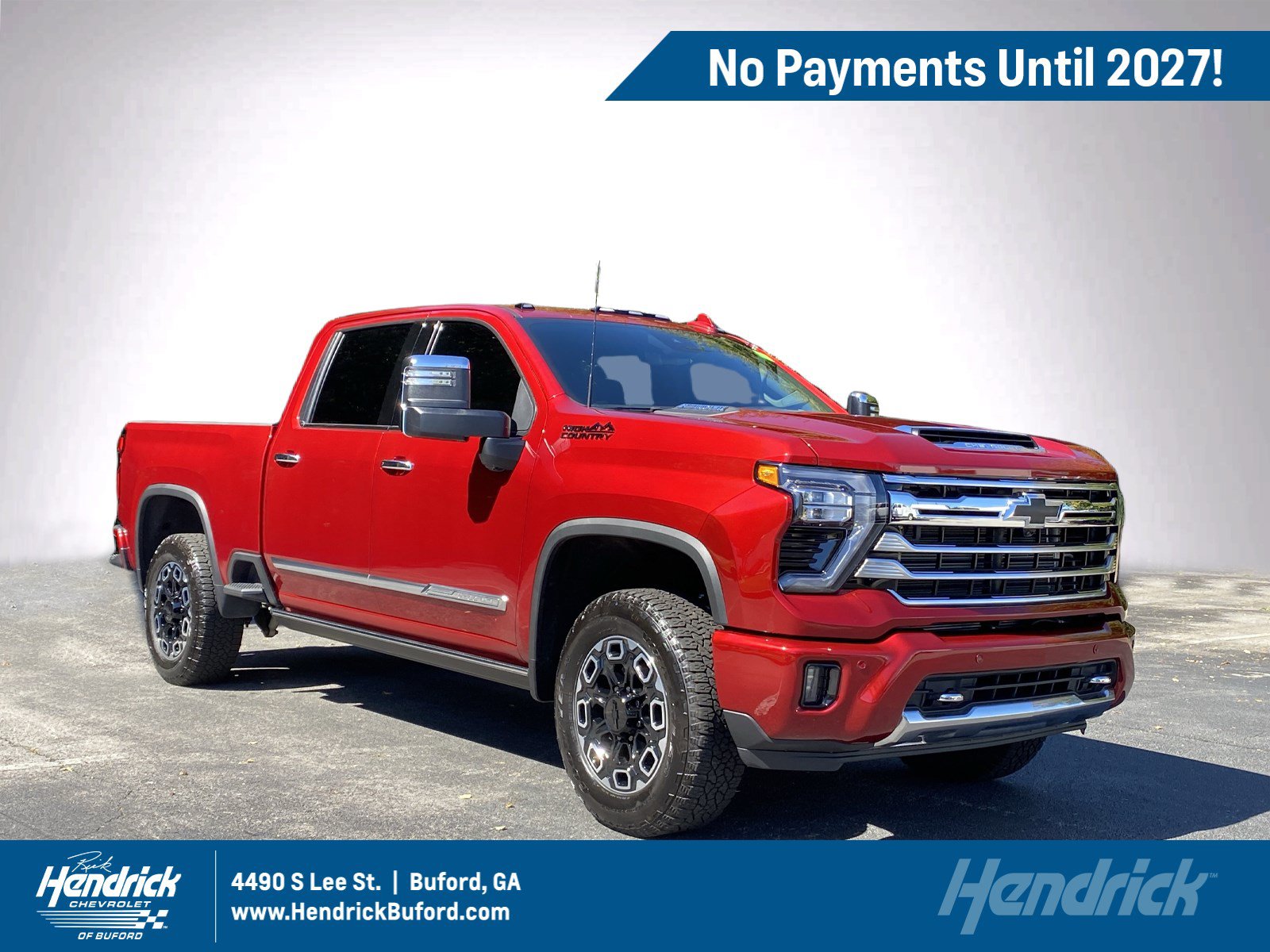
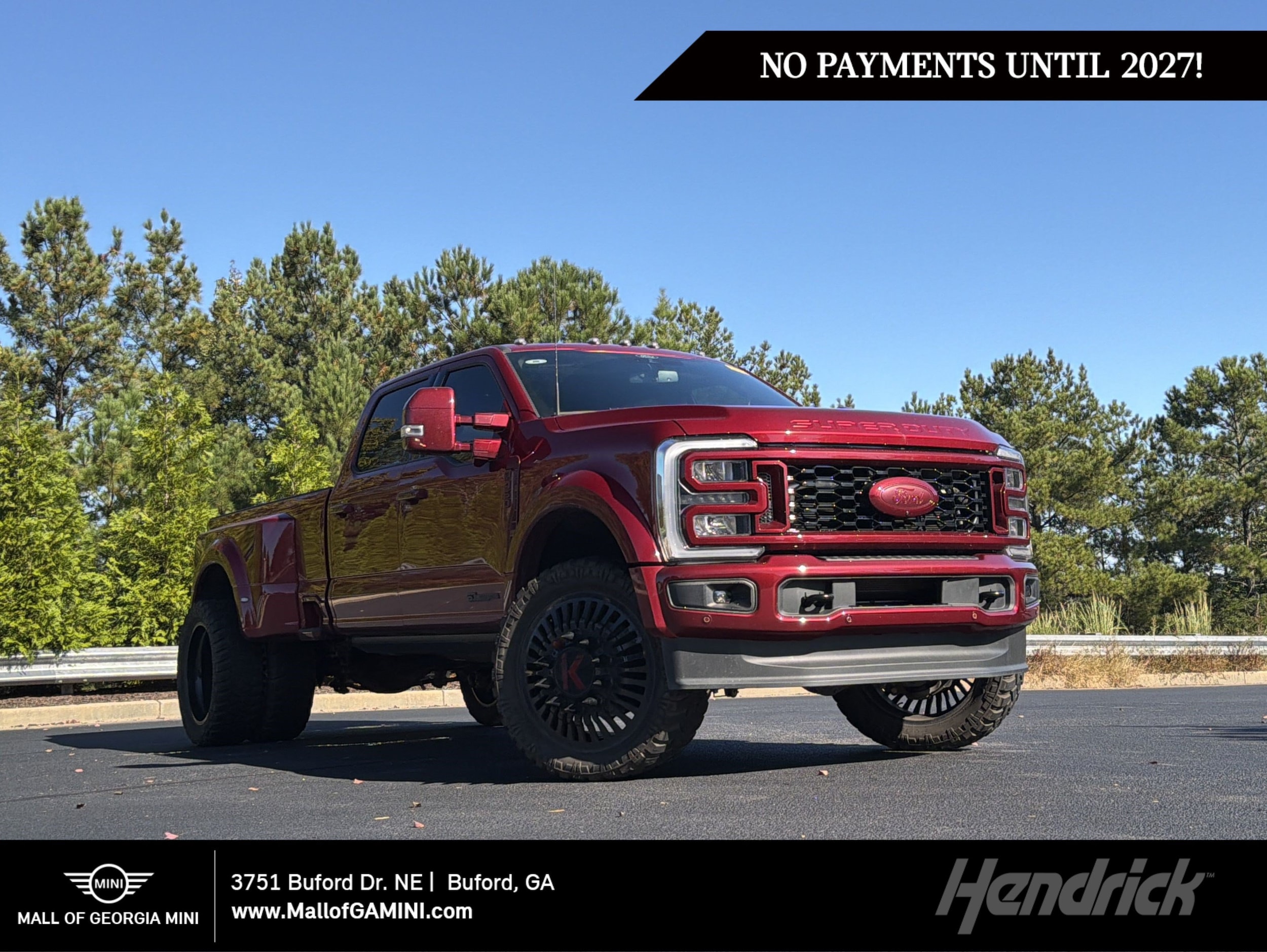
diesel, automatic, 86K km, pickup, All Wheels Drive, 6,700 cm3, red, Used condition, USA, In stock

HendrickCars.com
 Buford, United StatesBuford, United StatesBuford, United StatesBuford, United StatesBuford, United StatesBuford, United StatesBuford, United StatesBuford, United StatesBuford, United StatesBuford, United StatesBuford, United StatesBuford, United StatesBuford, United StatesBuford, United StatesBuford, United StatesBuford, United StatesBuford, United StatesBuford, United StatesBuford, United StatesBuford, United StatesBuford, United StatesBuford, United StatesBuford, United StatesBuford, United States
 Buford, United StatesBuford, United States
Diesel-powered cars remain a popular choice for many buyers seeking durability, fuel efficiency, and strong torque for highway and long-distance driving. Whether you are in a big city or a smaller town, understanding how to choose, compare, and negotiate when buying or selling a diesel vehicle can save you money and time.
Diesel engines typically offer better fuel economy and longer engine life when properly maintained. When evaluating options, consider the model and generation, fuel type, body style, and intended use. For city driving, a compact or midsize sedan, hatchback, or crossover with a modern diesel engine can balance efficiency with practicality. For longer trips or frequent highway use, a diesel SUV or wagon may provide more torque and stability at speed. Important factors include the brand and model (e.g., a well-known maker with a history of diesel reliability), the generation of the engine, and the year of manufacture.
When you examine a specific car, review mileage, service history, and maintenance records. A diesel car with high mileage can still be a sensible buy if it has a solid service log and evidence of timely oil changes and turbocharger maintenance. Compare price ranges by model and generation to set realistic expectations about what you should pay in your country or city.
For buyers, arrange a test drive to feel acceleration, torque, and braking performance. Have a trusted mechanic inspect the exhaust, turbo, particulate filter, and fuel system. Get a vehicle history report showing service records and any potential recall actions. For sellers, gather maintenance receipts, provide a clear mileage record, and prepare a fair but competitive asking price based on recent listings in your city.
If you are comparing across cities, consider local taxes, registration fees, and potential incentives for diesel vehicles. A well-documented service history and transparent ownership details can significantly improve your negotiating position. In the end, the best diesel car for you balances efficiency, reliability, and cost over time.
 Add as preferred sourceSee more from zvelta in Google Search Add as preferred source