 EN
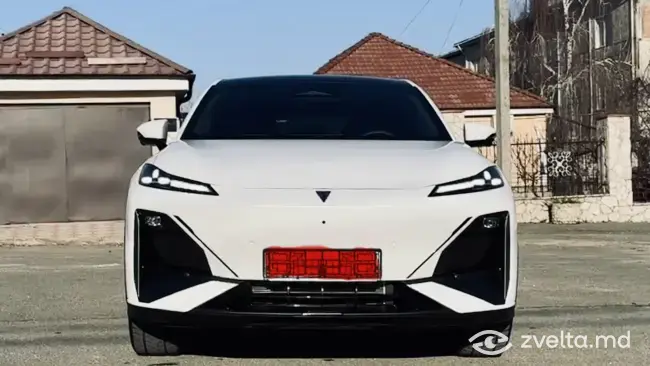
28.420 US$
hybrid, automatic, 2K km, SUV, Rear Wheels Drive, 1,500 cm3, 238 hp, Euro 6, white, New condition, In stock, left steering wheel
 Vatra, Moldova
 Vatra, Moldova
The hard part with Deepal is not making a shortlist. It is deciding whether the one promising listing in front of you is genuinely worth your time. When supply is thin, buyers tend to excuse missing details, vague photos, or a seller who says "everything is fine" but avoids specifics. That is exactly how weak offers survive longer than they should. If you are shopping Deepal cars for sale, patience matters more than speed.
A limited market changes the buying logic. With a common brand, you can skip one car and call three more sellers the same afternoon. With Deepal, you may only have a small number of used listings, and they may be spread far apart in quality, equipment, documentation, and seller transparency. So the first good-looking car is not automatically the right car. Treat each offer as something to verify, not something to fall in love with from the photos.
A strong Deepal listing usually makes comparison easier. Look for clear exterior photos in consistent light, interior images that show actual wear, and basic ownership facts that are stated directly rather than hinted at. If the ad gives you mileage, service history, charging details where relevant, registration status, and clear equipment information, that is already a better sign than polished language.
Weak listings often reveal themselves by what they avoid. If the seller never shows the driver's seat, instrument cluster, tires, charging cable, or close-ups of body panels, ask why. If the description is full of broad praise but missing ordinary facts, ask for the simple things first: VIN availability, ownership duration, maintenance records, any paintwork, and whether warning lights or software-related issues have ever appeared. You are not being difficult. With a less common brand like Deepal, missing clarity matters more because market comparisons are thinner.
One less obvious problem with smaller-volume brands is that buyers start comparing mood instead of substance. A clean driveway photo shoot can make a mediocre Deepal look more convincing than a better-maintained one photographed badly. That is why it helps to build your own comparison sheet before you call anyone: mileage, condition, service proof, tire age, accident disclosure, number of keys, charging accessories if applicable, and how complete the ownership story sounds.
Another useful clue is how a seller handles follow-up questions. People with solid cars usually answer in a calm, factual way. Sellers hiding weak points often try to rush you toward a meeting before they have clarified documents, past repairs, or what exactly is included with the car. For Deepal in particular, where many buyers are still learning the brand, confidence can be faked more easily than transparency. A patient seller is often a better sign than an enthusiastic one.
If you are considering Deepal, compare it against the role the car needs to play in your life. Is this mainly a city car, a commuter, a family second vehicle, or your only car? The answer changes what matters. A stylish example with attractive photos may still be the wrong buy if the listing is vague about battery-related history, charging habits, service support, software updates, or previous repairs. Even when the seller seems honest, you want a car that fits your use pattern, not just your curiosity.
This is also where alternatives help. You do not need to abandon Deepal, but you should compare each listing against similarly priced offers from more familiar brands in your market. That keeps you grounded. If a Deepal seller is asking you to accept weaker documentation, fewer inspection opportunities, or a softer explanation of condition just because the car feels rare or interesting, step back. Rarity is not value on its own.
Before arranging a viewing, ask for the exact basics that save wasted trips. Request the VIN, a photo of the instrument display with current mileage, service invoices or service-book images, and close photos of any visible defects. Ask whether the car has had paintwork, parts replaced after damage, long periods unused, or recent warning messages. If it is an electrified Deepal, ask what charging equipment comes with it and whether the seller has records of routine checks or updates.
Then listen to the quality of the answers. Specific answers reduce risk; evasive answers create it. "I think so" and "probably" are not good enough when the brand is uncommon and your chances to benchmark another similar car nearby may be limited. A seller who says "come and see, then we talk" before answering basic questions is often asking you to invest trust too early.
Buyers sometimes expect an unusual brand to come with an exciting story. In reality, the strongest Deepal offer is often the boring one: complete documents, ordinary maintenance history, clear condition, honest imperfections, sensible photos, and a seller who does not need theatrical claims. That kind of listing may look less glamorous than a glossy ad with little substance, but it is usually the one worth seeing first.
If you are browsing new and used Deepal listings, keep your standards steady. Compare condition, mileage, equipment, ownership clarity, and seller behavior with the same discipline you would use for a mainstream brand. The badge may be newer to many buyers, but the buying logic is not. Good offers become more convincing when you ask simple questions and get simple answers. That is how you avoid paying for novelty when what you really need is a car you can understand, verify, and live with.
 Add as preferred sourceSee more from zvelta in Google Search Add as preferred source