
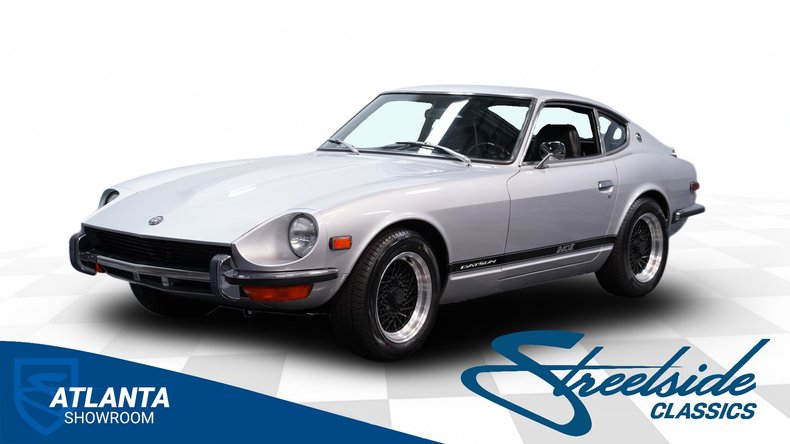
The Datsun 240Z stands out as a timeless classic that blends stylish design with spirited driving. Whether you’re new to the market or renewing a vintage collection, understanding the key factors helps you make a confident decision when buying or selling this iconic sports car. Below we cover what to look for in different generations, typical price ranges, and practical tips for evaluating a Datsun 240Z in today’s market.
What to know about the Datsun 240Z by generation and configuration
The 240Z was introduced in the early 1970s and quickly became a benchmark for affordable, driver-focused sports cars. When shopping, pay attention to:
- Brand and model: Datsun 240Z, a coupe with two doors that emphasizes a low, aggressive stance.
- Year and mileage: Early models may show higher wear on numbed surfaces, while late-70s iterations can reflect updated interiors.
- Engine and fuel: Most 240Zs run on inline-six engines with carbureted fuel delivery, though some later restorations feature upgraded fuel systems for reliability.
- Body type: Classic 2-door coupe; check for rust around the rocker panels, floor pans, and undercarriage, especially in older vehicles.
- Price segment: Depending on condition, originality, and matching-numbers status, prices vary from accessible classics to investment-grade examples.
Buying tips: how to assess a Datsun 240Z safely
For a satisfying purchase, consider these practical steps:
- Inspect the engine bay for leaks, timing, and overall cleanliness; listen for unusual noises during a test drive.
- Check the transmission and clutch for smooth engagement; ensure the steering, brakes, and suspension feel precise.
- Verify maintenance history and any restoration work; originality (matching numbers) often affects value.
- Look for signs of rust, accident repairs, or poor panel gaps that could indicate resurfacing or frame damage.
- Compare examples in your region to gauge typical condition and pricing for the year range you’re considering.
Selling your Datsun 240Z: maximizing value
If you own a Datsun 240Z and are considering selling, focus on:
- Detailing and documentation: service records, receipts for parts, and restoration notes add credibility.
- Documentation of originality: original engine, transmission, color, and interior details help justify asking price.
- Market positioning: figure out whether the car is a driver-quality example or a concours contender, and price accordingly.
- Availability of documentation on title and VIN matches helps buyers feel secure about provenance.
Typical questions buyers ask and how to respond
- What is a fair price for a Datsun 240Z today? Prices depend on condition, mileage, and originality, ranging from well-presented driver models to mint, restored units.
- Is the 240Z reliable? By modern standards it isn’t a commuter car, but with proper maintenance, it remains a rewarding classic to own.
- Which engine setup should I choose? Most prefer the original inline-six for authentic feel; enthusiasts may opt for tasteful upgrades for reliability.
If you’re evaluating a Datsun 240Z in your city, consider local availability, service options, and the community of collectors. A well-documented car with a clear maintenance history and solid body integrity typically brings a stronger offer, whether you’re buying or selling.