 EN
ENDEALER

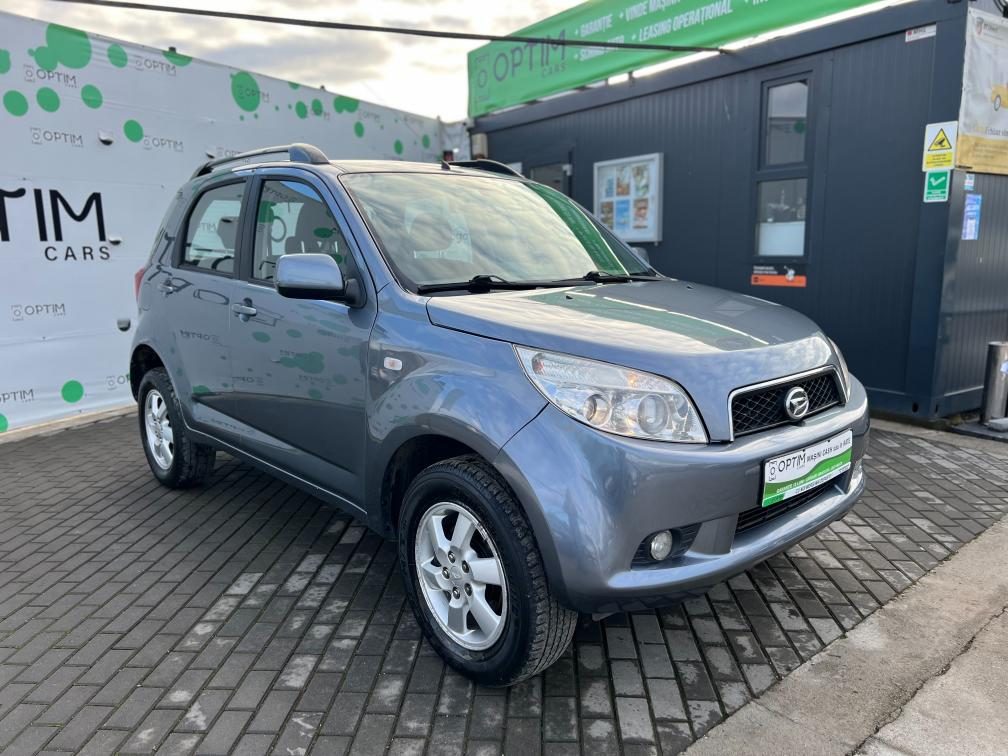
2010, gasoline, automatic, 128K km, SUV, 1,495 cm3, 105 hp, grey, 1.5 2wd tour, 4x4, Used condition, Europa, In stock, sale date 21.10.2026 03:15

CarOutlet.eu
 Netherlands
Auction starts
21 Oct, 03:15
 Netherlands
 Lazu Baciului, Romania
The Daihatsu Terios remains a popular compact SUV choice for city driving and weekend getaways. If you’re exploring the Daihatsu Terios in your country, whether you’re buying for the first time or selling an older model, knowing what to look for can help you make a smarter choice. This guide focuses on practical considerations such as generation differences, engine options, body types, and how mileage, price, and location affect value in real markets.
The Terios family has evolved through several generations, with drivetrain options often centered on reliable four-wheel drive layouts and small-displacement engines. Buyers commonly ask: which generation suits city use best, is the fuel economy acceptable for daily commutes, and how does mileage impact resale value? Sellers wonder how to position a used Terios in a competitive market, including which trim levels and features matter most for price.
When shopping in many cities, you’ll encounter variations by year, kilometers, and local demand. For example, a later generation with a clean service history can command a higher price in markets with strong SUV demand. Conversely, higher mileage or faded interiors may reduce value, even if the mechanicals are solid. Understanding these nuances helps you compare offers more effectively.
Buying or selling a Daihatsu Terios in your city requires balancing generation choice, engine efficiency, and market demand. By comparing similar years, noting mileage, and presenting reliable maintenance history, you can confidently navigate local listings and negotiate favorable deals.
 Add as preferred sourceSee more from zvelta in Google Search Add as preferred source