 EN
ENDEALER
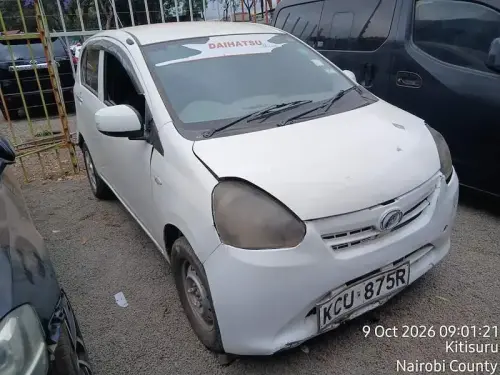
2012, gasoline, automatic, 343K km, wagon, 650 cm3, Used condition, In stock, sale date 21.10.2026 08:00

cars.mogo.co.ke
 Evergreen, Kenya
Auction starts · 21 Oct, 08:00
Current bid230.000 KES
 Evergreen, Kenya
The Daihatsu Mira is a compact car known for efficiency and practicality. If you’re considering buying or selling a Daihatsu Mira, understanding the key details—generation, model, body type, and mileage—helps you make a confident decision. This guide focuses on common concerns buyers and sellers have in markets where small city cars are popular, including typical price ranges, fuel choices, and what to look for during a test drive.
The Mira family has evolved through several generations, with variations in engines, transmissions, and exterior styling. For most buyers, the choice comes down to a balance between affordability and reliability. When evaluating a used Mira, consider the year, mileage, and overall condition. A well-maintained hatchback with modest mileage can offer dependable daily transport and low running costs, especially in urban settings where compact dimensions shine.
A thorough test drive reveals how the car performs under daily use. Pay attention to:
If possible, review the car’s maintenance records. Regular servicing and timely part replacements indicate careful ownership and can ease future resale. When negotiating price, consider the car’s mileage, service history, and any upcoming maintenance needs.
To sell a Daihatsu Mira quickly and at a fair price, highlight:
In competitive markets, pricing reflects condition more than age alone. Prepare a transparent, realistic asking price and be ready to provide a vehicle history report. buyers appreciate a well-presented car with complete records and a clean title.
Urban areas with limited parking and higher fuel costs often favor compact cars like the Mira. If you drive short trips or commute daily within city limits, a Mira with a dependable petrol engine, adequate servicing history, and a comfortable interior makes sense. For long-term ownership, consider newer generation models with improved safety features and better fuel efficiency.
When comparing options, search phrases potential buyers use include: “Daihatsu Mira price in [city/country]”, “Daihatsu Mira mileage and year”, “best Daihatsu Mira to buy”, and “Daihatsu Mira maintenance cost”. These inquiries reflect the balance buyers seek between affordability, reliability, and ongoing running costs.
If you are selling, emphasize practical ownership, low maintenance costs, and a clean service history. A concise description paired with high-quality photos can attract serious inquiries and help you achieve a fair sale price.
 Add as preferred sourceSee more from zvelta in Google Search Add as preferred source