 EN
ENDEALER
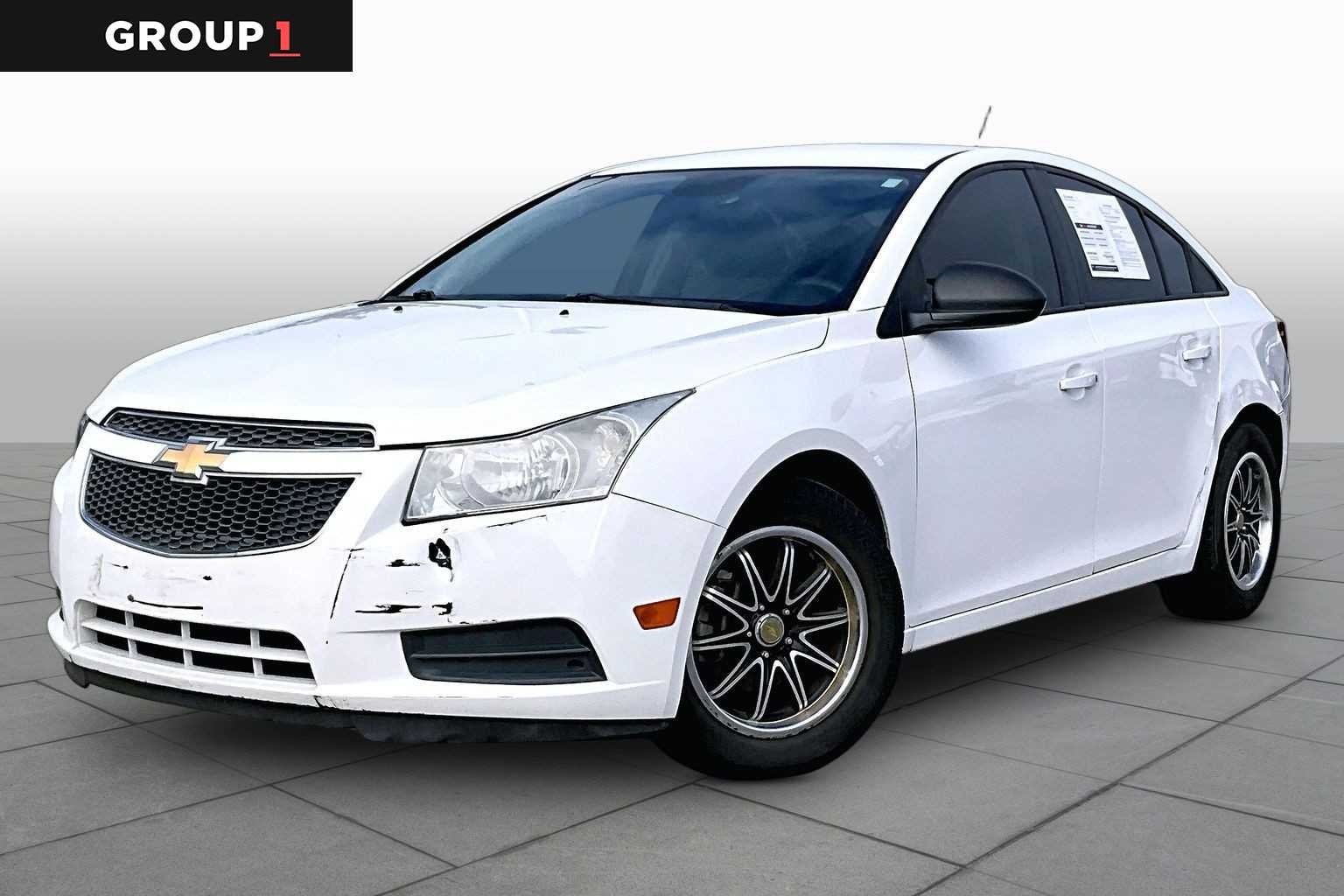
7.495 US$DEALER
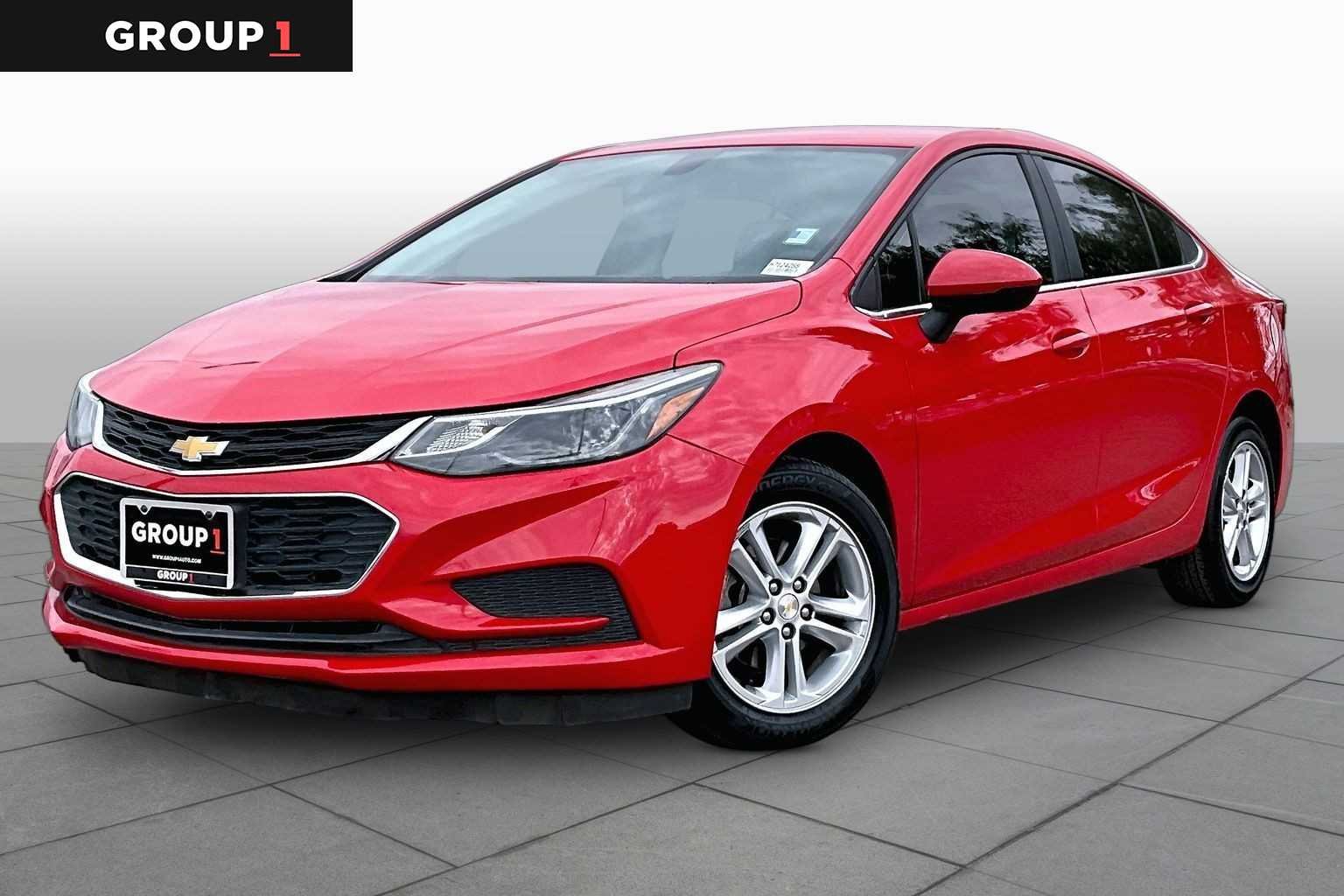
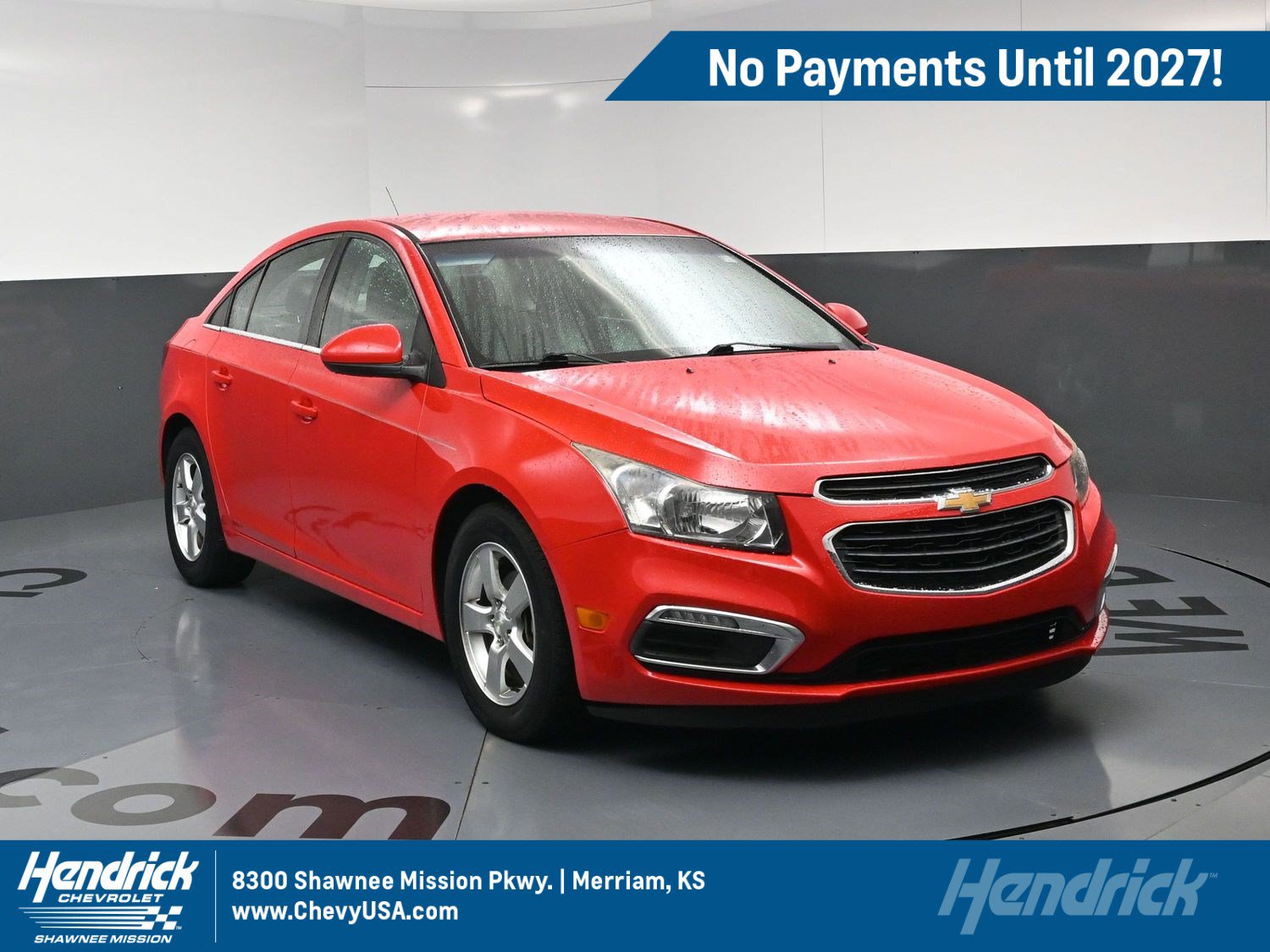
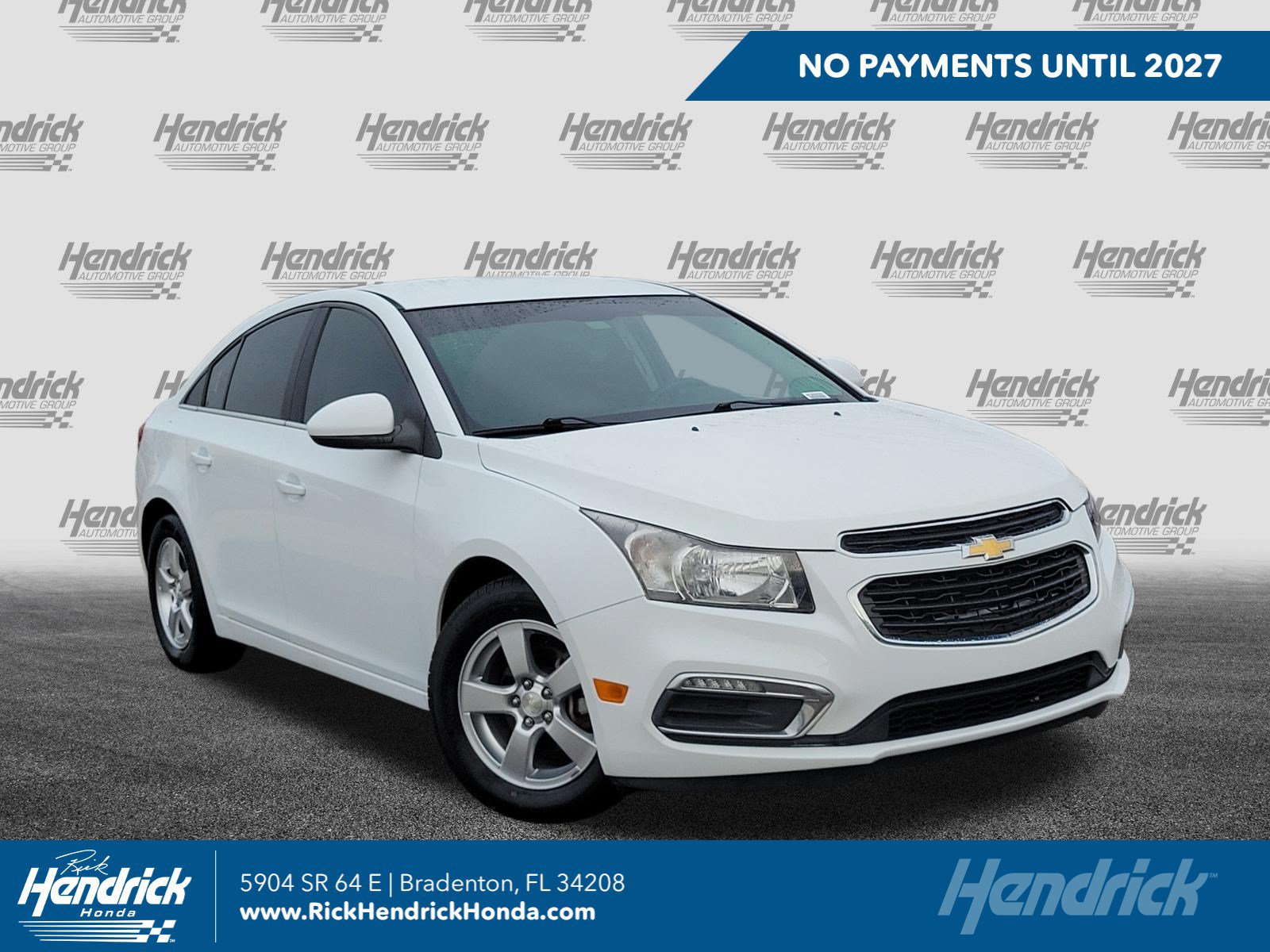
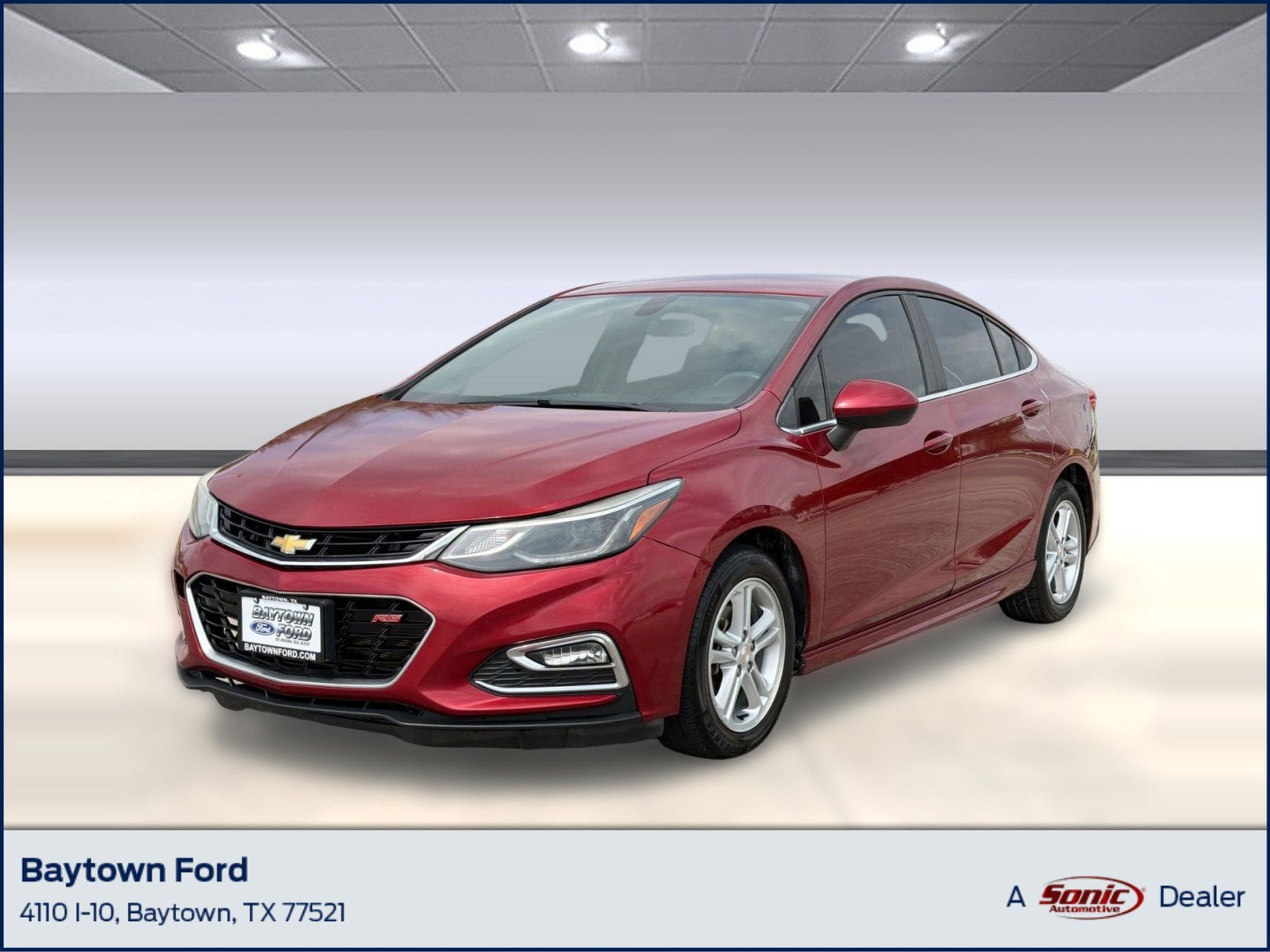
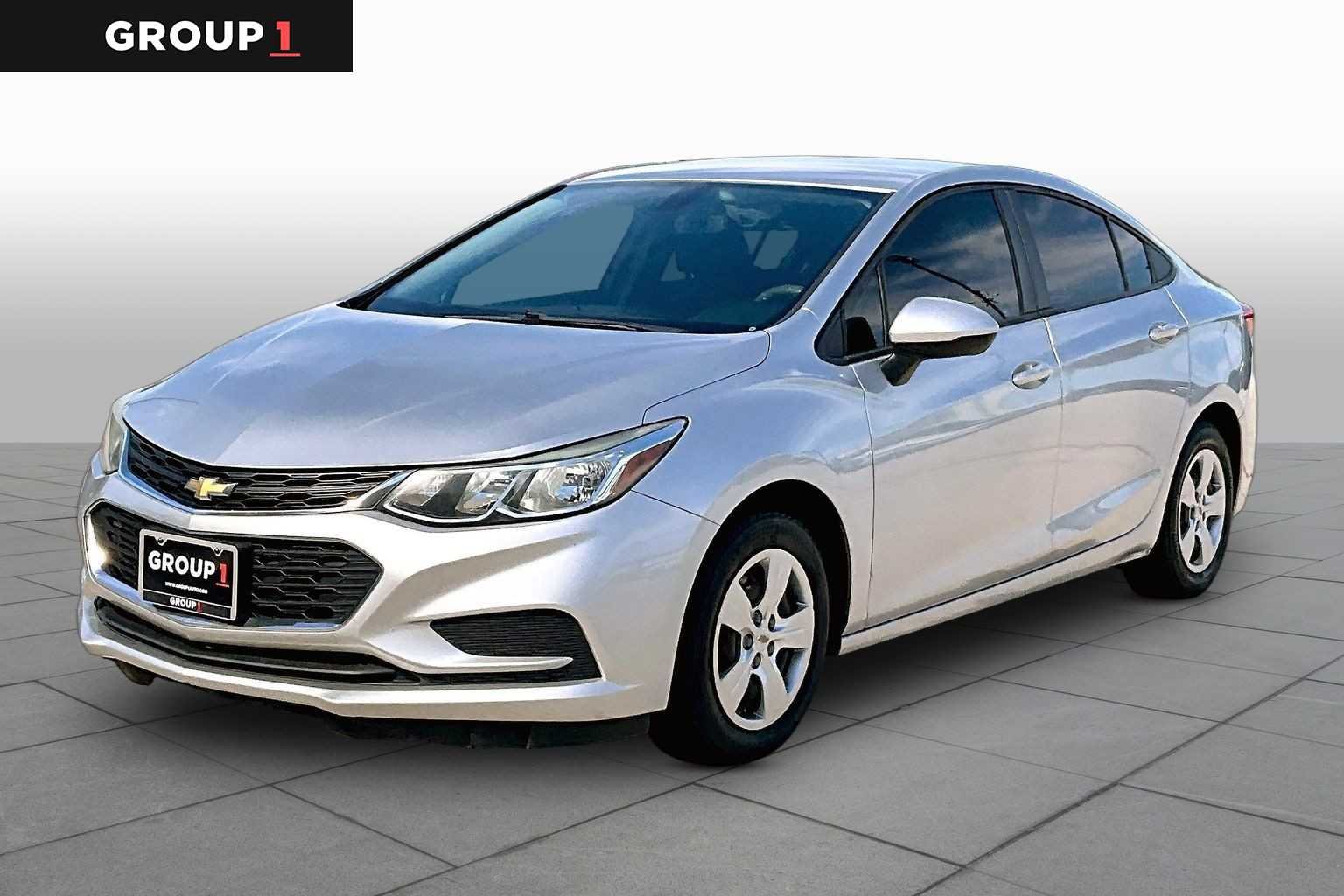
gasoline, automatic, 175K km, sedan, Front Wheels Drive, 1,800 cm3, 138 hp, white, Used condition, USA, In stock

Group1Auto.com
 Southwest, United States
 Southwest, United States
 Chevrolet, United StatesMain Settlement, United States
 Franklin, United States
 Weldon, United States
 Chittenango, United StatesRivertown, United StatesHoward, United StatesMerriam, United StatesMerriam, United States
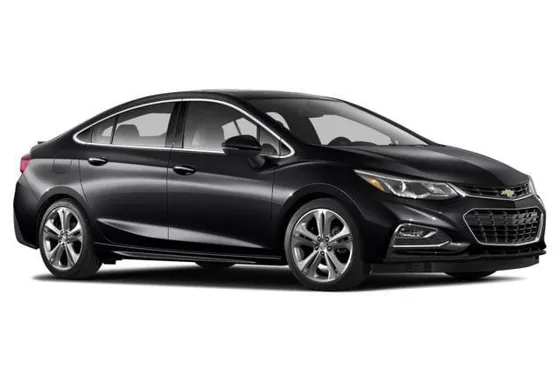 Richardson, United States
 United States
 United States
 United States
 United States
 United States
 United StatesBradenton, United StatesBaytown, United StatesTomball, United States
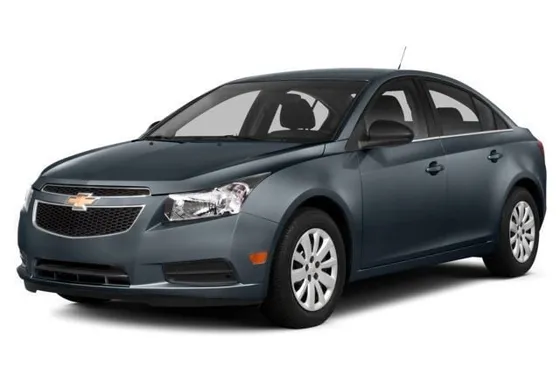 Grand Junction, United States
 Bowie, United StatesPecan Tree Park Mobile Home Park, United States
 Sherwood Park, CanadaSherwood Park, Canada
If you’re in the market for a compact sedan with a balance of comfort, efficiency, and practicality, the Chevrolet Cruze is worth considering. This model has been popular among urban drivers who want a roomy interior without sacrificing fuel economy, whether you’re shopping in a major city or a smaller town. Below you’ll find guidance on choosing the right Cruze configuration, comparing generations, and understanding what affects price and value in the current market.
One of the first decisions when buying a Cruze is selecting the appropriate generation. Older generations may offer lower prices but could have higher mileage and fewer modern safety features. Newer Cruze variants typically provide improved infotainment, driver assistance, and refinement. When evaluating the car, pay attention to:
If you’re comparing price segments, look at what different years and trims offer—entry-level LS or LS-based trims versus mid-range LT and LTZ specifications—to understand value preservation and resale potential. In many markets, a well-maintained Cruze with complete service records will command a better resale price than a similar mileage, less well-documented rival.
Before finalizing a Cruze purchase, consider a test drive that focuses on handling, braking, and cabin noise. Common items to inspect include:
If you are selling a Cruze, highlight recent maintenance, tire condition, and any recent improvements to the brakes or suspension. Transparent disclosures about repairs or issues help build buyer trust and can shorten the selling process.
Prices for the Chevrolet Cruze vary by year, mileage, and condition, as well as local demand. In a typical market, you might compare:
In all cases, verify that the vehicle has a clean title, confirm that service records exist, and confirm the condition of tires, brakes, and the cooling system. If you’re selling, staging the car for photos and offering a vehicle history report can help secure a quicker sale at a favorable price.
The Chevrolet Cruze’s appeal lies in its straightforward ownership experience, reasonable running costs, and the availability of trims that suit different lifestyles. For buyers in expansive urban areas and smaller markets alike, the Cruze provides predictable maintenance, a comfortable cabin, and competitive price-to-value ratios. For sellers, well-documented history and careful presentation often translate into stronger interest and confidence from potential buyers.
 Add as preferred sourceSee more from zvelta in Google Search Add as preferred source