 EN
ENDEALER
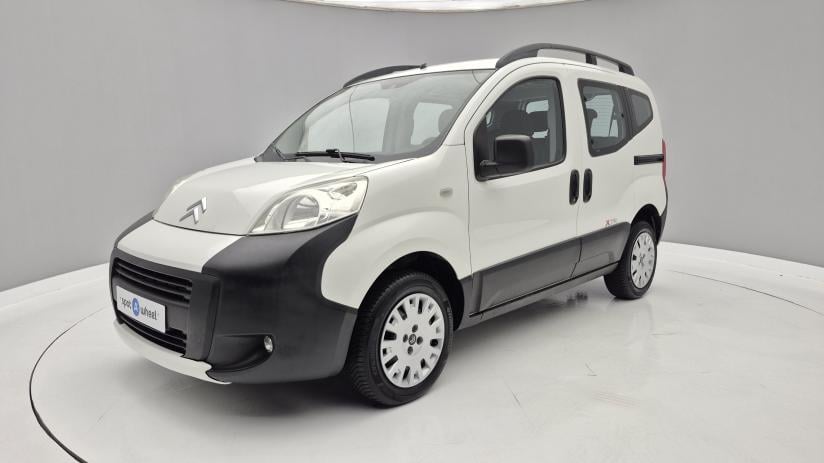
11.709 US$DEALER
11.697 US$
diesel, manual, 119K km, VAN, Front Wheels Drive, 1,248 cm3, 75 hp, Euro 6, white, 1.3 HDi XTR, Used condition, Europa, In stock

SpotaWheel.gr
 Greece, Attica
 Greece, Attica
When you are in the market for a compact van, the Citroën Nemo often comes up as a sensible option for city logistics, small businesses, and family use. This guide helps buyers and sellers understand what to look for in different Nemo generations, how mileage and fuel choices affect value, and what to expect in price segments within common markets. We’ll cover the most relevant questions: which engine is reliable, what body types exist, and how to compare offers across cities.
The Nemo is a small van designed for urban efficiency and practical cargo space. It typically features a compact footprint, making it suitable for narrow streets and tight parking. When evaluating a Nemo, consider the model generation, year, and mileage, as these impact maintenance costs and resale value. Common body styles include panel van configurations optimized for cargo, with variations that may suit light passenger transport. For buyers in major cities, diesel engines used to be popular for longer-term fuel efficiency, while some markets prefer petrol for lower maintenance at lower annual mileage.
If you are in a major city looking to buy or sell a Citroën Nemo, focus on the model year, mileage, fuel type, and overall condition to determine the right price and negotiation strategy. By understanding how the Nemo’s generations differ and what buyers in your area typically value, you can make smarter decisions and close deals more efficiently.
 Add as preferred sourceSee more from zvelta in Google Search Add as preferred source