 EN
ENDEALER
18.625 US$DEALER
19.115 US$
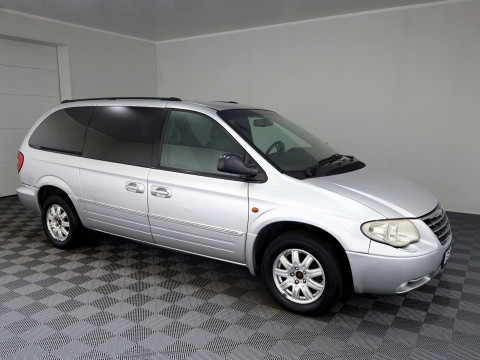
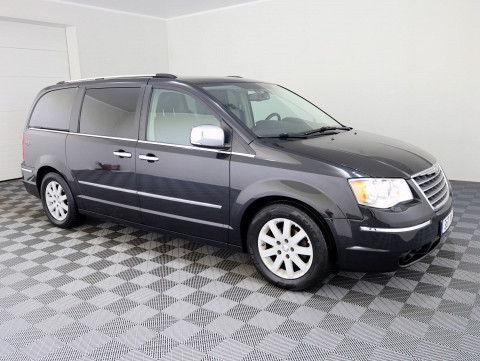
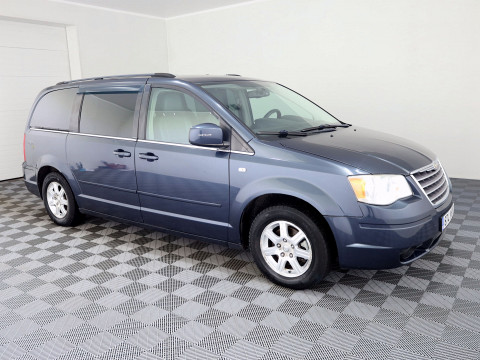
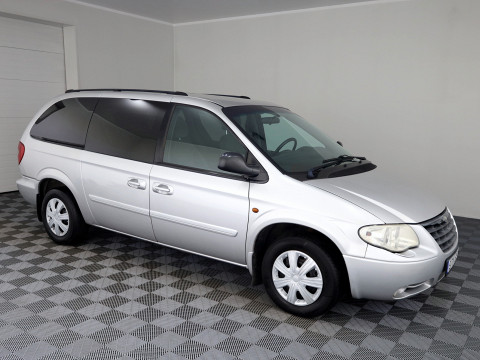
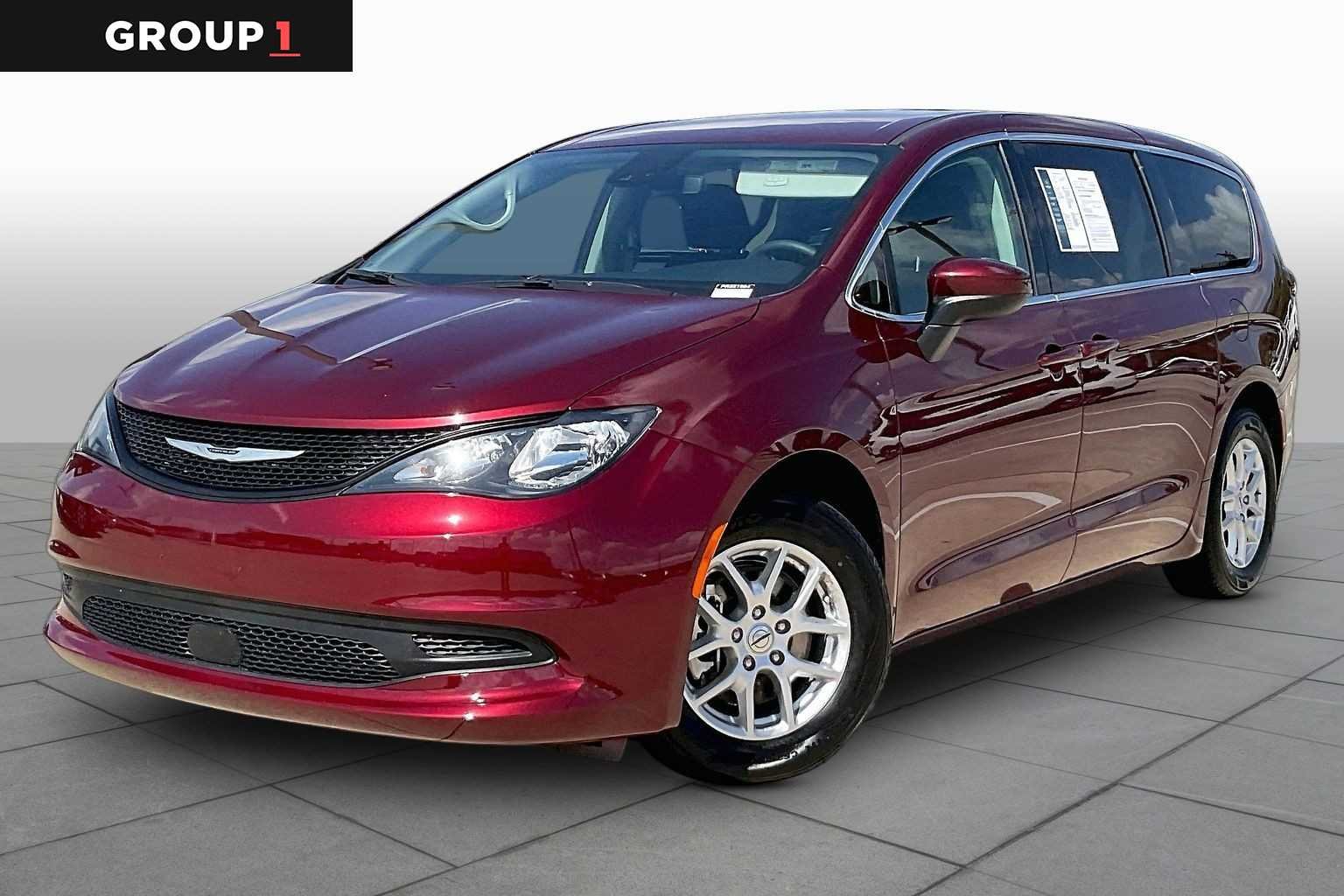
gasoline, automatic, 96K km, VAN, Front Wheels Drive, 3,600 cm3, 287 hp, red, Used condition, USA, In stock

Group1Auto.com
 Main Settlement, United States
 Main Settlement, United States
 United States
 United States
 Pecan Tree Park Mobile Home Park, United StatesEast Las Vegas, United StatesEast Las Vegas, United States
 Estonia, HarjumaaEstonia, HarjumaaEstonia, HarjumaaEstonia, HarjumaaEstonia, Harjumaa
 Ckulyanskaya Rogatka, Moldova
 Ukraine, ZakarpattiaUkraine
 Seongsu-dong, South Korea
The Chrysler Voyager represents a practical choice for families and commuters who value space, comfort, and reliability. When considering a Chrysler Voyager, buyers often focus on generation options, fuel types, body configurations, and mileage to determine the best value. This guide helps you navigate the nuances of buying or selling a Voyager, with practical tips for evaluating price ranges, maintenance costs, and resale potential in key markets.
The Voyager line has evolved through several generations, with variations in engine choices, fuel options, and body styles. If you are shopping in the U.S. market, start by identifying the preferred body type (minivan vs. MPV) and the intended use. Common questions include:
Typical conversations revolve around the model year, mileage, and transmission type. Buyers often compare early- and late-generation Voyagers to assess improvements in safety technology, infotainment, and cargo capacity. Used examples with lower mileage generally command higher prices, but well-maintained vehicles with complete service records can offer strong resale value.
When assessing a Chrysler Voyager for sale, consider these practical factors:
If you’re comparing several Voyagers in different cities, evaluate total ownership costs, including insurance, fuel economy, and potential repair bills. For sellers, presenting a clean, well-documented history can shorten the time on the market and improve offers.
For sellers, a transparent description that highlights fuel type, generation, year, mileage, and recent maintenance can attract serious buyers. Clean photos, clear history, and a fair asking price aligned with market trends will help you reach prospective buyers more efficiently.
In short, the Chrysler Voyager remains a capable, family-friendly choice. By focusing on generation, fuel type, and mileage, buyers and sellers can make informed decisions that align with budget and goals.
 Add as preferred sourceSee more from zvelta in Google Search Add as preferred source