 EN
ENDEALER
1.119 US$DEALER
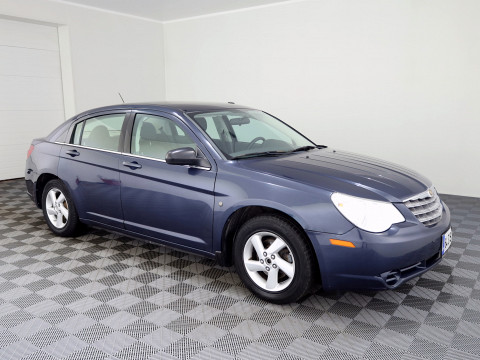
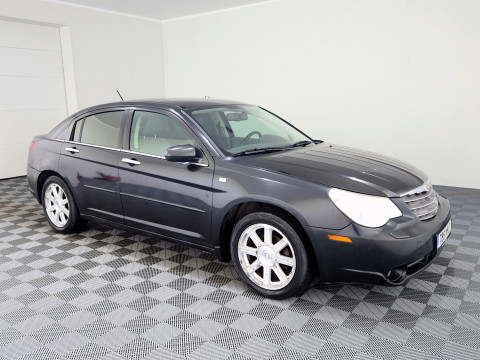
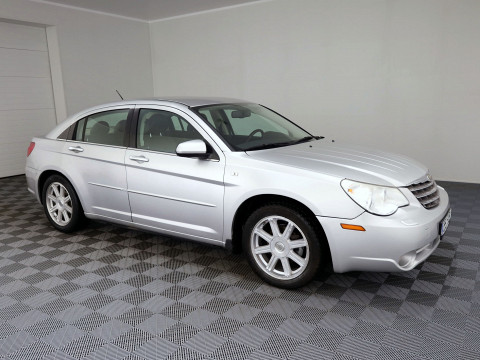
2012, gas, automatic, 264K km, sedan, Front Wheels Drive, 2,400 cm3, grey, Used condition, USA, In stock

BaltiCar.com
 Estonia, Harjumaa
 Estonia, HarjumaaEstonia, HarjumaaEstonia, Harjumaa
 Romania
 South Korea
When you’re in the market for a Chrysler Sebring, you’re looking at a compact yet comfortable car with a mix of practicality and road presence. The Sebring has several generations and body styles, from sedans to convertibles, offering options for daily driving, weekend escapes, or a stylish entry into road trips. In this guide, we’ll walk through how to choose, compare, and buy or sell a Chrysler Sebring in different places, considering factors like year, mileage, fuel type, and price segment.
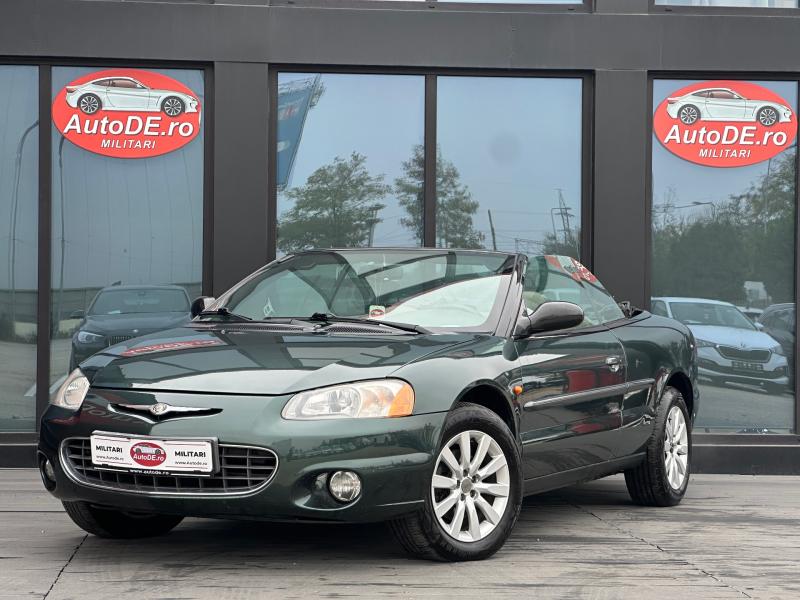
If you’re browsing for a Chrysler Sebring, you’ll often encounter questions about engine choices, body style, and generation. Common options include four-cylinder engines paired with automatic transmissions, with some models offering a V6 upgrade for more power and smoother performance. Consider the body type that fits your needs: a practical sedan for everyday use or a convertible for open-air driving. When evaluating a Sebring, check the year range, mileage, and service history to gauge reliability and potential maintenance costs.
Think about where you’ll drive most often. In city driving, fuel efficiency and easy parking can be decisive, while highway trips may benefit from more power and comfortable seating. For a given generation, compare trim levels, interior features, and available technology to understand the total value. If you’re buying, set a realistic budget based on the car’s age and mileage, and don’t overlook potential repair costs down the line.
Price ranges for Chrysler Sebring cars vary by year, mileage, and market. A Sebring from the early 2000s will typically sit in a more affordable price segment, while later generations with lower mileage and better condition can command higher values. When shopping, note these key factors:
When selling, honest depreciation estimates and a clean maintenance record help you attract serious buyers. Gather service receipts, note any known issues, and price the car competitively within the local market. A well-documented car with reasonable asking price tends to attract more inquiries.
Whether you’re in a big city or a smaller town, the Chrysler Sebring remains a recognizable option for those who want a balance of practicality and personalized style. By focusing on year, mileage, and condition, you can find a Sebring that aligns with your needs. If you’re selling, highlight recent maintenance and the condition of all major components to maximize buyer interest. With thoughtful consideration of generation, body style, and fuel options, you can make a confident choice when buying or selling a Chrysler Sebring.
 Add as preferred sourceSee more from zvelta in Google Search Add as preferred source