 EN
ENDEALER
16.222 US$DEALER
16.802 US$
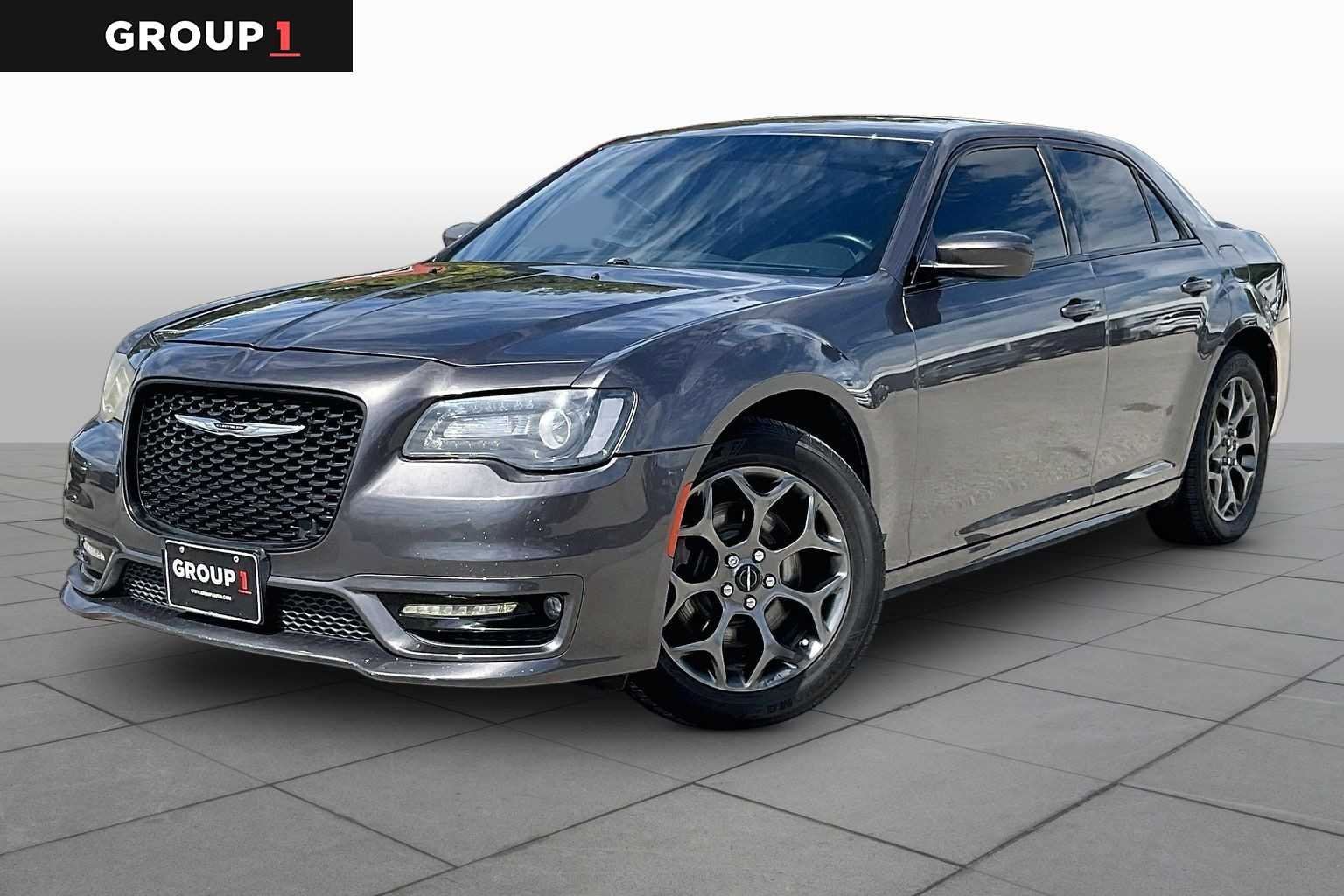
gasoline, automatic, 147K km, sedan, All Wheels Drive, 3,600 cm3, 300 hp, grey, 300S, Used condition, USA, In stock

Group1Auto.com
 Main Settlement, United States
 Main Settlement, United States
 United States
 United States
 United States
 United States
 City of Grand Prairie, United States
 Ukraine
 Tiraspol, Moldova
 United Arab Emirates, Sharjah
The Chrysler 300 stands out in the full-size sedan segment with its bold styling and comfortable interior. If you’re considering buying or selling a Chrysler 300, understanding the key generations, engine options, body styles, and typical price ranges in different markets will help you make an informed choice. This guide covers common questions buyers ask, from fuel types to mileage expectations, as well as practical tips for comparing models across years and configurations.
The Chrysler 300 has offered several generations since its modern reintroduction. Popular generations include the early-2011 refresh and later updates that refined technology, safety features, and ride quality. Common configurations feature rear-wheel drive or all-wheel drive layouts, with V6 engines providing a balance of performance and efficiency. In some markets, you may also encounter V8 variants for higher-performance trims. Body styles are typically four-door sedans with spacious interiors, making the 300 a strong choice for long-distance driving and daily commuting alike.
When evaluating a Chrysler 300, consider the following:
Prices for the Chrysler 300 vary by year, mileage, condition, and market. In regions with strong demand for larger sedans, well-maintained examples with lower mileage and a full service history can command higher prices. Budget-minded buyers often weigh mid-range trims with efficient V6 engines against higher-end variations that offer premium interiors and advanced tech.
Common price considerations:
Whether you are purchasing from a dealer or selling privately, these tips can help you reach a fair deal:
If you are evaluating a Chrysler 300 in your country and city, consider how your daily needs align with its size, power, and comfort features. A well-maintained example with complete service records and an efficient engine configuration can offer reliable daily driving and a refined long-distance ride.
 Add as preferred sourceSee more from zvelta in Google Search Add as preferred source