EN
ENDEALER
8.662 US$DEALER
8.796 US$
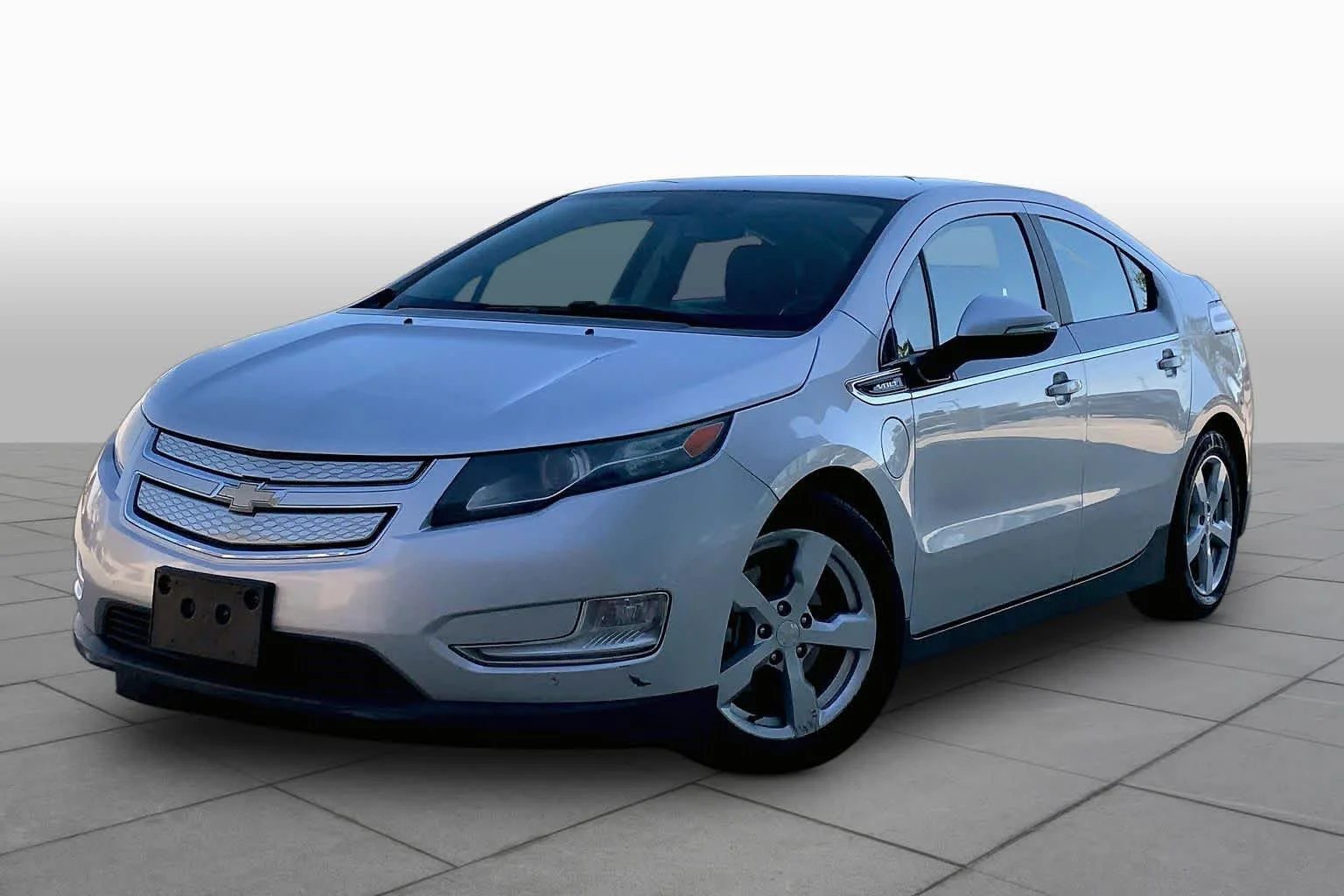
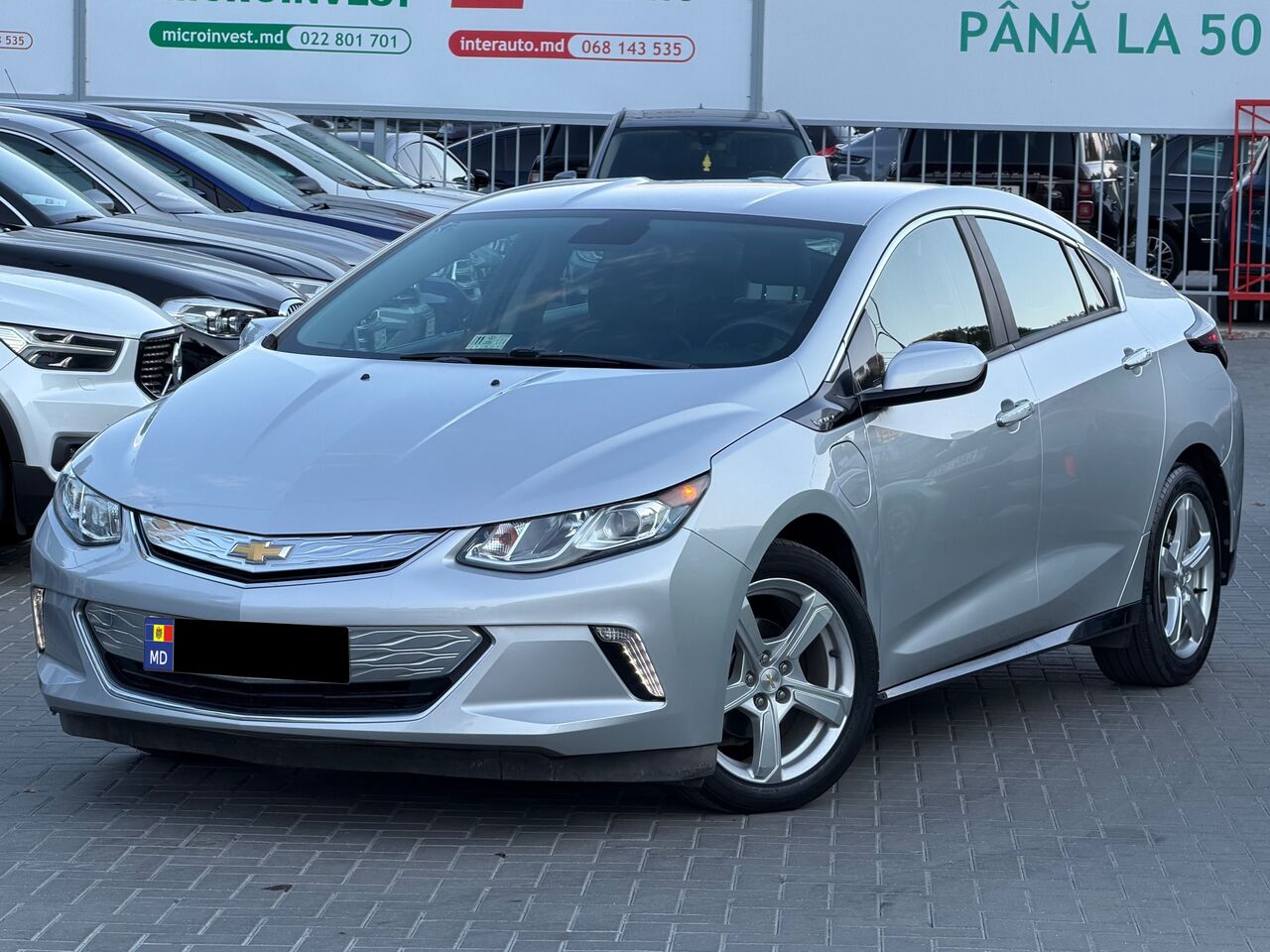
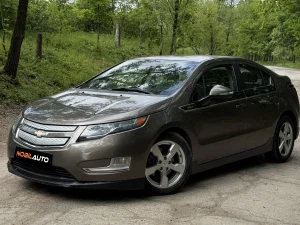
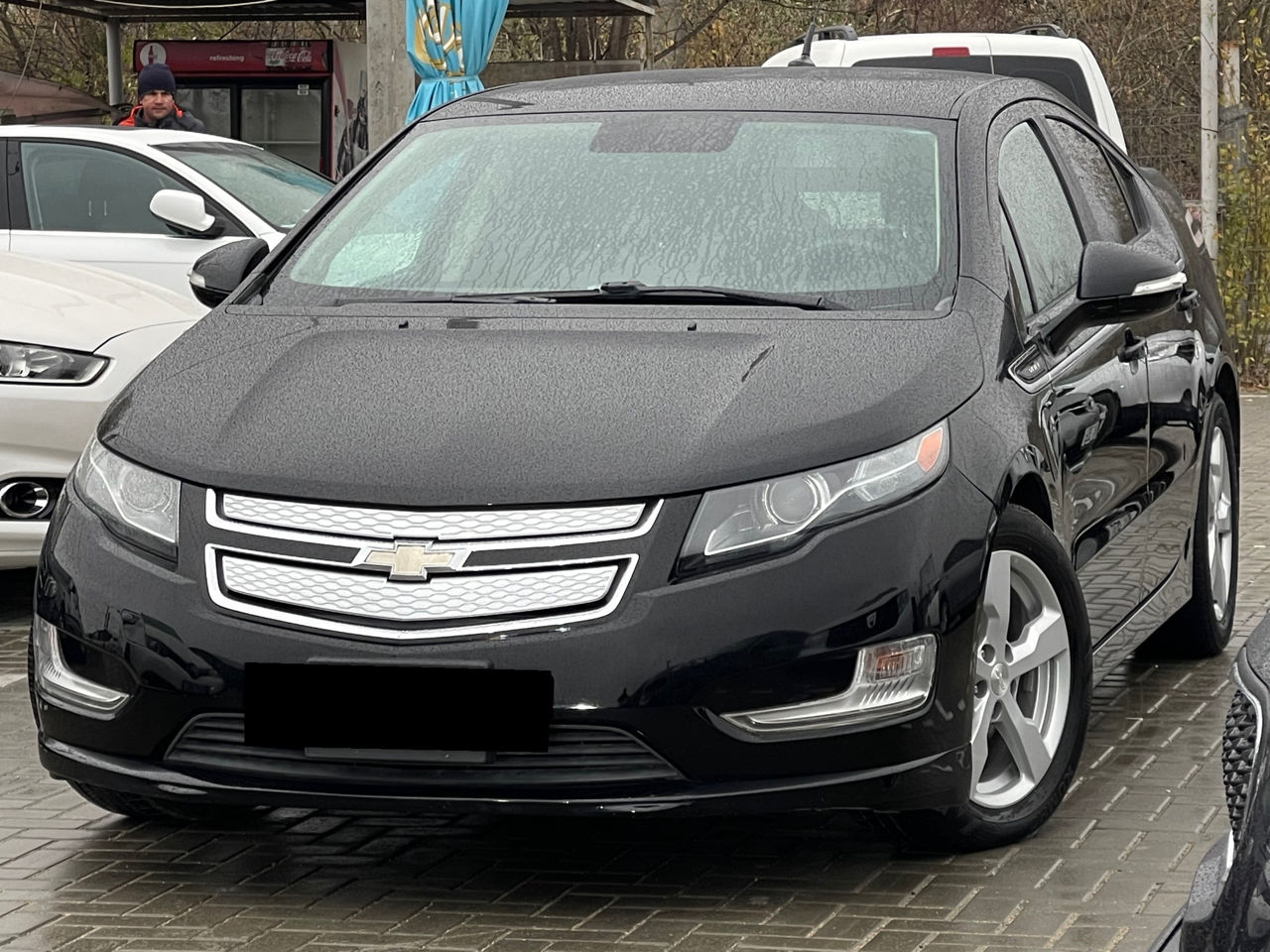
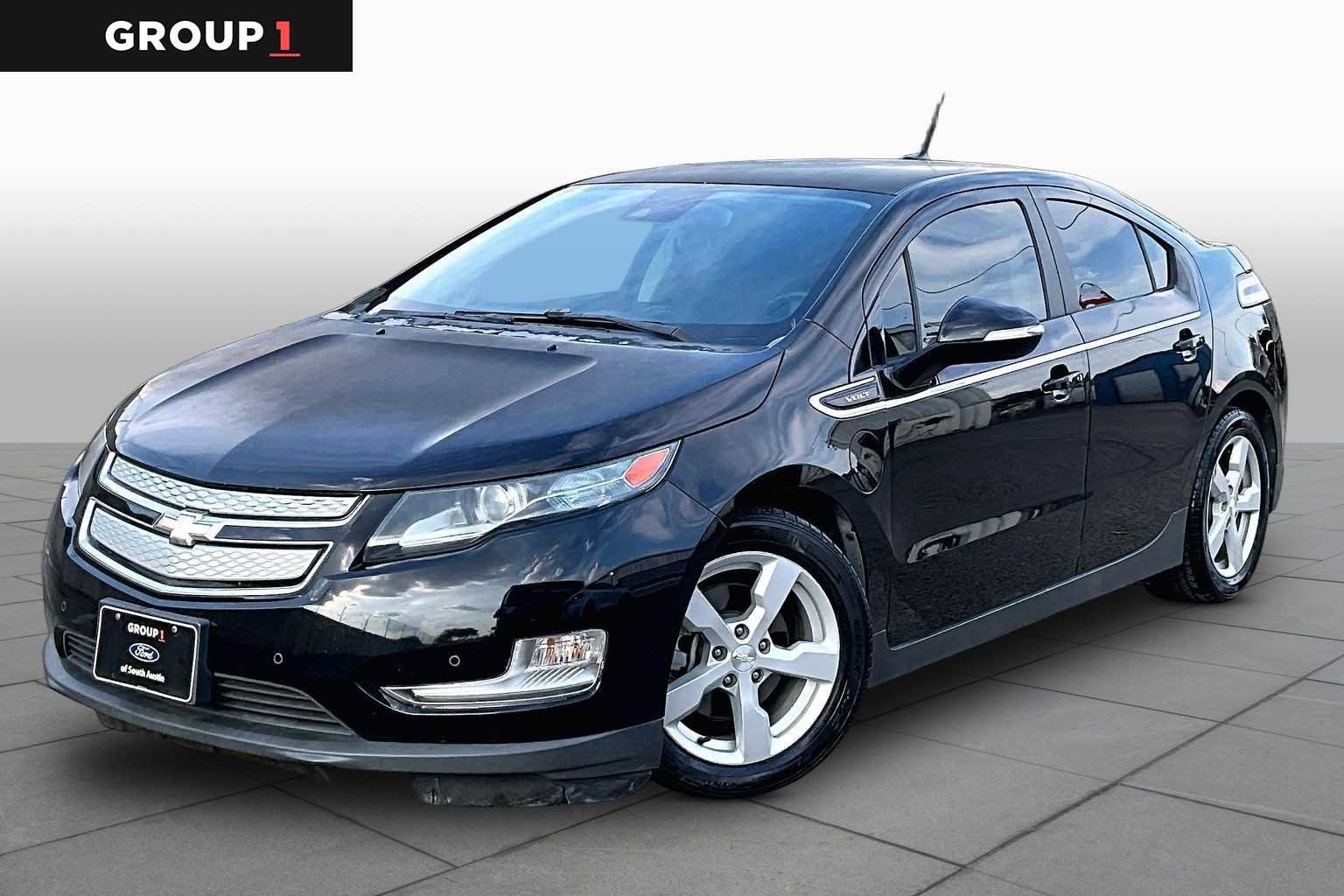
gasoline, automatic, 179K km, hatchback, Front Wheels Drive, 1,400 cm3, 149 hp, black, Electric, Used condition, USA, In stock

Group1Auto.com
 Main Settlement, United States
 Main Settlement, United StatesHoward, United States
 United States
 City of Grand Prairie, United States
 Buena Park, United States
 Moldova
 MoldovaMoldovaMoldovaMoldova, Chișinău MunicipalityMoldova, Chișinău MunicipalityMoldova, Chișinău MunicipalityMoldova, Chișinău MunicipalityMoldova, Chișinău MunicipalityMoldova, Chișinău Municipality
 Ukraine
 Ukraine
 UkraineUkraineUkraineIvano-Frankivsk Raion, UkraineUkraineUkraineUkraineUkraine
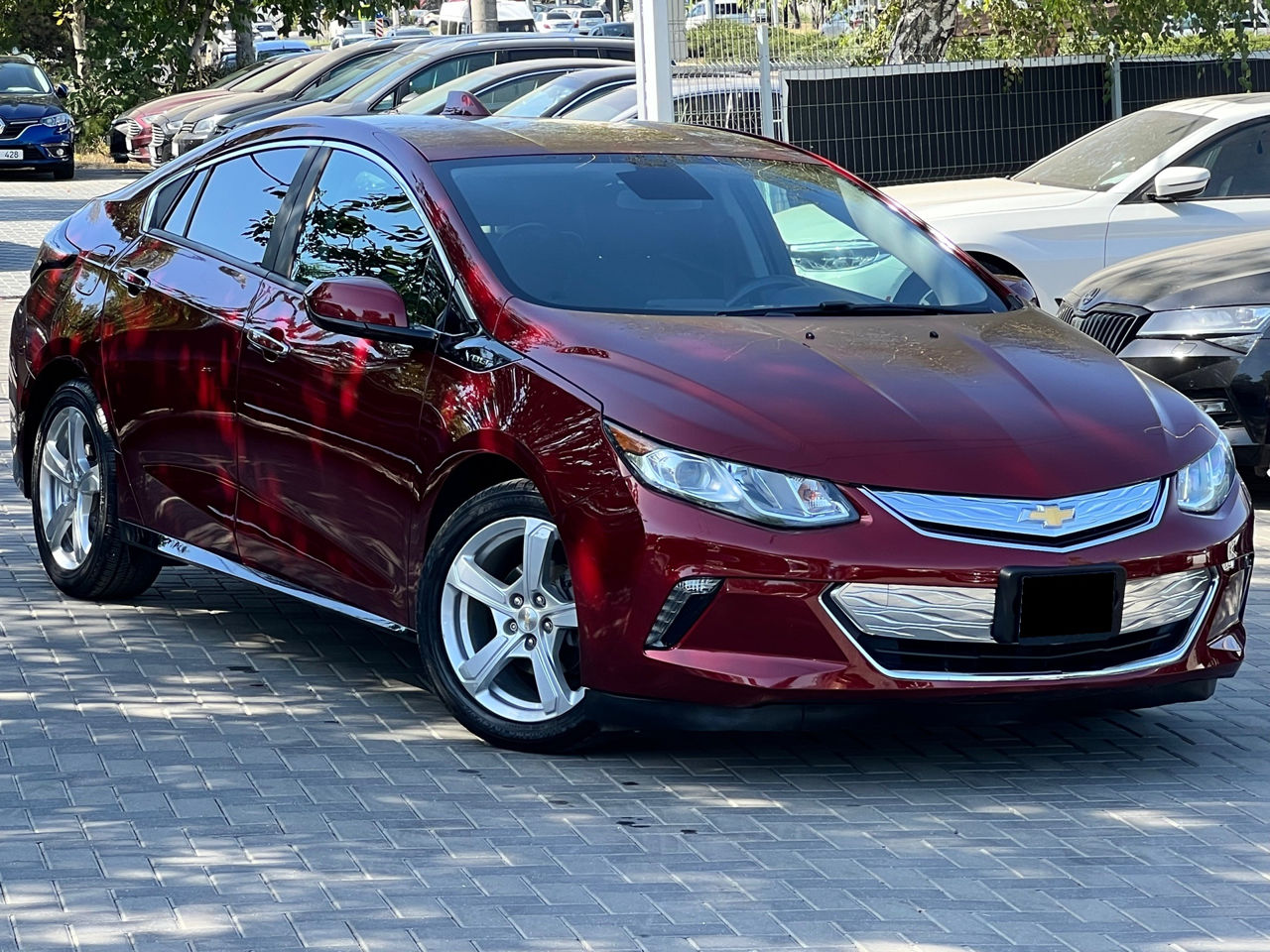
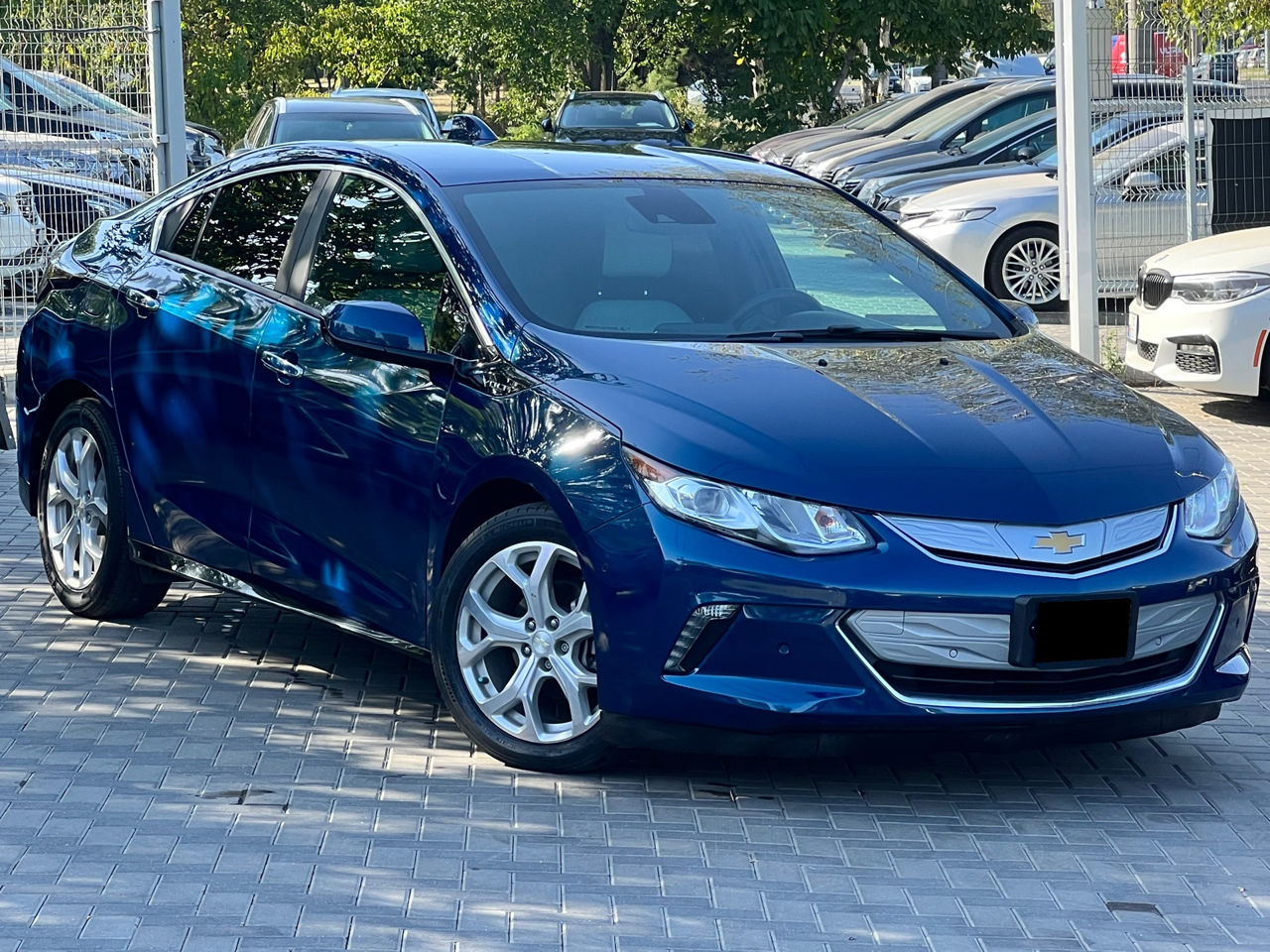
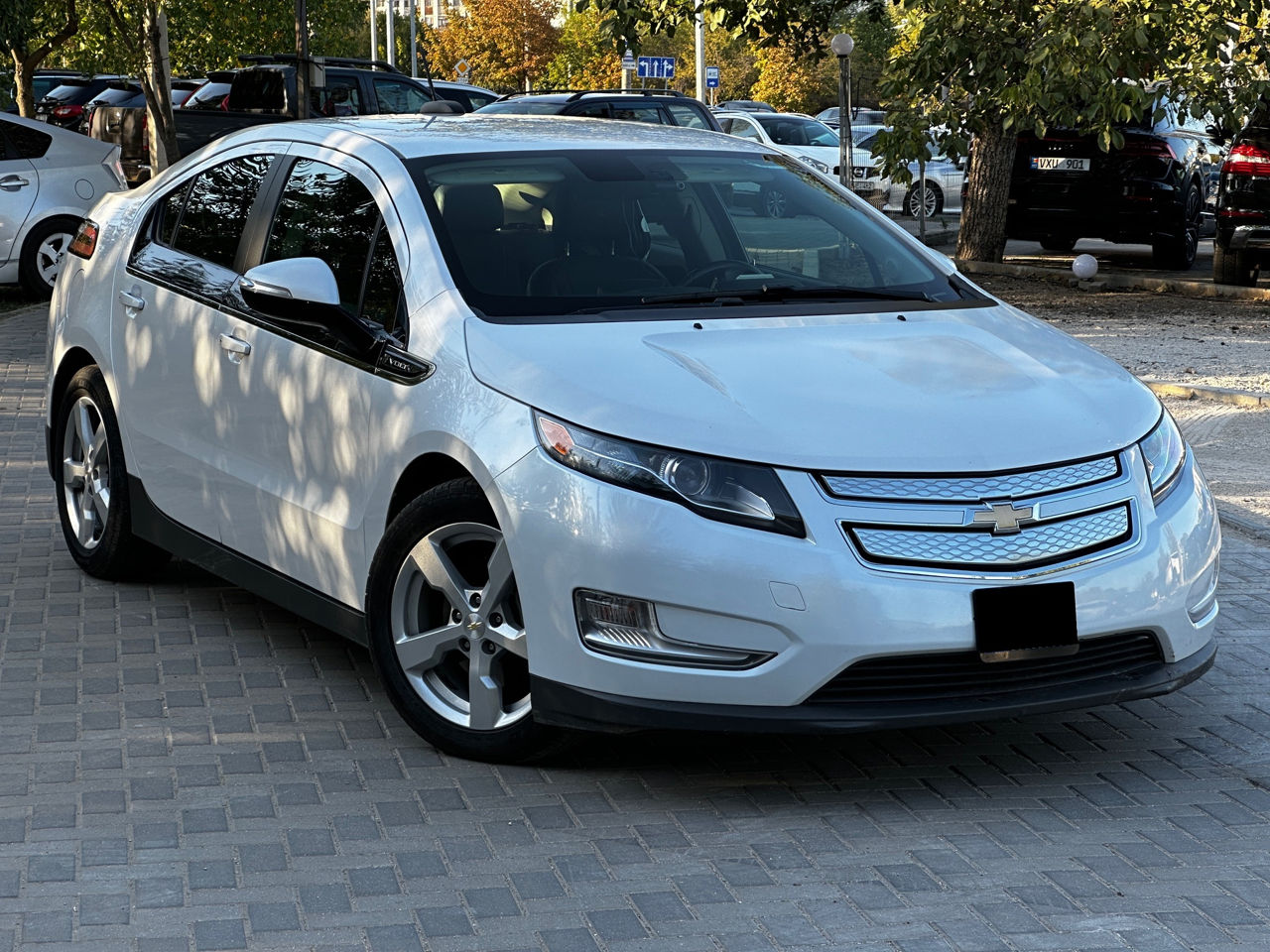
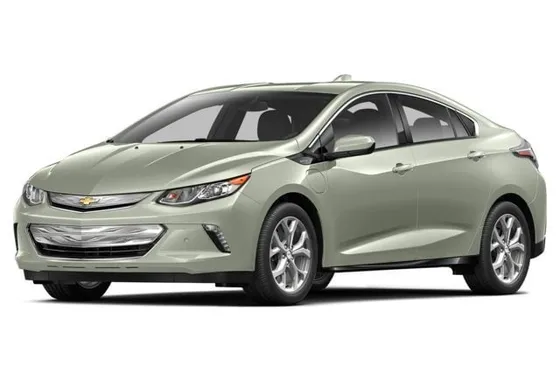
The Chevrolet Volt has long been recognized for its blend of electric driving and convenient range, making it a strong option for buyers seeking an affordable plug-in hybrid. If you’re in the market for a Volt, you’re probably weighing generations, battery condition, fuel economy, and overall ownership costs. This guide focuses on practical steps to help you choose, compare, and decide whether to buy or sell a Volt in real-world markets.
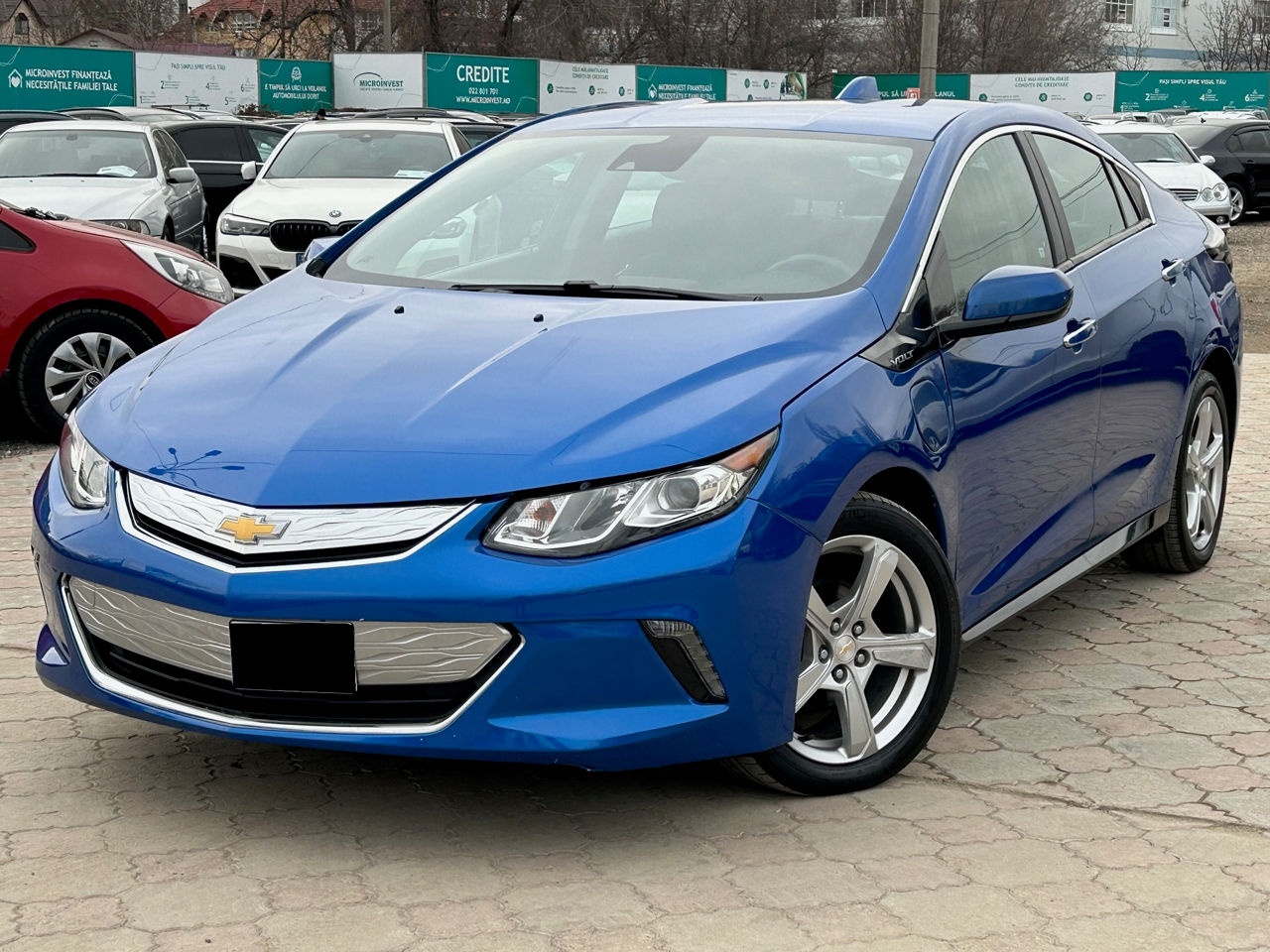
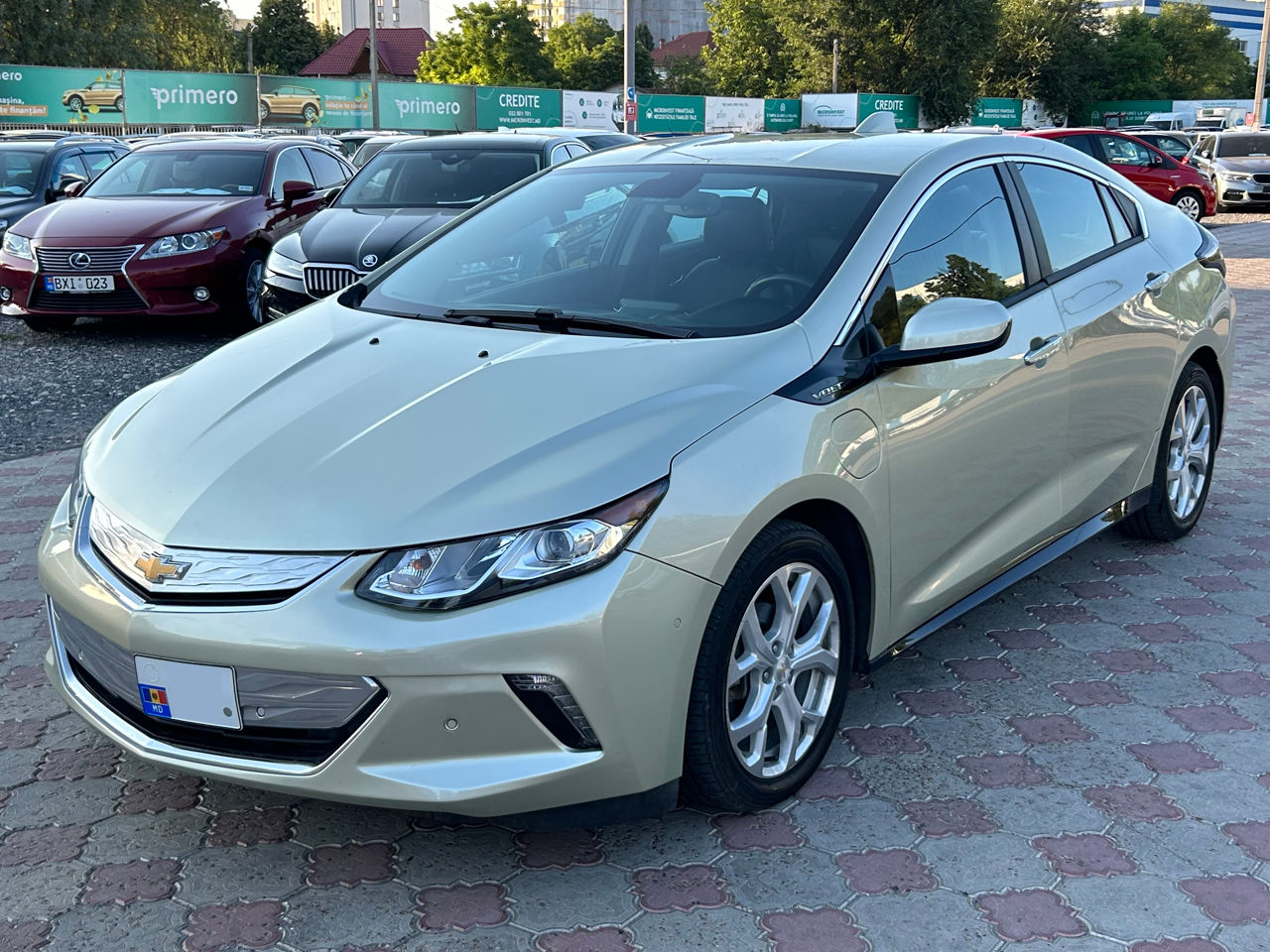
The Volt debuted as a compact car with a unique plug-in hybrid system. Over its generations, buyers typically consider two main configurations: early second-generation models and later versions, each with different battery capacities and range estimates. Most Volt models used a sedan body style with five passenger seats, which remains common in used-market listings. When evaluating a Volt, note the year and generation, as these influence range, charging performance, and maintenance needs. Buyers often ask about acceleration, interior comfort, cargo space, and ride quality in city traffic.
Common questions:
In the used market, several elements dominate the decision:
Tips for a confident purchase:
If you’re selling a Volt, highlight battery health, remaining warranty (if any), and recent maintenance. Transparent history builds trust with buyers. A well-documented service record, up-to-date recalls, and clear mileage information can help you achieve a better sale price. Consider pricing your Volt competitively by comparing local listings with similar year, mileage, and condition. If you’re trading in at a dealership, be prepared to negotiate on trade-in value by presenting maintenance receipts and a clean ownership record.
City markets often emphasize efficiency, reliability, and low operating costs. For the Volt, look for listings in your country and city that provide full details on year, mileage, and condition. When evaluating prices, consider how the model’s fuel savings stack up against its purchase price in your region. A Volt with a clean history and verified battery health tends to present the best value, whether you’re buying for daily commuting or occasional longer trips.
 Add as preferred sourceSee more from zvelta in Google Search Add as preferred source