
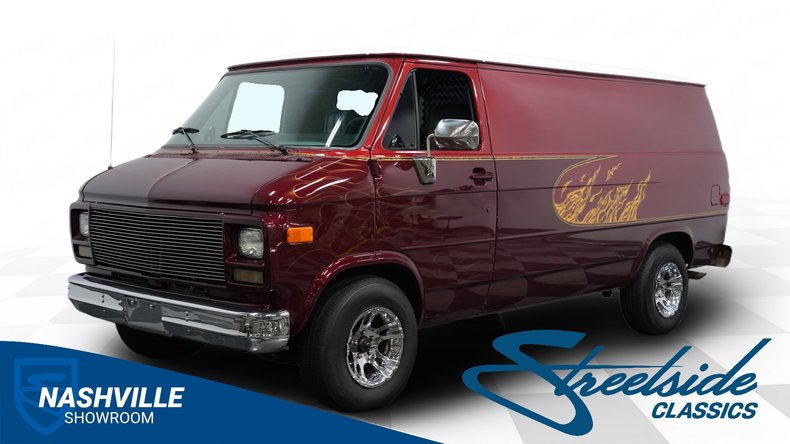
When you’re in the market for a Chevrolet Van, you’re probably weighing practical needs against budget and long-term reliability. Whether you’re outfitting a cargo operation, transporting passengers, or simply upgrading a fleet, understanding model generations, engine options, and body types helps you make a smarter choice. In this guide we cover what to look for in a Chevrolet Van, how to compare prices across cities, and practical steps to buy or sell with confidence.
What to know about the Chevrolet Van family
Chevrolet offers several van configurations over the years, with different generations and trims that affect cargo space, passenger capacity, and fuel efficiency. Common considerations include:
- Model and generation: newer generations may bring improved safety features and modern interiors, while older generations can offer lower upfront costs.
- Body type: cargo vans emphasize payload and utility, while passenger vans prioritize seating comfort and access.
- Engine and fuel: gasoline and diesel options, plus potential turbocharged variants, influence running costs and maintenance.
- Mileage and age: higher mileage can lower price but may also reflect useful service life if well maintained.
- Country and market variants: local availability and compliance impact warranty terms and resale value.
How to compare prices and choose the right van
To find the best deal, consider both asking prices and total cost of ownership. Think about:
- Year and mileage: a younger model with moderate mileage usually offers better reliability; a very old van may require more maintenance.
- Condition and maintenance history: look for regular service, documented inspections, and any signs of heavy use.
- Price segment: budget, mid-range, or premium listings indicate different levels of equipment and trim.
- Fuel type and efficiency: diesel variants may offer stronger torque for loads, while gasoline engines can be cheaper to service in some markets.
- Fleet compatibility: some buyers need standardized configurations for work crews or delivery routes.
Buying tips: what to check before you buy
- Inspect the engine bay, transmission, and undercarriage for leaks, oil quality, and unusual wear.
- Review the van’s payload rating and seating arrangement to ensure it matches your planned use.
- Verify maintenance records, tire condition, and brake health.
- Test-drive to assess steering, suspension, and braking performance, especially under load.
- Confirm compatibility with local regulations, insurance requirements, and any warranty terms.
Selling tips: maximizing value and selling faster
- Prepare the service history and any recent updates or replacements to reassure buyers.
- Clean the interior and address obvious cosmetic issues to boost curb appeal.
- Gather maintenance receipts and provide a clear ownership timeline.
- Set a competitive price by comparing similar Chevrolet Van models by year, mileage, and location.
- Be ready to discuss common questions about fuel economy, residual value, and common repairs.
Whether you are in a city with a busy commercial sector or a rural area with logistics needs, a Chevrolet Van can offer a reliable workhorse for transporting goods or people. Use clear condition notes, honest history, and precise specifications when listing a van for sale, or when evaluating options for purchase, to ensure a fair deal for both sides.
