 EN
ENDEALER
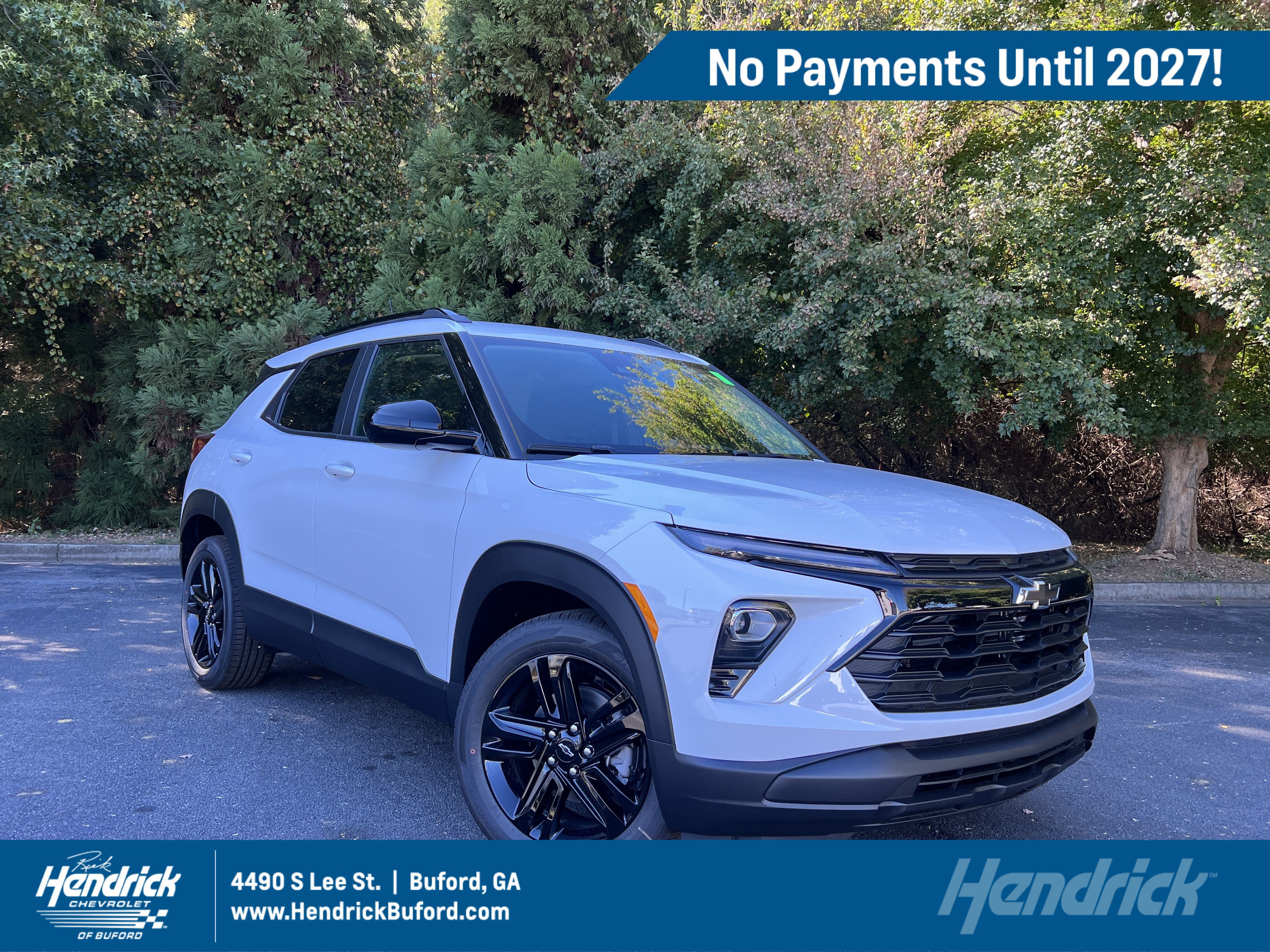
28.712 US$DEALER
29.578 US$
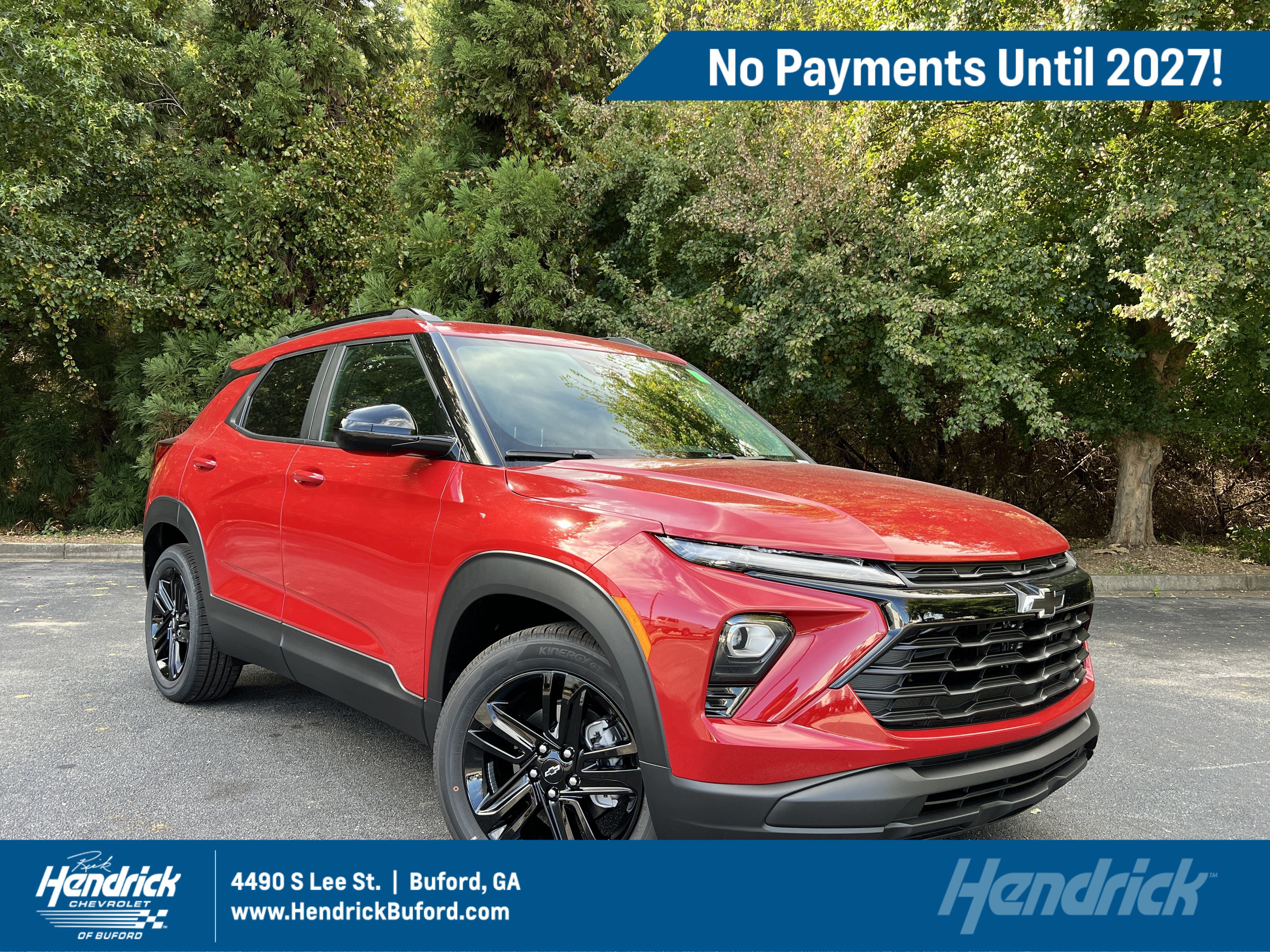
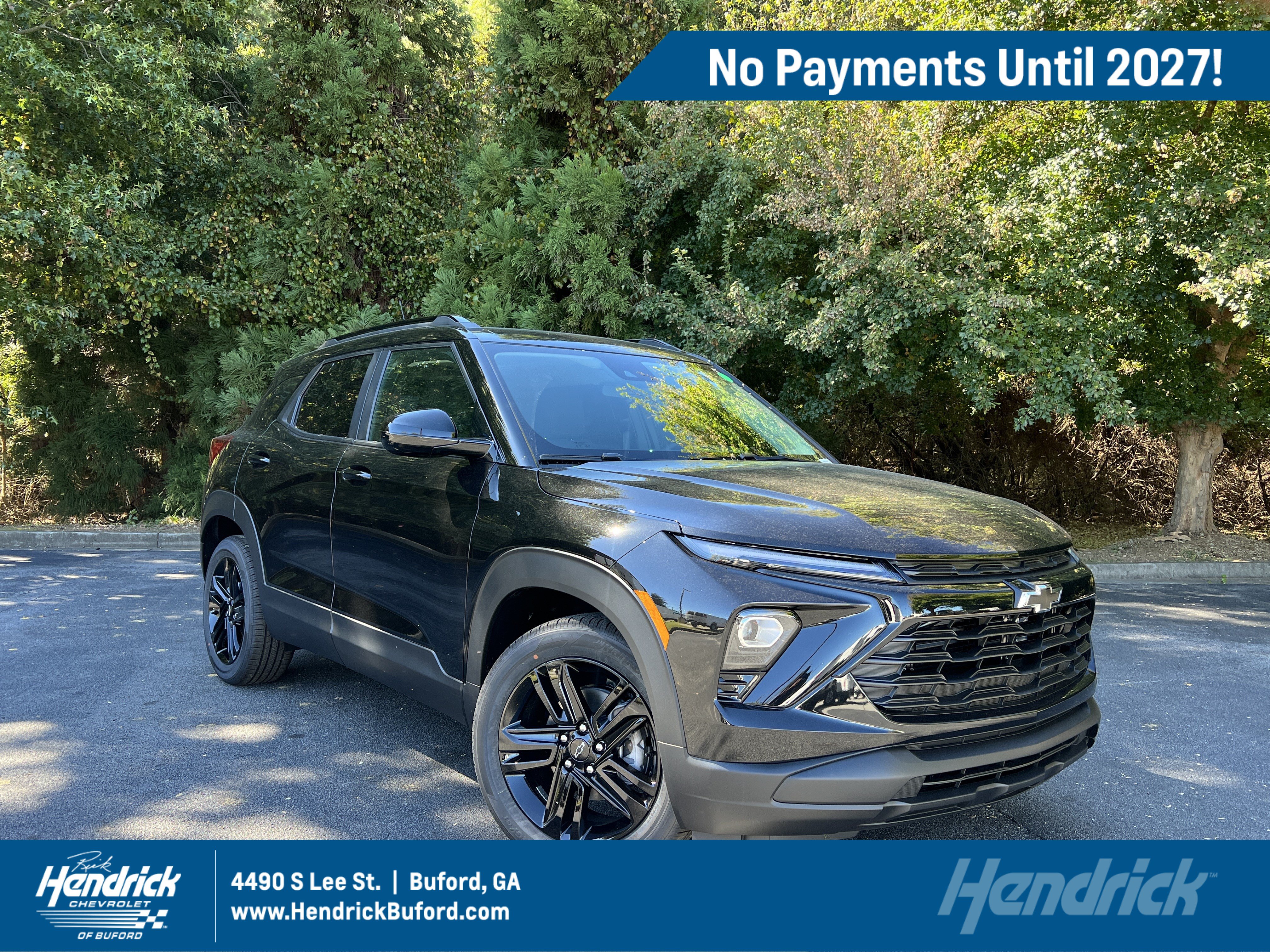
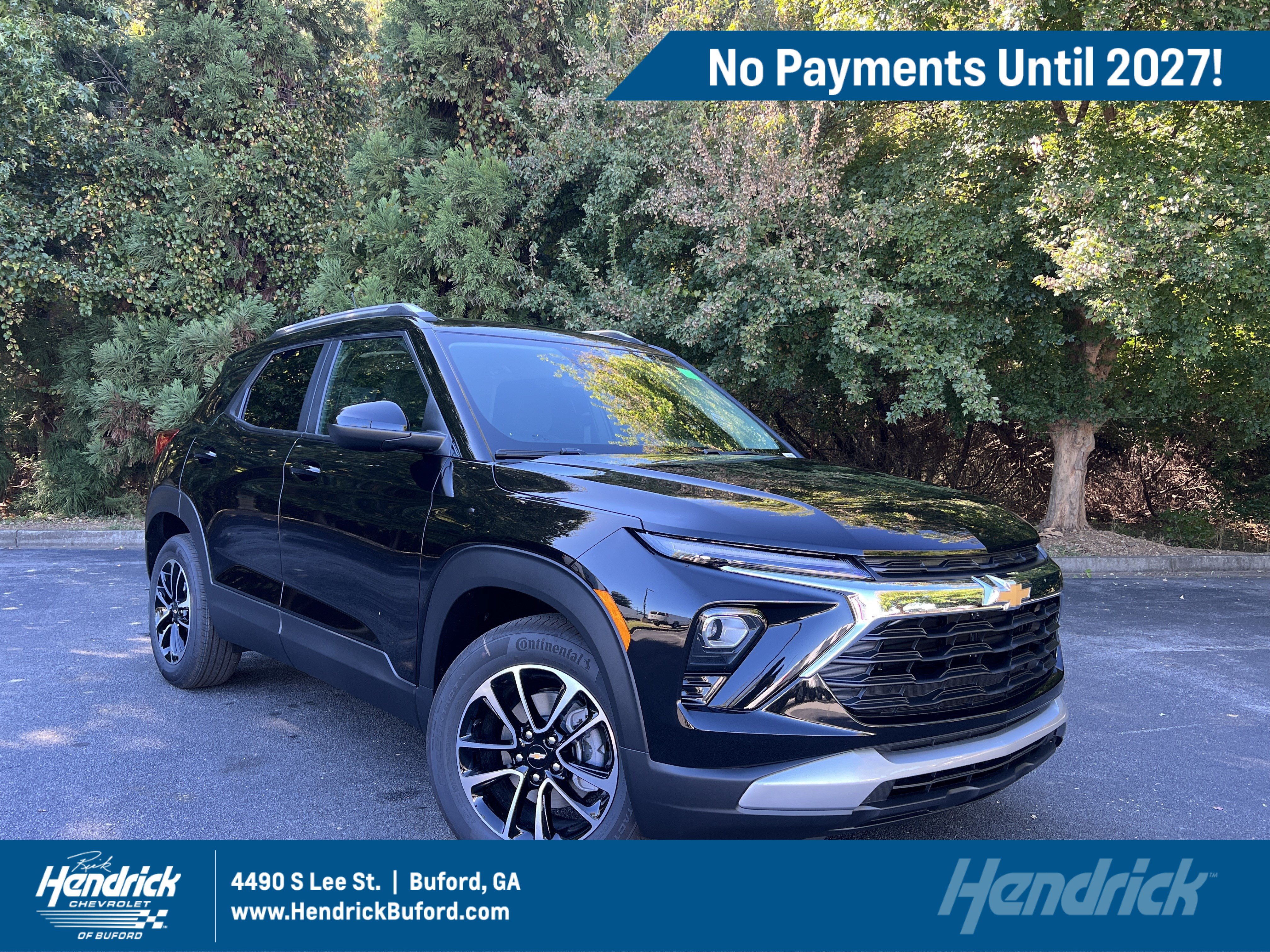
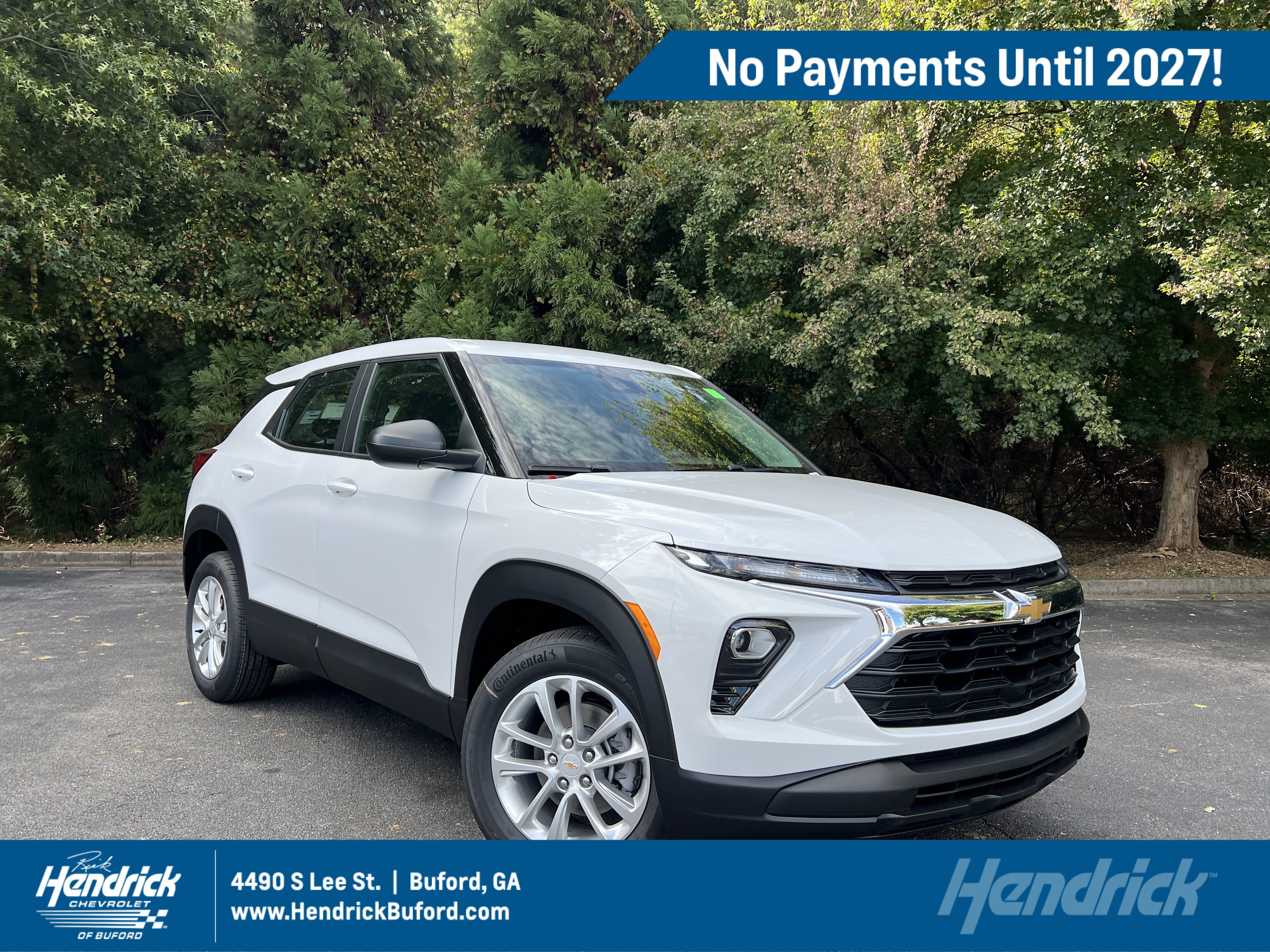
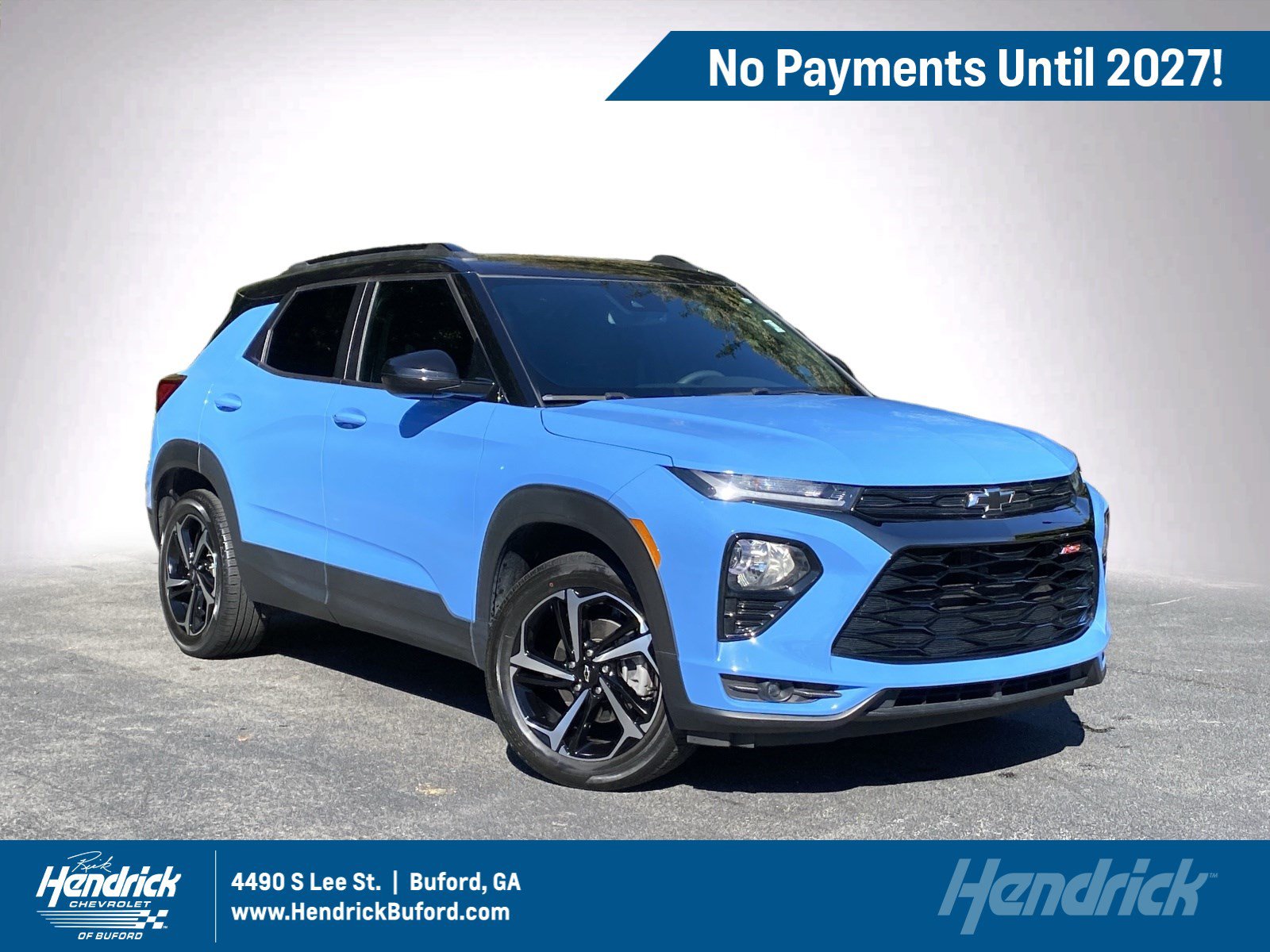
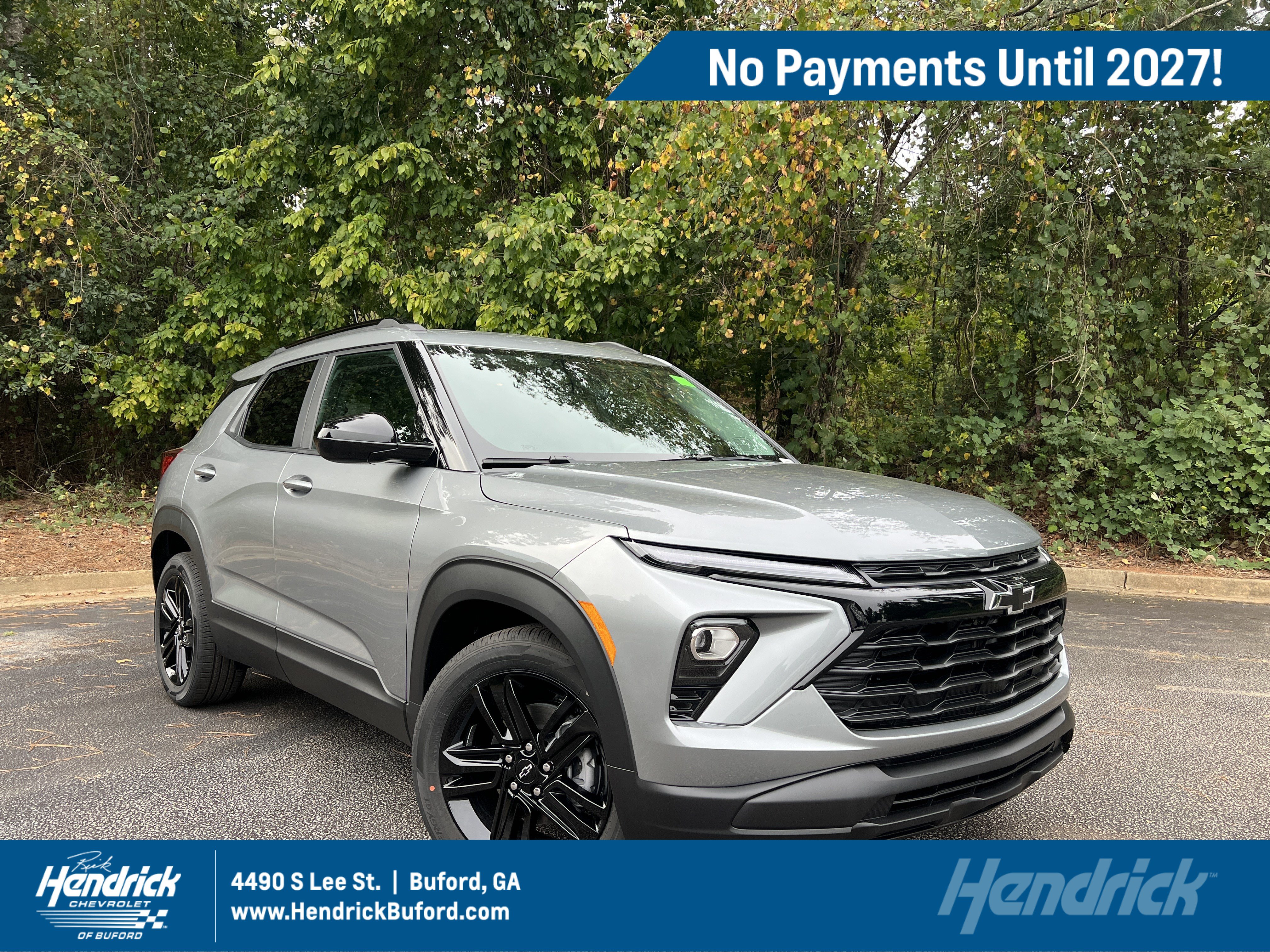
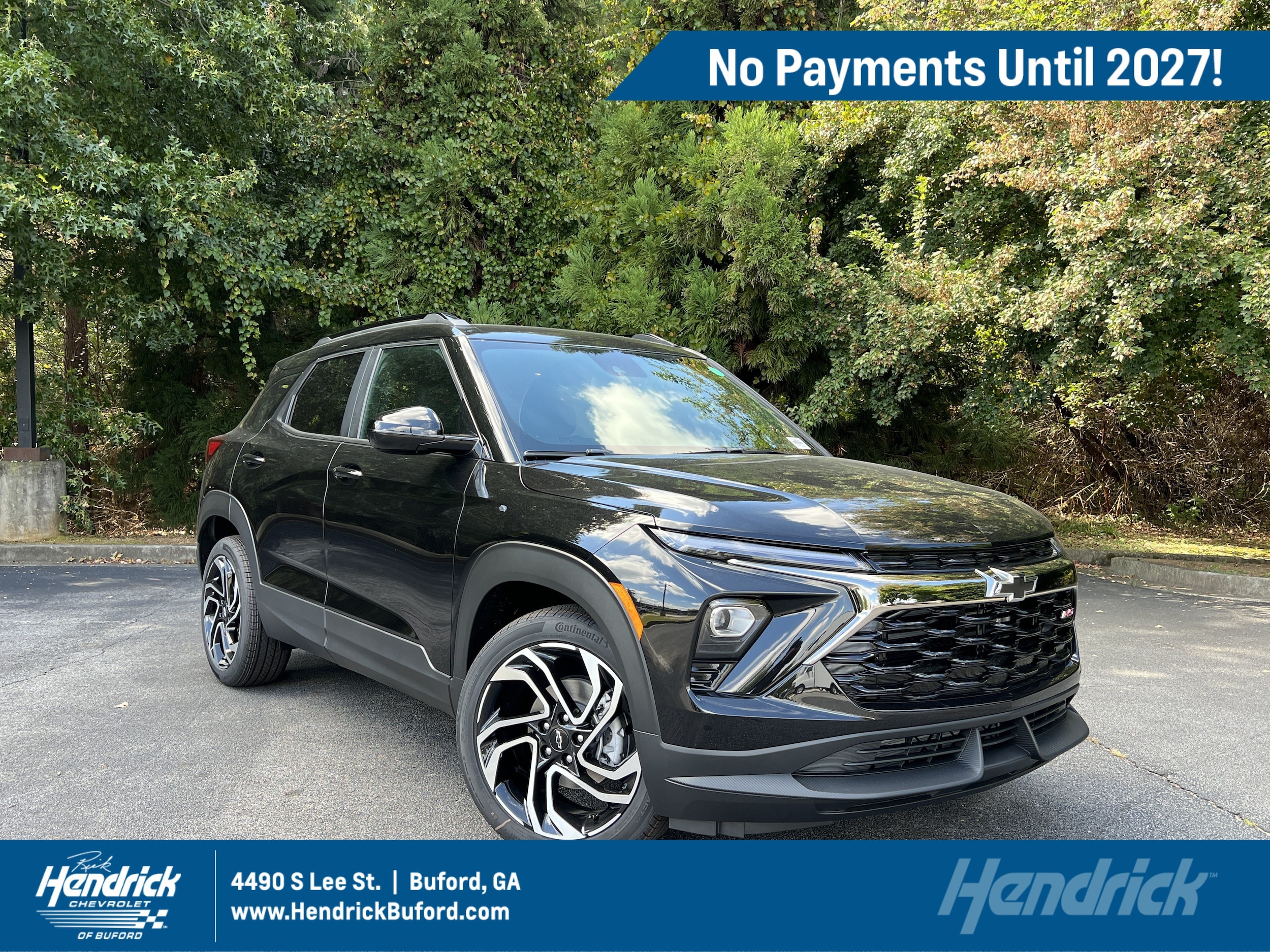
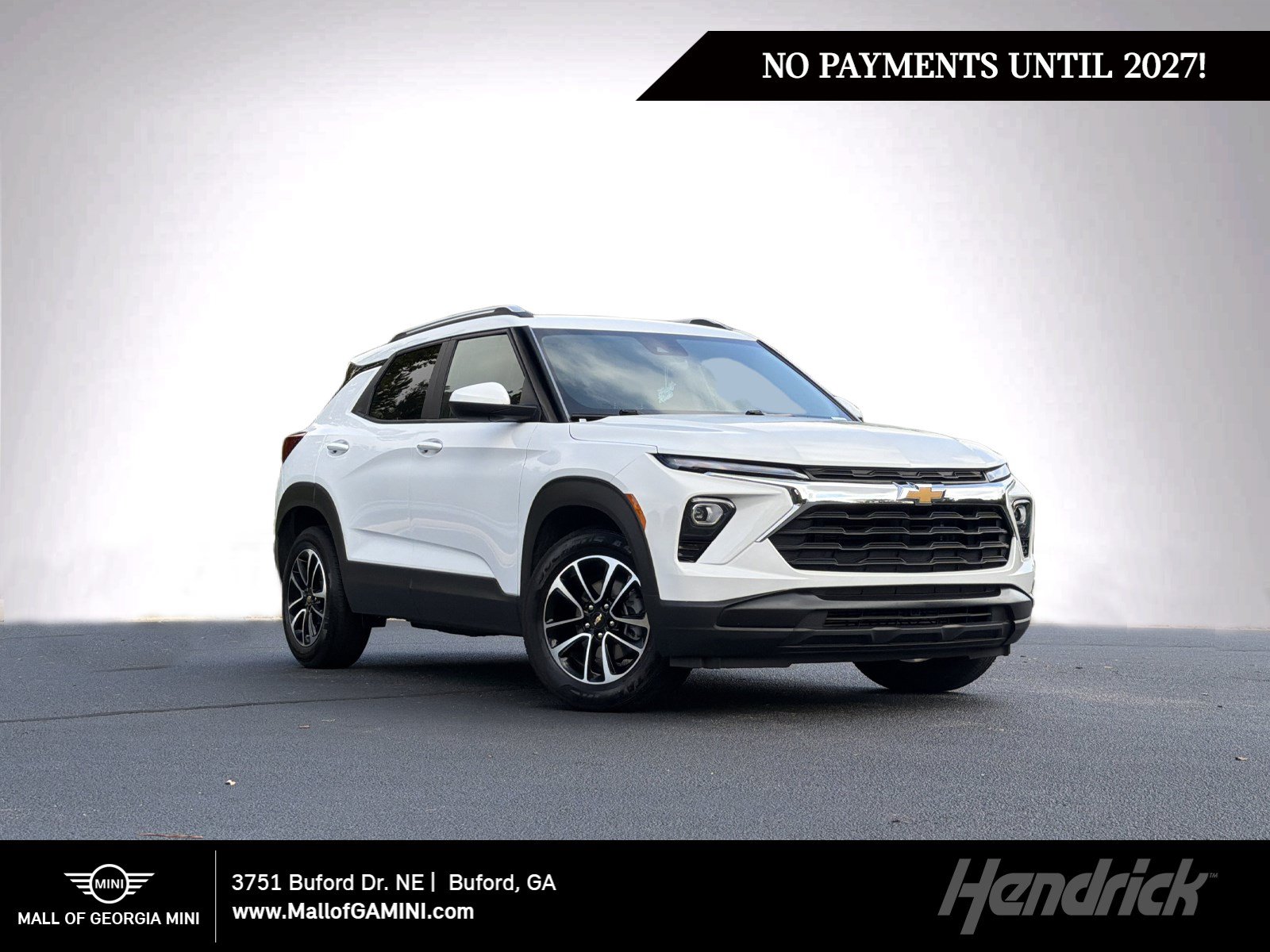
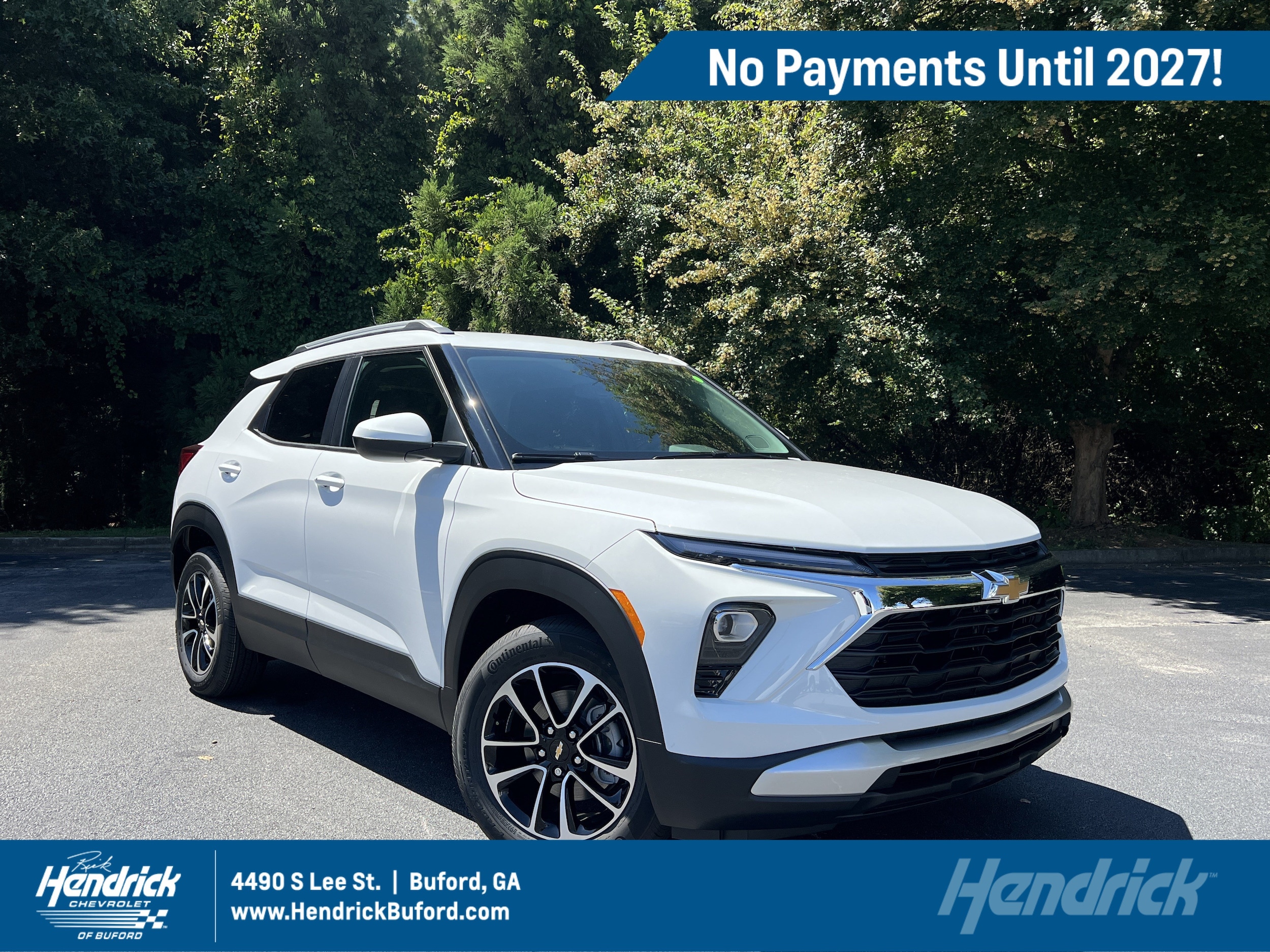
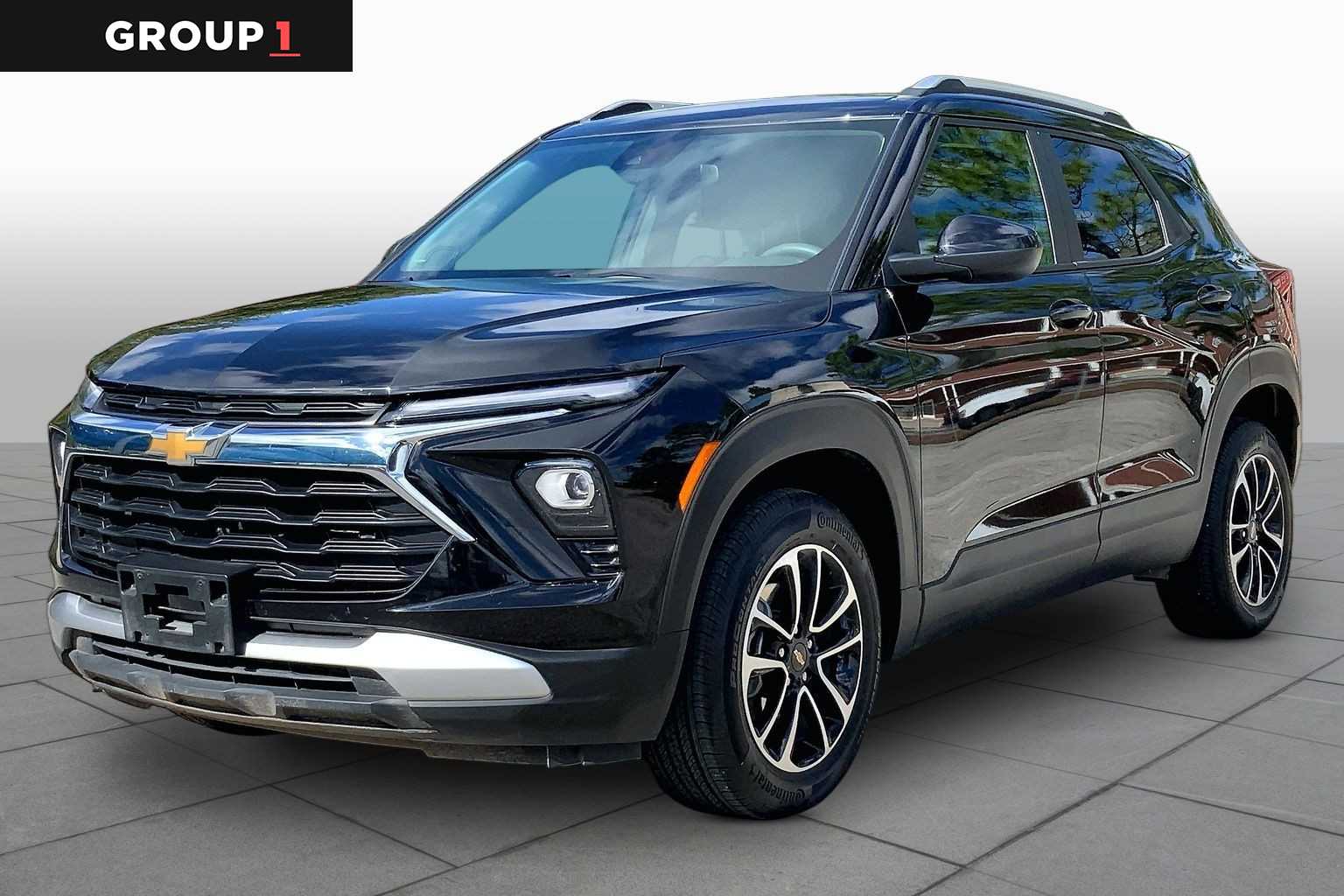
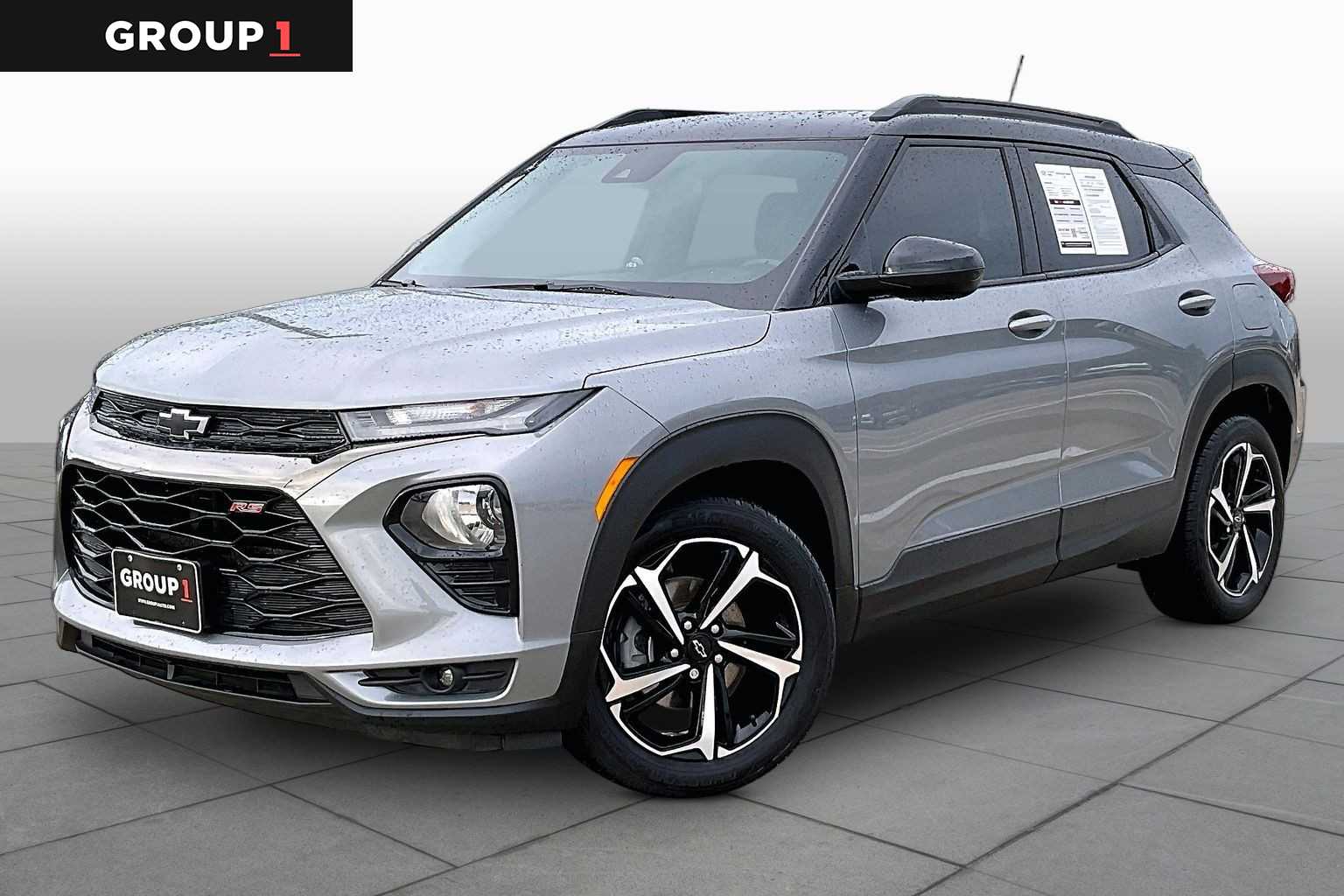
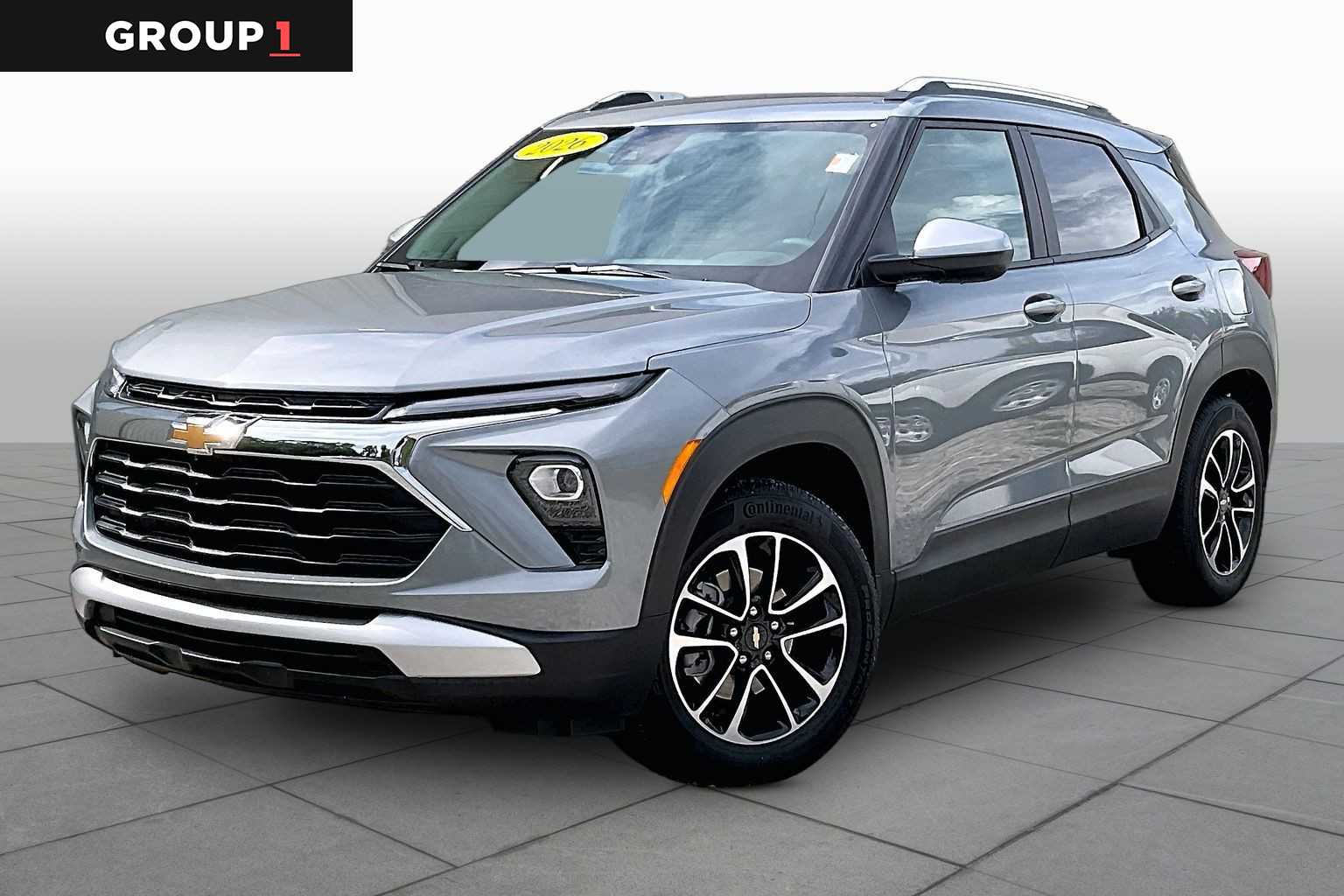
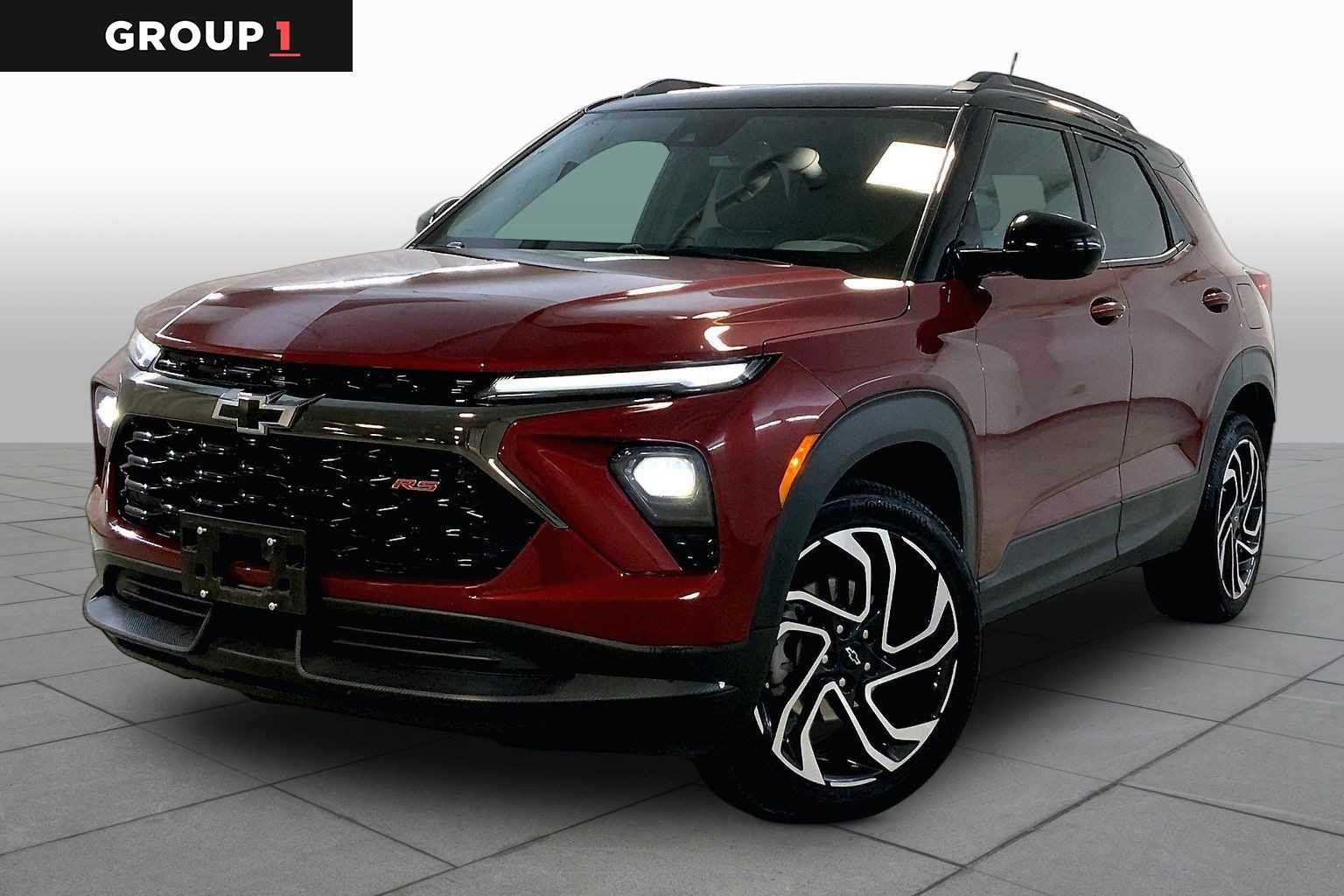
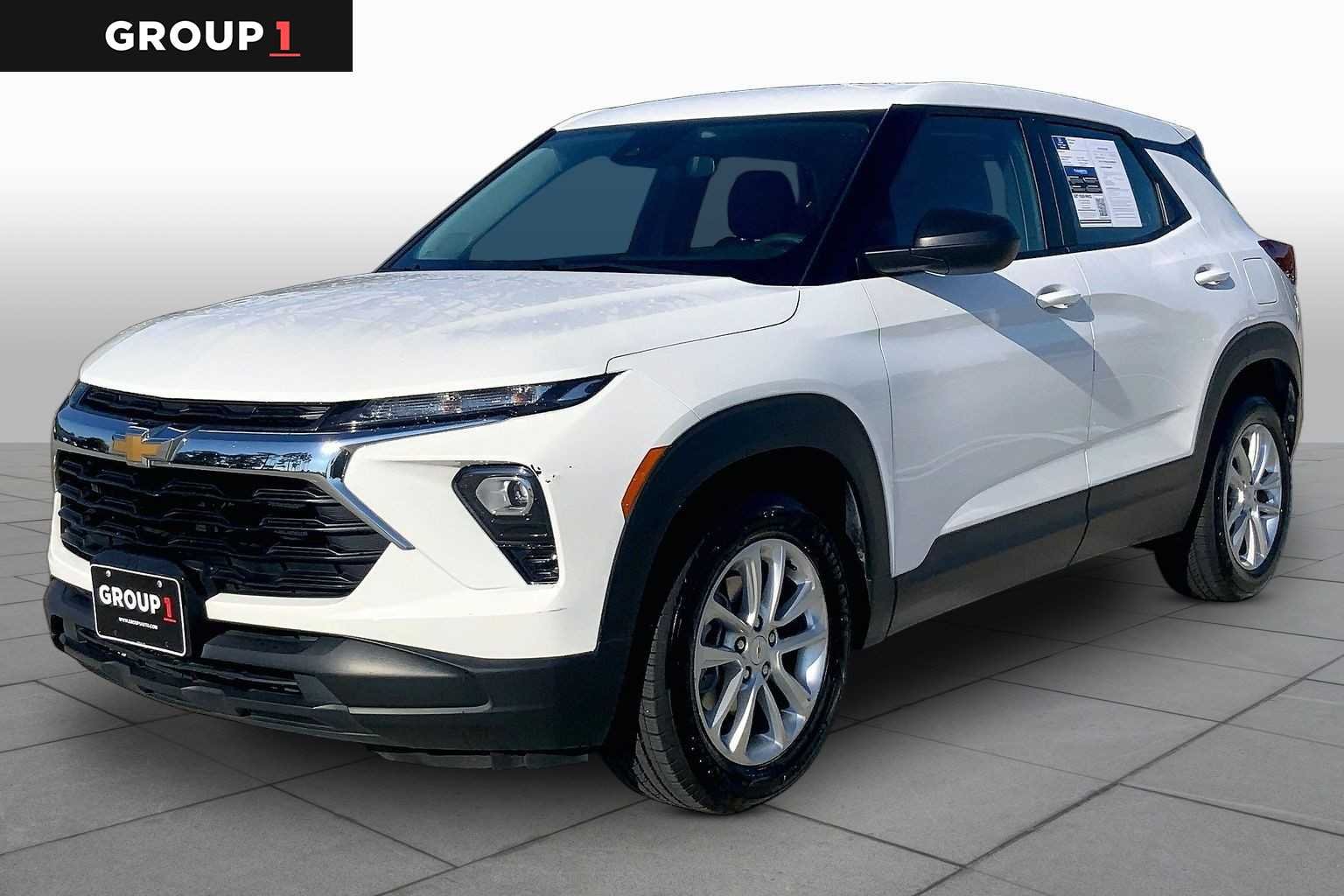
gasoline, automatic, 16 km, SUV, Front Wheels Drive, 1,300 cm3, 155 hp, white, New condition, South Korea, In stock

HendrickCars.com
 Buford, United States
 Buford, United StatesBuford, United StatesBuford, United StatesBuford, United StatesBuford, United StatesBuford, United StatesBuford, United StatesBuford, United StatesBuford, United StatesBuford, United StatesBuford, United States
 Rock Hill, United StatesHickory, United StatesSouthwest, United States
 Mishawaka, United States
 Chevrolet, United StatesChevrolet, United StatesChevrolet, United StatesChevrolet, United StatesMain Settlement, United StatesKingwood, United StatesColumbia, United StatesColumbia, United StatesColumbia, United StatesColumbia, United States
The Chevrolet TrailBlazer stands out as a versatile SUV that suits families, daily commuting, and weekend adventures. If you’re in the market to buy or sell a TrailBlazer, you’ll want to understand how different generations, engines, and body configurations affect price, reliability, and practicality. This guide walks you through what to look for when shopping in your city or country, how to compare trims, and what questions to ask sellers or dealers.
The TrailBlazer has been offered in multiple generations, with variations in engine options, fuel type, and body style. Common considerations include:
To make an informed decision, consider the following elements:
If you’re deciding between trims and generations, start by listing your priorities—reliability, cargo space, or tech features—and then compare the TrailBlazer configurations that match those goals. Whether you’re browsing in a major city or a smaller market, understanding the main variables will help you choose a Chevrolet TrailBlazer that meets your needs and budget.
 Add as preferred sourceSee more from zvelta in Google Search Add as preferred source