 EN
ENDEALER
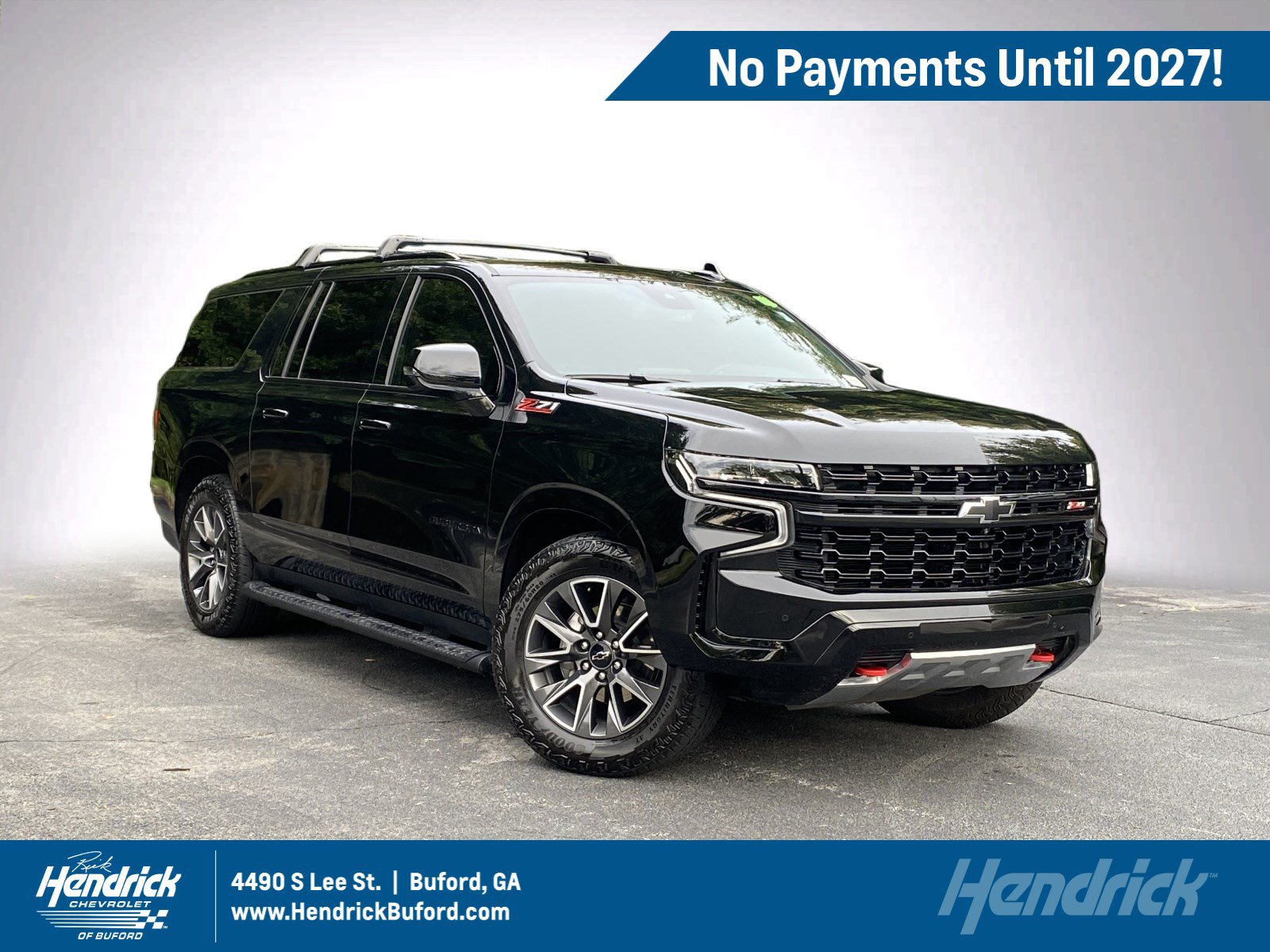
59.356 US$DEALER
60.944 US$
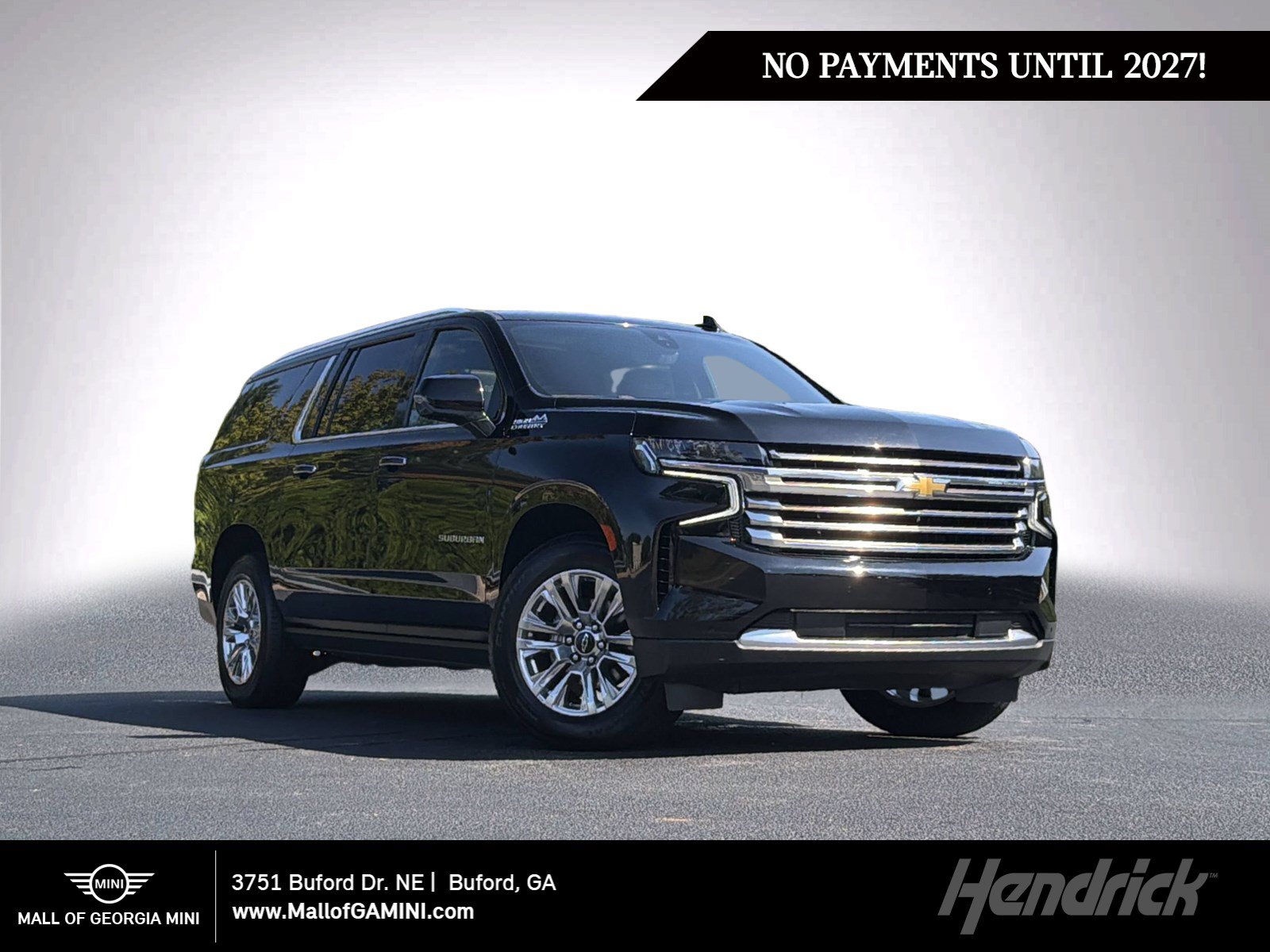
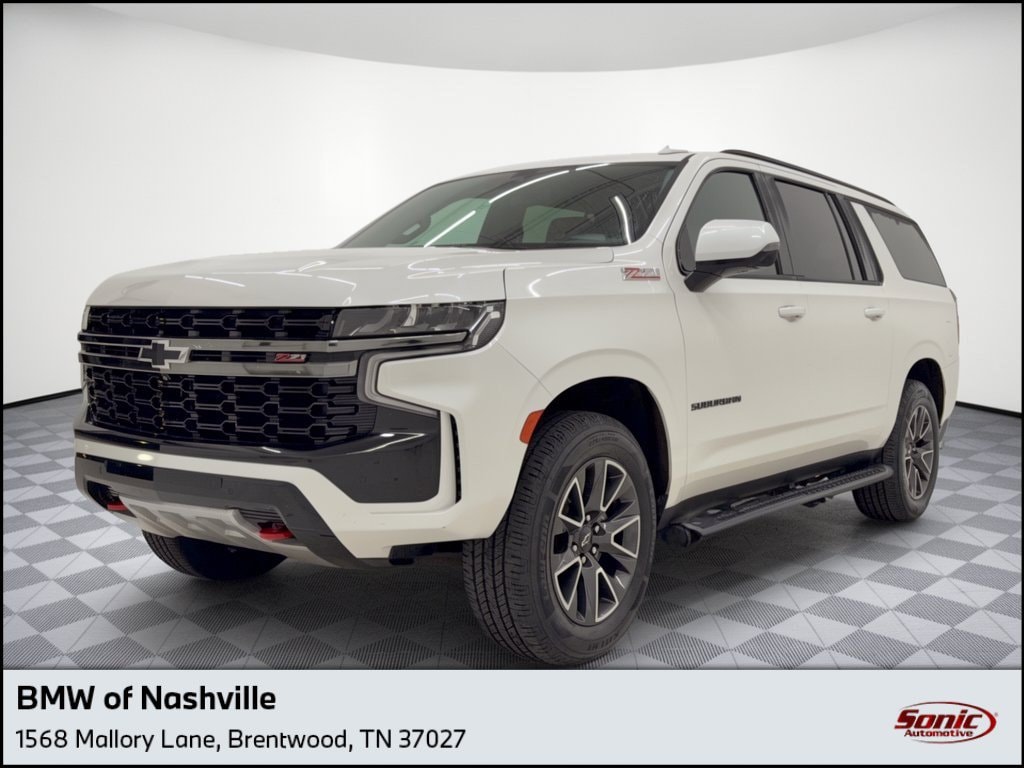
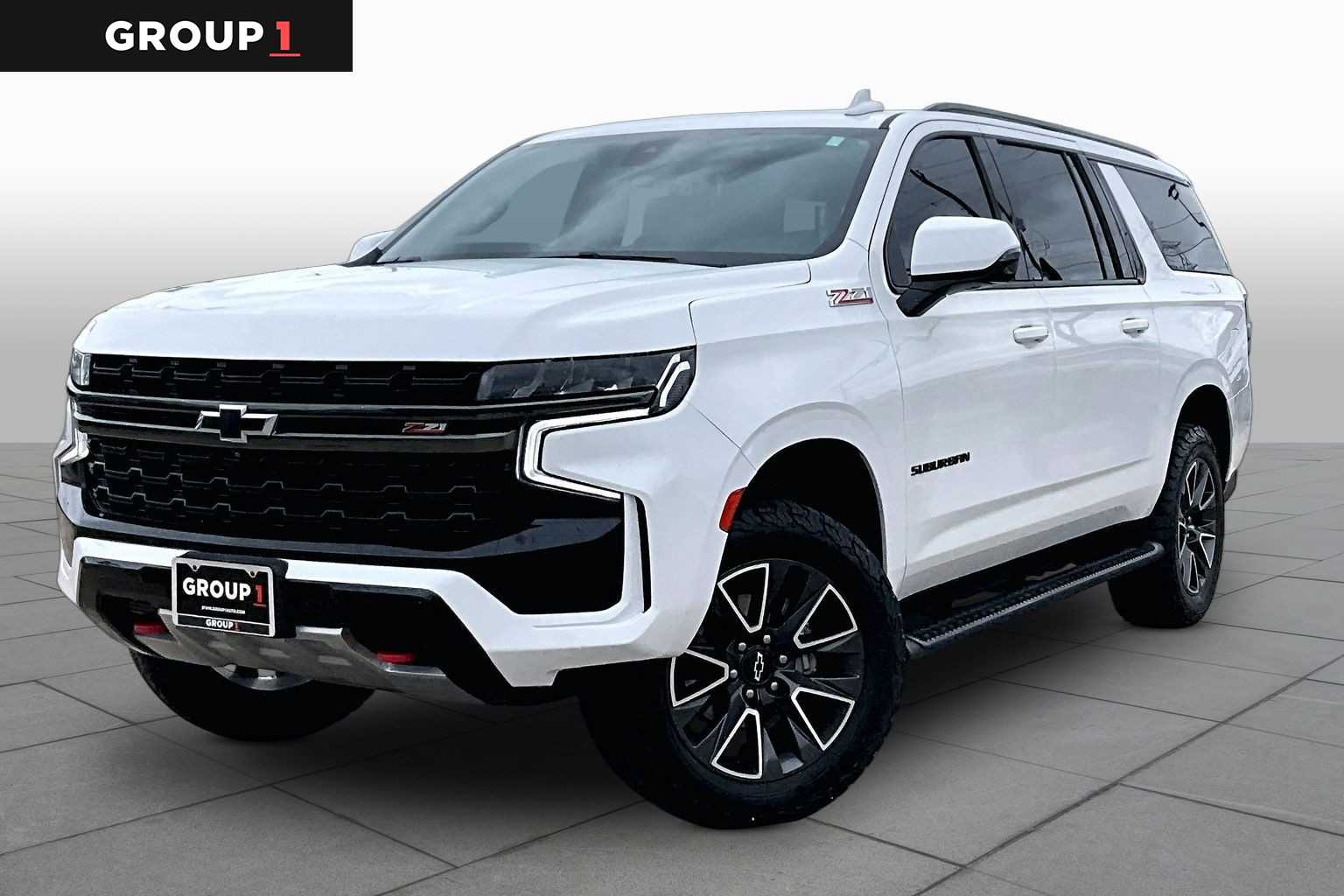
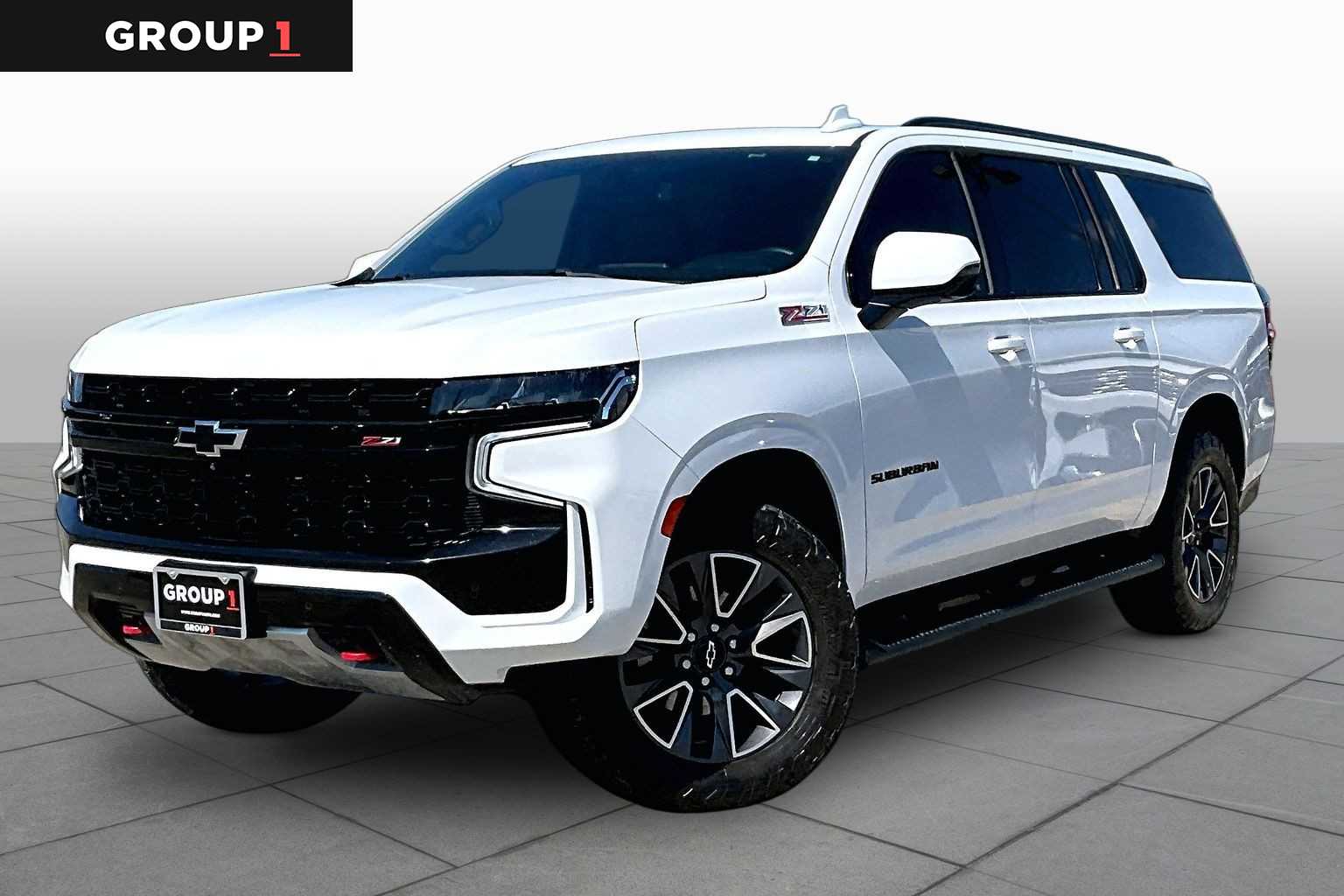
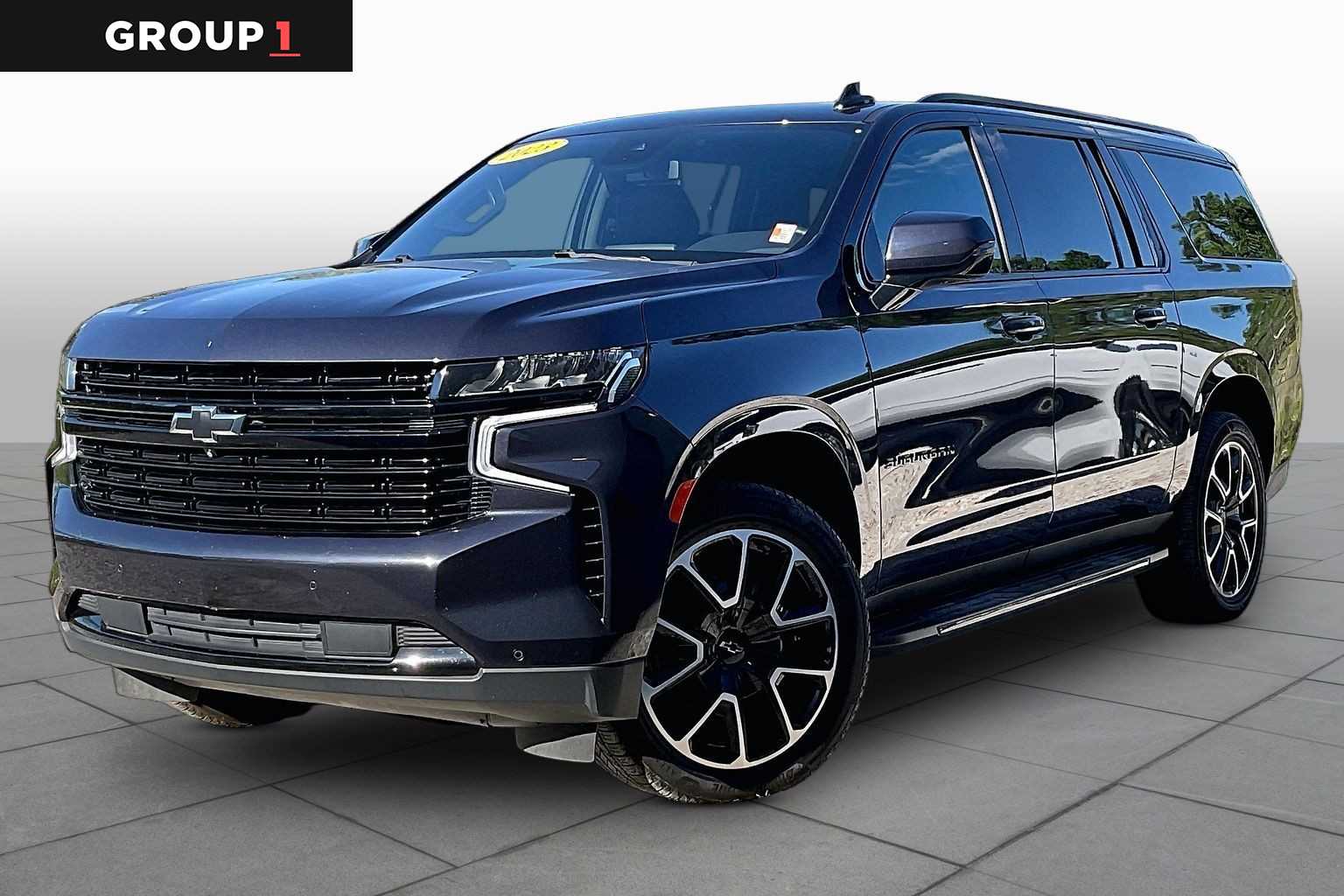
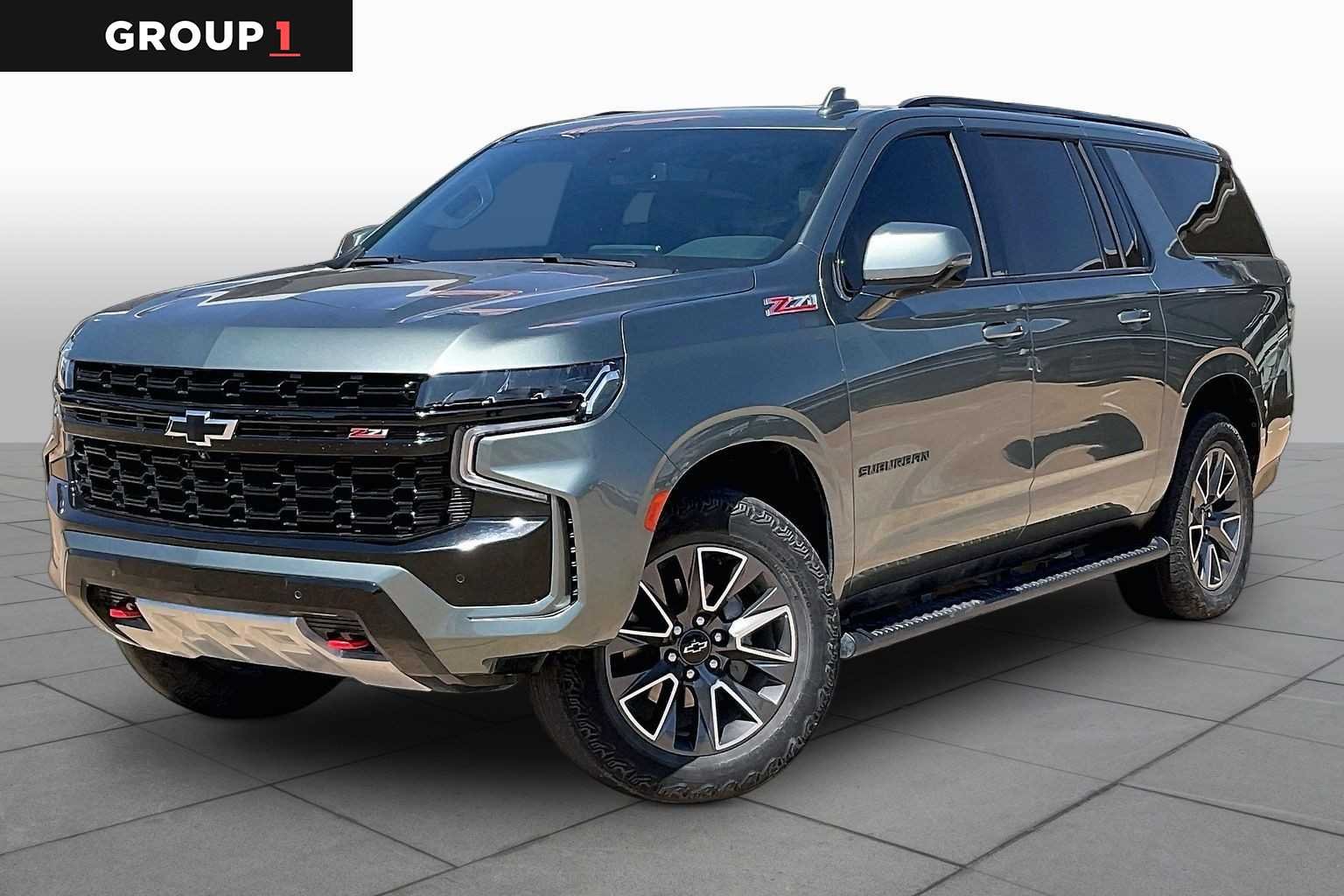
gasoline, automatic, 50K km, SUV, All Wheels Drive, 5,300 cm3, black, Z71, Used condition, USA, In stock

HendrickCars.com
 Buford, United States
 Buford, United StatesBuford, United StatesBrentwood, United States
 Southwest, United StatesSouthwest, United StatesSouthwest, United StatesMishawaka, United States
 Chevrolet, United States
 Chevrolet, United StatesChevrolet, United States
 Chevrolet, United States
 Chevrolet, United StatesChevrolet, United StatesChevrolet, United StatesChevrolet, United StatesChevrolet, United StatesChevrolet, United StatesChevrolet, United StatesChevrolet, United StatesChevrolet, United StatesChevrolet, United StatesChevrolet, United StatesLot, United States
 Austin, United StatesMain Settlement, United States
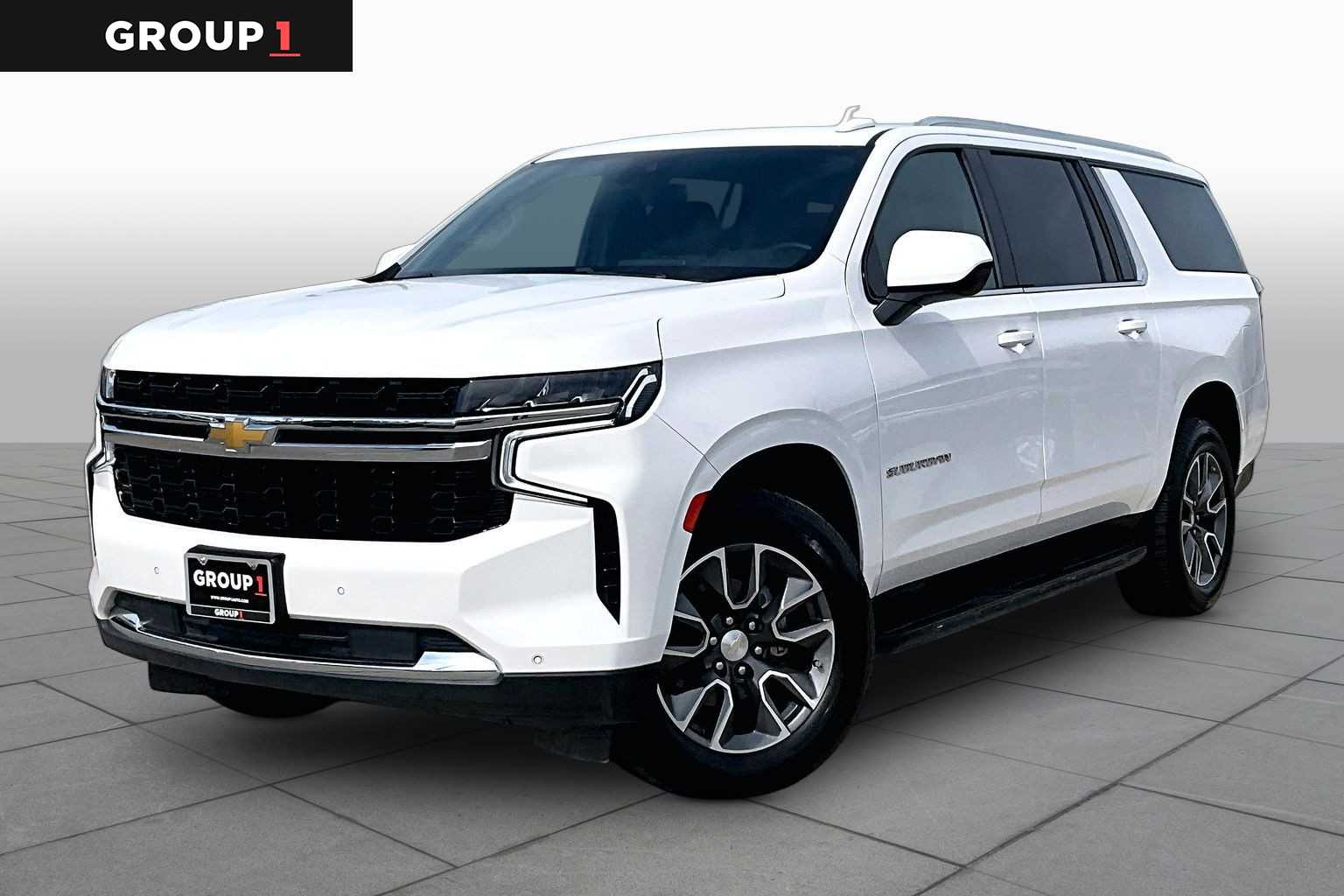
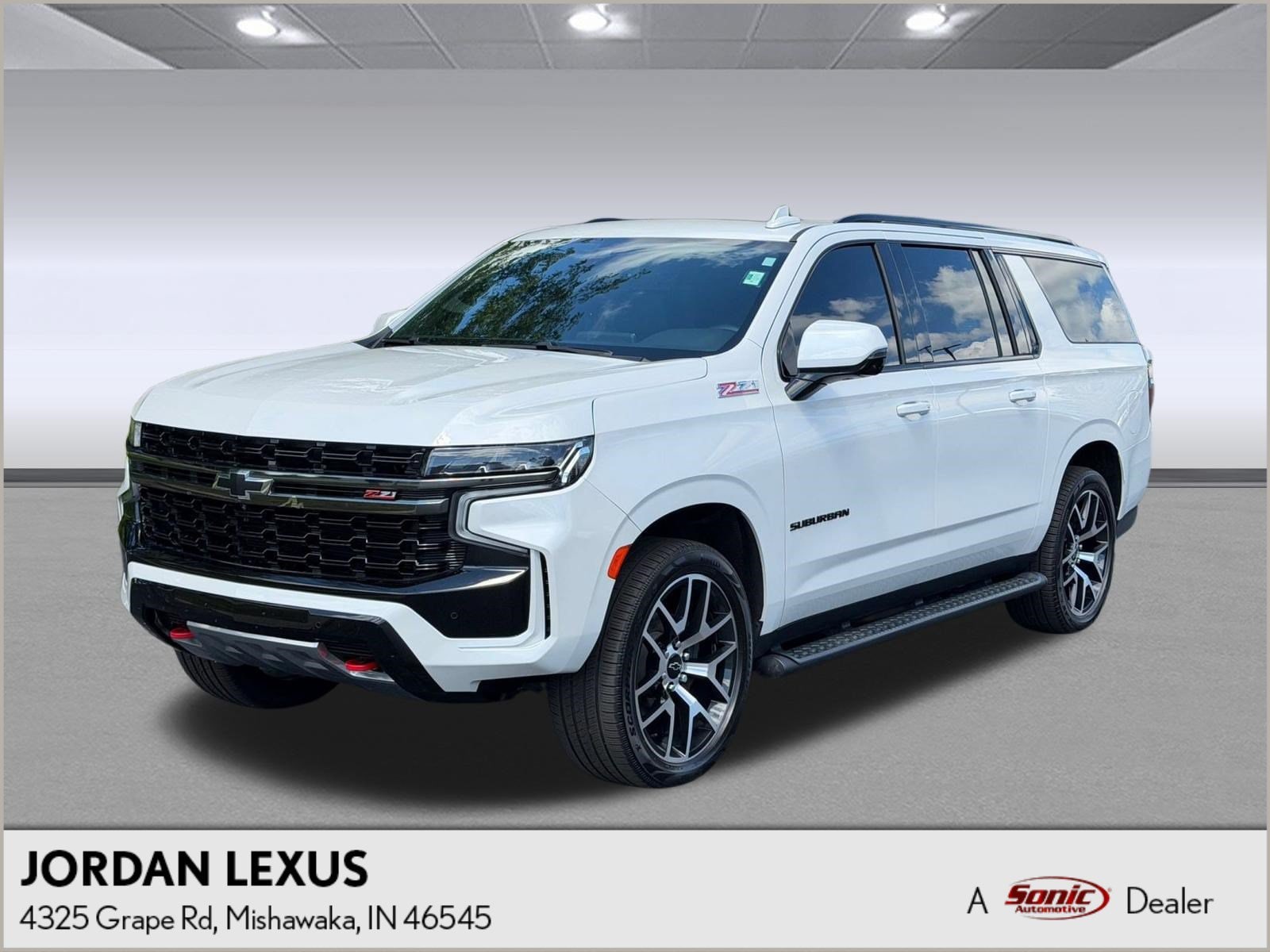
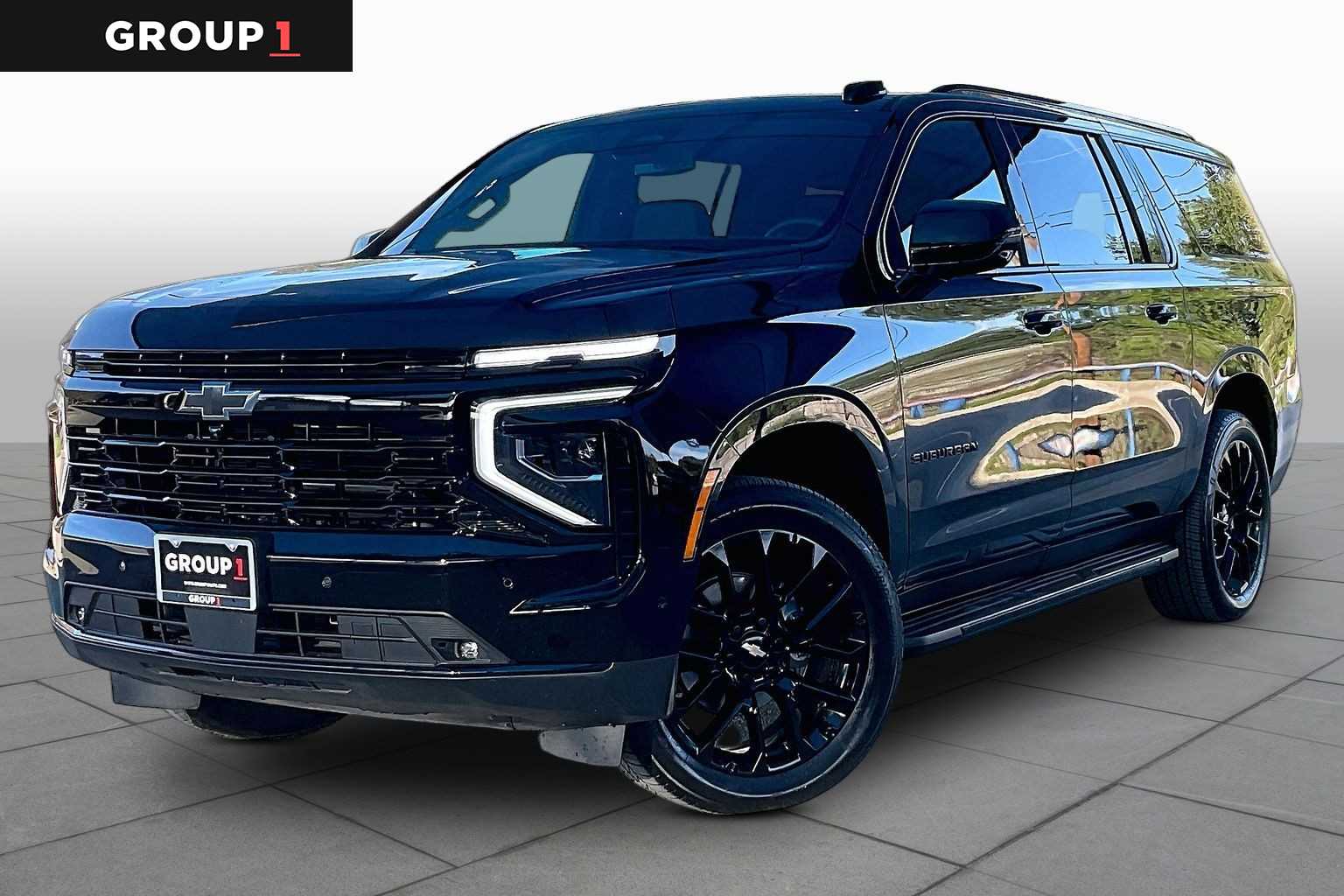
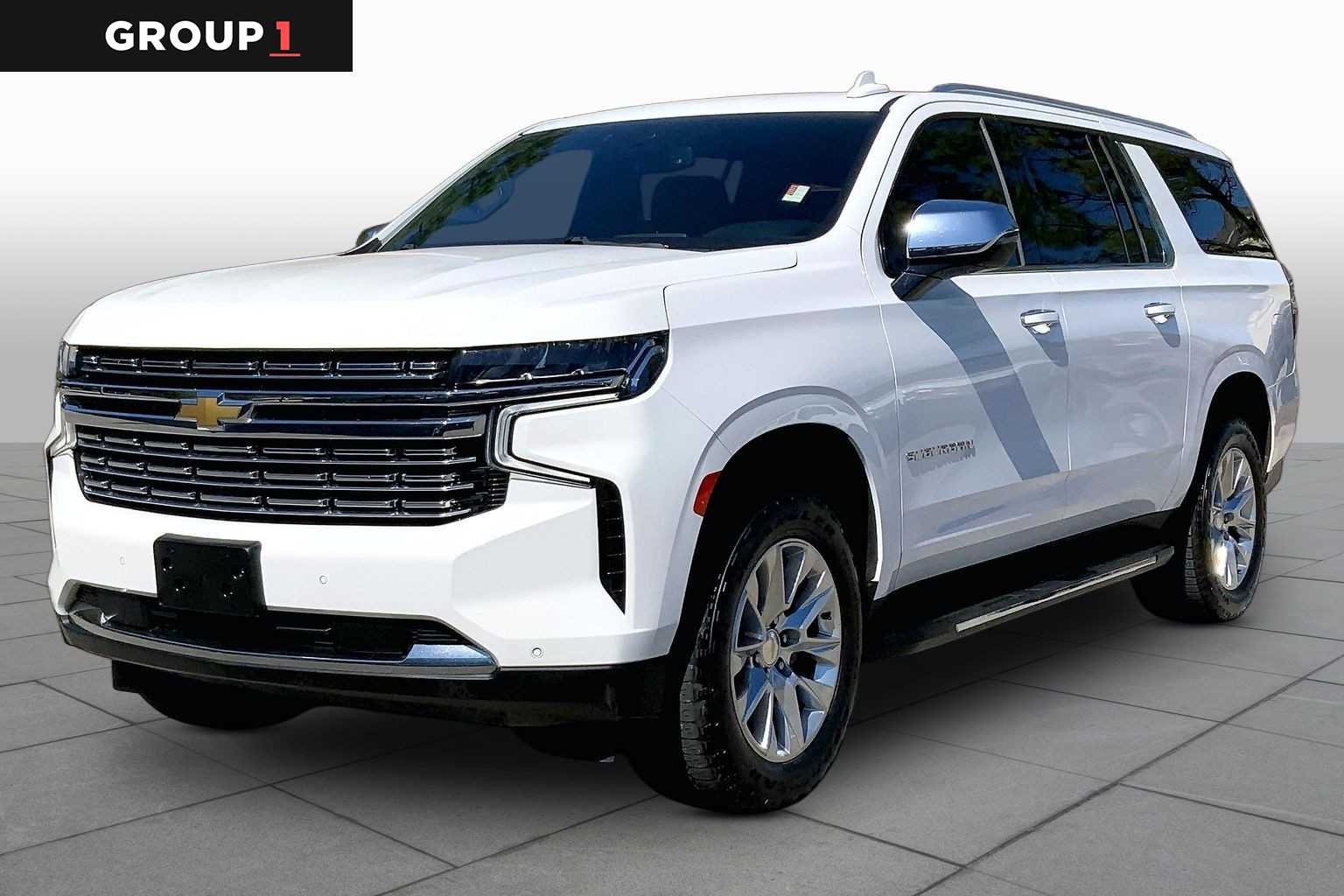
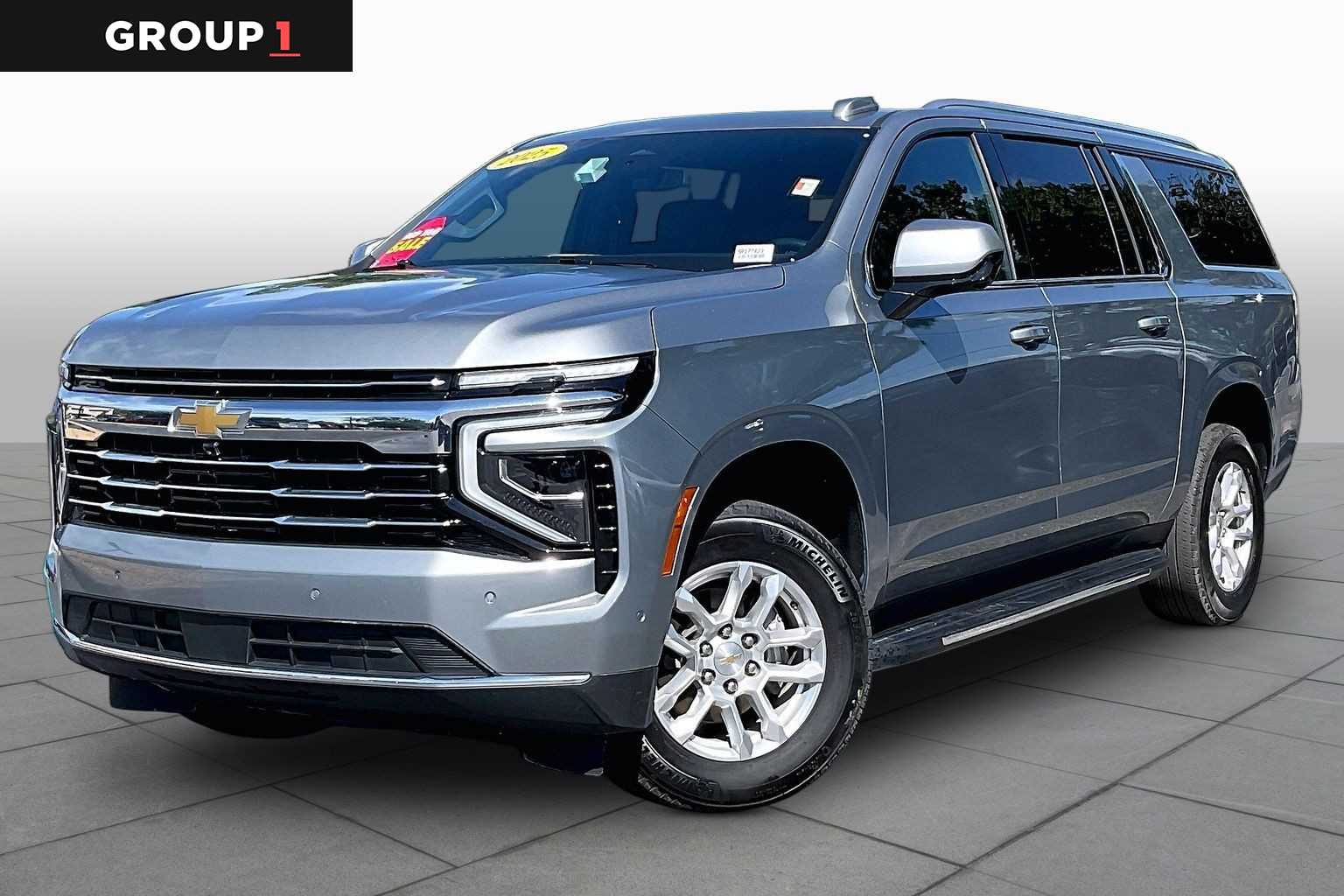
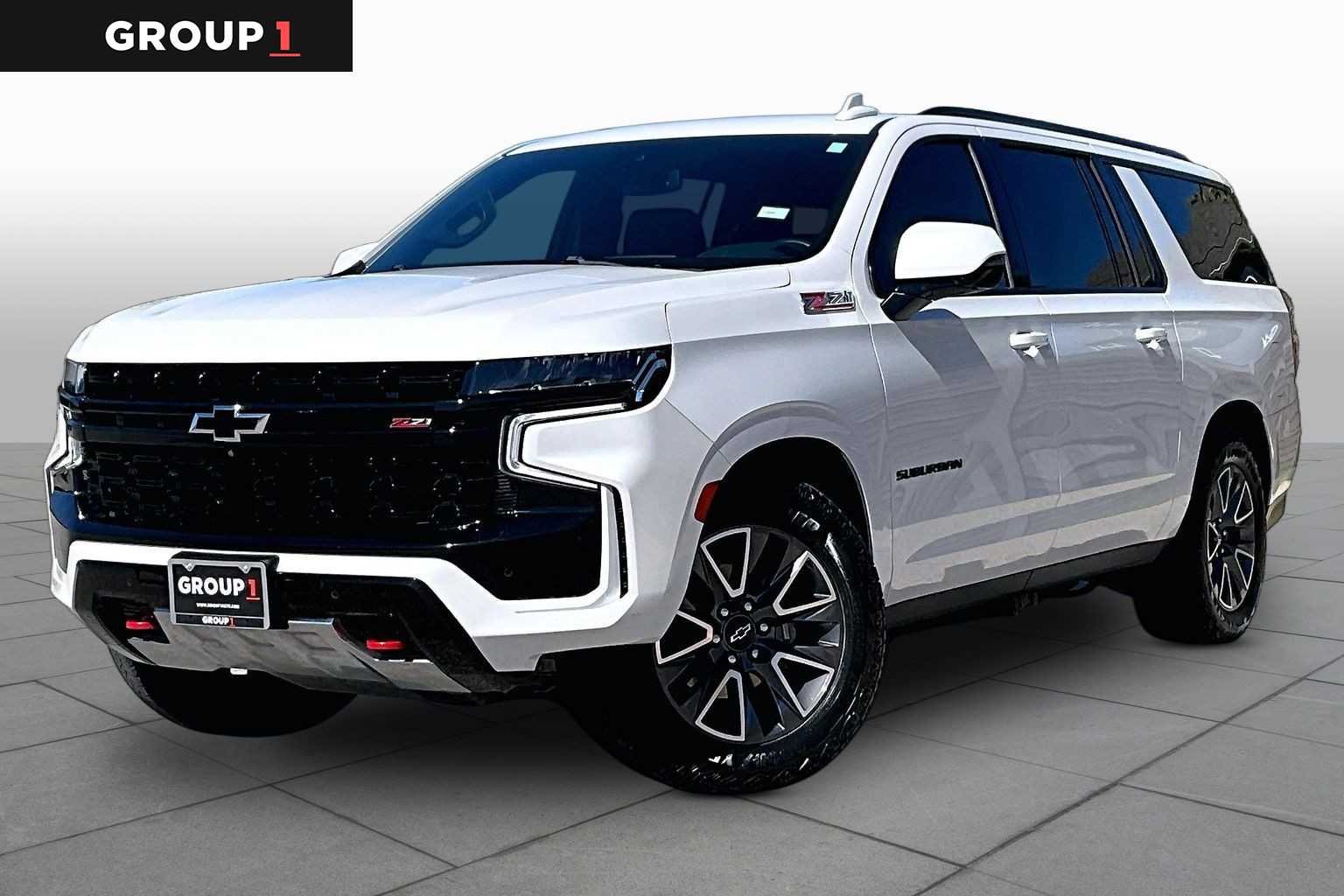
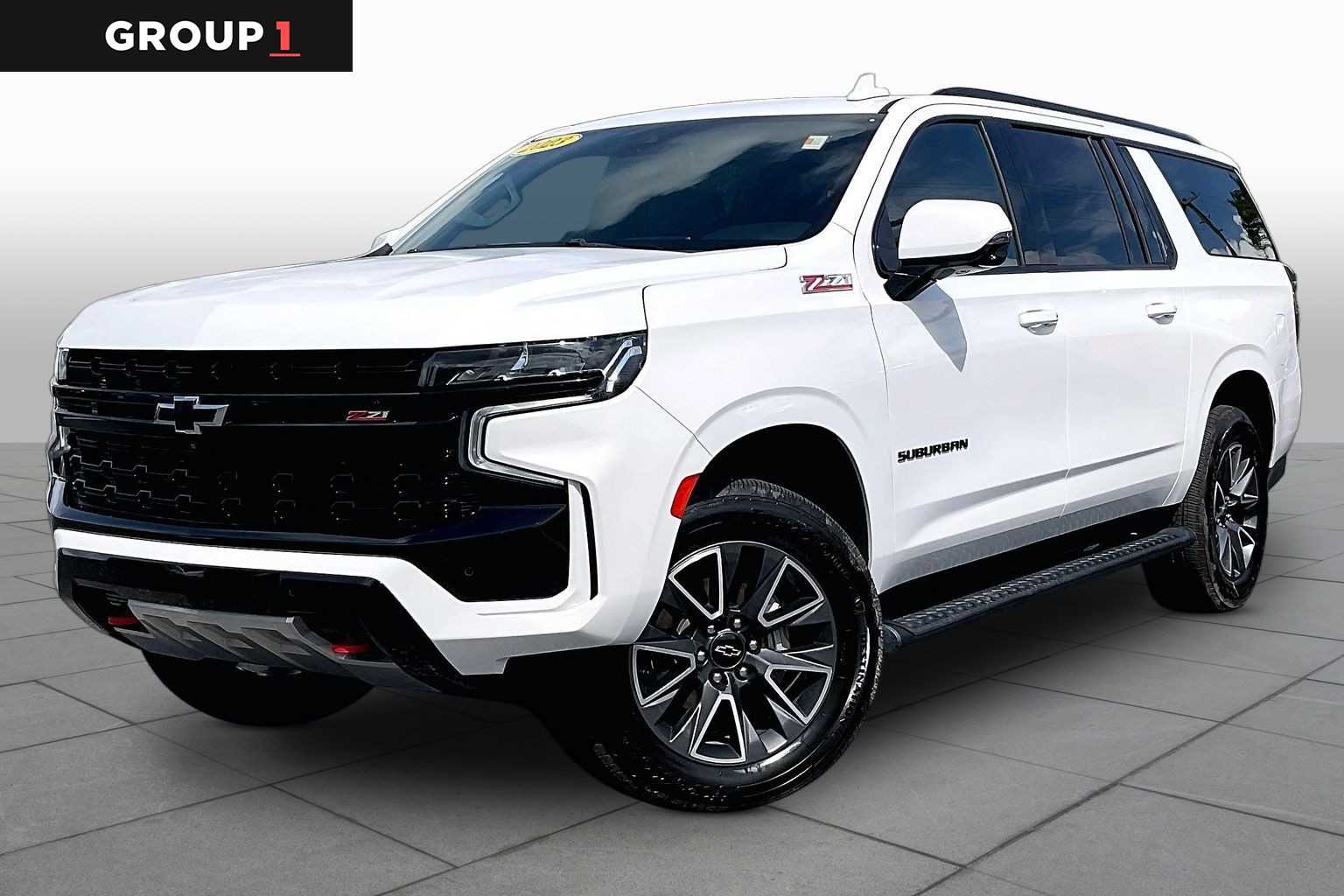
The Chevrolet Suburban remains a benchmark full-size SUV known for its spacious interior, strong V8 and available modern tech. If you’re in the market to buy or plan to sell a Suburban, understanding the model’s generations, engine choices, body configurations, and typical price ranges helps you navigate the market with confidence. In this guide we cover what to look for in different years, how mileage affects value, and practical tips for buyers and sellers in major markets.
When evaluating a Suburban, start with the generation and trim level. Common configurations include rear- or all-wheel drive, long-wheelbase options, and varying cabin features. Fuel choices range from traditional gasoline engines to more efficient variants introduced during later generations. Pros of the Suburban include expansive cargo space, comfortable seating for up to nine, strong towing capacity, and a robust ride. Cons often cited are high fuel consumption and larger footprint in urban settings.
Key factors to compare:
A buyer’s checklist helps you decide which Suburban fits your needs in a given country or city. Consider the typical use: family hauling, outdoor recreation, or business use. Compare local listings by year, mileage, and spec:
If you’re selling, present your Suburban with a clean history, recent maintenance receipts, and high-quality photos of interior and exterior. Honesty about issues, mileage, and any upgrades helps build buyer trust. A well-described listing should include:
In markets across the country, buyers look for a balanced combination of reliability, space, and performance. Whether you’re evaluating prices, negotiating a deal, or preparing a Suburban for sale, focus on transparent history, clear photos, and a fair asking price based on your vehicle’s year, mileage, and trim. This approach leads to smoother negotiations and a more confident transaction for Chevrolet Suburban shoppers and sellers.
 Add as preferred sourceSee more from zvelta in Google Search Add as preferred source