EN
EN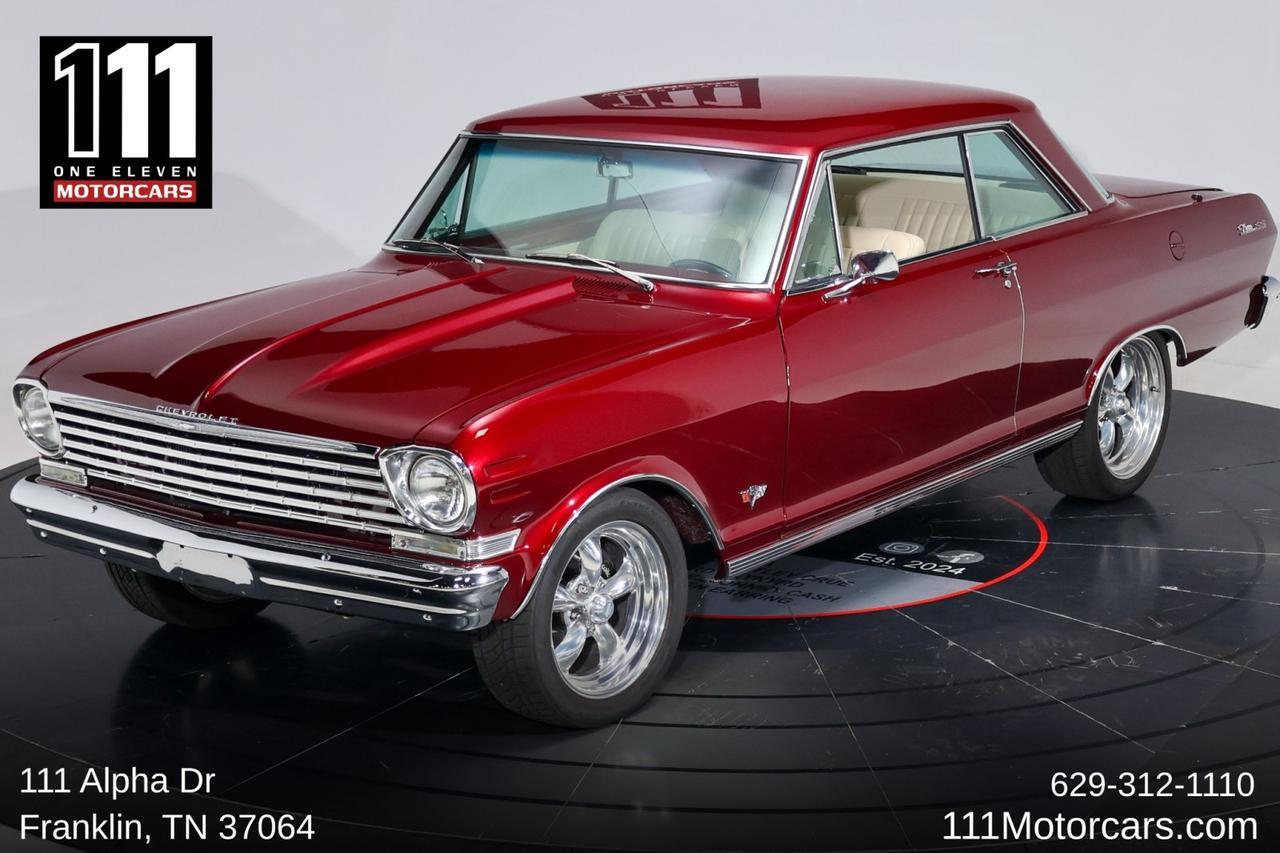
54.981 US$
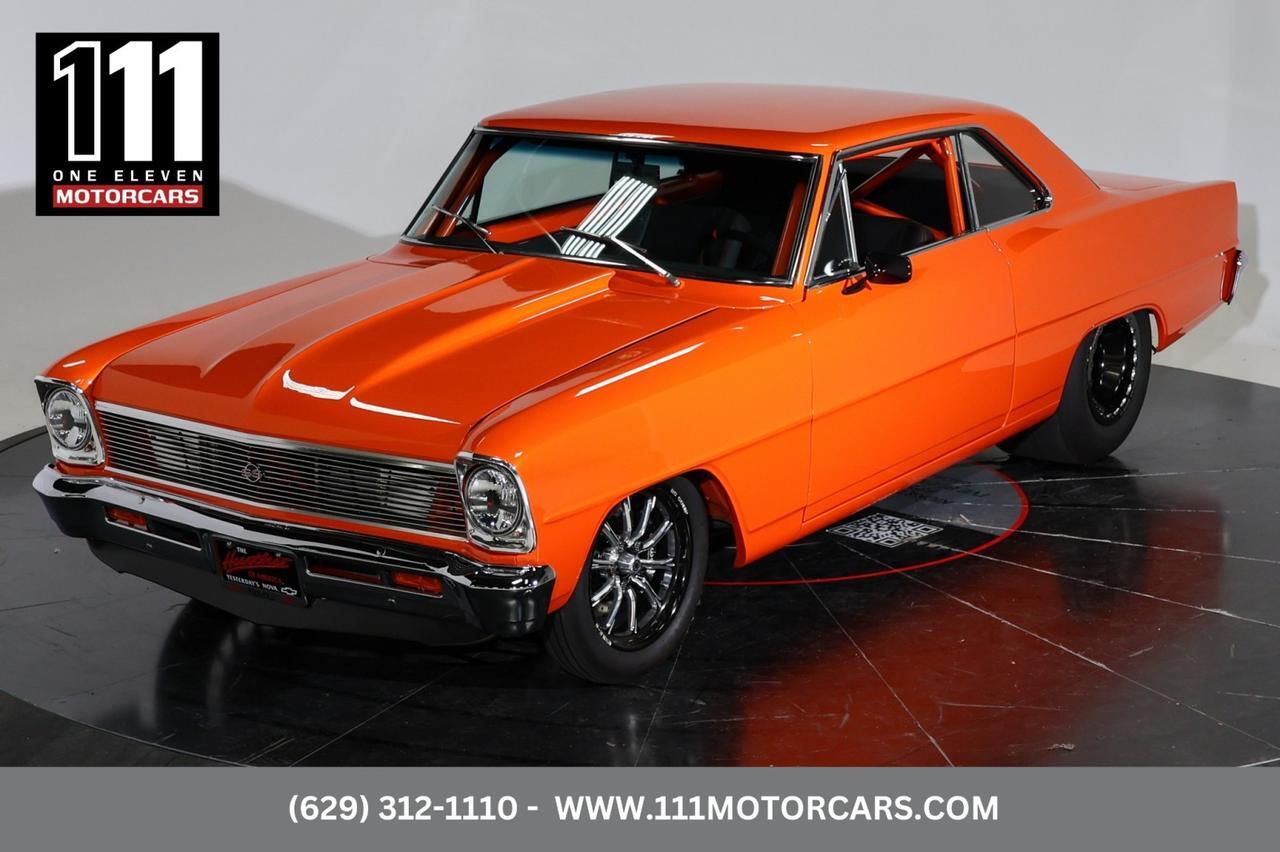
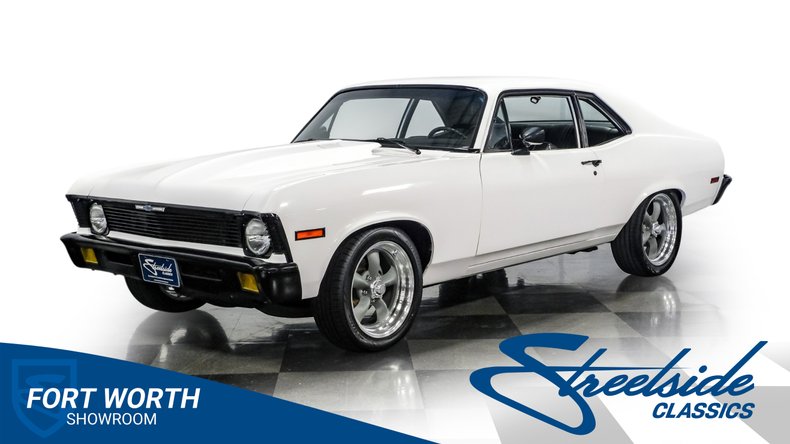
gasoline, automatic, 198 km, coupe, red, SS Restomod, Used condition

111motorcars.com
 Franklin, United States
 Franklin, United StatesFranklin, United States
 Only, United StatesUnited StatesUnited StatesTampa, United States
 United StatesUnited StatesUnited StatesUnited StatesUnited StatesUnited StatesAddison, United StatesUnited StatesUnited StatesUnited StatesUnited StatesCharlotte, United StatesUnited StatesPhoenix, United StatesNashville, United StatesFort Worth, United StatesUnited StatesUnited StatesUnited States
If you’re in the market for a Chevrolet Nova, understanding the options you have can save time and money. This guide covers how to evaluate different generations, typical fuel configurations, body styles, and what affects price in your city. Whether you plan to buy a collectible classic or a reliable daily driver, knowing what to look for helps you compare offers confidently.
The Nova line has several generations, with variations in engine, transmission and body type. When you search in your country or city, pay attention to:
To make smart contrasts between listings, use these checks:
If you’re selling, focus on providing complete records, clear photos of body panels and undercarriage, and a transparent description of any restoration. High-quality listings with honest mileage and condition details tend to attract serious buyers and faster sales in your local market.
Finding the right Chevrolet Nova involves comparing multiple listings, testing drives where possible, and asking sellers to disclose maintenance history and any known issues. With careful evaluation, you can identify a Nova that matches your preferences for style, performance, and budget in your city.
 Add as preferred sourceSee more from zvelta in Google Search Add as preferred source