 EN
ENDEALER

59.995 US$DEALER
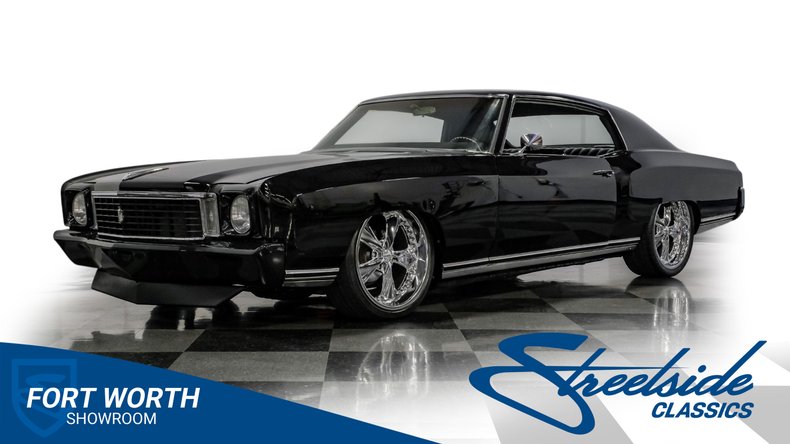
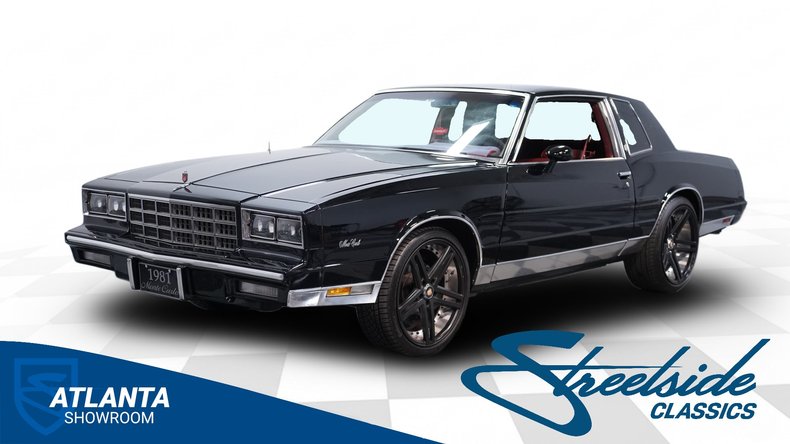
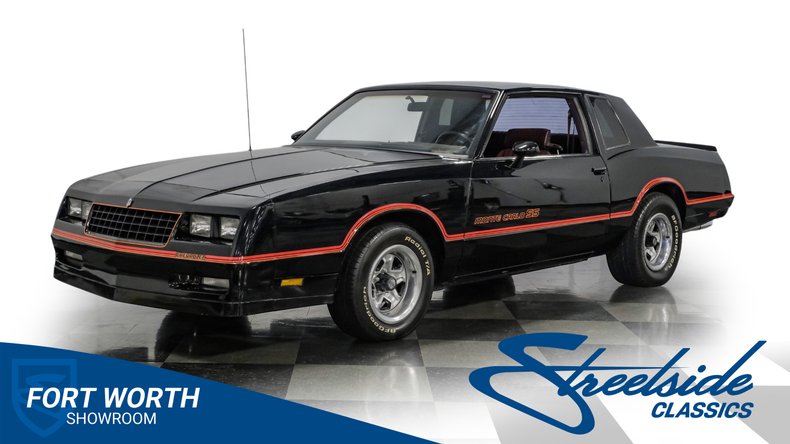
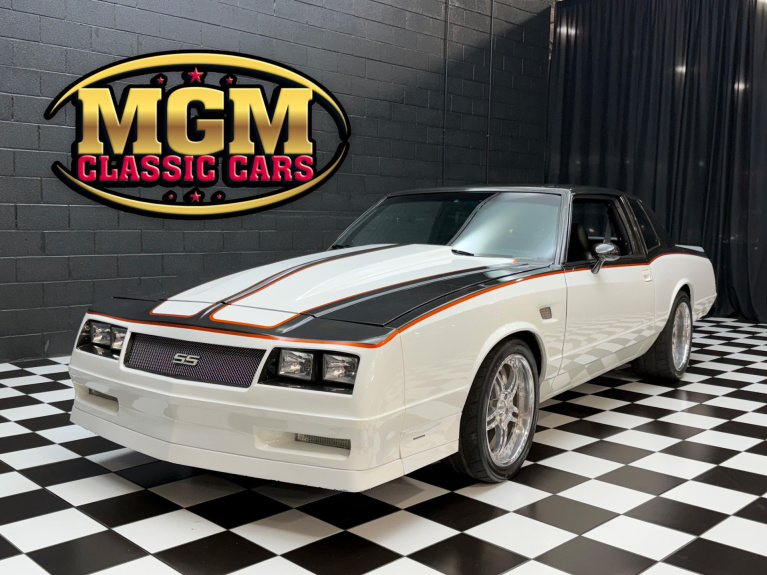
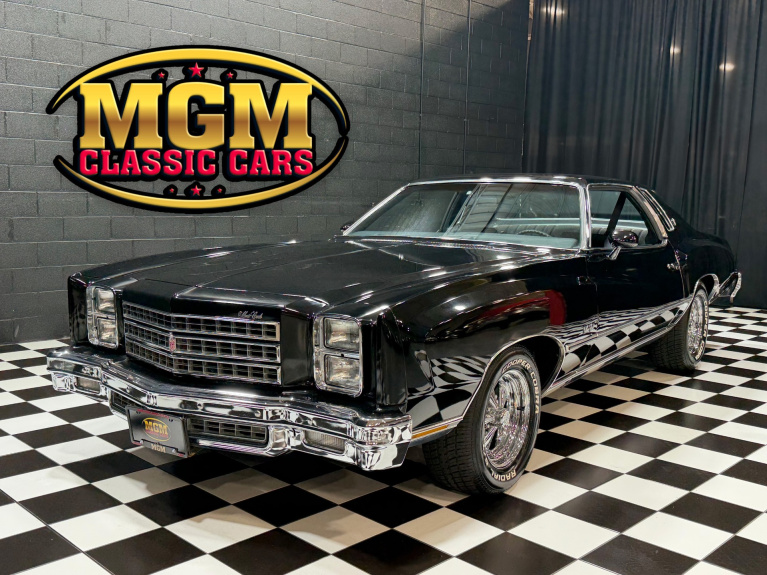
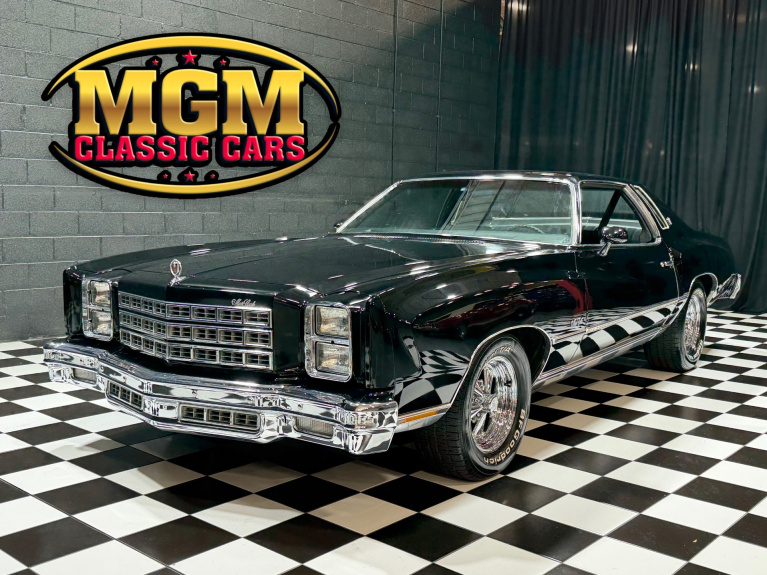
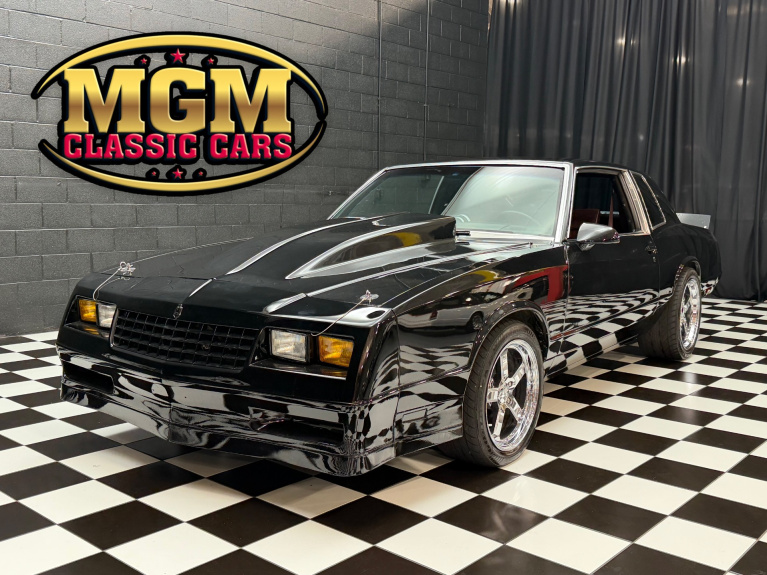
automatic, 2K km, 6,000 cm3, white, 6.0 Liter V8, USA

Inventory.ClassicSandBeyond.com
 Wayne, United States
 Wayne, United States
 United StatesUnited StatesUnited StatesUnited States
 United StatesUnited StatesUnited StatesUnited StatesUnited StatesUnited States
The Chevrolet Monte Carlo remains a familiar sight for coupe enthusiasts who value a blend of classic design and practical performance. Whether you’re considering a late-model Monte Carlo for daily use or a collector-grade example, understanding the generations, engine options, body styles, and typical mileage helps you make a smarter decision. This guide focuses on common questions buyers and sellers ask in markets where Chevrolet Monte Carlo models have shown steady demand, and it highlights what to look for in various years, trims, and configurations.
The Monte Carlo has a long-running reputation as a stylish two-door coupe with a V6 or V8 engine, depending on the generation. For buyers, the main considerations include the generation you want, the condition of the chassis and suspension, and the availability of parts and maintenance knowledge. For sellers, emphasizing the car’s mileage range, service history, and any documented work can boost buyer confidence. Typical body types are two-door coupes with a balanced chassis, although some generations feature sportier trims or limited production variants. In many markets, you’ll encounter Monte Carlo models from the late 1990s to the mid-2000s, each with its own maintenance profile and driving feel.
Prices for Chevrolet Monte Carlo models vary by generation, mileage, and condition. Expect lower price brackets for older, higher-mileage cars and higher brackets for well-maintained examples with complete service records. When negotiating, ask for recent maintenance receipts, records of timing belt or chain service (where applicable), coolant changes, and any major repairs. On the road, pay attention to steering precision, exhaust note, and any unusual noises that could hint at mechanical wear. Compare vehicles within the same generation to gauge typical price ranges, taking into account color, trim level, and optional features.
If you’re listing a Monte Carlo for sale, highlight the generation, engine size, and body condition in the description. Include clear photos showing the exterior, interior, and underbody, plus a transparent account of any past accidents or repairs. Provide the mileage, year, and location to help potential buyers assess suitability. Competitive pricing often reflects the car’s overall condition and the vehicle’s service history. Consider offering a reasonable warranty option or a short-term service package to build buyer trust and encourage a quicker sale.
 Add as preferred sourceSee more from zvelta in Google Search Add as preferred source