 EN
ENDEALER
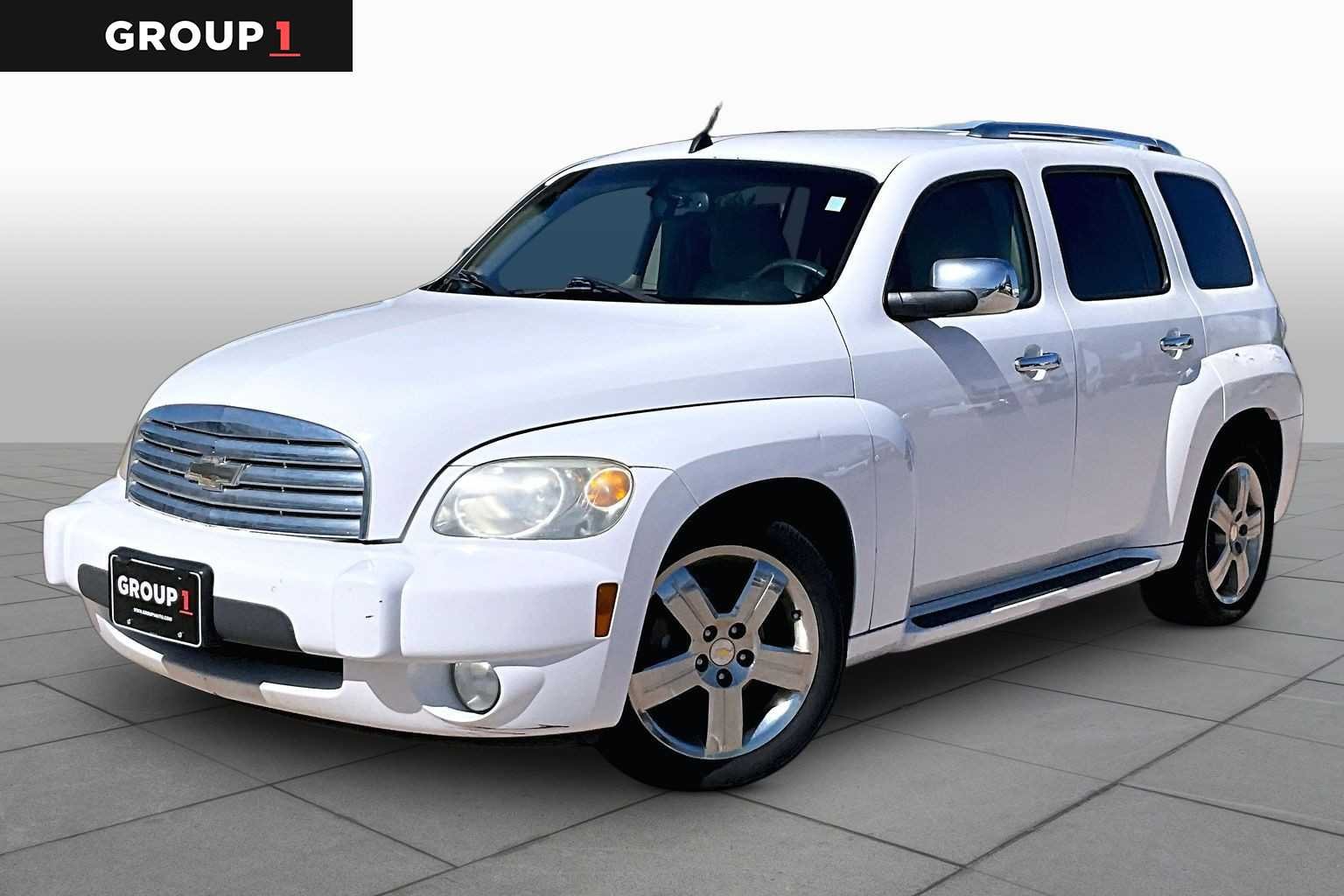
7.298 US$DEALER
7.599 US$
gasoline, automatic, 167K km, SUV, Front Wheels Drive, 2,400 cm3, 172 hp, white, LT w/2LT, Used condition, USA, In stock

Group1Auto.com
 Value, United States
 Value, United States
 United StatesAtlanta, United States
 Moldova, Chișinău Municipality
If you’re in the market for a compact yet practical hatchback, the Chevrolet HHR stands out for its retro-inspired styling and roomy interior. This guide helps buyers and sellers understand what to look for when evaluating Chevrolet HHR models, generations, and configurations, with a focus on real-world needs in your country and city. Whether you’re researching price ranges, fuel options, or mileage expectations, you’ll find practical tips to help you make a confident choice.
The HHR blends a distinct design with versatile space, making it popular among urban drivers and small families alike. When considering a Chevrolet HHR, key factors include the model year, generation, body type, and mileage. From early generations to later updates, buyers weigh how the retro styling meets daily practicality, cargo space, and ride comfort. For sellers, the condition of the interior and the availability of maintenance records affect resale value and negotiating power.
When you search locally, you’ll likely compare HHR models by year, mileage, and price. Consider practical checks like service records, timing belt or chain condition, and whether the vehicle has undergone recalls. Buyers often ask which engine offers the best balance of reliability and fuel efficiency, and sellers look for transparent maintenance histories to justify asking prices.
Buying a Chevrolet HHR involves balancing price with condition and provenance. Start with a clear idea of your budget and preferred features, then evaluate listed vehicles for:
For sellers, setting a competitive price means considering your city’s market dynamics, the vehicle’s maintenance history, and how the HHR compares to similar compact hatchbacks. A well-documented vehicle, with recent replacements (tires, brakes, battery) and clear ownership history, typically garners more interest in a crowded market.
If you’re evaluating options, compare similar Chevrolet models and consider total cost of ownership, including insurance, maintenance, and potential future repairs. Reading owner reviews and reliability notes for your specific year can also help you gauge long-term satisfaction. With careful checks and transparent information, buying or selling a Chevrolet HHR can be a smooth, informed experience.
 Add as preferred sourceSee more from zvelta in Google Search Add as preferred source