 EN
ENDEALER
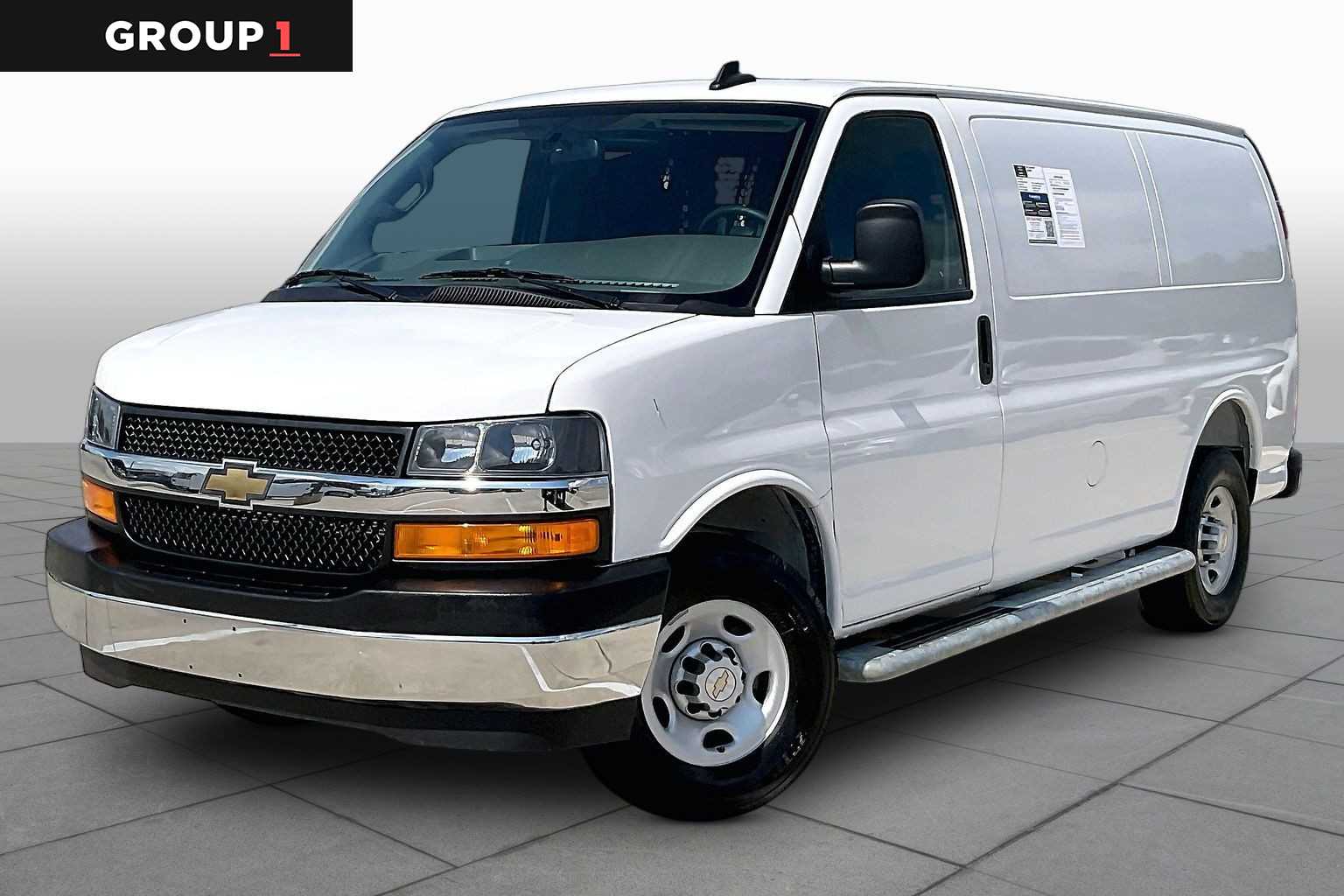
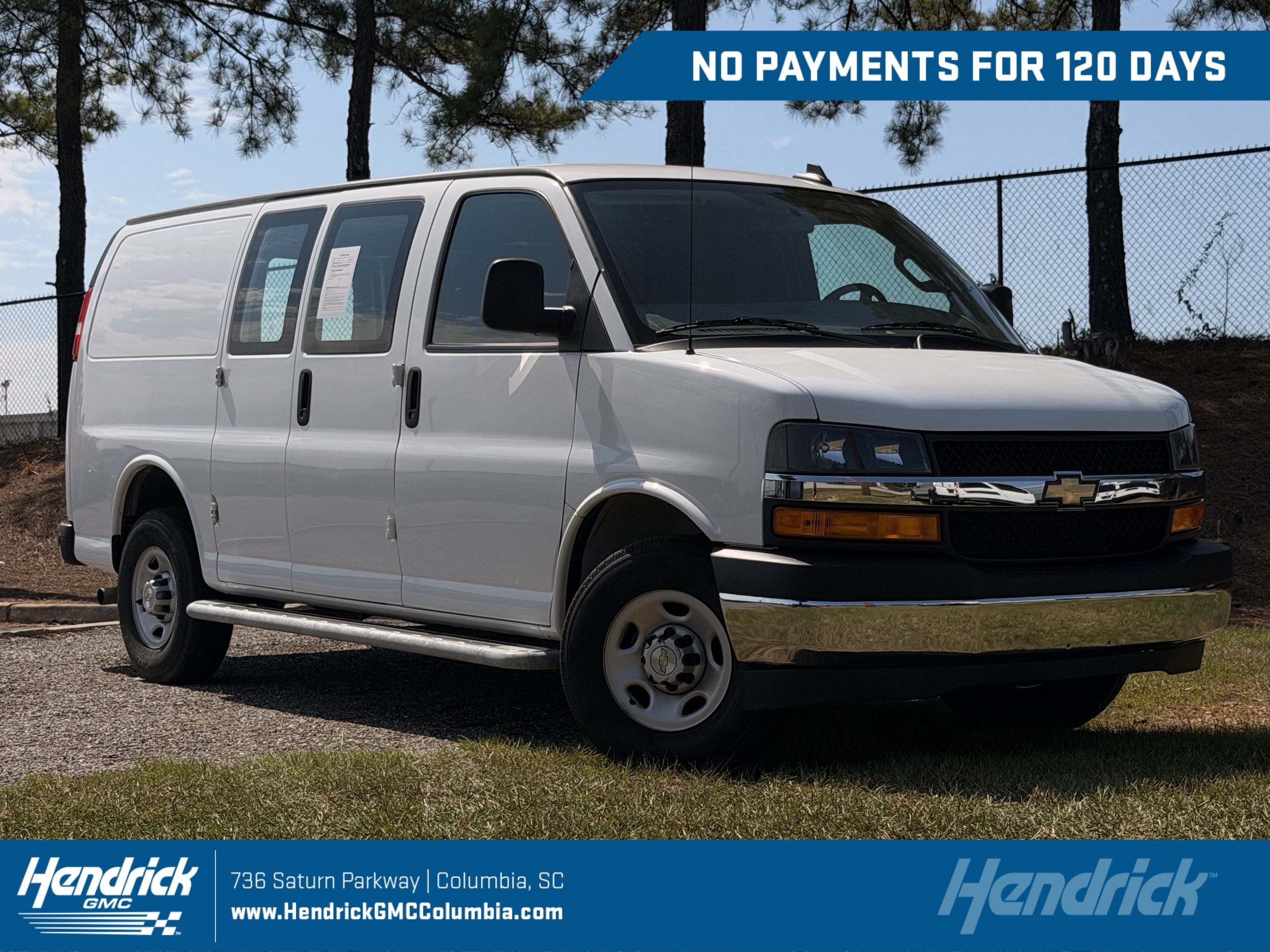
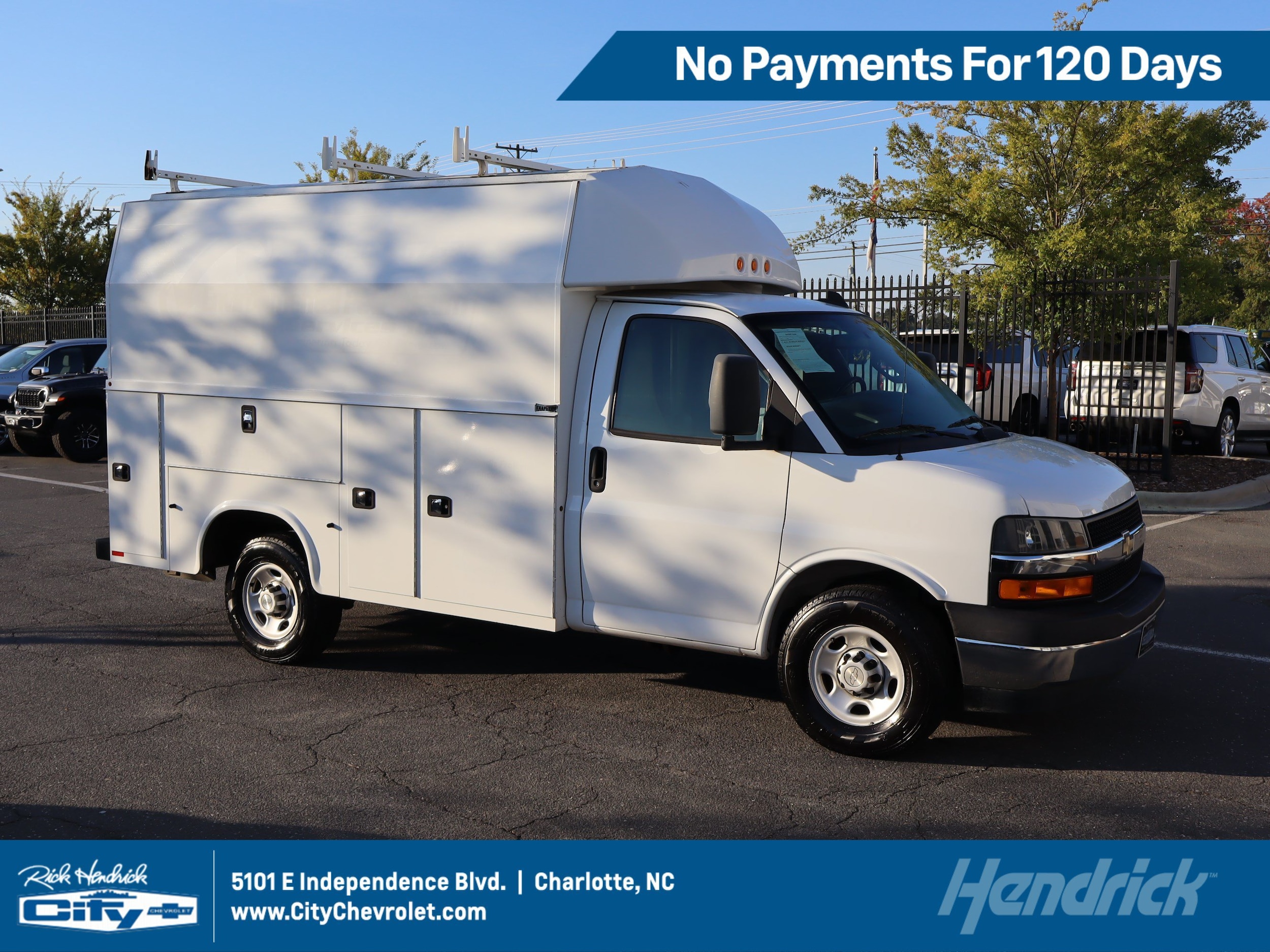
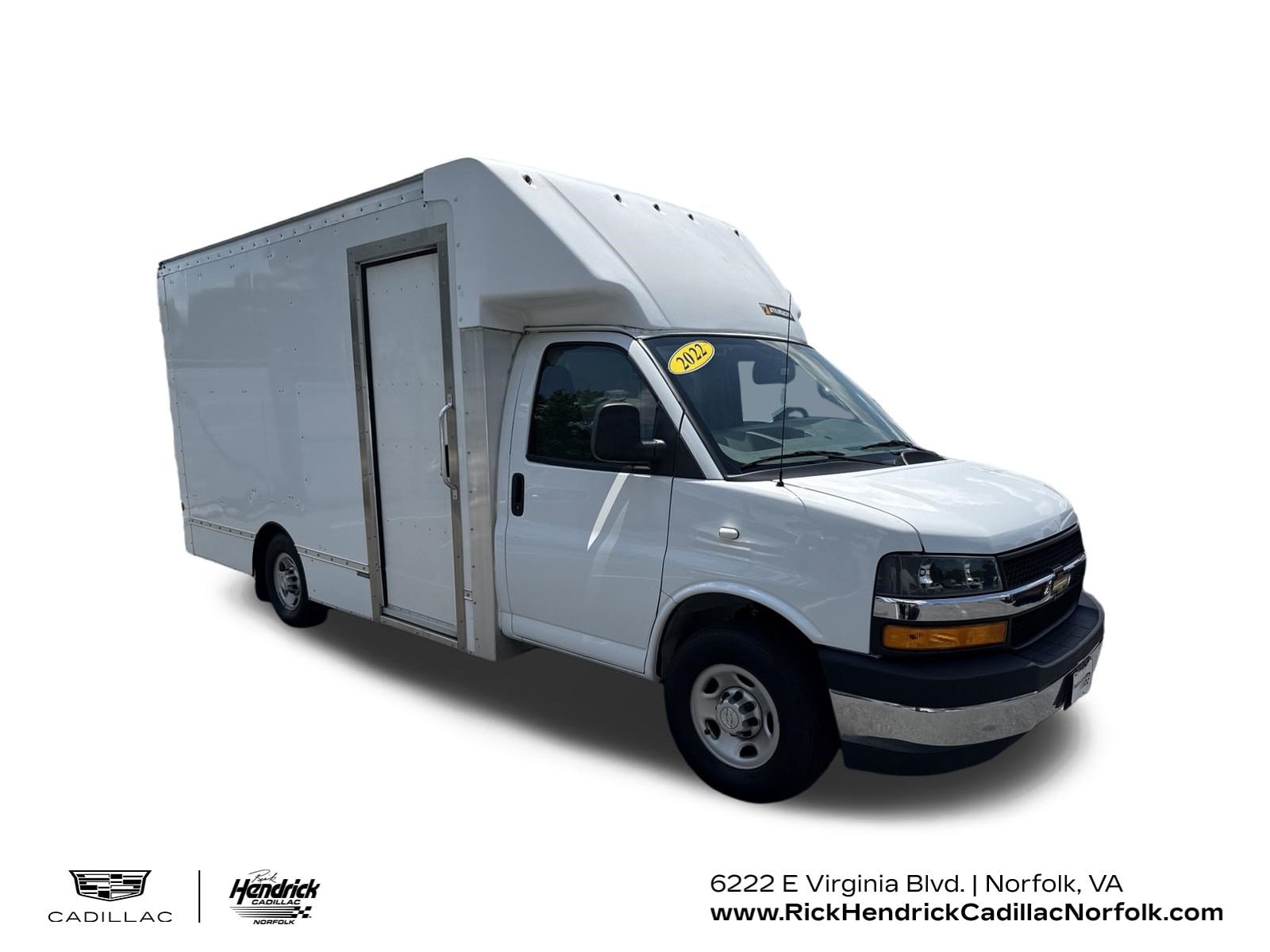
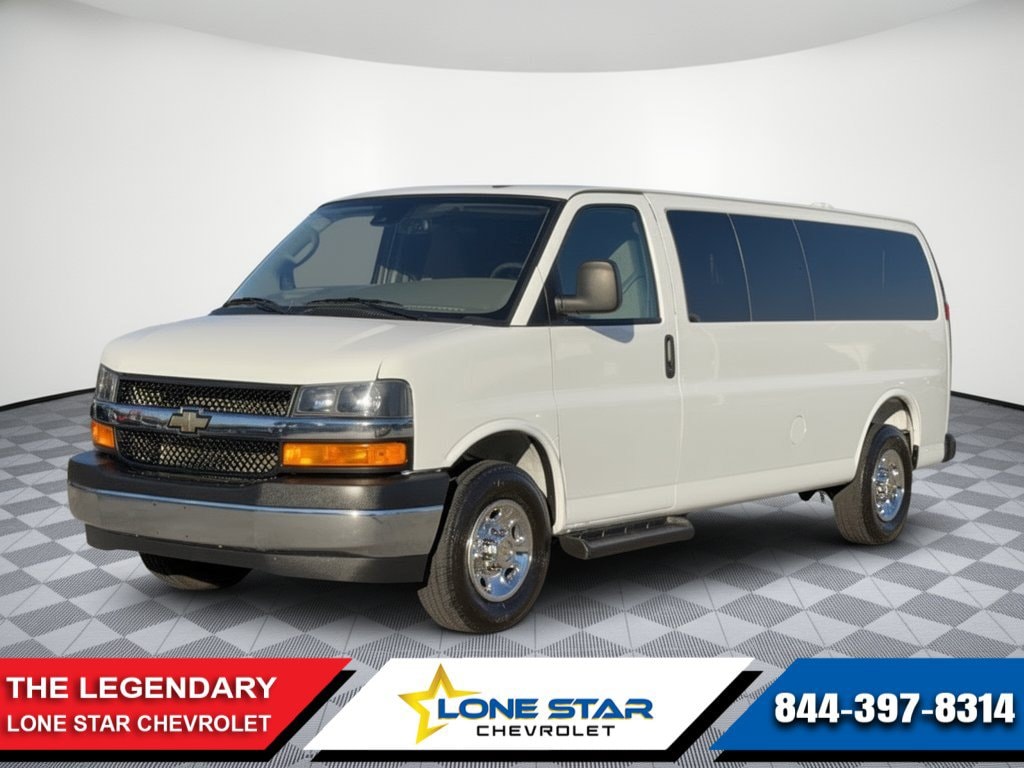
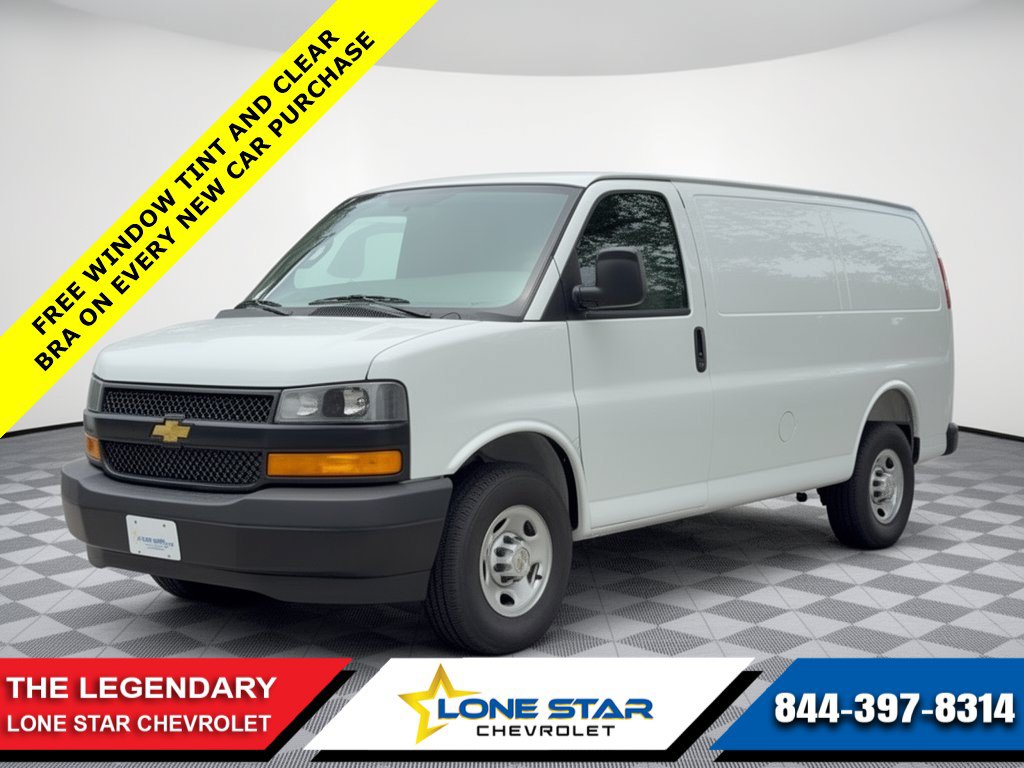
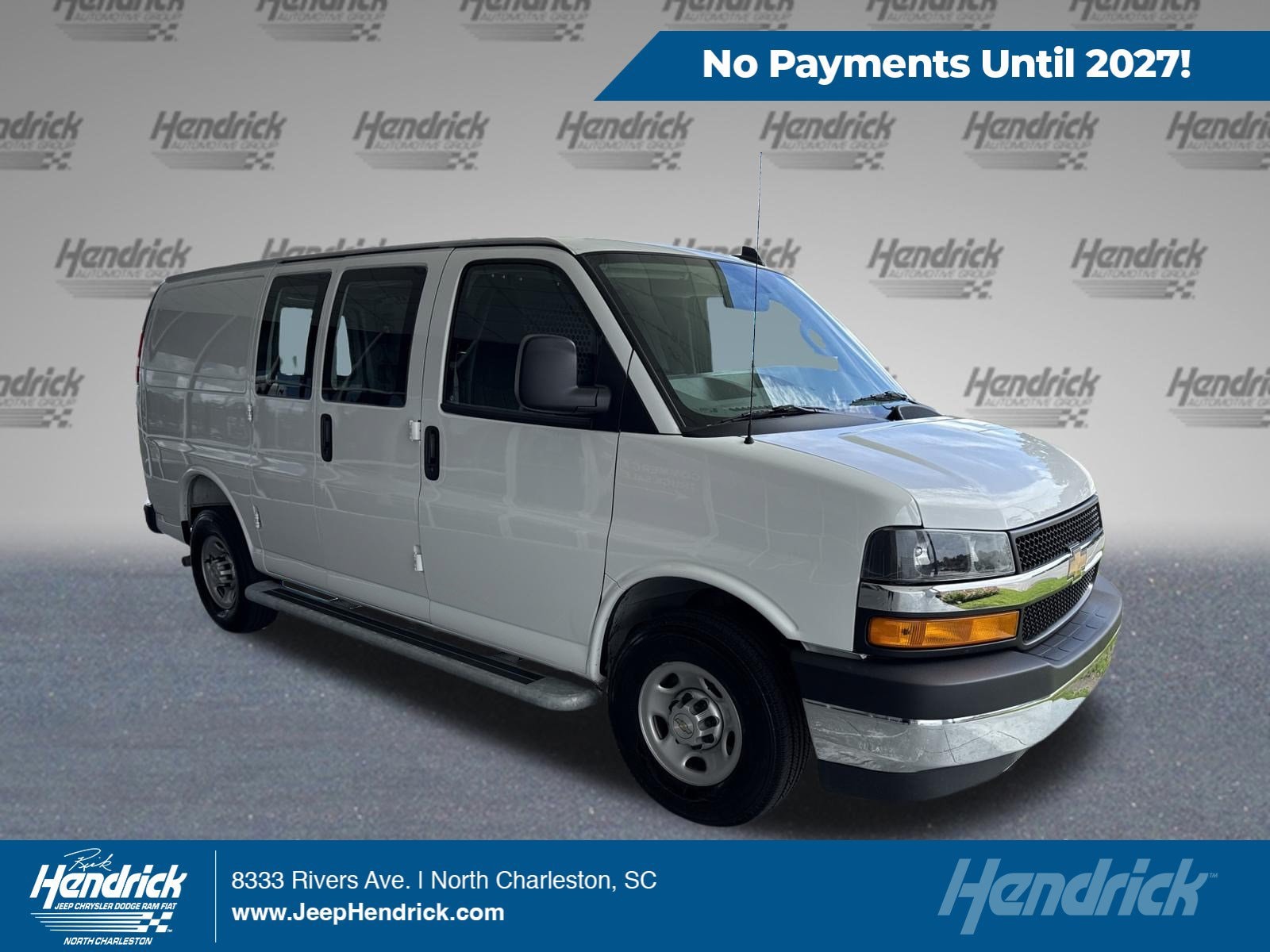
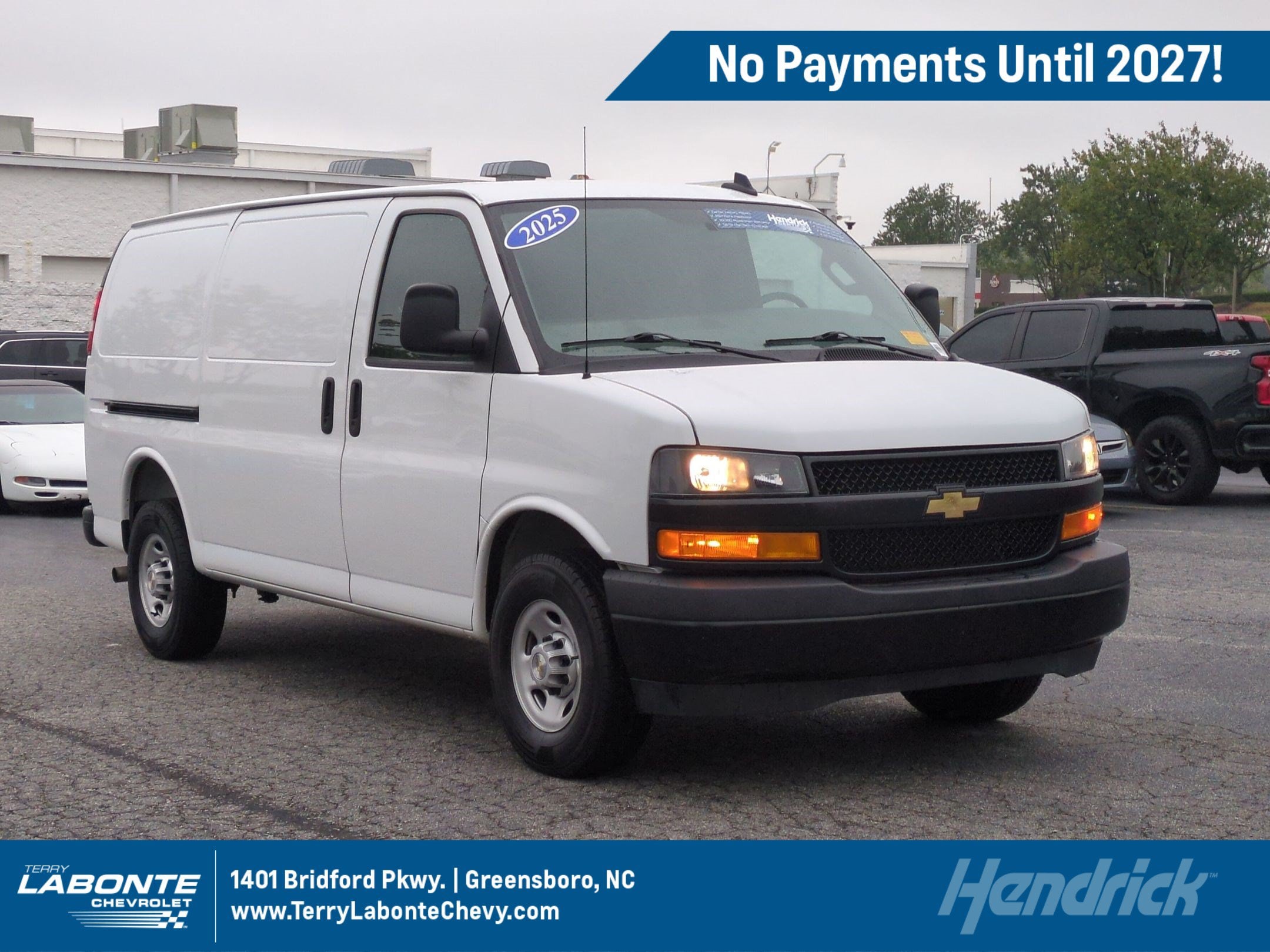
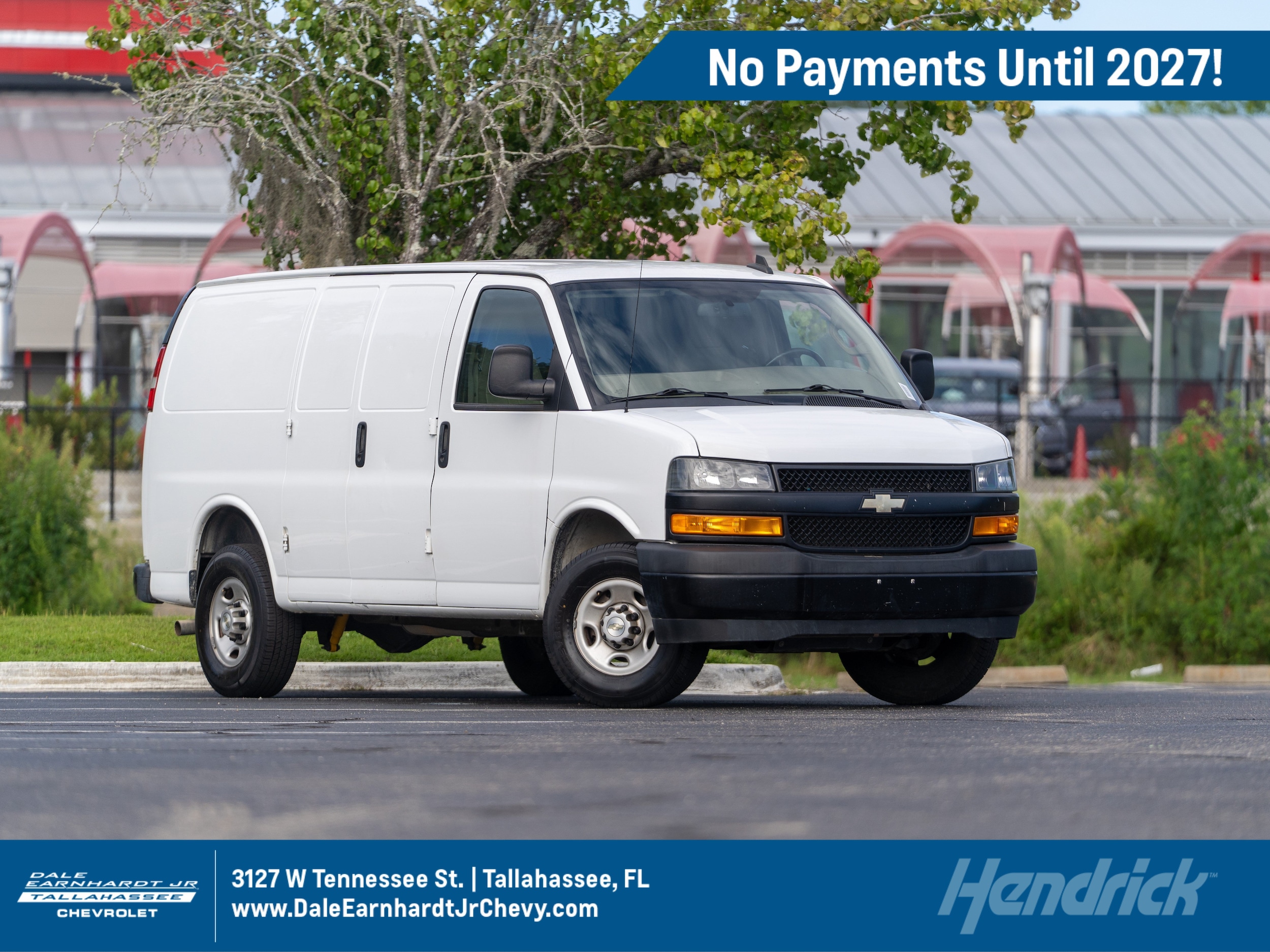
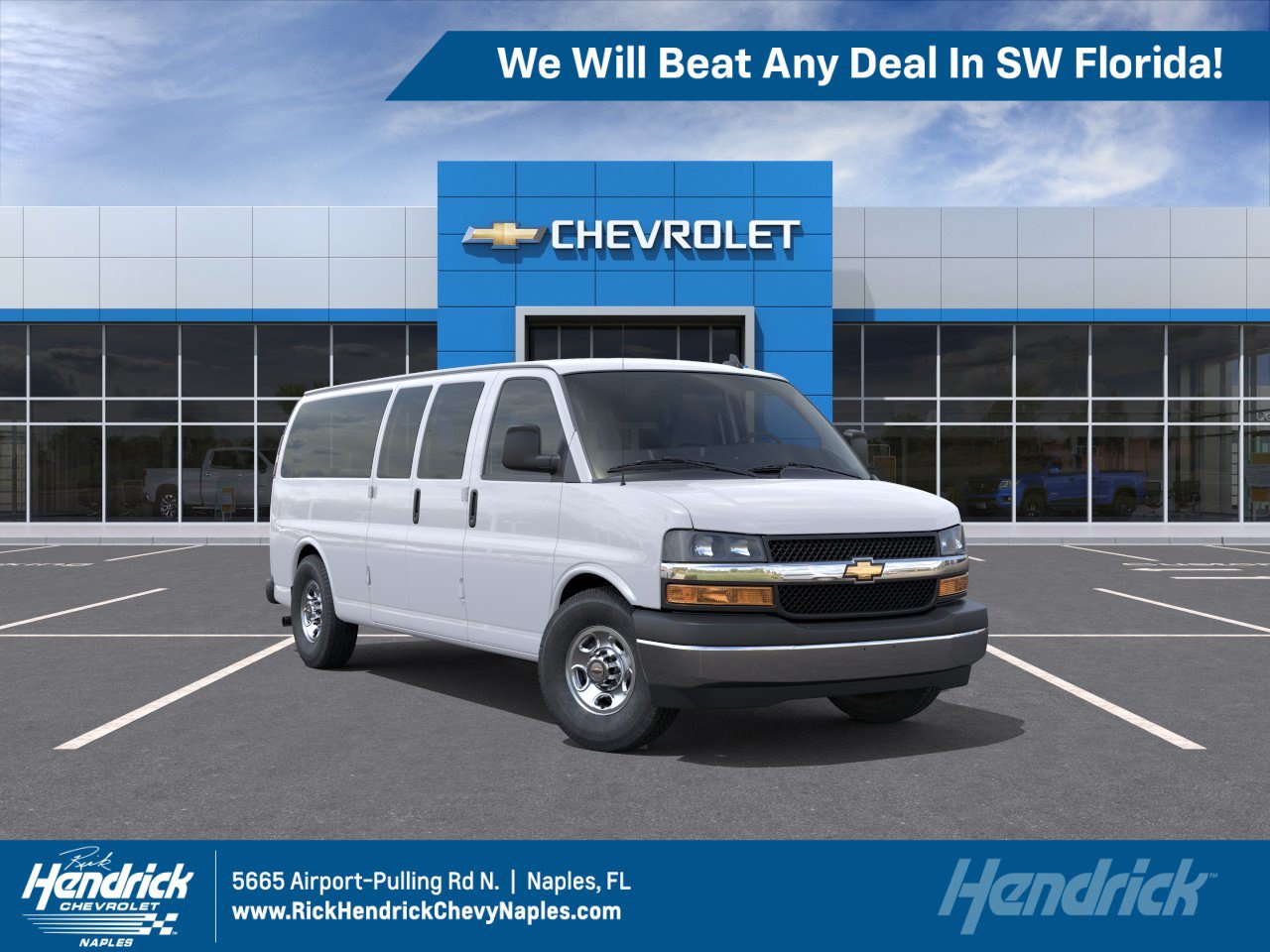
gasoline, automatic, 183K km, Rear Wheels Drive, 276 hp, white, Work Van, Used condition, USA, In stock

Group1Auto.com
 Chevrolet, United States
 Chevrolet, United StatesChevrolet, United States
 Columbia, United StatesCharlotte, United States
 Charlotte, United StatesCharlotte, United StatesCharlotte, United StatesCharlotte, United StatesCharlotte, United StatesDurham, United StatesDuluth, United StatesNorfolk, United StatesHouston, United StatesHouston, United StatesNorth Charleston, United States
 Greensboro, United StatesGreensboro, United StatesGreensboro, United StatesGreensboro, United StatesMerriam, United StatesTallahassee, United StatesTallahassee, United StatesNaples, United StatesNaples, United StatesNaples, United States
If you’re in the market to buy or sell a Chevrolet Express, understanding the key details can save you time and money. This guide focuses on the Chevrolet Express van, its generations, typical uses, and what matters most to buyers and sellers in urban areas and regional markets. You’ll learn how to compare models, what configurations affect price, and practical steps to close a fair deal in your city.
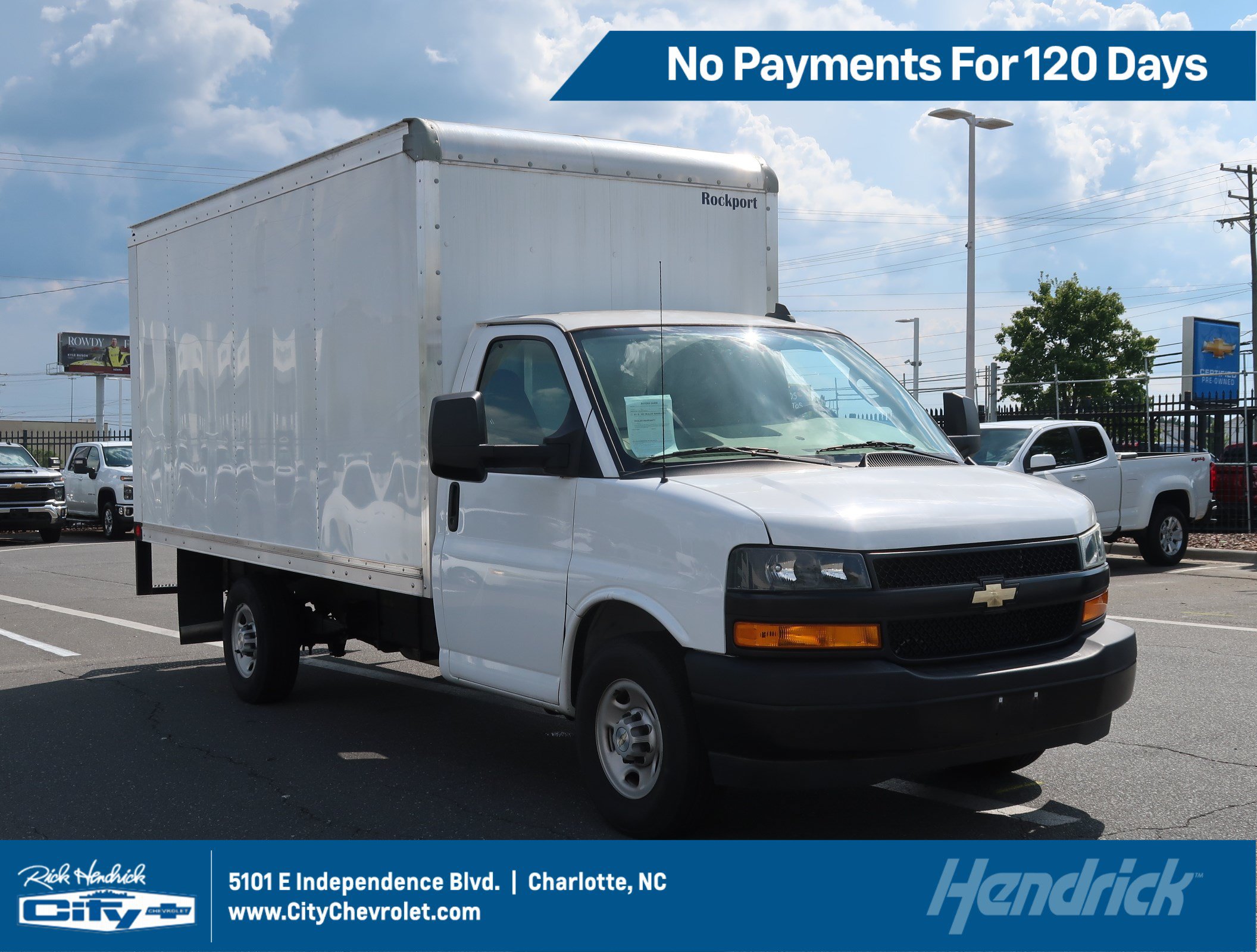
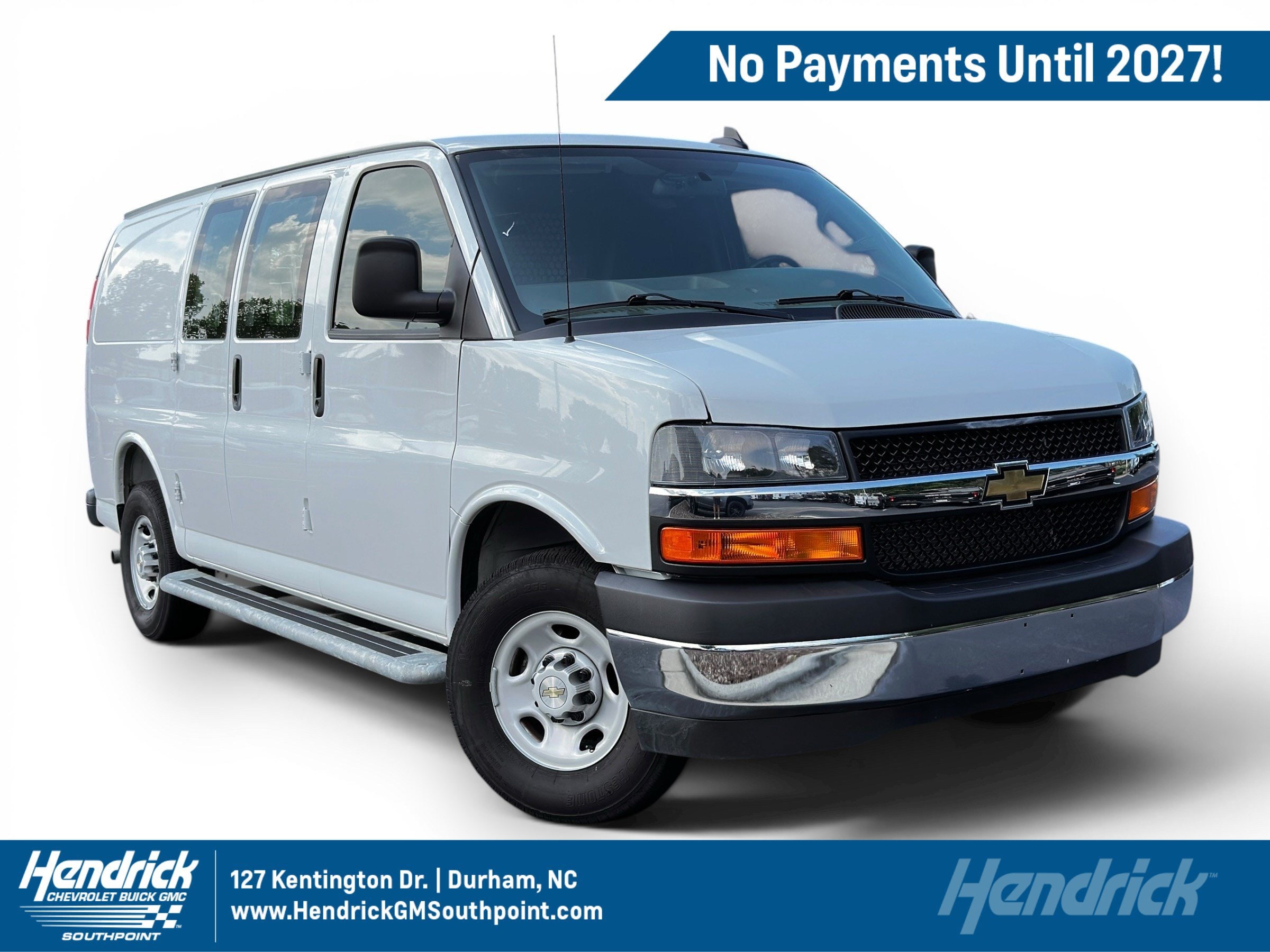
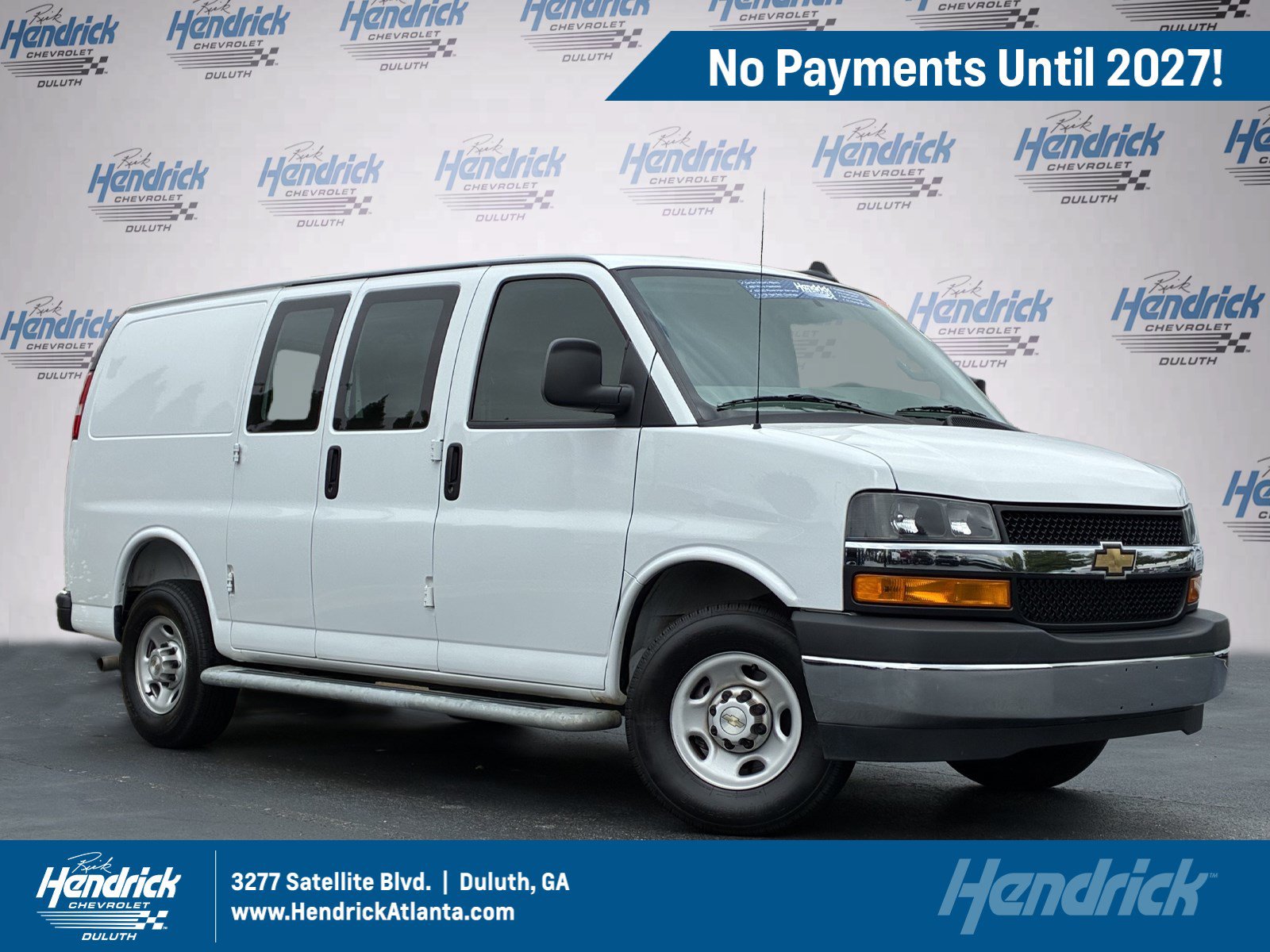
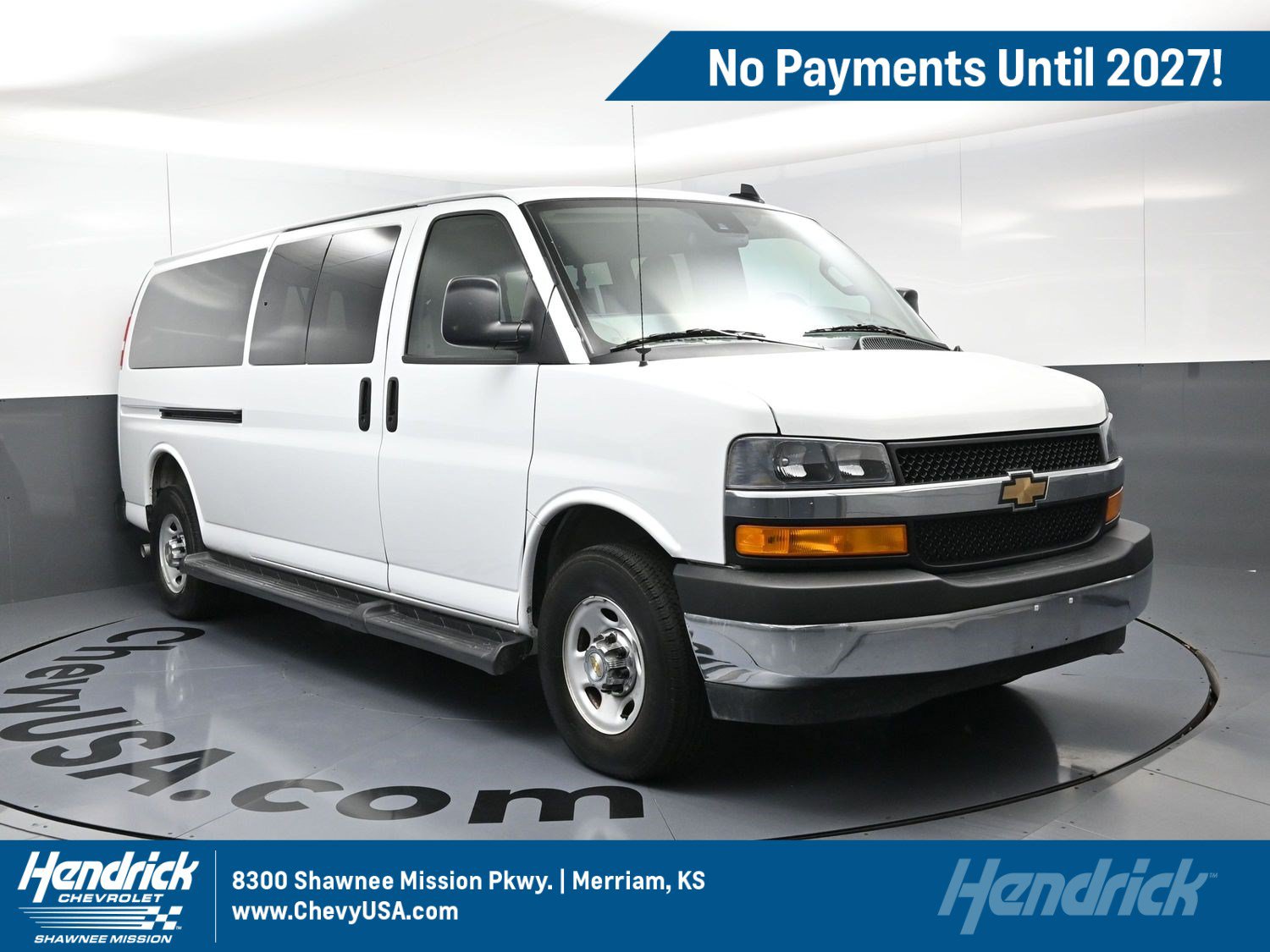
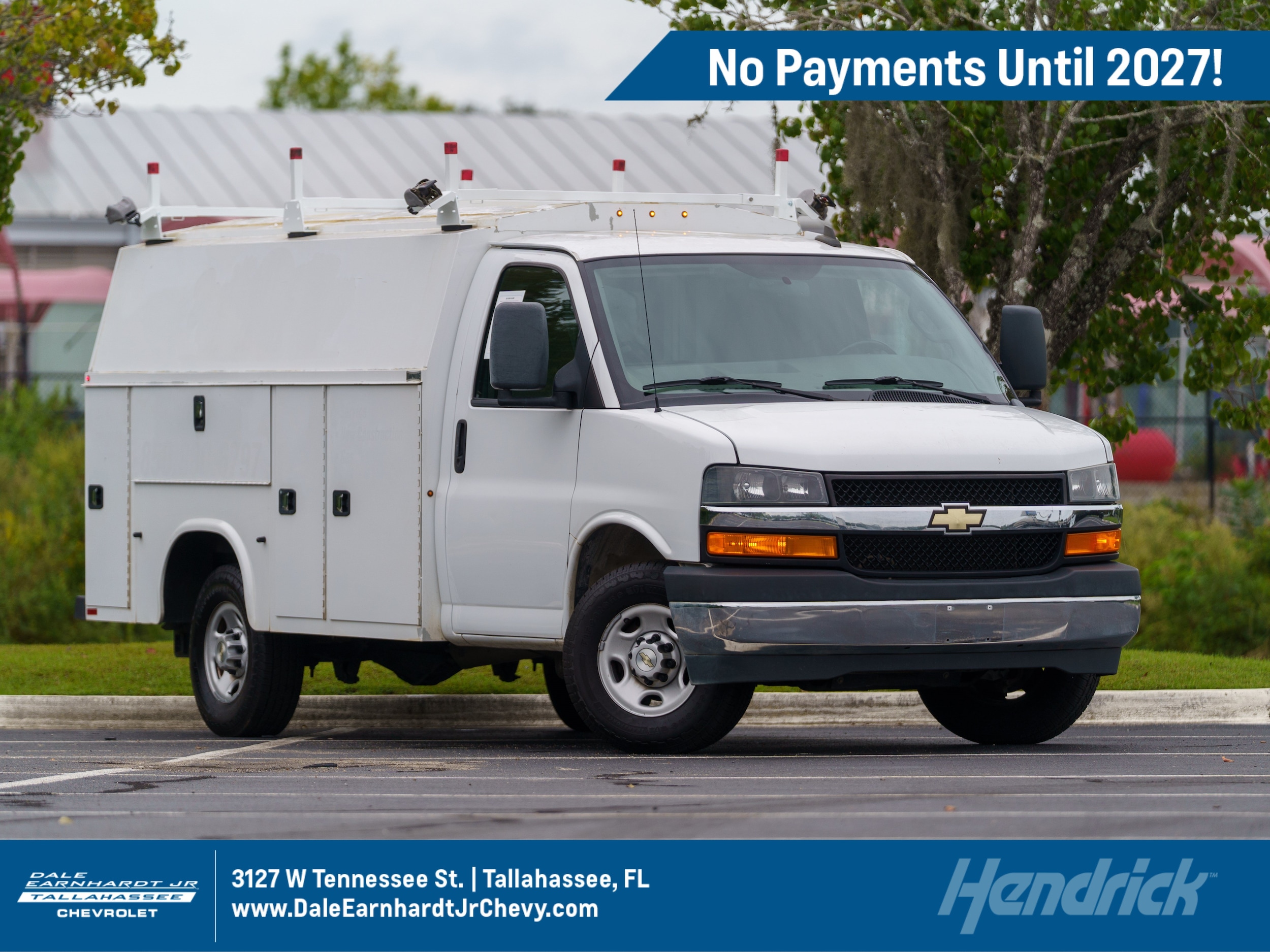
The Chevrolet Express is a full-size van designed for cargo or passenger configurations. When evaluating options, consider the generation (first vs later designs), the body type (cargo, passenger, or crew van), and the engine choice. Common powertrains include V6 or V8 options, with varying fuel economy and maintenance costs. For buyers, the mileage and service history are essential; for sellers, a clean maintenance log and documented upgrades can boost perceived value. In many markets, Express vans are used for small businesses, delivery fleets, or shuttle services, which influences preferred specifications and price points.
Prices and availability vary by country and city. In urban centers, in-demand configurations often include cargo vans with higher payload and reliability ratings, while regional buyers may prioritize lower mileage and a proven service history. Consider factors such as:
Whether you are evaluating a Chevrolet Express for daily work or looking to offload a vehicle from your fleet, a systematic approach helps you make a confident decision. Use realistic expectations about price ranges, typical maintenance costs, and the impact of mileage on resale value to guide your next steps.
 Add as preferred sourceSee more from zvelta in Google Search Add as preferred source