EN
EN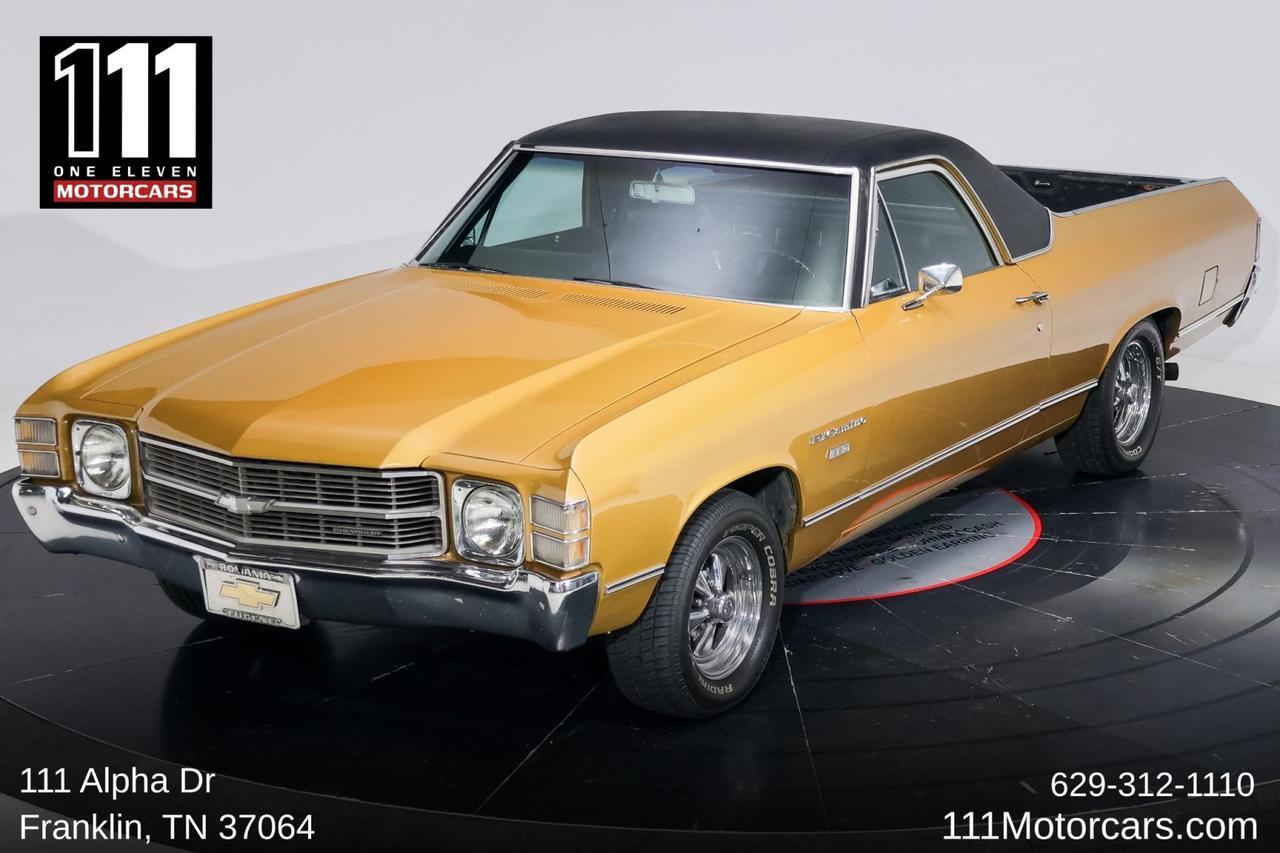
25.981 US$
gasoline, automatic, 39K km, pickup, bronze, 350ci Small Block, Used condition

111motorcars.com
 Franklin, United States
 Franklin, United States
 Nashville, United StatesUnited StatesUnited StatesUnited StatesUnited StatesUnited StatesUnited StatesUnited StatesUnited StatesPhoenix, United StatesTampa, United StatesTampa, United States
If you’re considering a Chevrolet El Camino, you’re likely weighing classic style against practical use. This guide helps buyers and sellers understand what to look for, whether you’re hunting for a first-generation pickup-coupe or a later version, and how to evaluate condition, mileage, and value in today’s market. We’ll cover common questions about model generations, engines, fuel types, body configurations, and typical price ranges by year and mileage, so you can make an informed decision in your city or country.
The El Camino blends car-like comfort with pickup practicality. When shopping, note the era of the model, as early generations emphasize nostalgic design, while later iterations bring updated interiors and more modern drivetrains. Common configurations include two-door, unibody pickups with a trunk at the rear and a coupe-like cabin. Buyers often compare generations by styling cues, reliability records, and available features in markets where classic cars retain strong collector or daily-driver appeal.
Prices for Chevrolet El Camino models vary with year, mileage, and condition. Expect higher values for well-preserved, low-mileage examples or rare body styles. When budgeting, consider:
Whether you’re in a large urban area or a smaller market, a structured approach helps you reach a fair deal. Vet potential El Caminos with a trusted mechanic, request service history, and inspect the underbody and framing. For sellers, presenting clean maintenance records, provenance, and recent upkeep can improve buyer confidence and shorten negotiation time. In many markets, reputable exchanges, clubs, and classifieds provide visibility for classic American cars, helping you reach the right audience.
In summary, the Chevrolet El Camino offers a distinctive blend of car comfort and pickup practicality. By focusing on generation-specific differences, engine and fuel configurations, and careful condition checks, you can choose a model that matches your goals—whether as a weekend cruiser, a collector piece, or a practical classic with a storied design.
 Add as preferred sourceSee more from zvelta in Google Search Add as preferred source