 EN
ENDEALER
53.799 US$DEALER
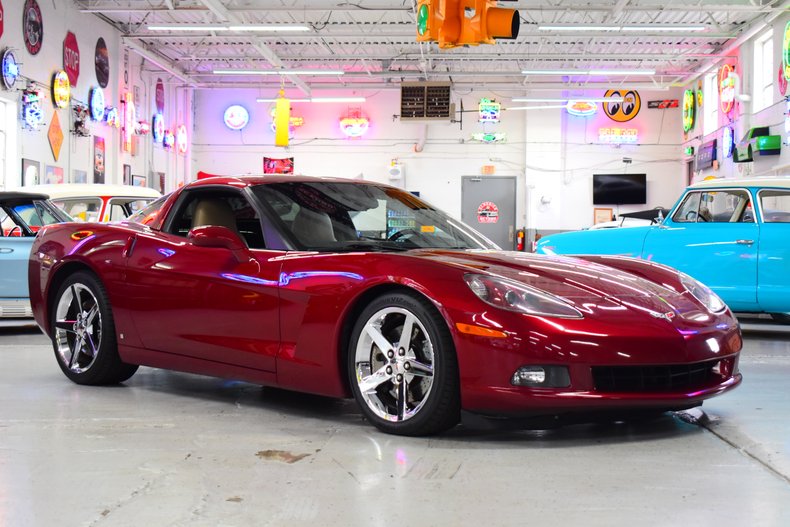
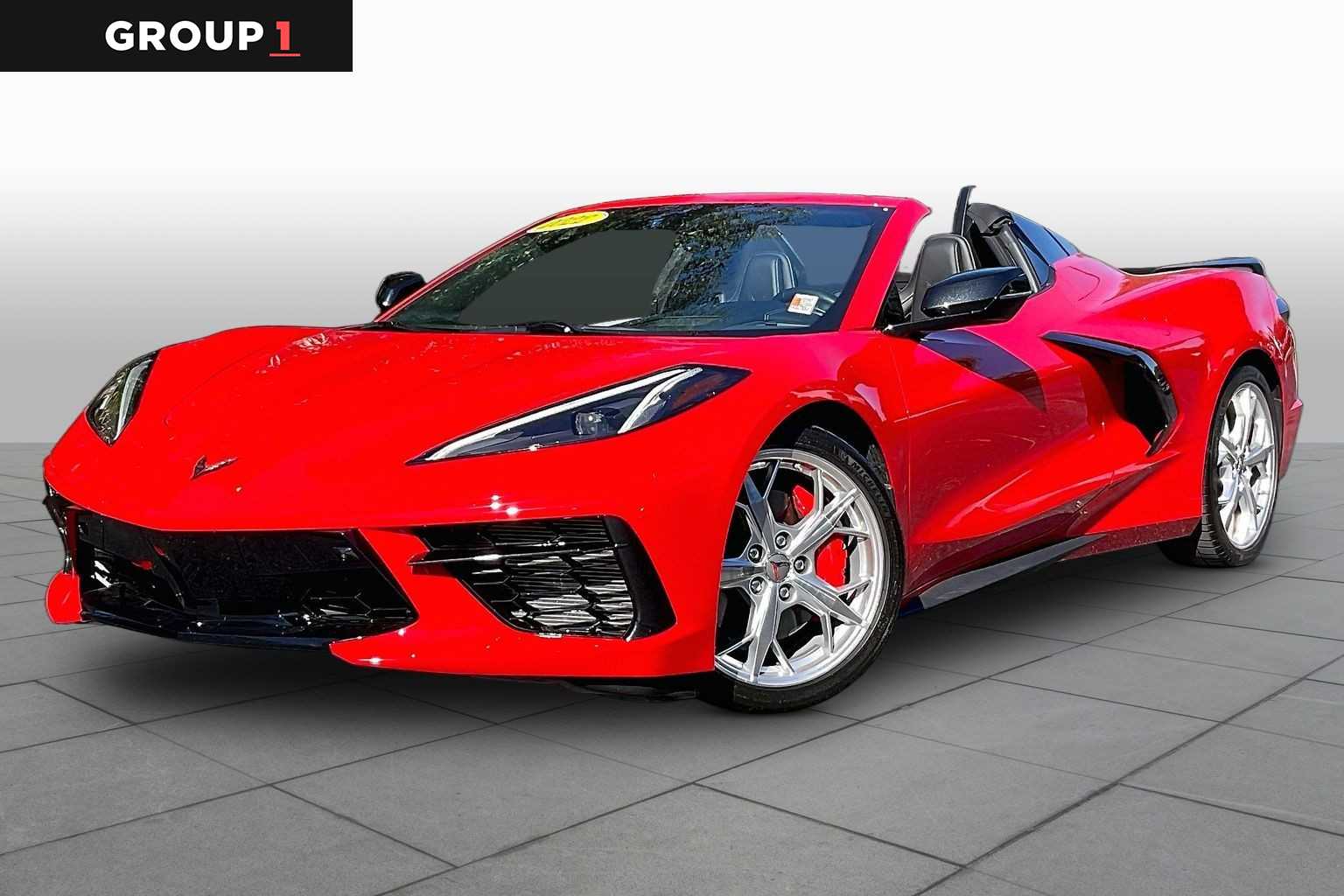
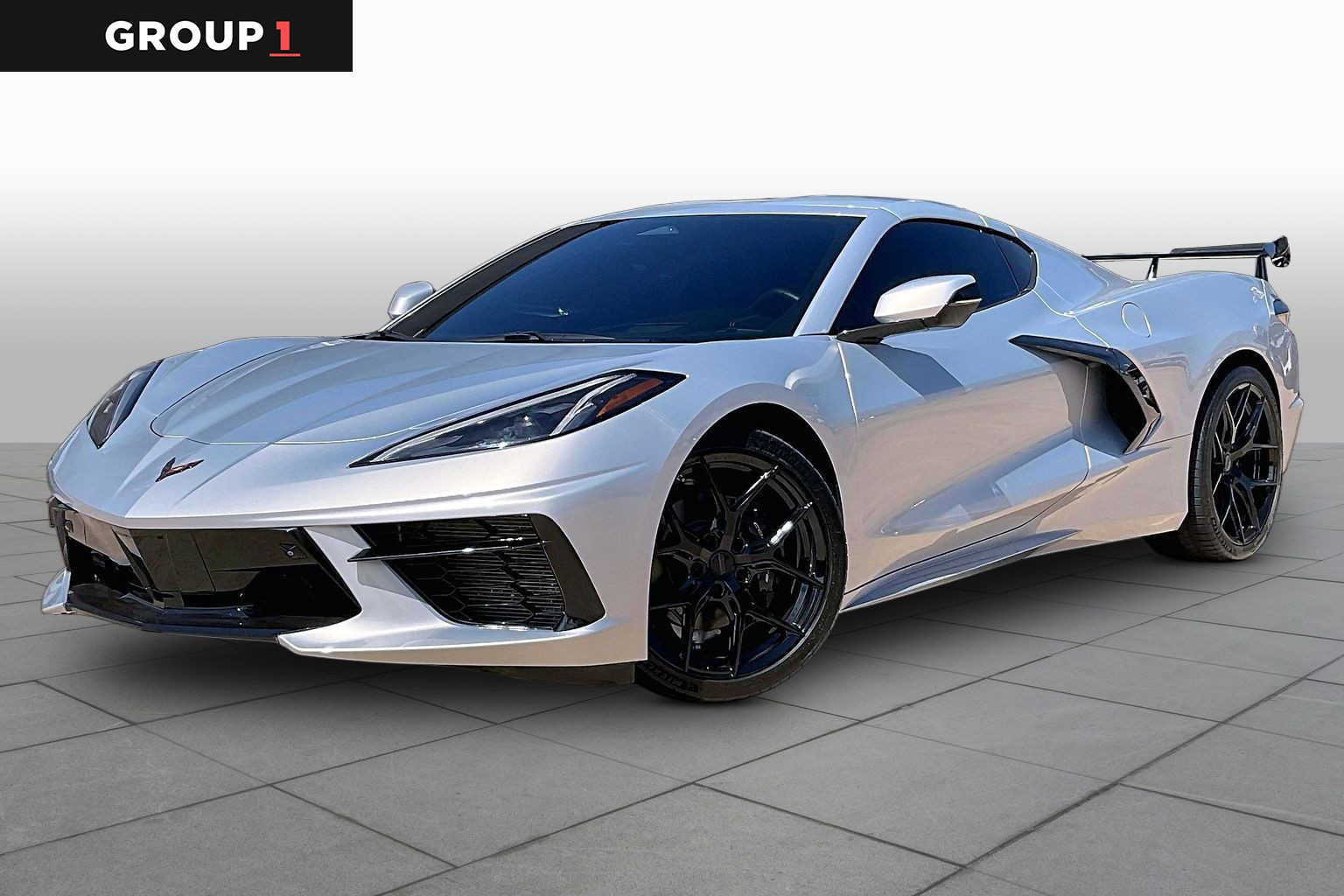
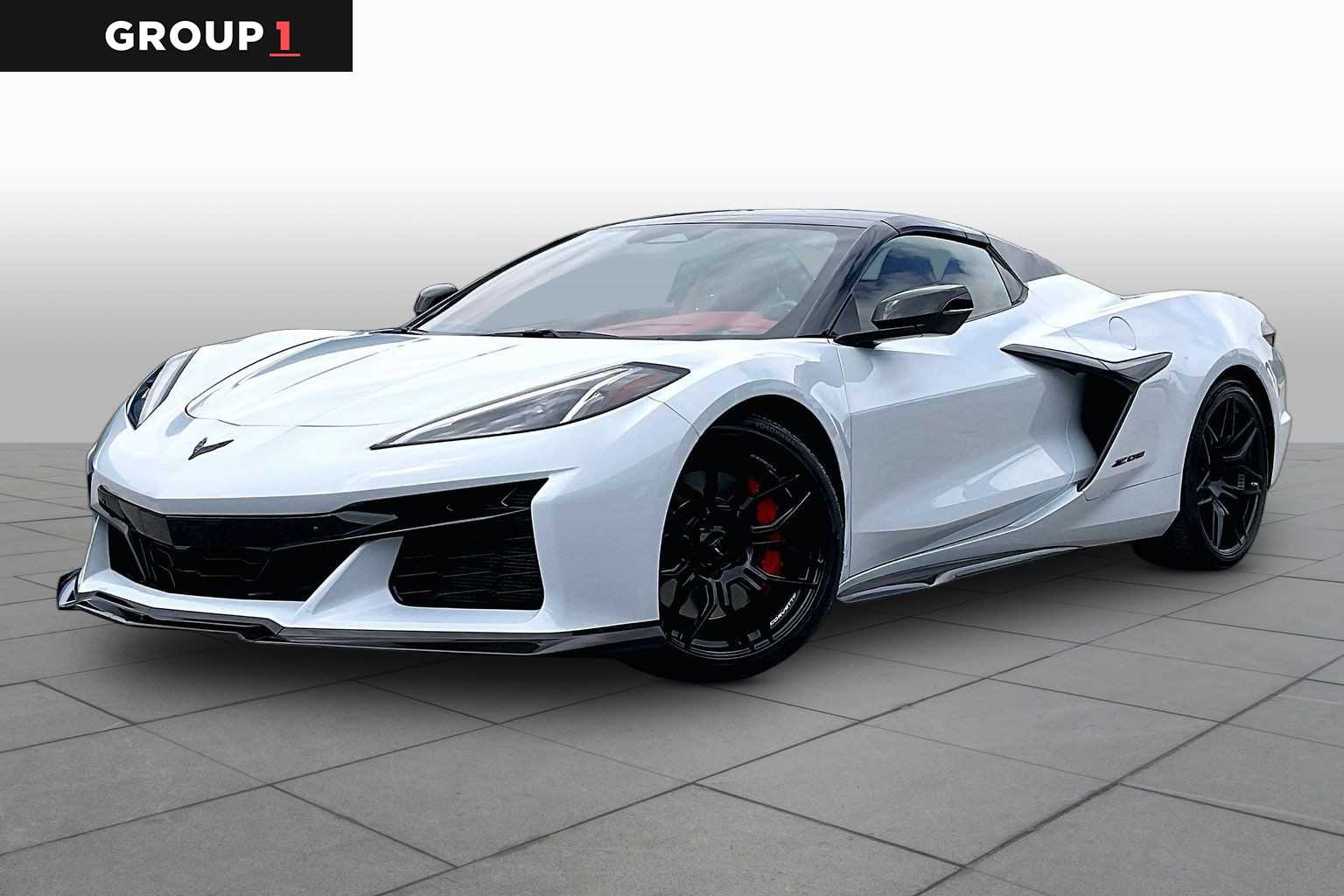
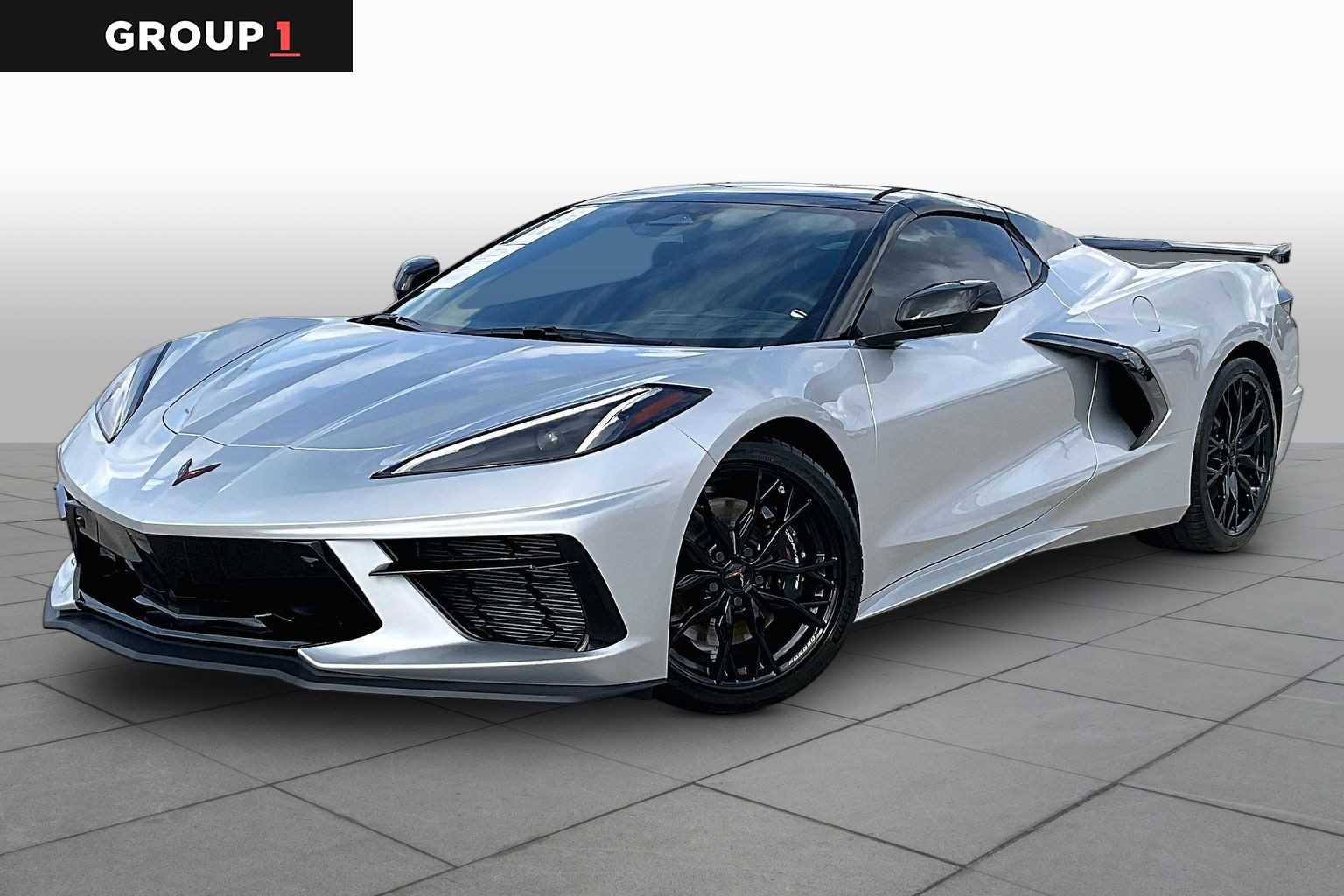
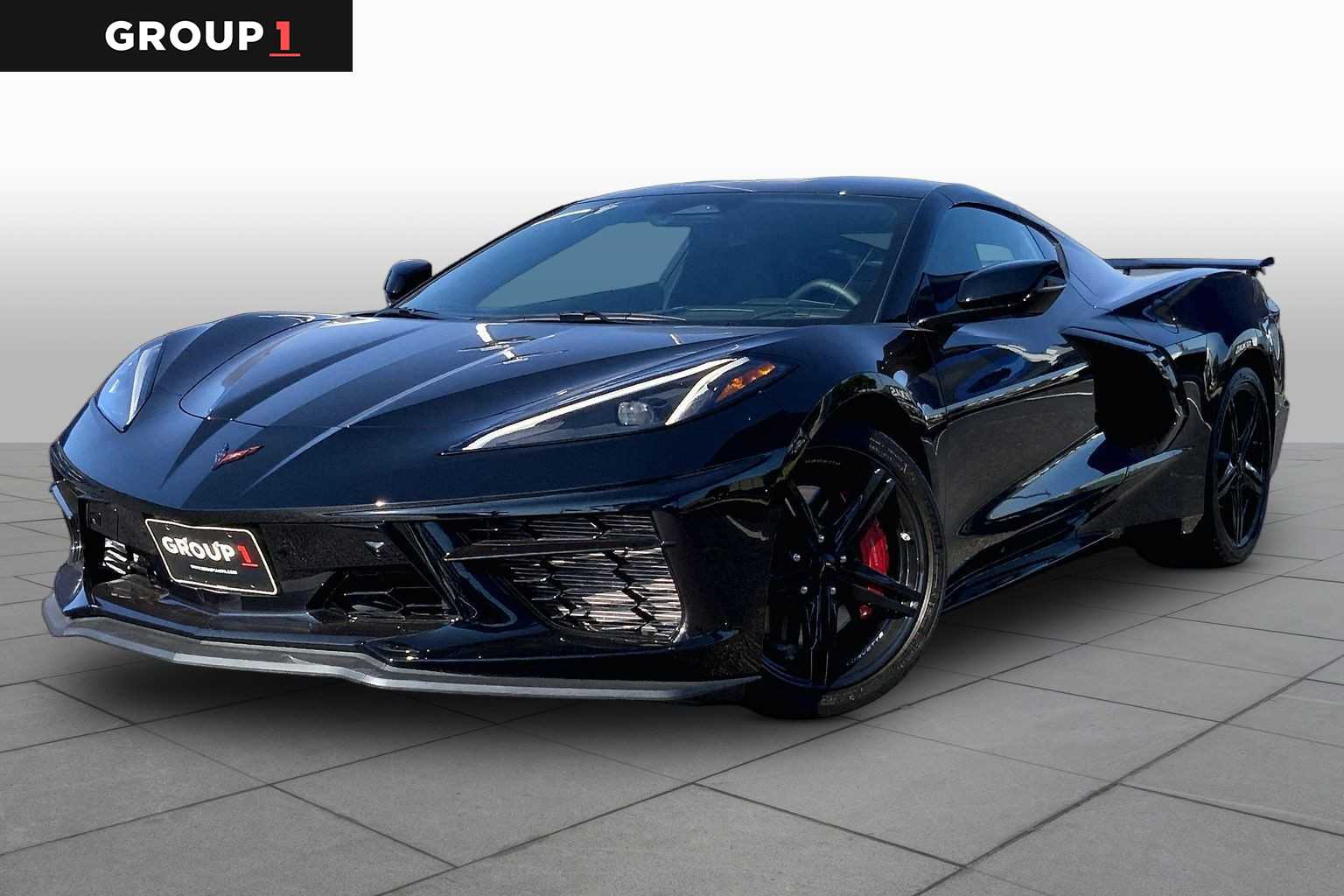
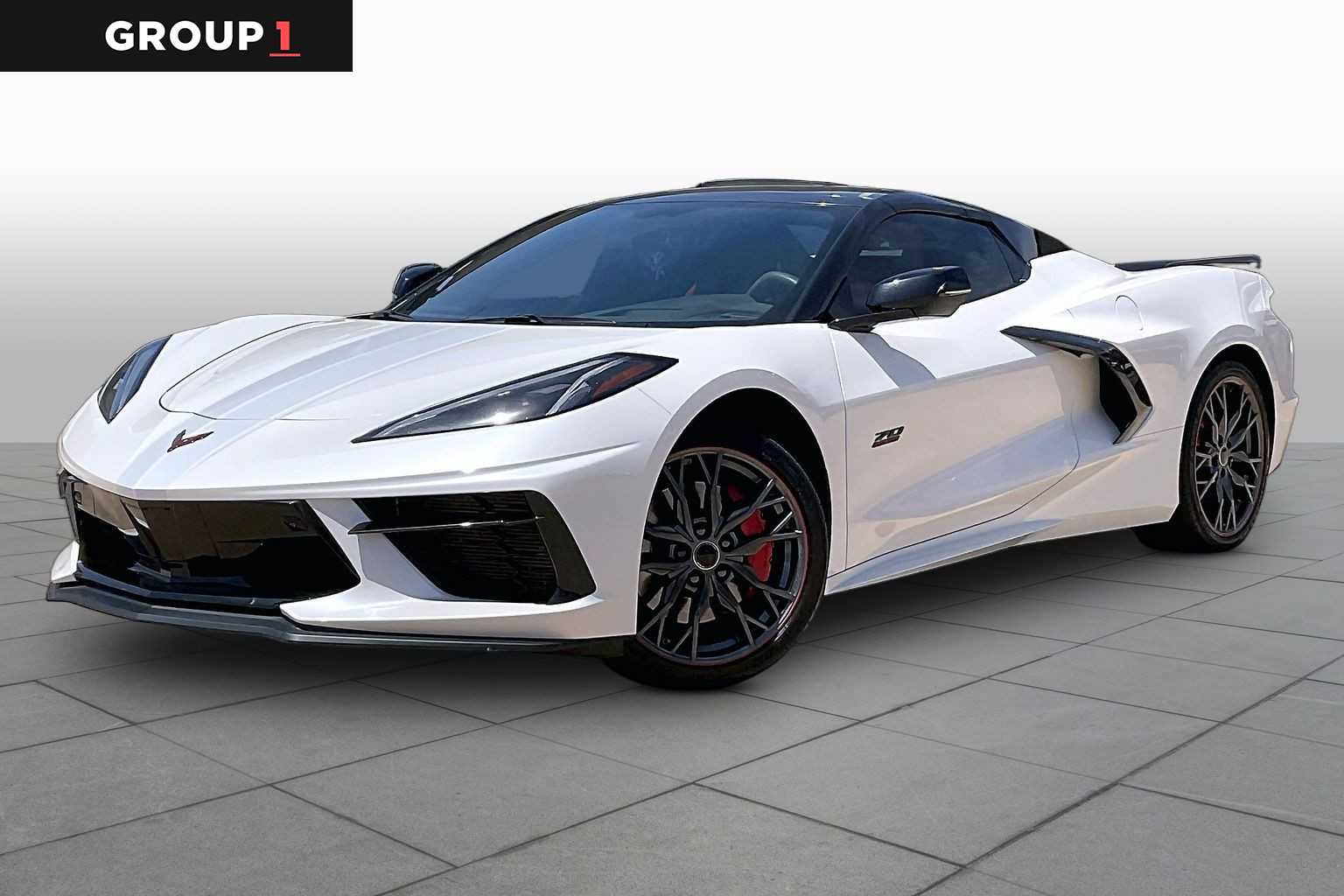
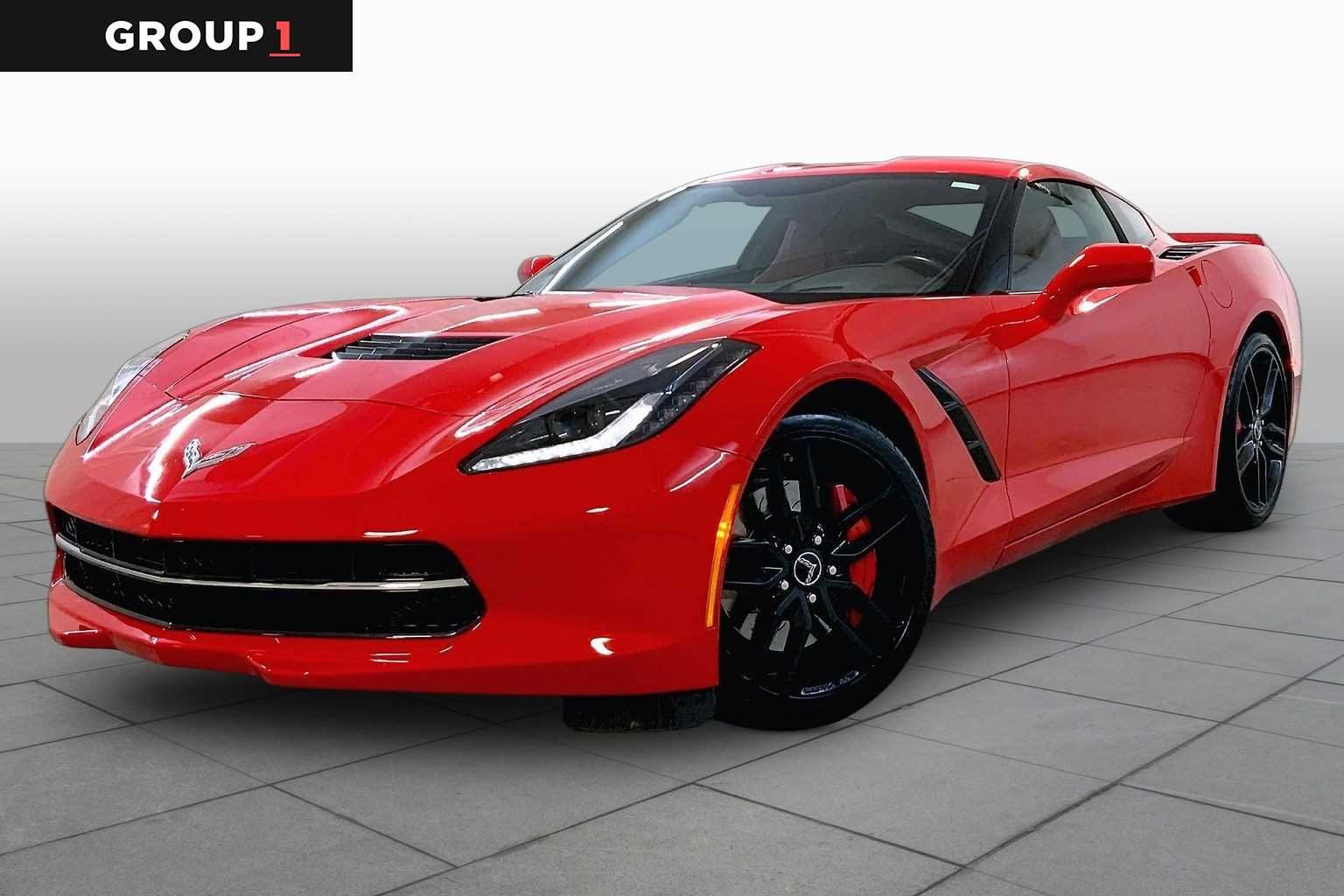
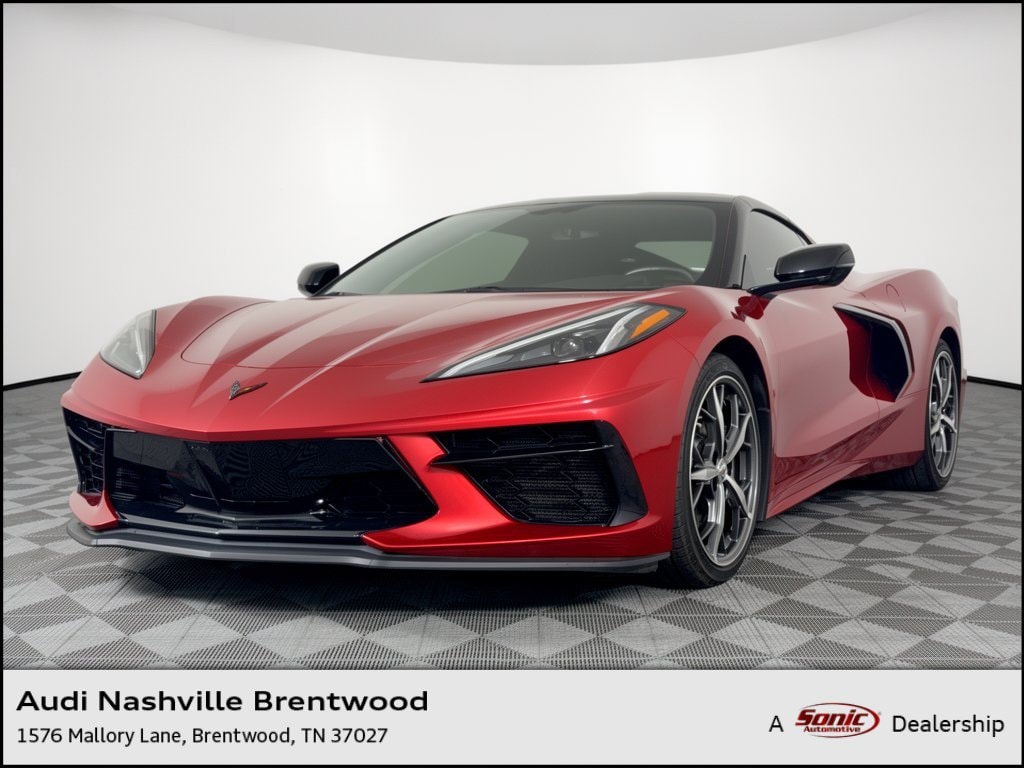
gasoline, automatic, 65K km, Rear Wheels Drive, 6,200 cm3, 495 hp, red, 1LT, Used condition, USA, In stock
SonicAutomotive.com
 Brentwood, United States
 Brentwood, United States
 Wayne, United StatesWayne, United StatesWayne, United StatesWayne, United States
 Chevrolet, United States
 Chevrolet, United StatesChevrolet, United States
 Chevrolet, United StatesChevrolet, United StatesChevrolet, United StatesChevrolet, United StatesChevrolet, United StatesChevrolet, United StatesChevrolet, United StatesChevrolet, United StatesChevrolet, United StatesChevrolet, United StatesChevrolet, United StatesChevrolet, United StatesAustin, United StatesMain Settlement, United StatesMain Settlement, United StatesMain Settlement, United StatesMain Settlement, United States
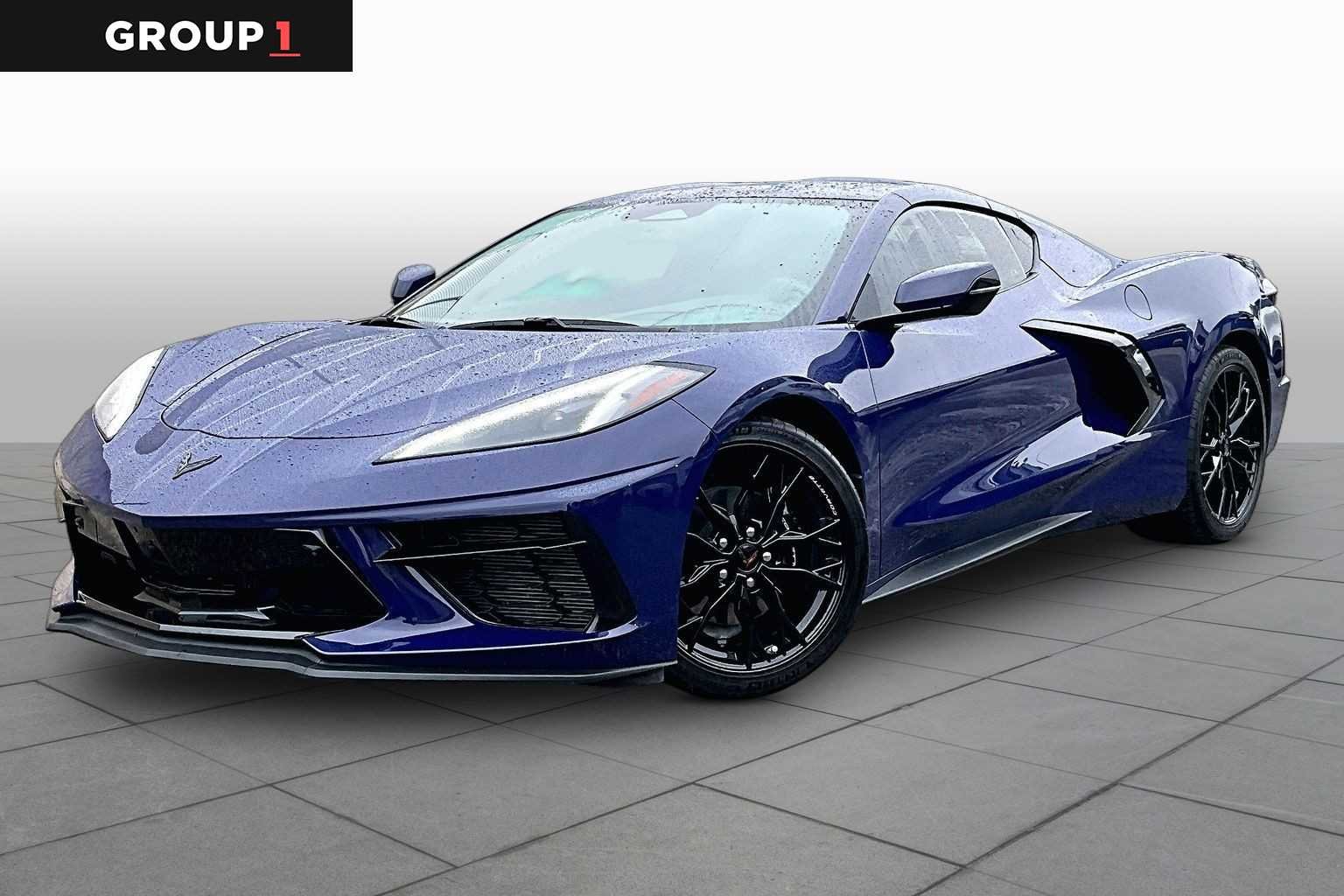
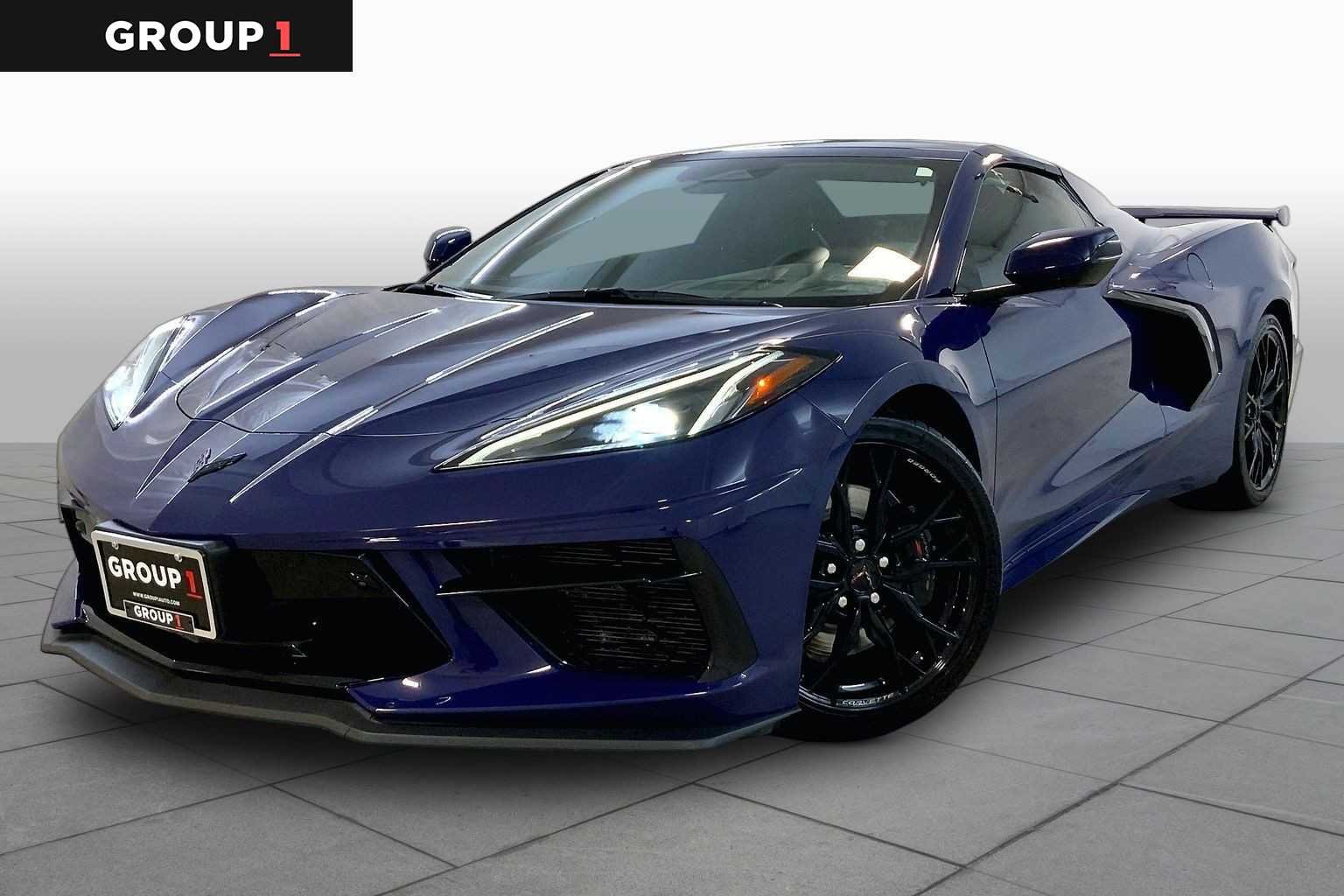
The Chevrolet Corvette stands as an iconic American sports car, renowned for its raw performance, distinctive design, and evolving technology. If you’re considering buying or selling a Corvette, understanding the different generations, configurations, and market factors is essential. This guide focuses on popular choices in major markets, highlighting what to look for in terms of year, mileage, price segments, and maintenance considerations.
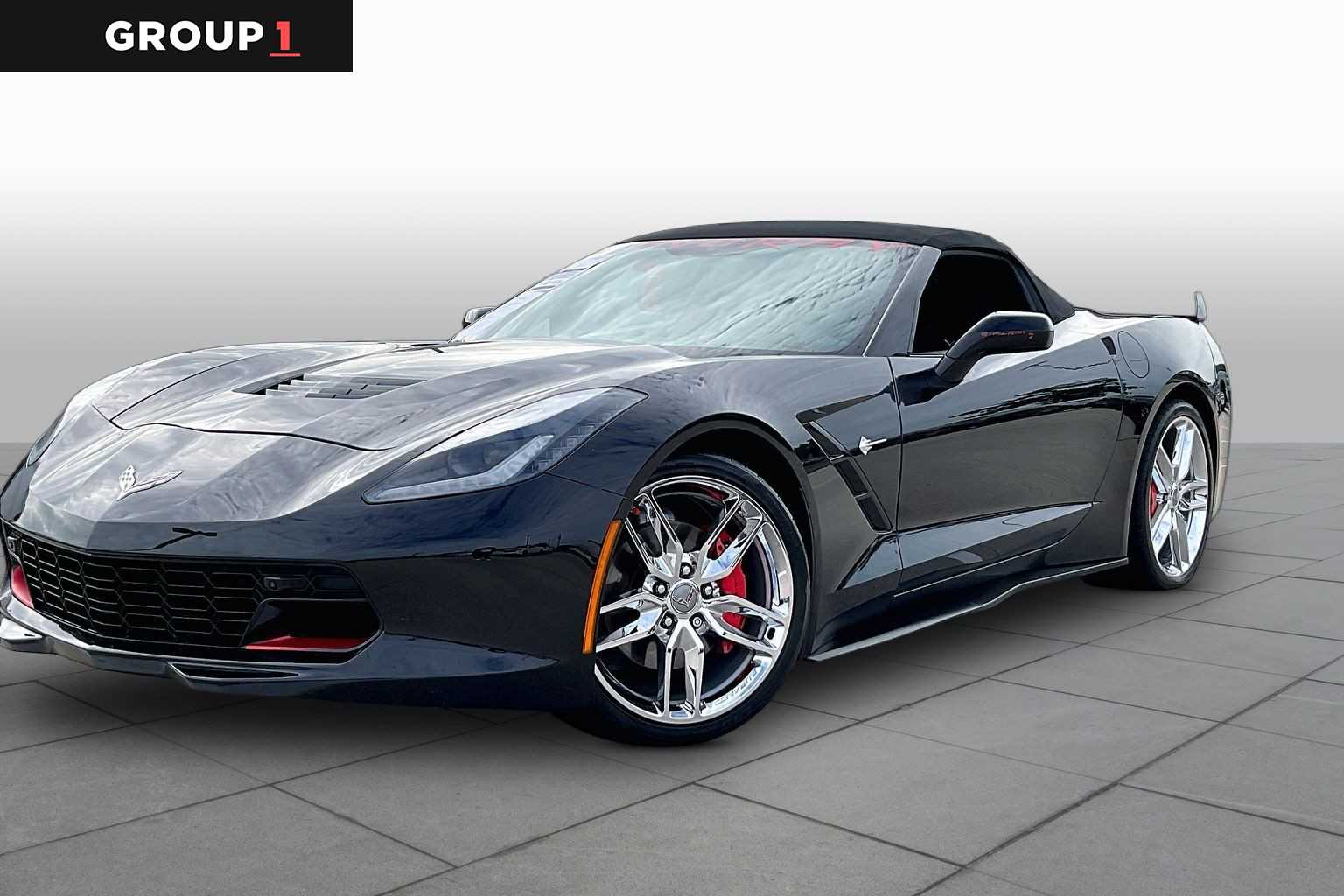
The Corvette lineup has spanned multiple generations, each with its own character. When shopping, pay attention to the model year, generation code, and whether the car uses a traditional V8 rear‑drive layout or a more modern setup with performance exhaust, magnetorheological dampers, and advanced traction systems. Common body types include coupe and convertible, with varying levels of trim that affect horsepower, handling, and interior comfort.
Whether you’re in a big city or a regional market, the same core questions help you evaluate a Corvette:
With these considerations in mind, you’ll be better prepared to negotiate and decide whether to buy from a dealer, a private seller, or through a certified program.
If you’re aiming to maximize resale value, focus on well-documented history, clean accident reports, and a balanced set of options that align with the most sought-after trims. For buyers, a thorough pre‑purchase inspection and a clear second‑hand history can protect your investment while ensuring excellent driving enjoyment.
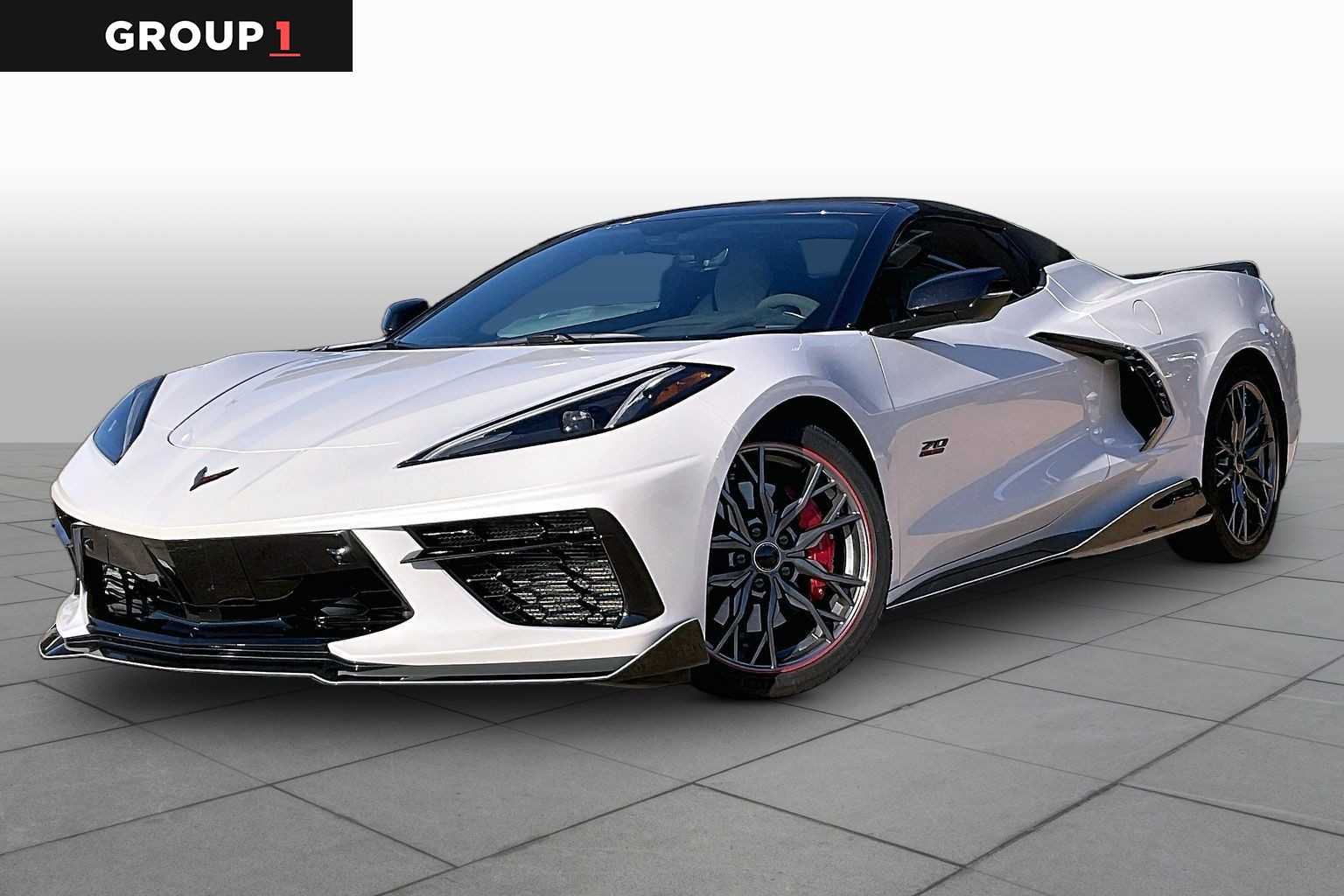
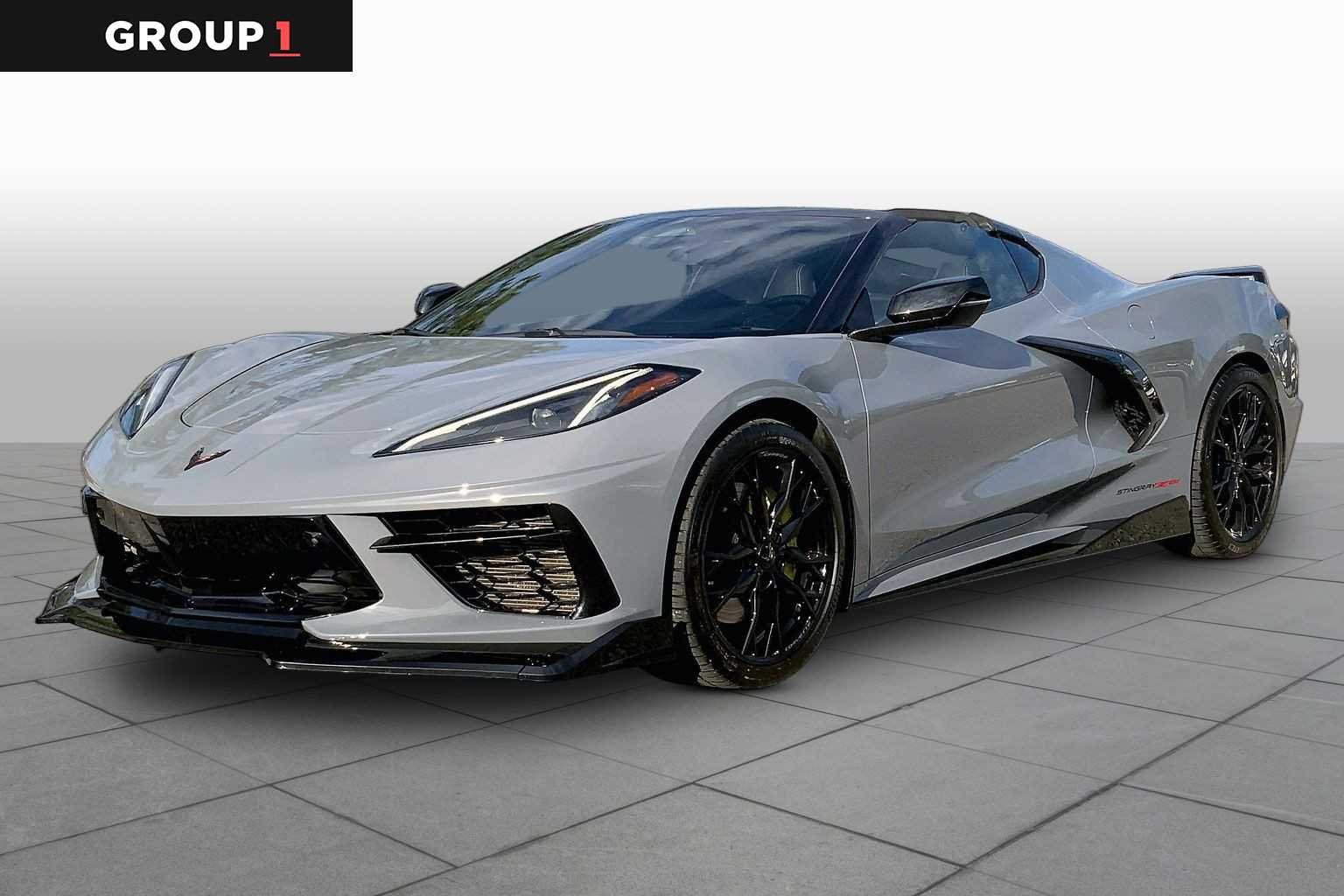
In any market, the Chevrolet Corvette remains a benchmark for performance and style. Whether you’re eyeing a classic C4, a modern C7, or the latest mid‑engine generations, aligning your choice with your budget, driving style, and ownership plans will yield the best outcome.
 Add as preferred sourceSee more from zvelta in Google Search Add as preferred source