 EN
ENDEALER
24.995 US$DEALER
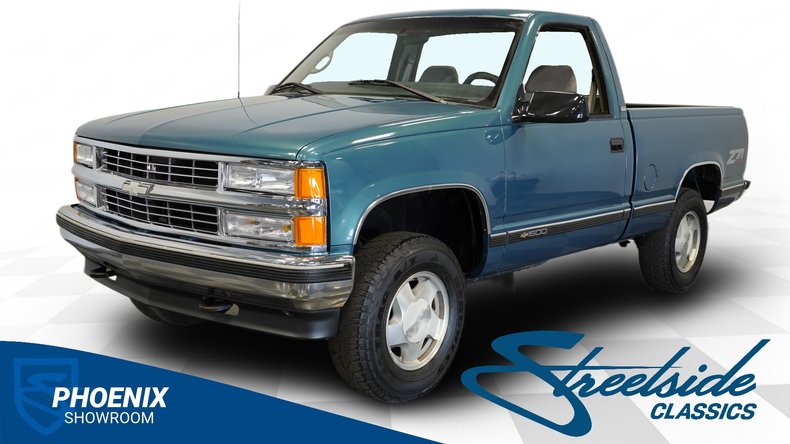
Chevrolet: C/K, 1998, automatic, 237K km, 5,700 cm3, 5.7 Liter V8

StreetSideClassics.com
 United States
 United StatesUnited StatesUnited StatesUnited StatesUnited StatesOnly, United StatesUnited StatesUnited StatesFort Worth, United StatesUnited StatesUnited States
When you’re in the market for a Chevrolet C/K, you’re looking at a classic pickup that blends durability with practicality. Whether you’re shopping in a bustling city or a quieter town, understanding the key details of each generation helps you find a model that fits your needs and budget. The Chevrolet C/K lineup spans several generations, including the full-size pickups that fans remember for their rugged simplicity. From regular cab to extended cab configurations, and from gasoline to diesel options, these trucks have served as workhorses for families and businesses alike.
If you’re buying, consider the model year, mileage, body type, and engine choice. Common questions include: Which engine offers the best balance of reliability and fuel economy? Is a diesel version worth the extra cost for heavy-duty tasks? How does maintenance affect value in your country’s market? Sellers should be ready to answer about rust prevention, transmission condition, and service history. A well-documented maintenance log can significantly boost buyer confidence.
When comparing generations, you’ll notice differences in cabin comfort, payload capacity, and overall ride quality. Older trucks tend to be simpler and easier to repair, while later models bring updated interiors and modern conveniences. If you’re in a city with narrow streets, a shorter wheelbase or lighter configuration might be preferable for maneuverability.
For sellers, presenting a clear summary helps attract serious buyers: recent maintenance records, clear photos of the engine bay and undercarriage, and an honest note on any cosmetic or mechanical concerns. A well-lit listing that highlights the truck’s payload capacity, bed length, and cab configuration can lead to quicker, smoother negotiations.
If you’re aiming to buy or sell a Chevrolet C/K, leverage local listings and trusted dealers to benchmark fair pricing. Understanding the intersection of year, mileage, fuel type, and body style will guide you toward a smart decision and a smooth transaction.
 Add as preferred sourceSee more from zvelta in Google Search Add as preferred source