EN
ENDEALER
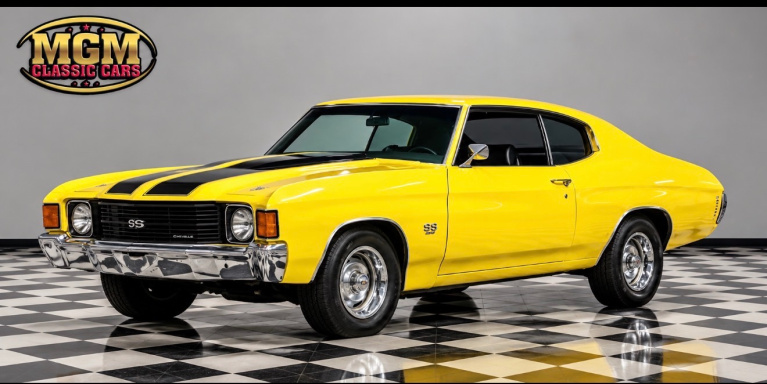
coupe, yellow, 454, Used condition, In stock

MgmClassicCars.com
 United States
 United States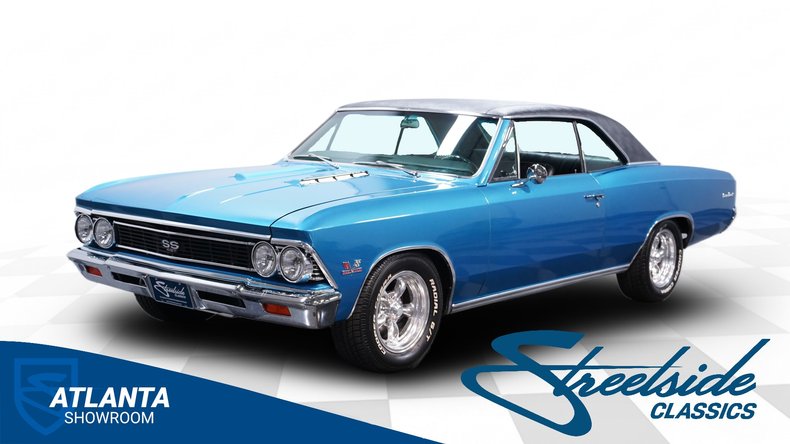
 United StatesUnited StatesUnited StatesUnited StatesTampa, United StatesUnited StatesUnited StatesUnited StatesUnited StatesUnited StatesUnited StatesUnited StatesUnited StatesUnited StatesUnited StatesUnited StatesUnited StatesUnited StatesUnited StatesUnited StatesFort Worth, United StatesUnited StatesTampa, United StatesUnited States
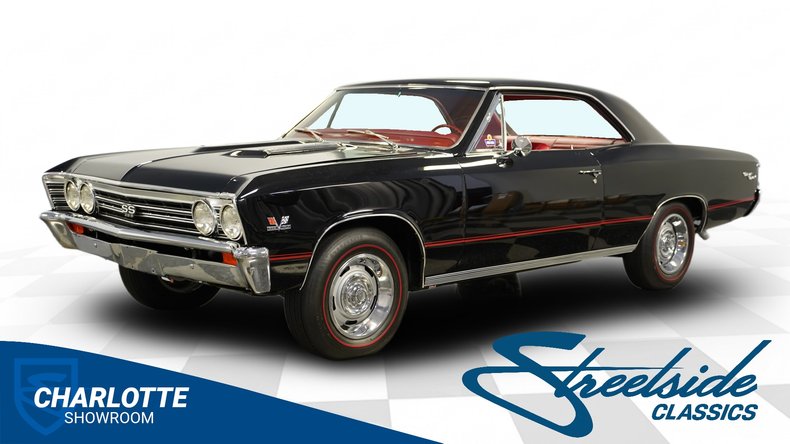
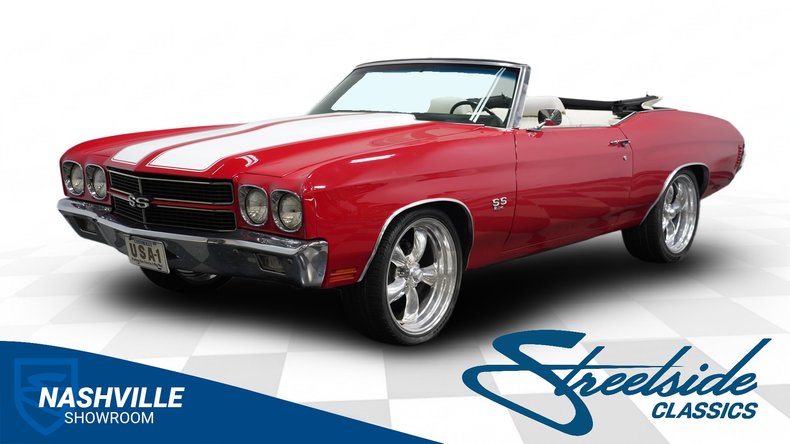
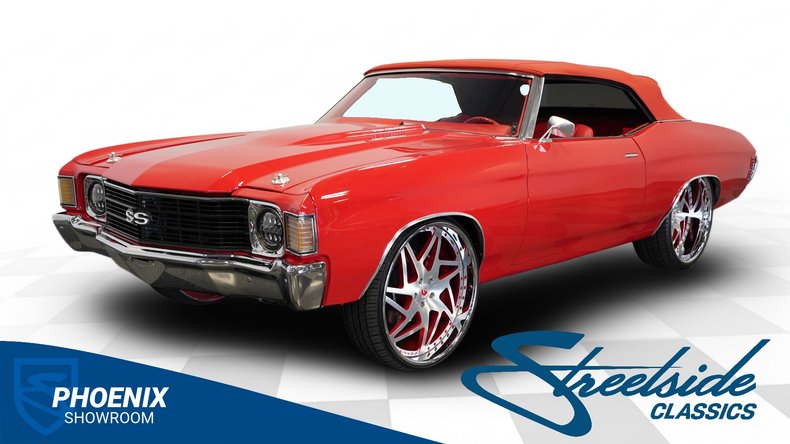
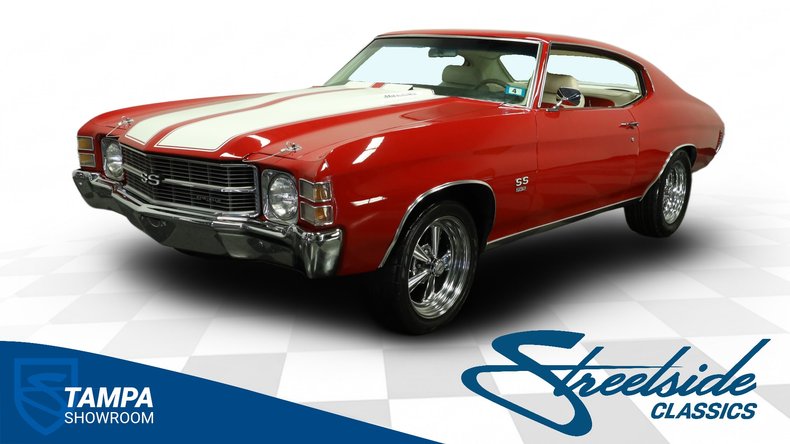
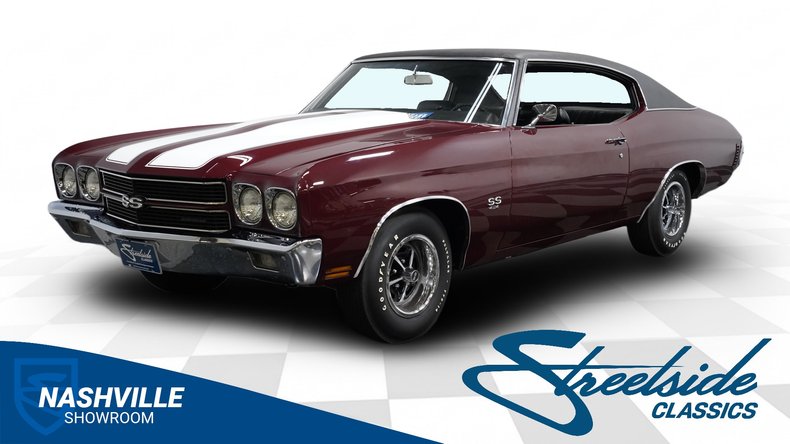
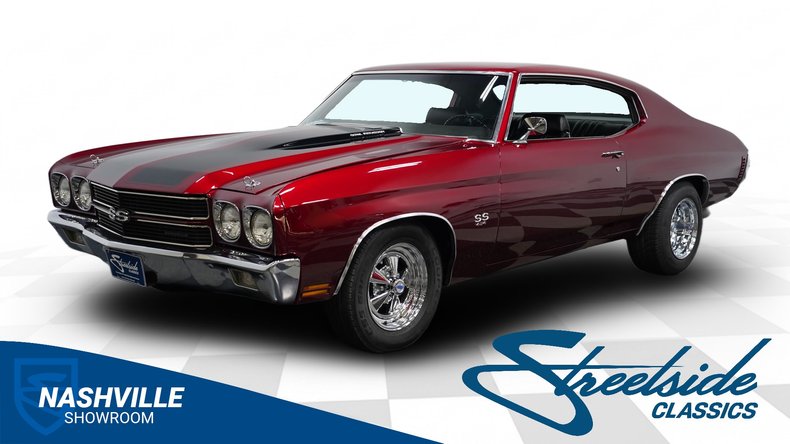
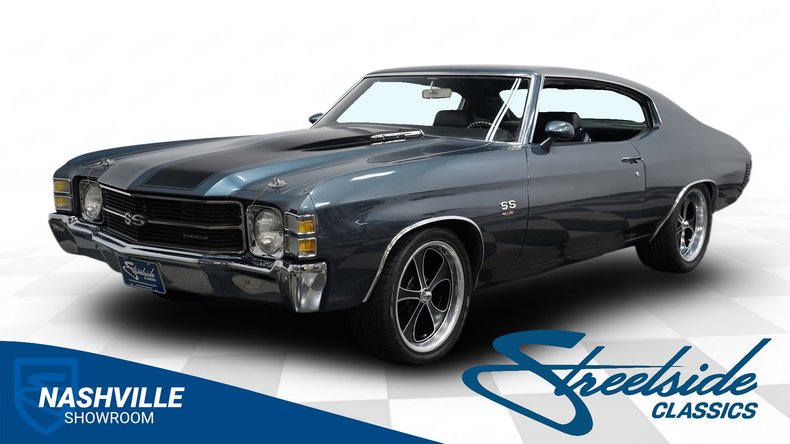
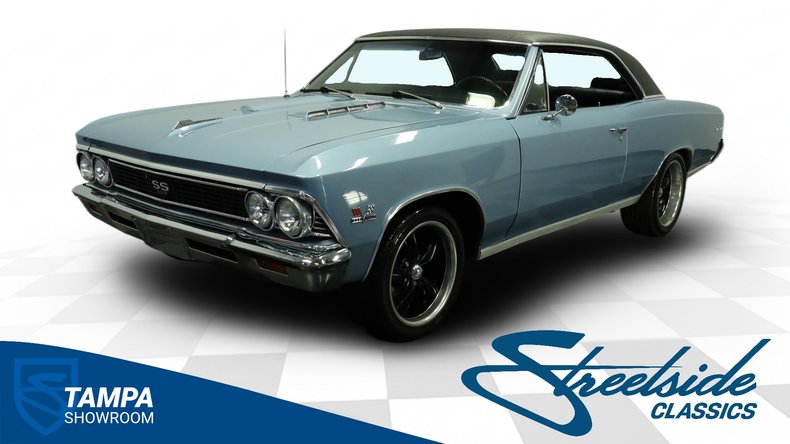
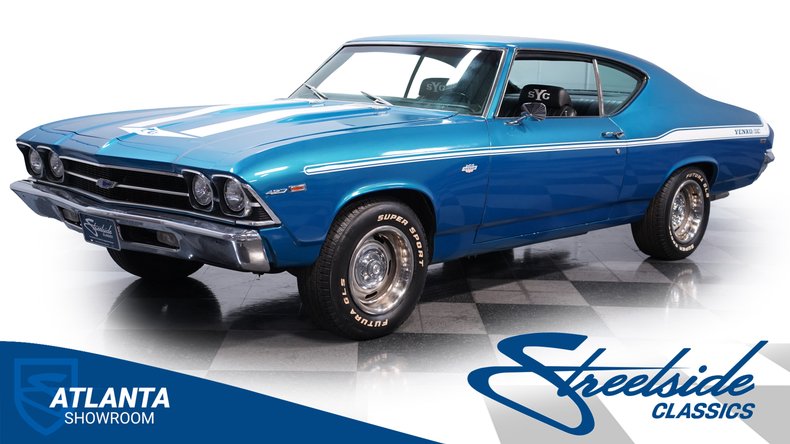
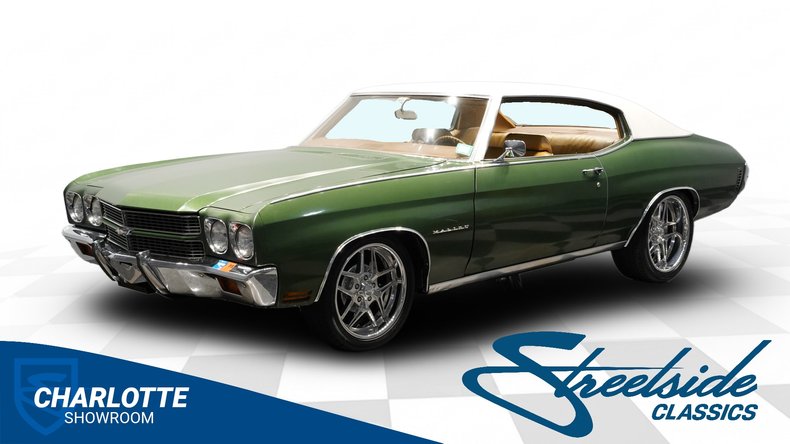
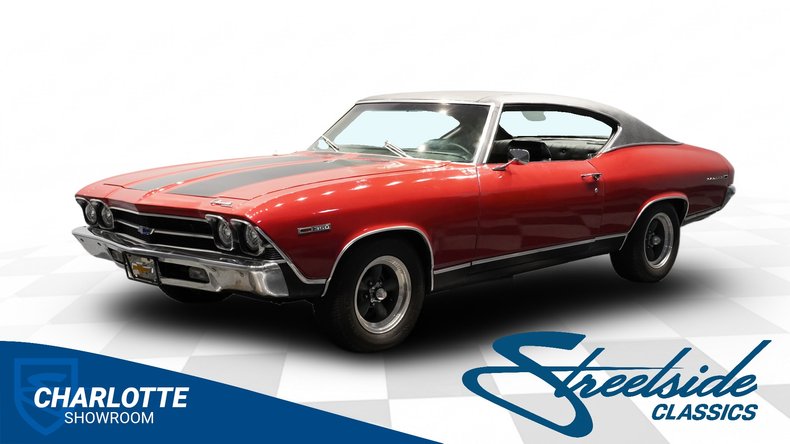
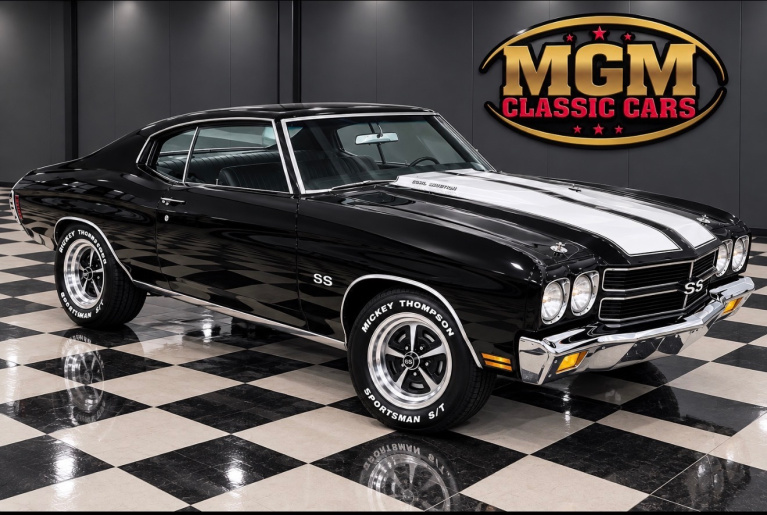
The Chevrolet Chevelle is a classic American muscle car that draws attention from collectors and enthusiasts alike. Whether you are looking to buy a well-preserved vintage Chevelle or plan to sell a project car, understanding the different generations, configurations, and market values is essential. This guide helps you navigate the key factors that influence price and desirability in today’s market, with practical advice for buyers in major cities and regions where_chevrole Chevelle models are popular.
Chevelle production spanned multiple generations, each offering distinct options. The most sought-after models often feature a V8 engine, with body styles ranging from two-door coupes to four-door sedans and wagons. When evaluating a vehicle, consider:
When considering a Chevrolet Chevelle listed in different regions or cities, buyers commonly ask:
If you are shopping in major markets, you will see Chevelles in various price segments. A well-preserved, matching-numbers Chevelle in good condition with desirable options may sit in the mid-to-upper price range, while project cars or unrestored examples often sit lower but require a larger investment in restoration.
Prices depend heavily on year, engine, and originality. In many markets, a clean, original Chevelle in good condition with a strong documentation trail can command a premium. Restored examples may fall into a broader range depending on finishes and provenance. Boxy sedans and station wagons tend to attract different collector segments compared with flashy two-door coupes.
If you are unsure which Chevelle generation or engine to prioritize, consider the intended use: weekend shows, daily driving, or long-term investment. A well-chosen Chevelle that matches your goals will typically yield the most satisfaction and potential resale value.
 Add as preferred sourceSee more from zvelta in Google Search Add as preferred source