 EN
DEALER
13.995 US$DEALER
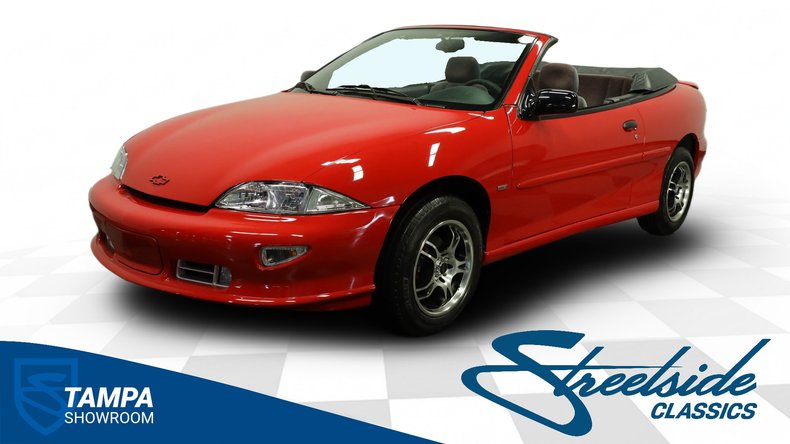
Chevrolet: Cavalier, 1999, automatic, 113K km, 2,400 cm3, 2.4 L

StreetSideClassics.com
 United States
 United States
The Chevrolet Cavalier is a compact sedan that has attracted buyers looking for reliable daily transport and economical running costs. If you’re considering a Chevrolet Cavalier, whether to buy or to sell, you’ll want to understand how different generations, engine options, and mileage affect price and desirability in your city. In this guide we cover key factors to help you navigate the local market, from choosing the right year and engine to evaluating body condition and overall value.
When you’re shopping for a Cavalier, start with the basics: year, mileage, and body type. Popular variants include sedans with four doors and, depending on the market, options such as automatic or manual transmissions. Look for a well-documented service history and inspect for rust on common spots like wheel arches, doors, and the underbody. Consider the engine and fuel type—petrol engines are common in many markets, but some Cavalier models may use alternative fuel setups. A fair price range often depends on the model year and mileage; lower-mileage cars in good condition typically command higher offers.
To compare listings in your city, gather a few core data points: year, mileage, asking price, trim level, and whether the vehicle has any notable features or recent maintenance like timing belt replacements or brake work. If possible, arrange a test drive to assess acceleration, steering response, braking feel, and cabin noise. Don’t forget to check for accident history and any major repairs that could impact long-term reliability.
If you’re putting a Cavalier on the market, emphasize usable condition and value. Start with a clean, detailed description that mentions year, mileage, transmission type, fuel, and any recent work, such as new tires or a replaced battery. High-quality photos showing the exterior, interior, engine bay, and the odometer help buyers form an accurate impression. Be transparent about any cosmetic or mechanical issues to build trust.
Create a competitive price by comparing similar Cavalier listings in your city, noting how mileage, color, and trim level affect the asking price. Highlight any extra assets like a recent maintenance service, a clean title, or included accessories. Offering flexible meeting times and safe payment options can also improve buyer interest. Remember, the goal is to present a realistic value that reflects local demand while avoiding overpricing.
The Cavalier lineage includes several generations, each with its own characteristics. For buyers, the decision often comes down to mileage, condition, and availability of spare parts locally. If you plan long-term ownership, look for a well-documented service history and signs of consistent maintenance. If you’re focused on minimal running costs, compare fuel economy figures and consider a model with a balanced trim that still offers essential comfort and safety features.
For sellers, highlight the model year, generation, and any maintenance history that demonstrates road-worthiness. A clear record of tires, brakes, and battery replacement can reassure buyers and help justify a fair price. In both buying and selling contexts, knowing your local market’s pricing signals—how much people are paying for Cavalier sedans with similar mileage and age—helps you set or negotiate a more accurate price.
 Add as preferred sourceSee more from zvelta in Google Search Add as preferred source