EN
ENDEALER
1.456 US$DEALER
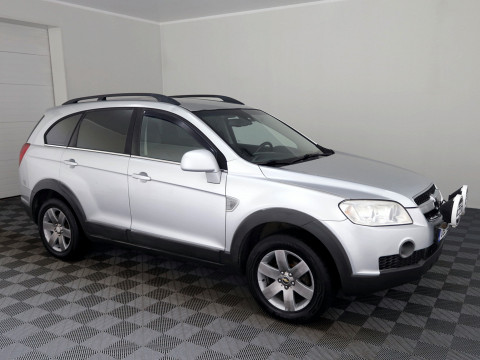
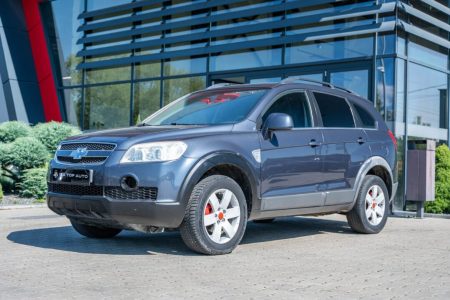
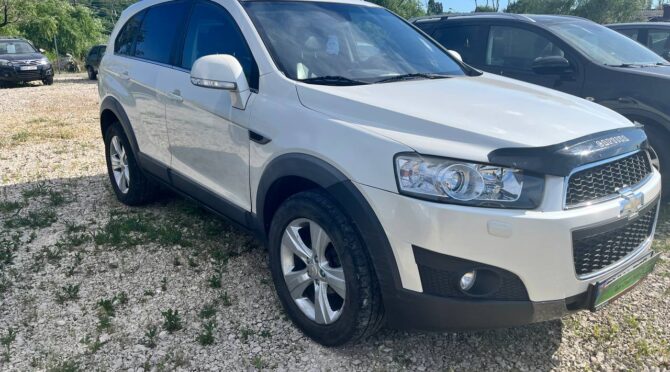
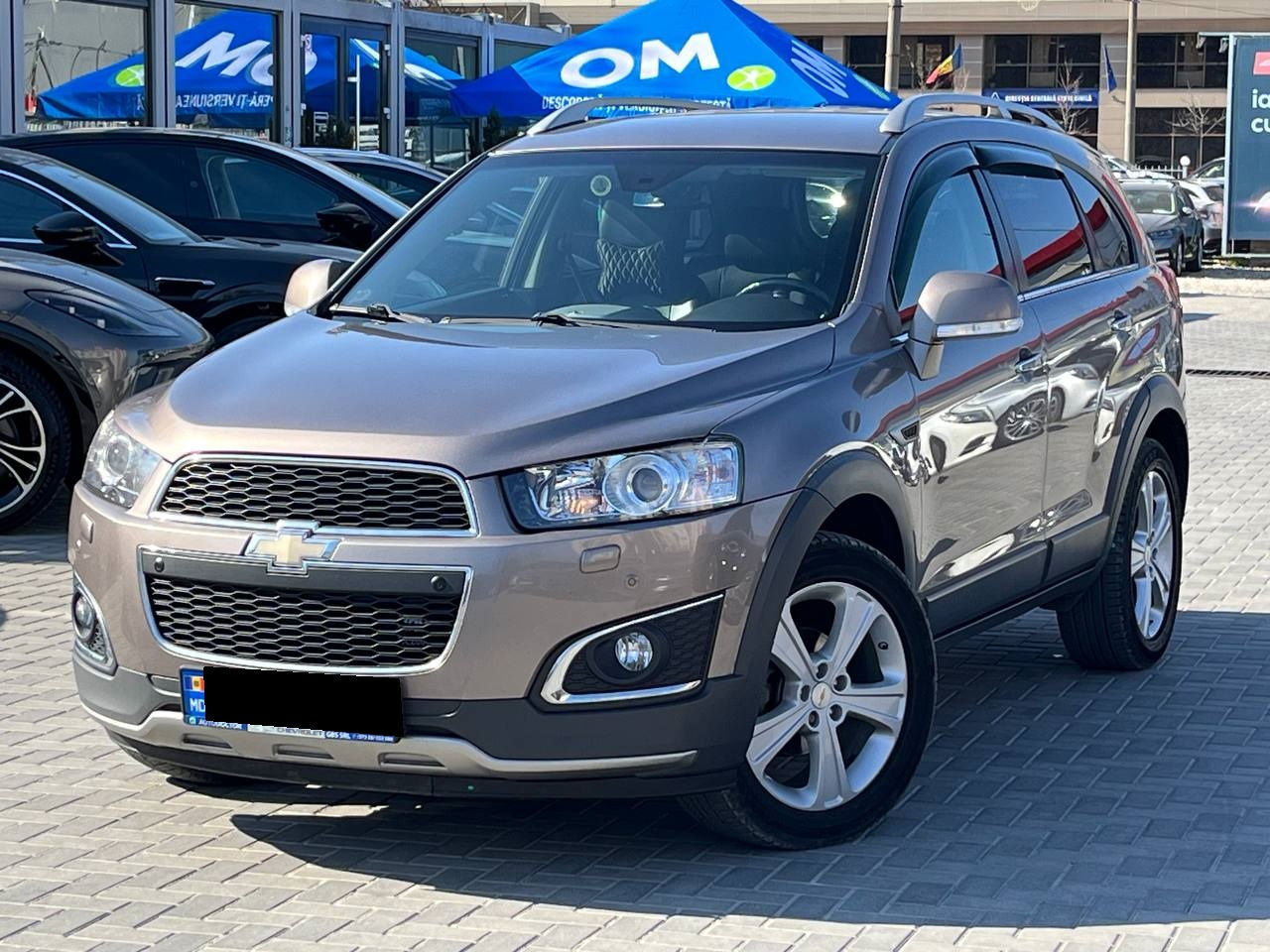
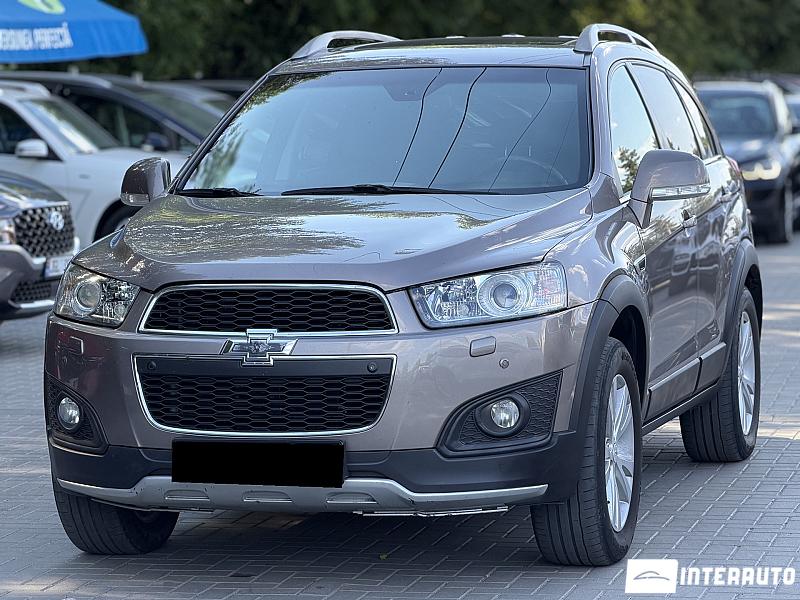
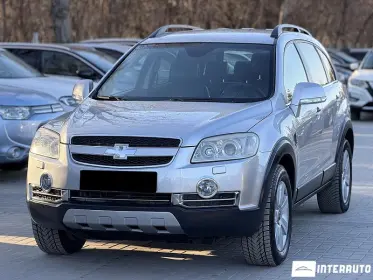
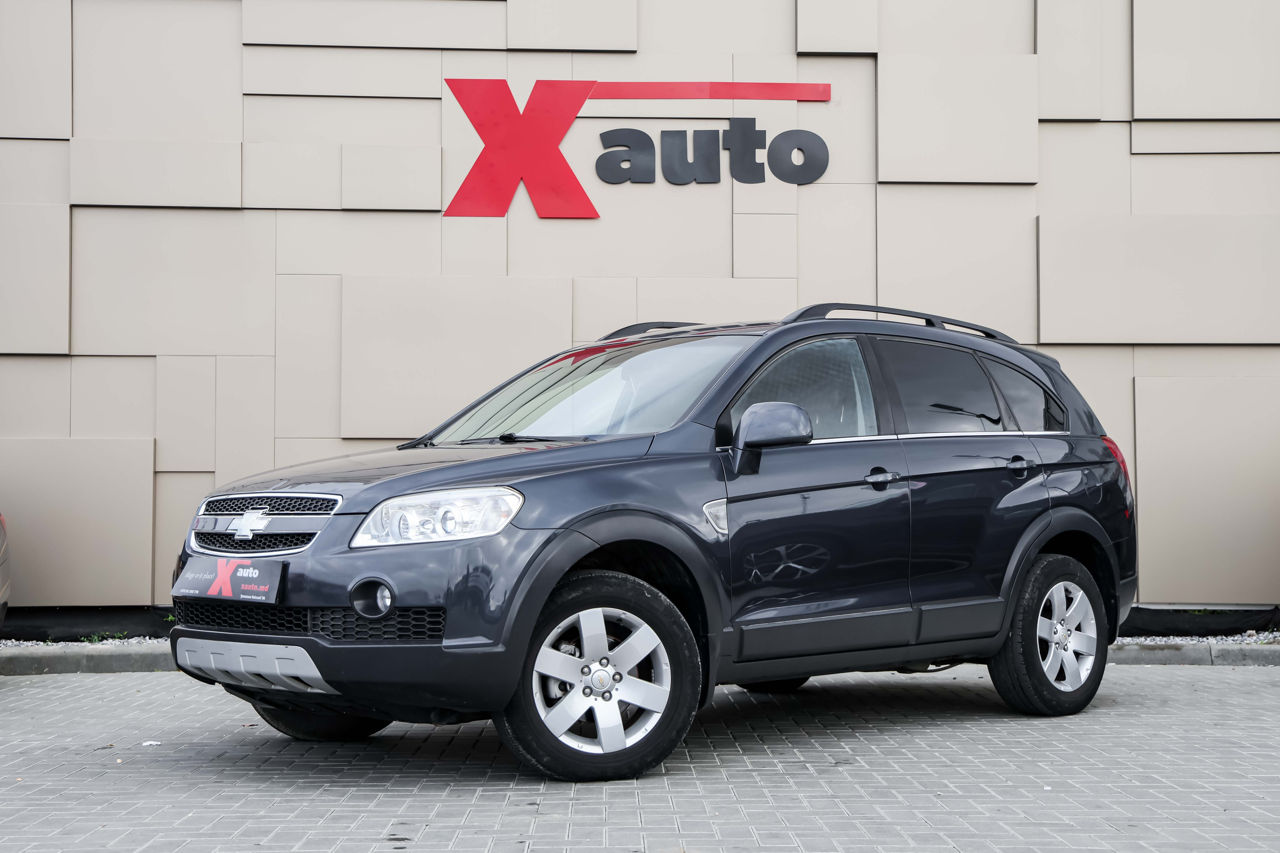
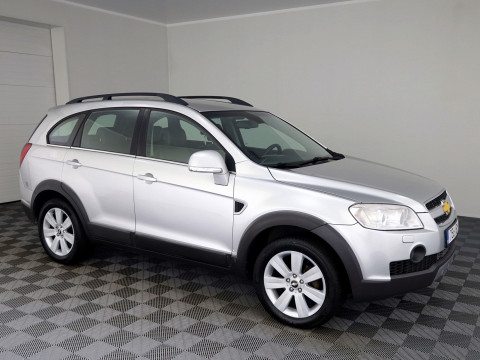
2009, diesel, automatic, 296K km, wagon, All Wheels Drive, 2,000 cm3, grey, Used condition, South Korea, In stock

BaltiCar.com
 Estonia, Harjumaa
 Estonia, HarjumaaEstonia, HarjumaaEstonia, HarjumaaEstonia, Harjumaa
 Poland, Lesser Poland
 Romania, Bihor CountyRomania, Sibiu County
 Poselok Hora, Ukraine
 Romania, Bacău County
 Moldova
 Bălţi, Moldova
 MoldovaMoldovaMoldova, Chișinău MunicipalityChisinau, MoldovaChisinau, Moldova
 Chisinau, MoldovaChisinau, Moldova
 UkraineUkraineUkraine
 UkraineUkraineUkraineUkraine
When you’re in the market for a compact SUV that blends practicality with comfortable everyday driving, the Chevrolet Captiva stands out. This guide walks you through choosing, comparing, and potentially selling or buying a used Chevrolet Captiva, focusing on the most relevant factors for buyers and sellers in urban areas and regional markets. Whether you’re chasing a reliable daily driver, a family-friendly crossover, or a bargain in a specific city, understanding the generations, fuel options, body configurations, and typical price ranges is essential.
The Captiva has evolved through multiple generations, offering various body styles—from compact SUVs to mid-size crossovers—and different engine choices. When assessing a used model, pay attention to:
Prices and availability for the Chevrolet Captiva vary by country and city. When evaluating listings, consider:
If you’re considering selling your Captiva, prepare a clear, honest listing with.
Market positioning matters. In many urban areas, buyers prefer practical, well-maintained Captivas with efficient engines and up-to-date safety features. If you’re trading in, consult multiple dealers to gauge trade-in values and explore private-sale options to maximize return.
Whether you’re buying or selling, being informed helps you navigate Chevrolet Captiva listings more effectively. Compare generations, assess mileage against price, and verify maintenance records to secure a fair deal in your city.
 Add as preferred sourceSee more from zvelta in Google Search Add as preferred source