 EN
ENDEALER
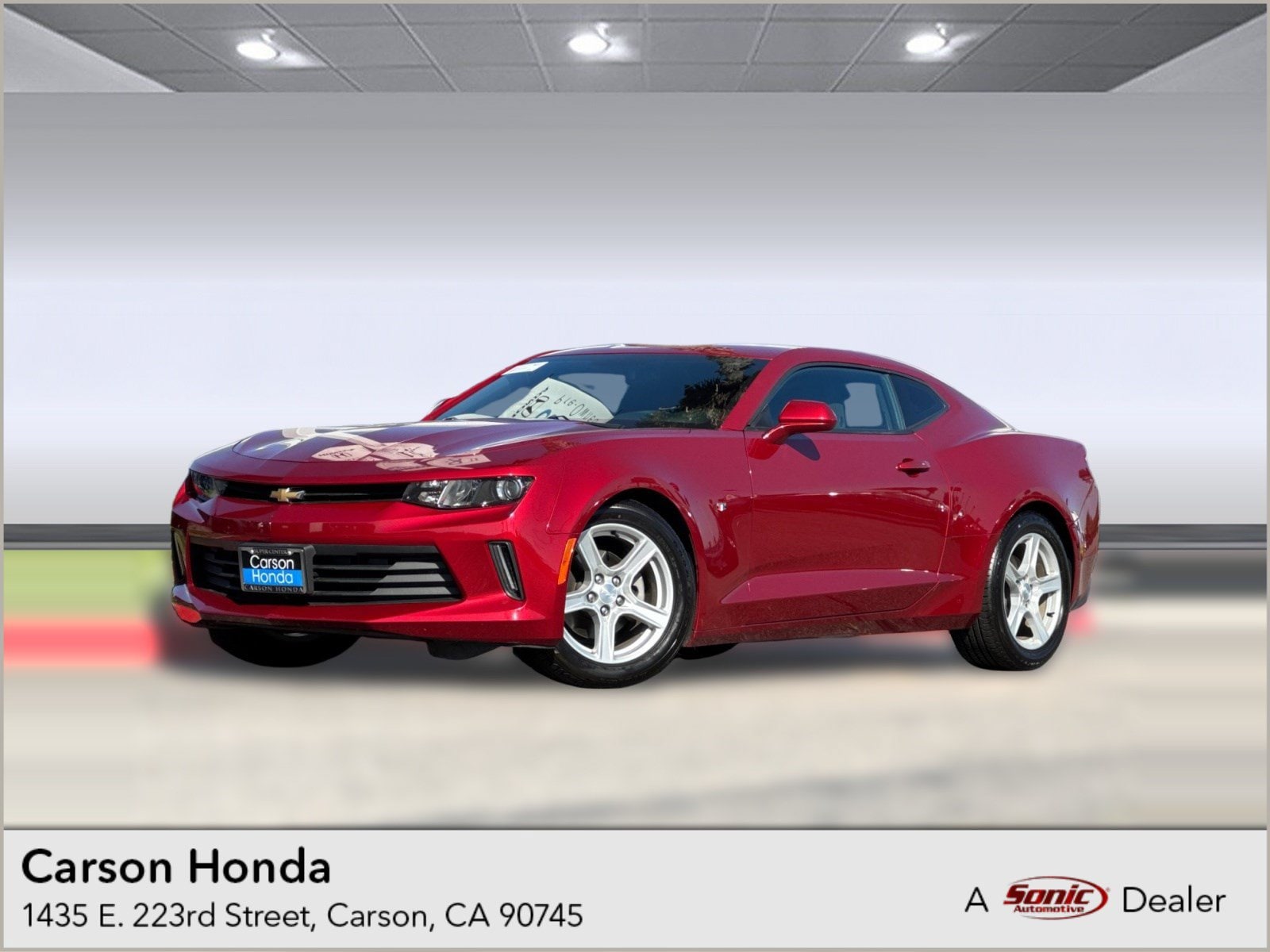
18.168 US$DEALER
18.868 US$
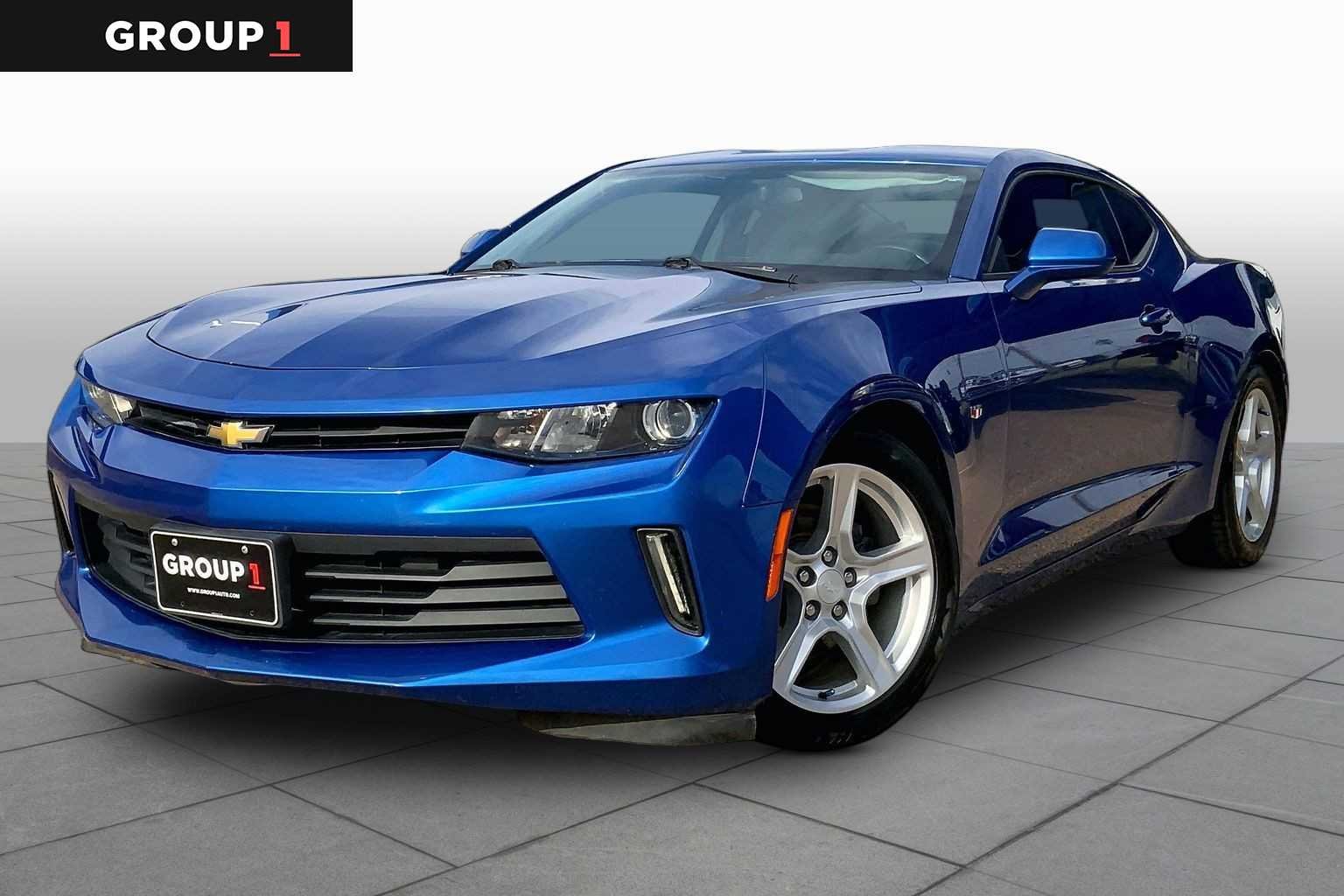
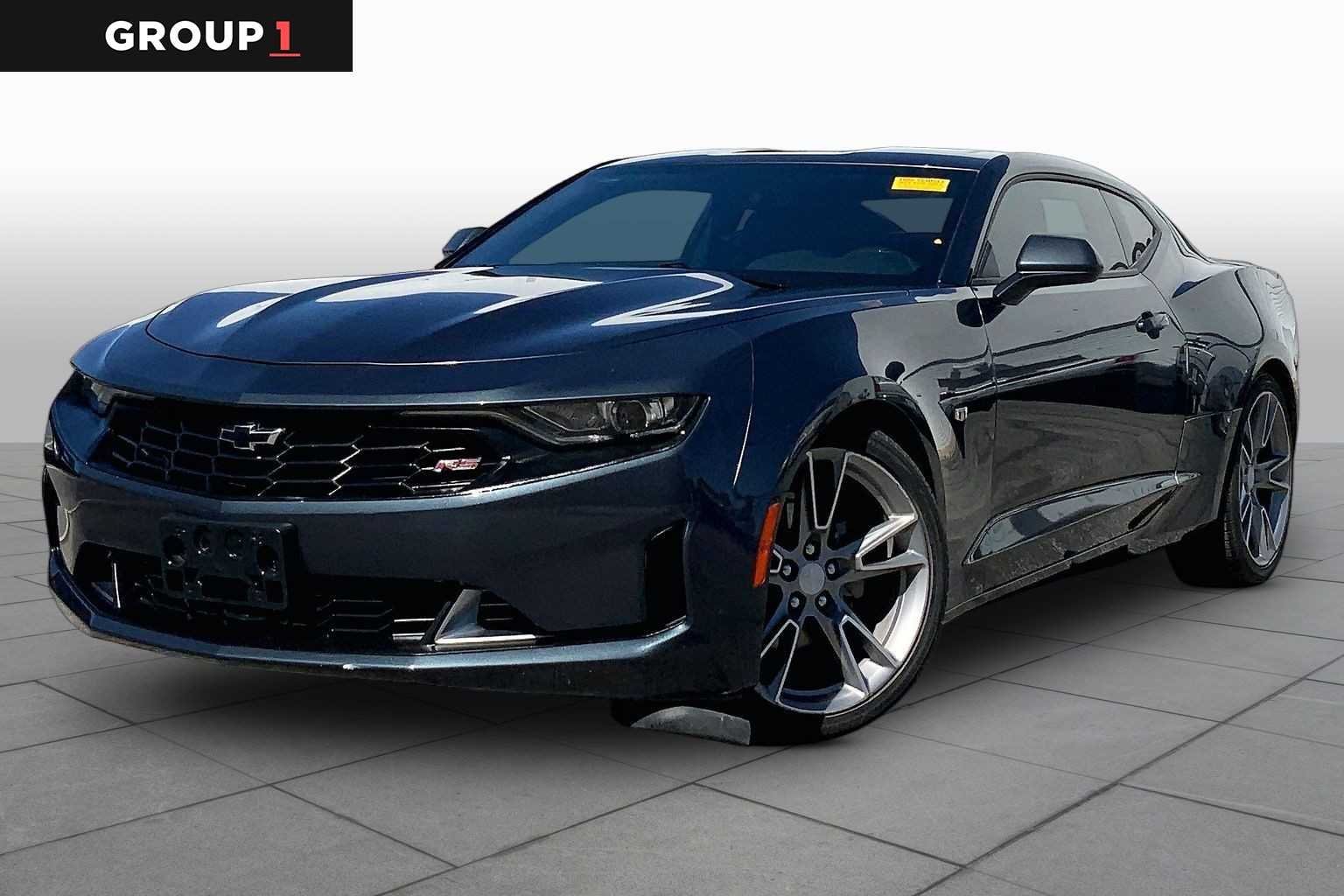
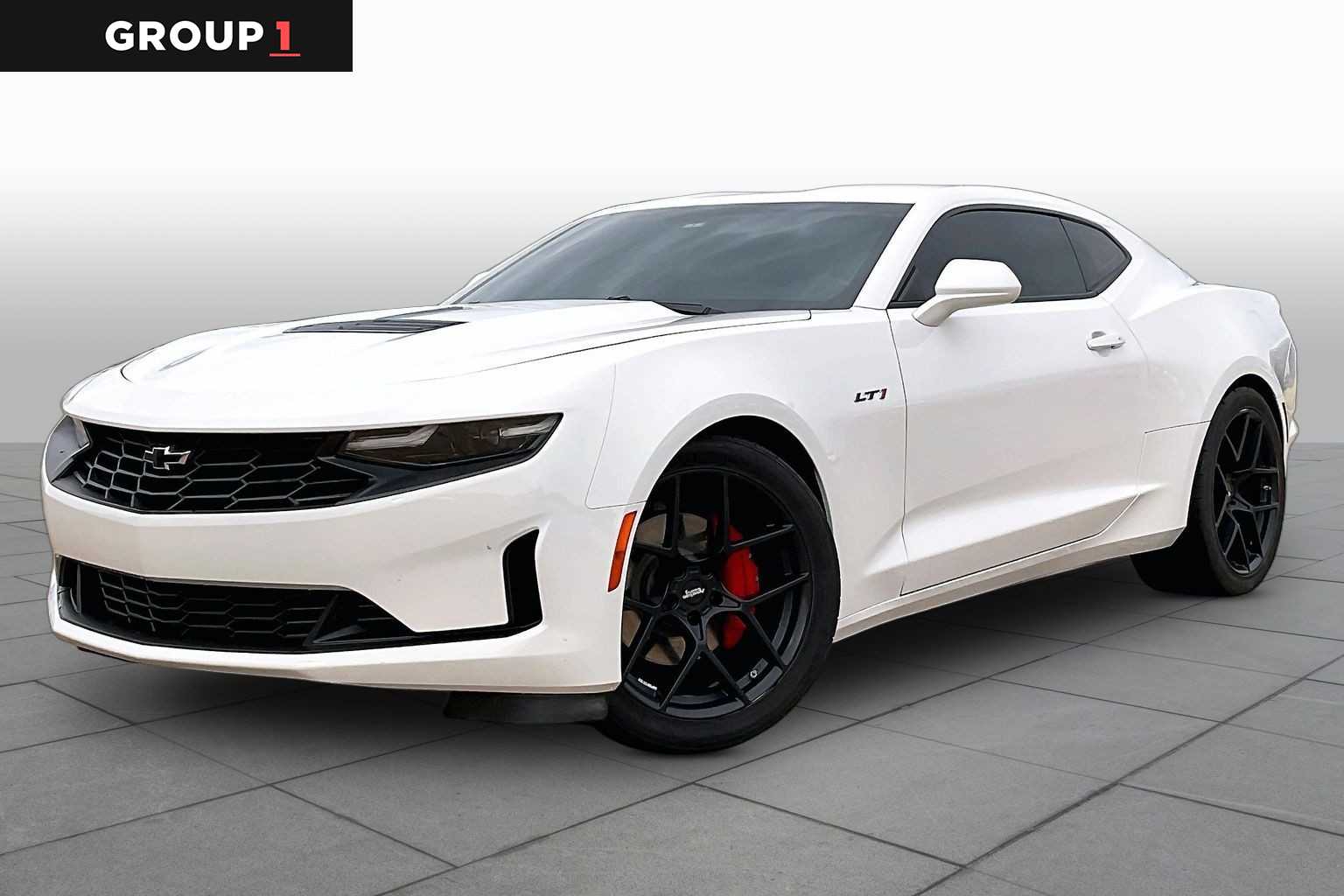
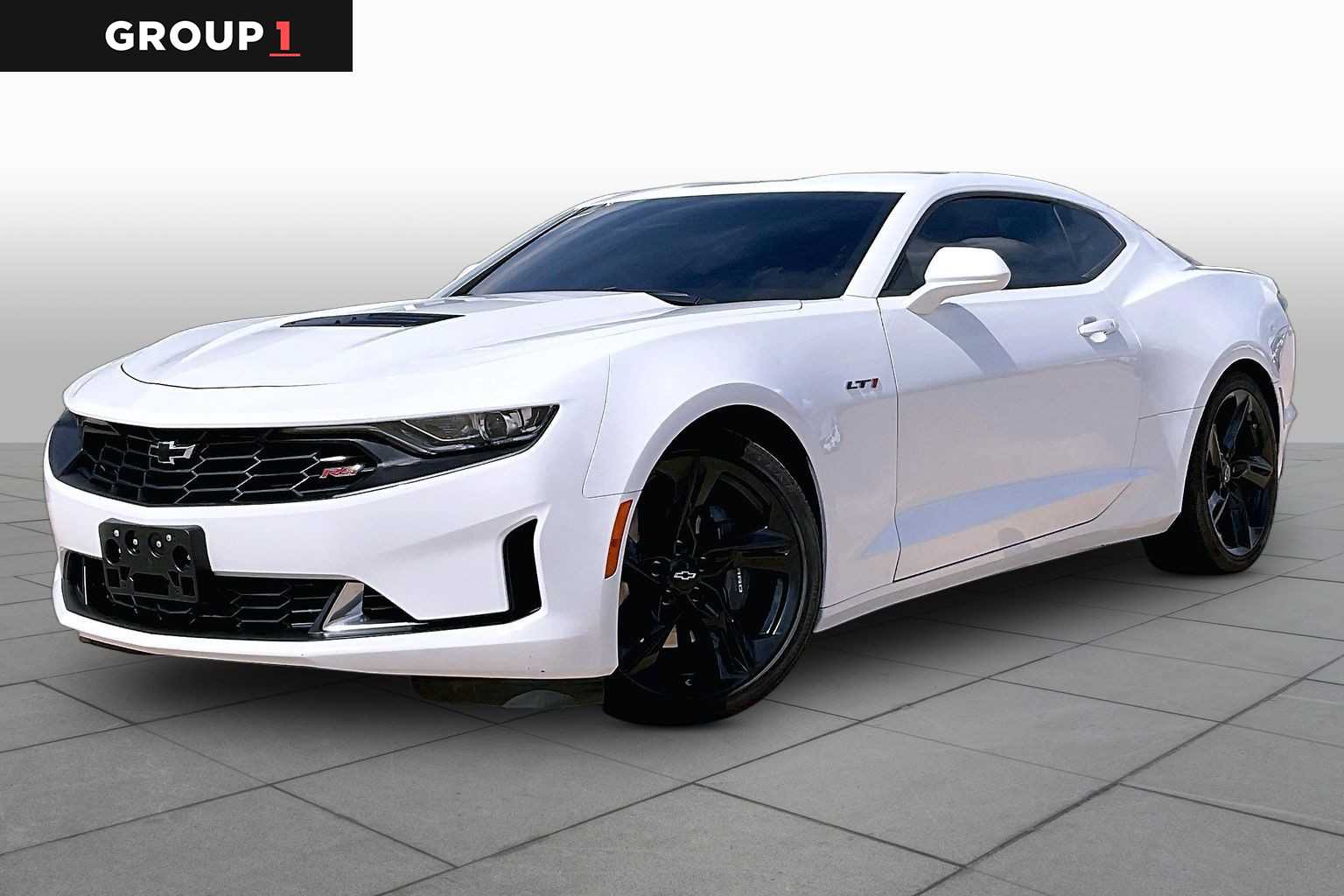
gasoline, automatic, 53K km, Rear Wheels Drive, 3,600 cm3, red, 1LT, Used condition, USA, In stock
SonicAutomotive.com
 Carson, United States
 Carson, United States
 Brentwood, United States
 Chevrolet, United StatesChevrolet, United StatesChevrolet, United StatesChevrolet, United StatesChevrolet, United StatesMain Settlement, United StatesAtlanta, United States
 Columbia, United StatesColumbia, United States
 Metrocenter / North Roads Park, United States
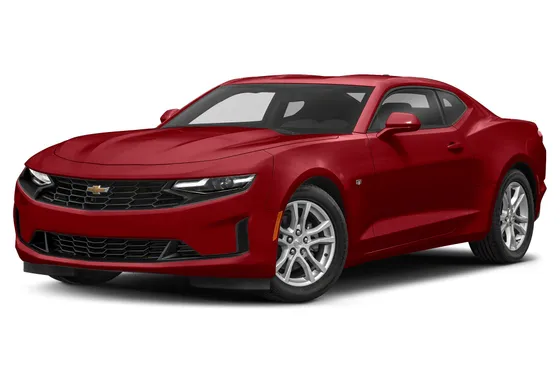 Concord, United StatesCharlotte, United States
 Franklin, United StatesFranklin, United StatesFranklin, United StatesDurham, United StatesCary, United StatesCary, United StatesCary, United StatesCary, United StatesCary, United StatesDuluth, United StatesNorfolk, United States
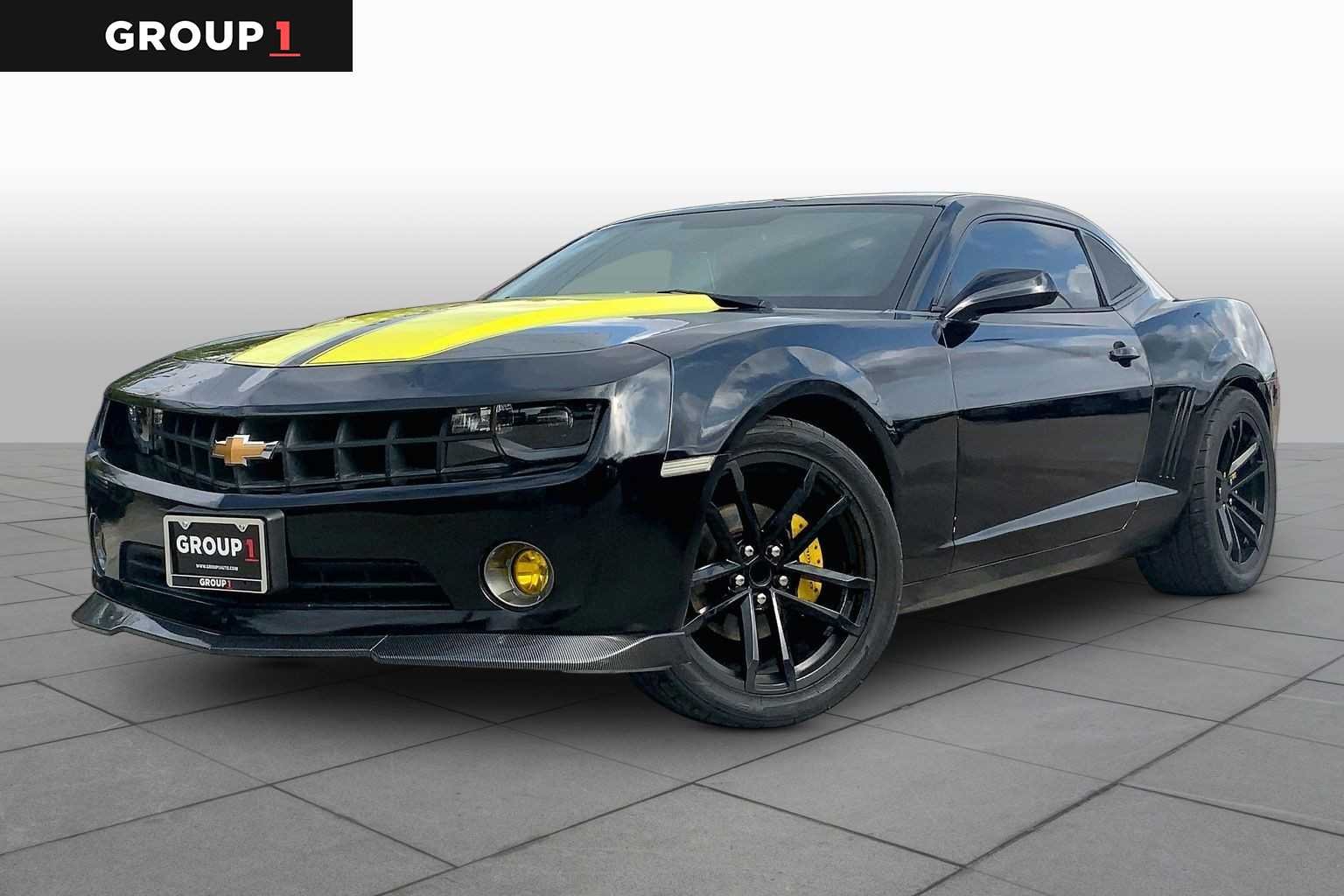
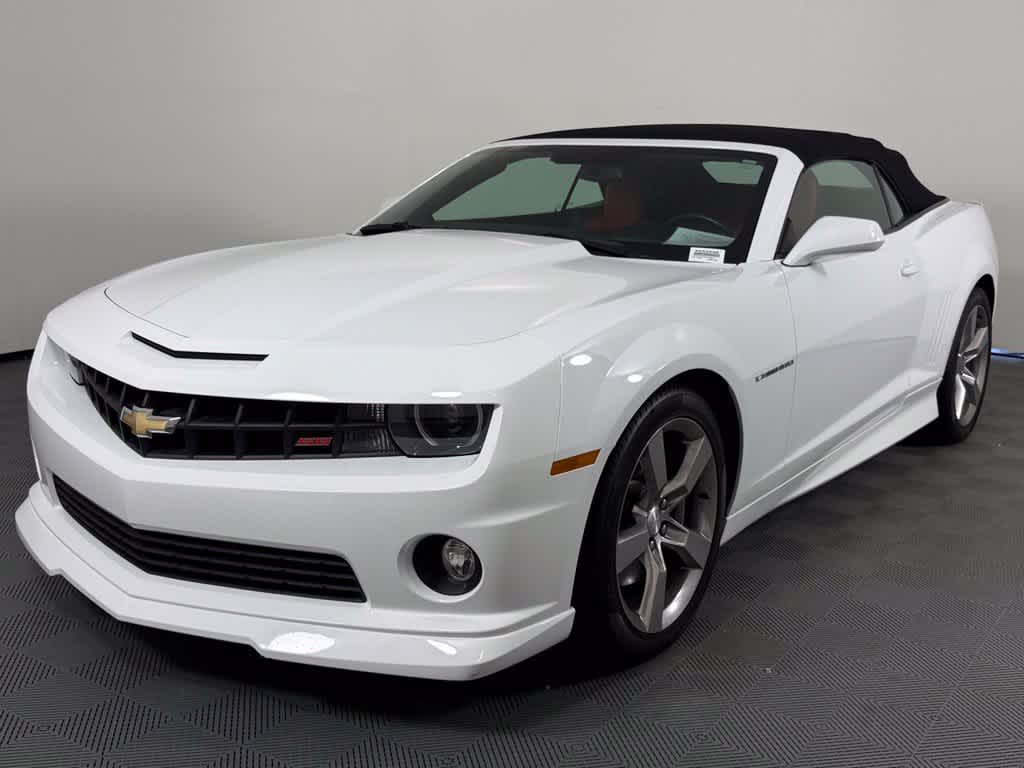
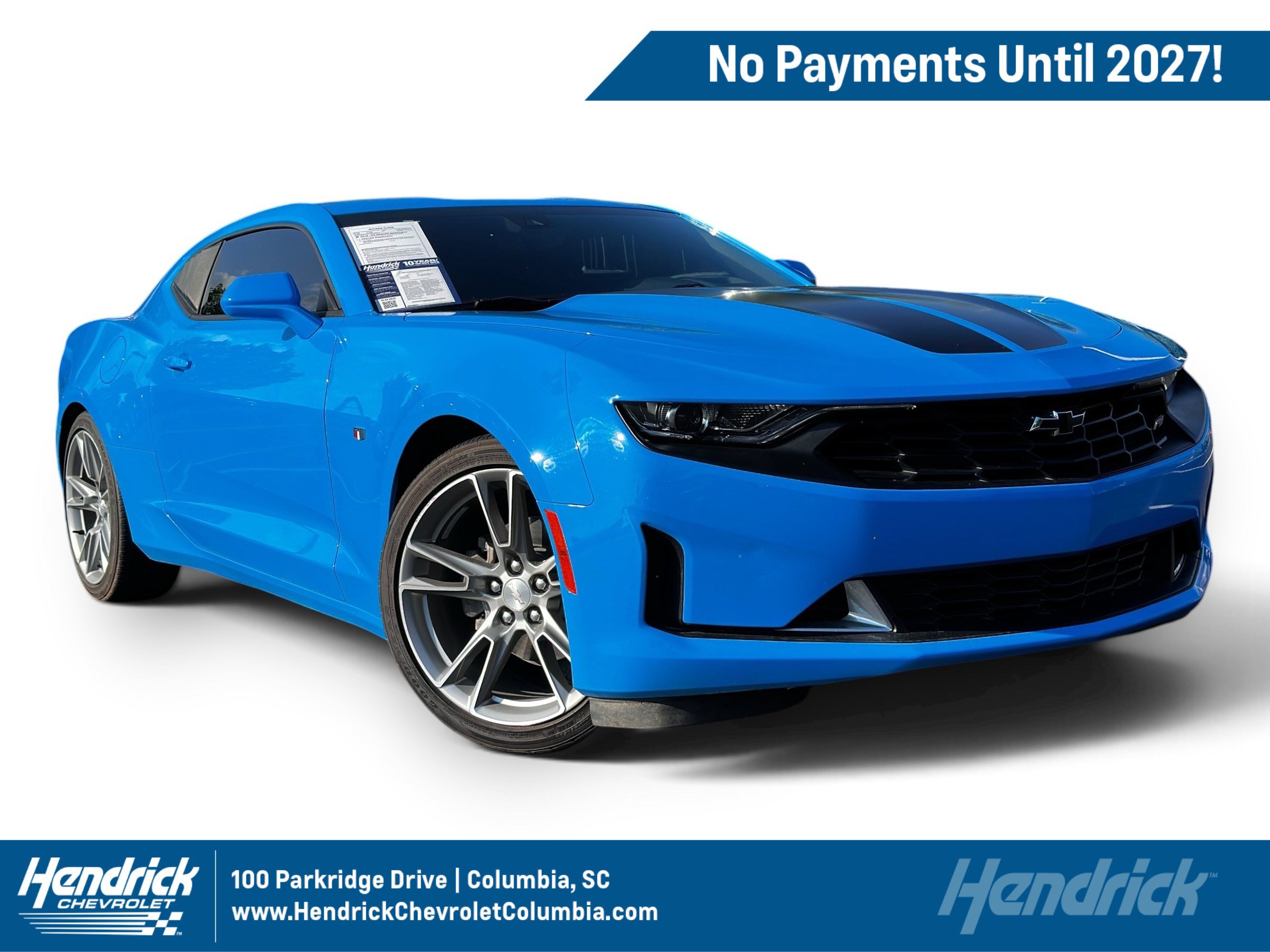
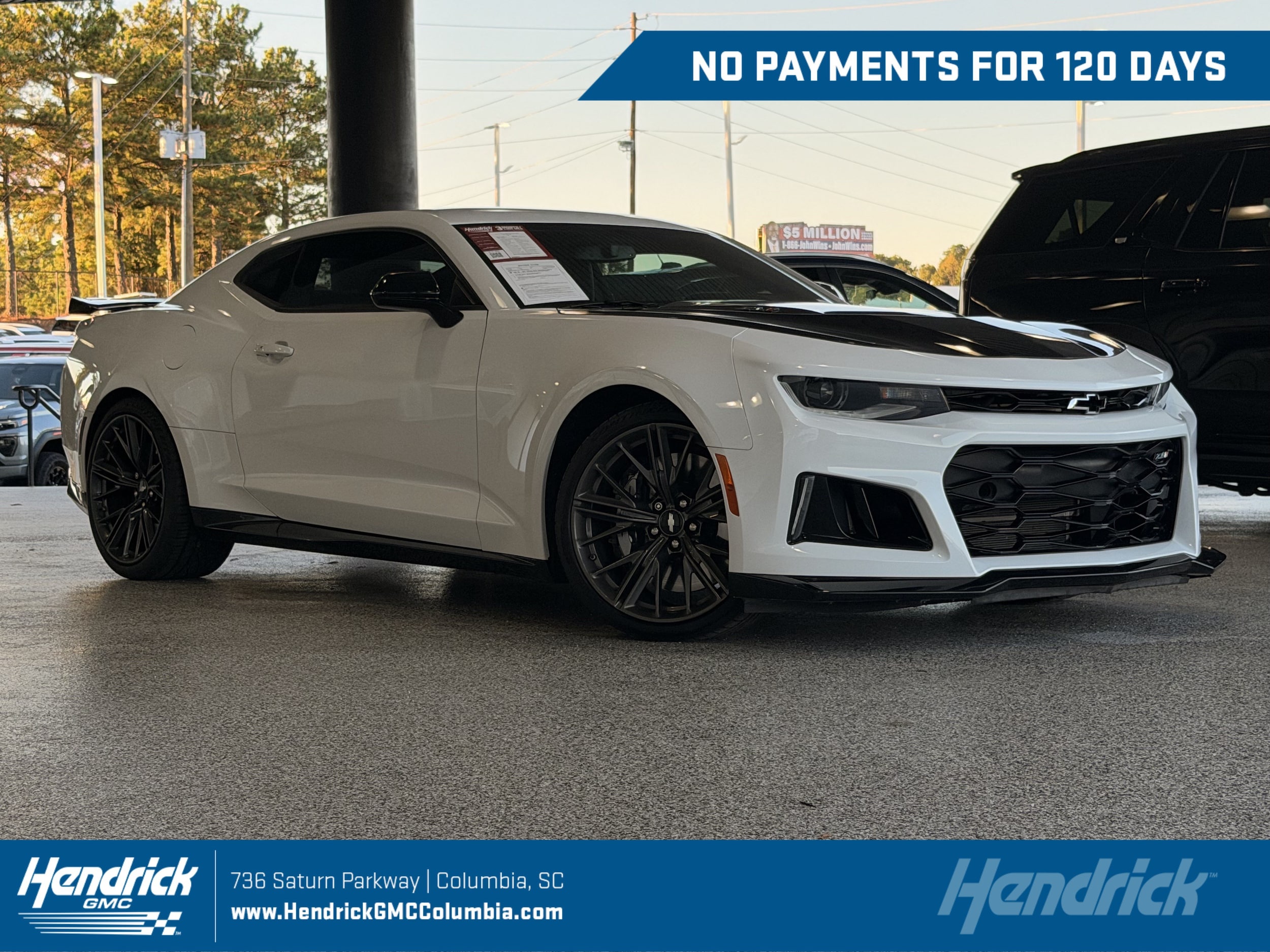
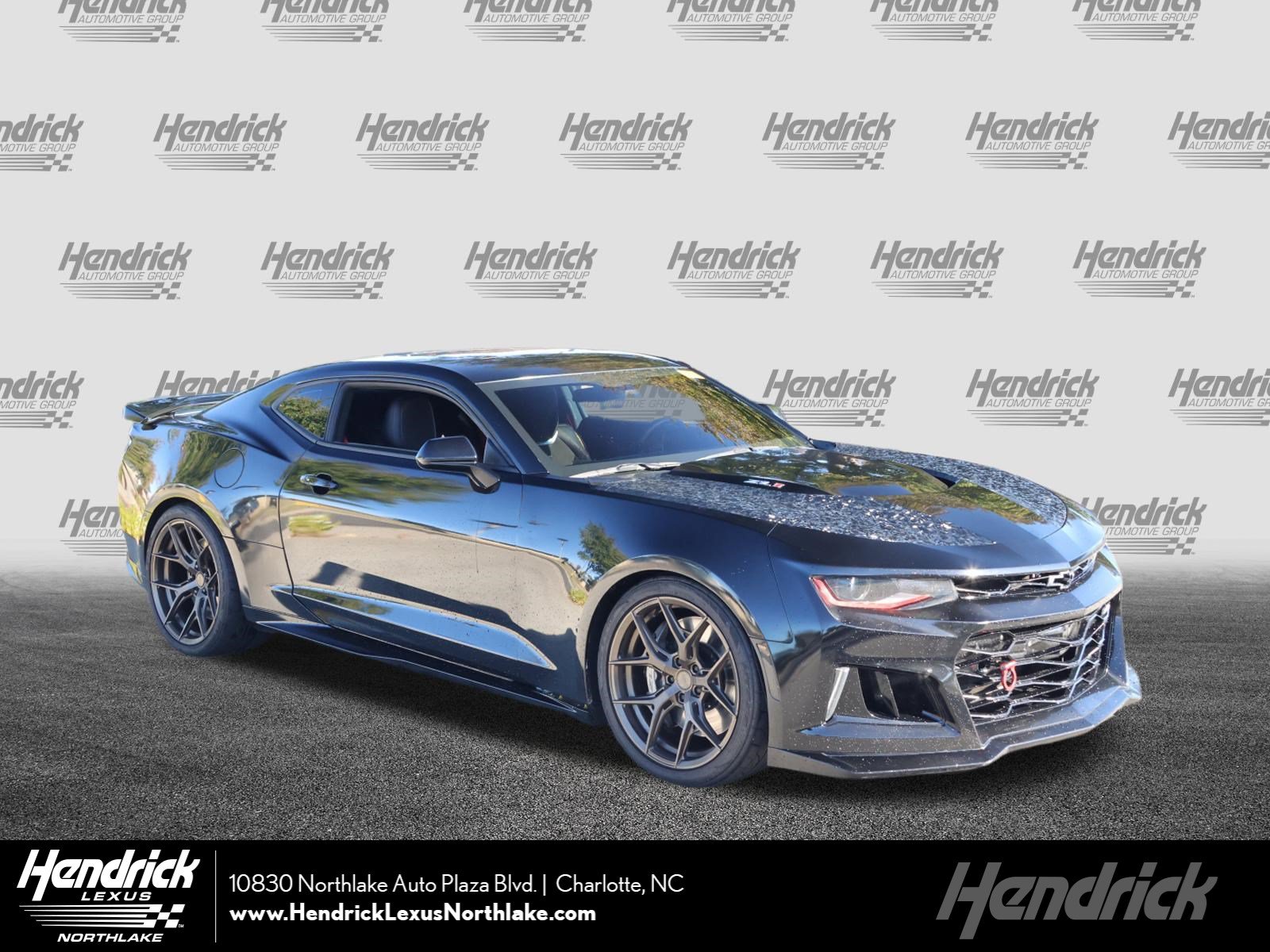
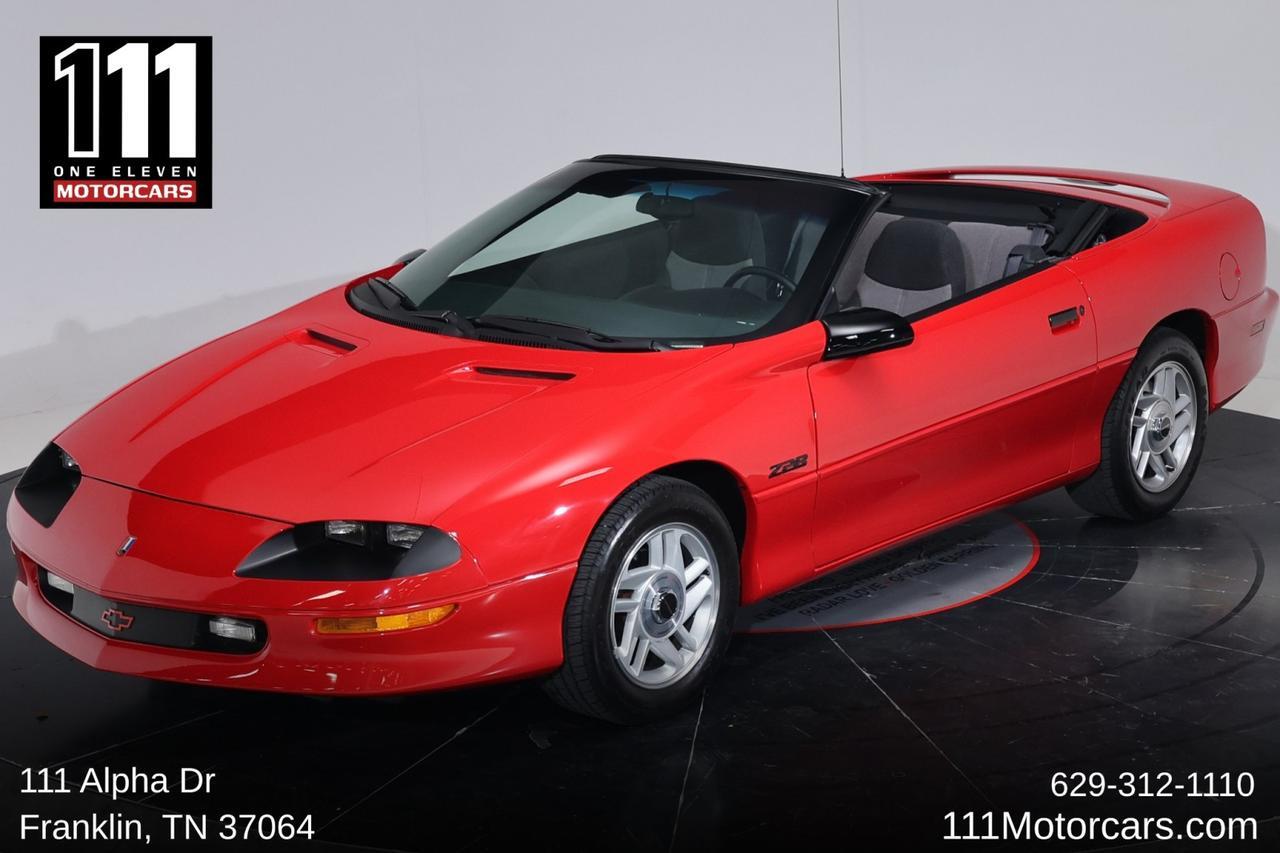
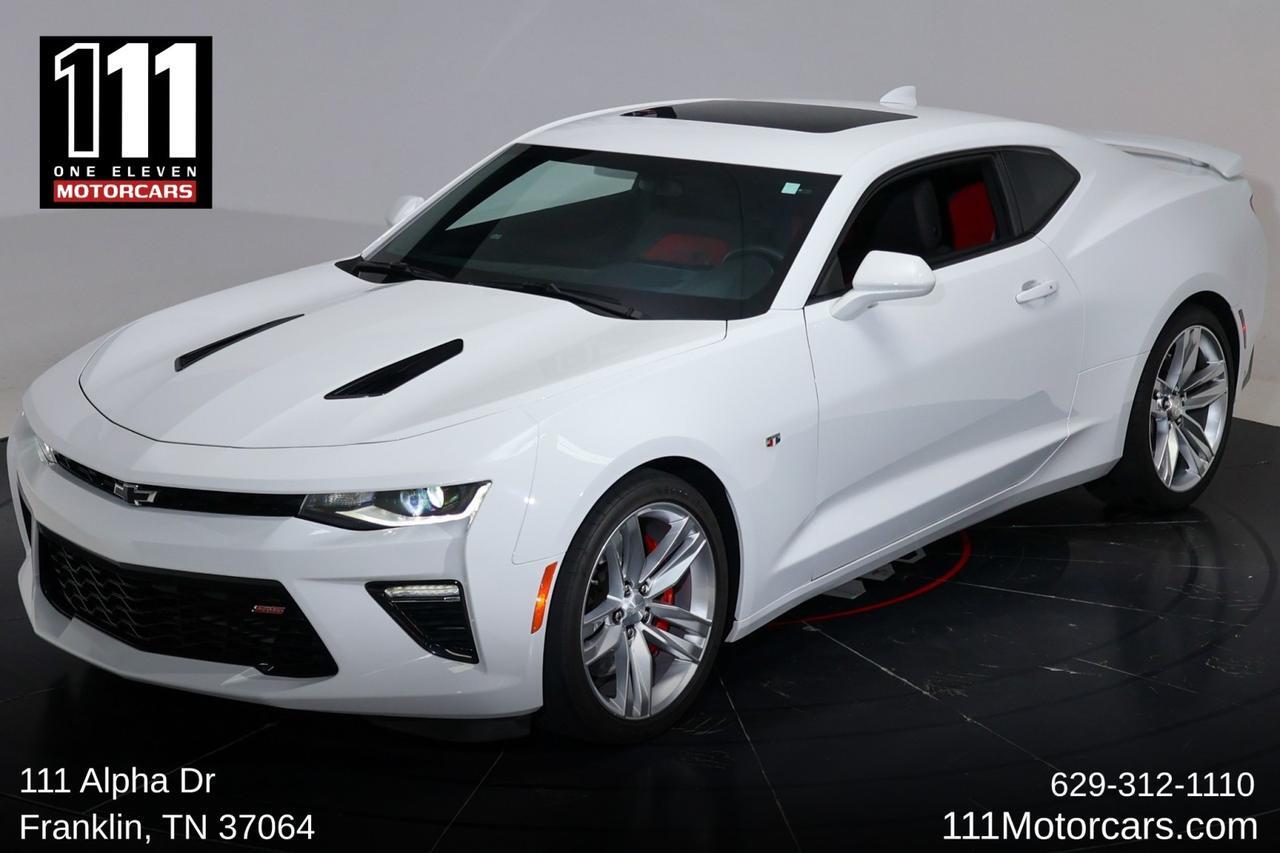
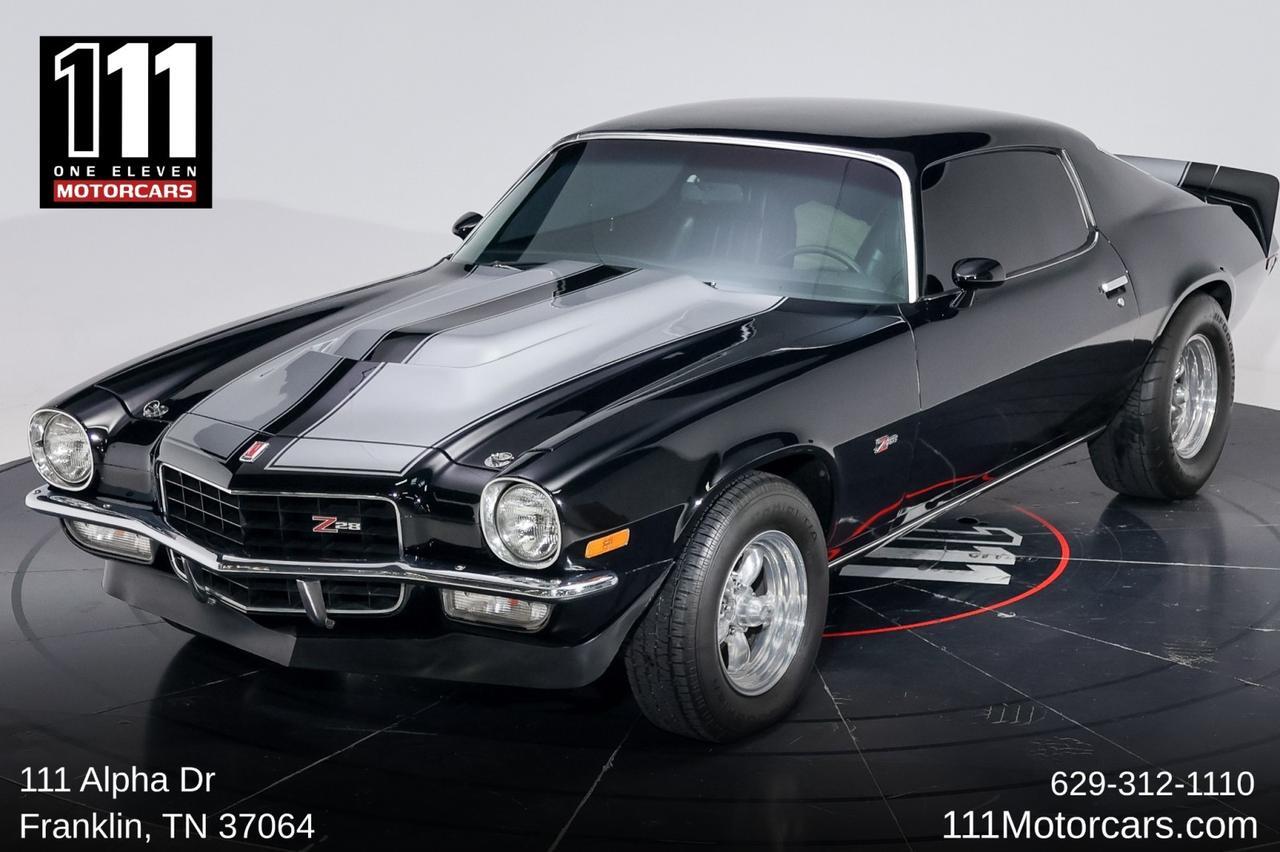
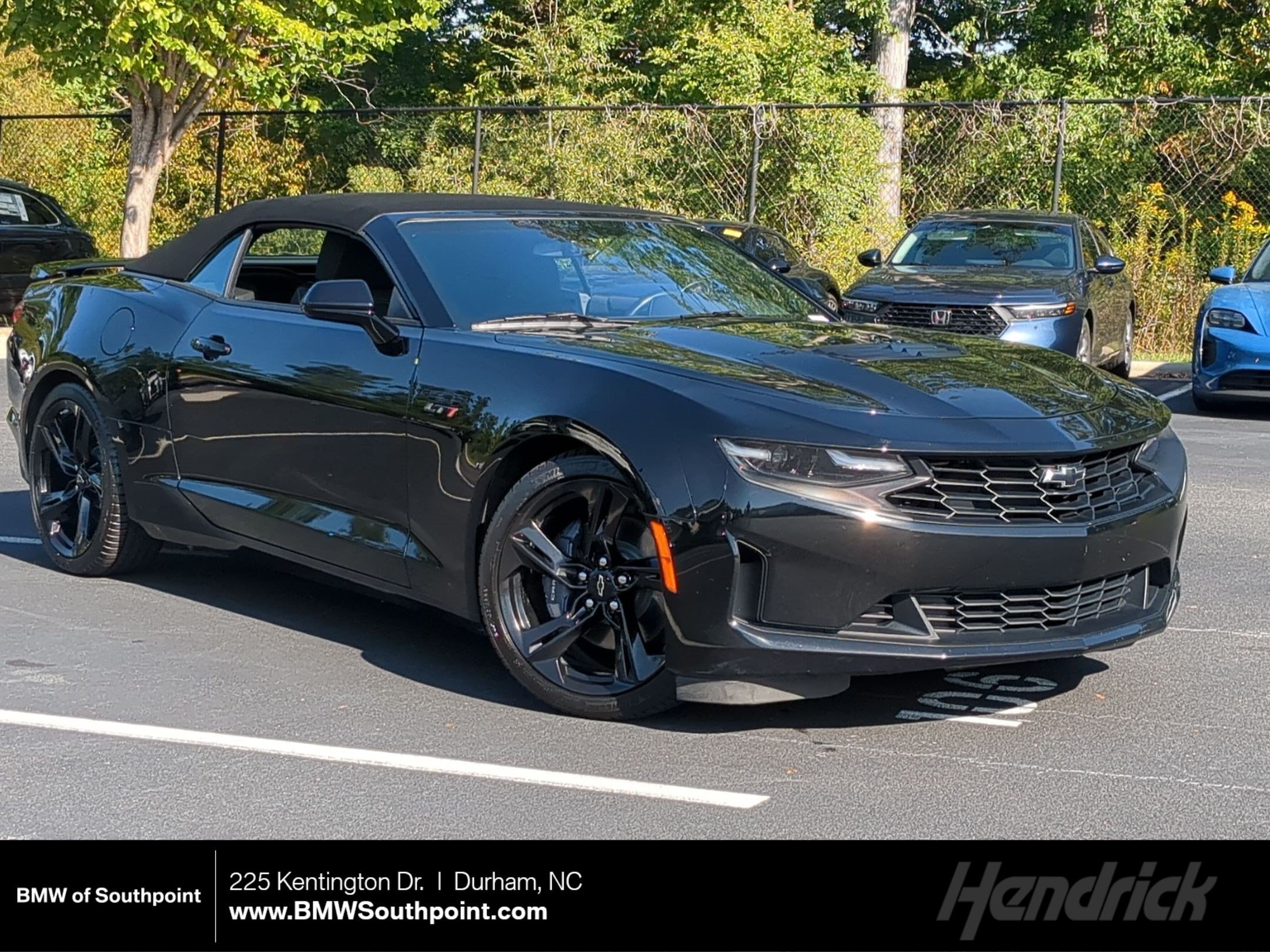
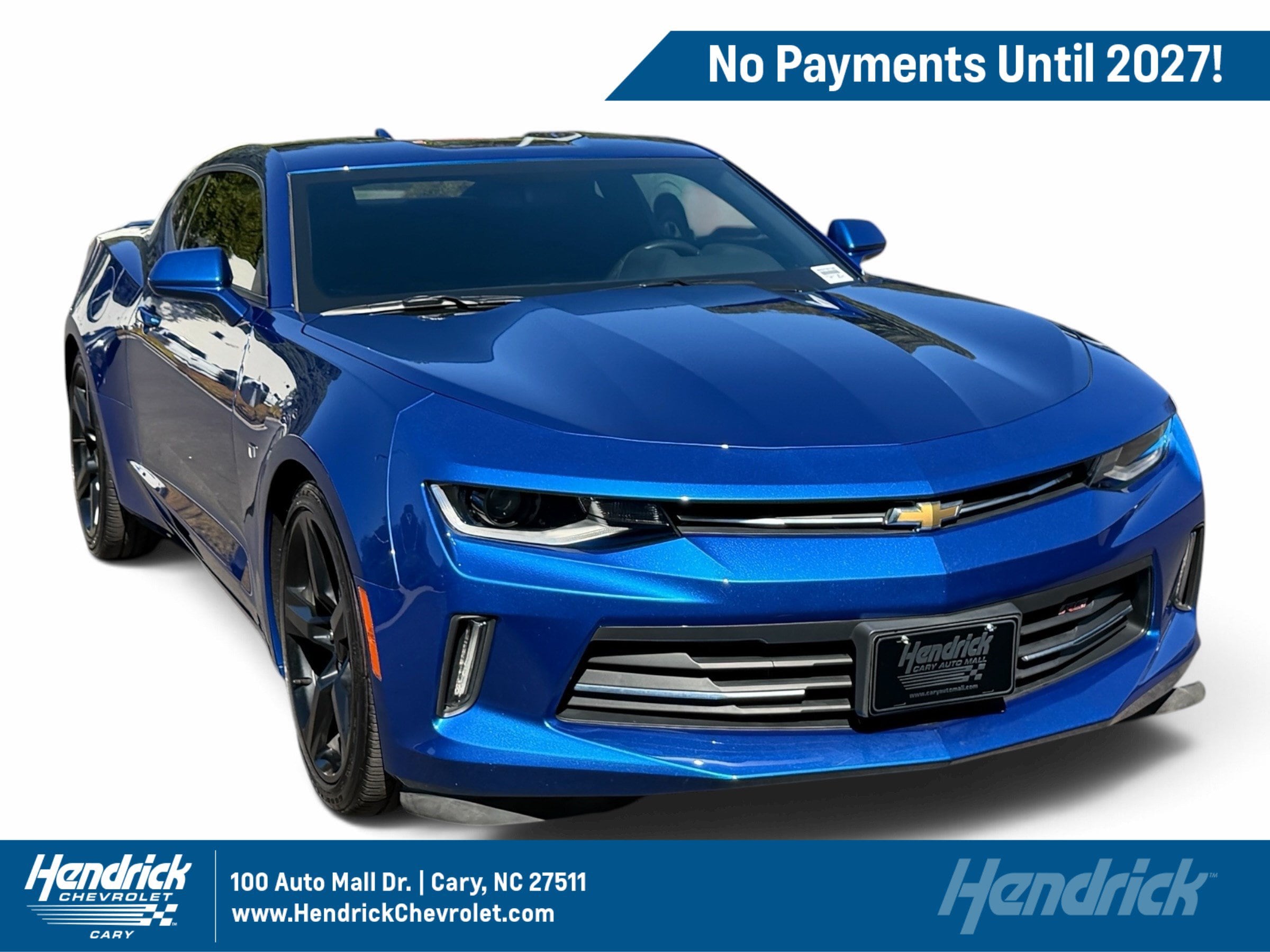
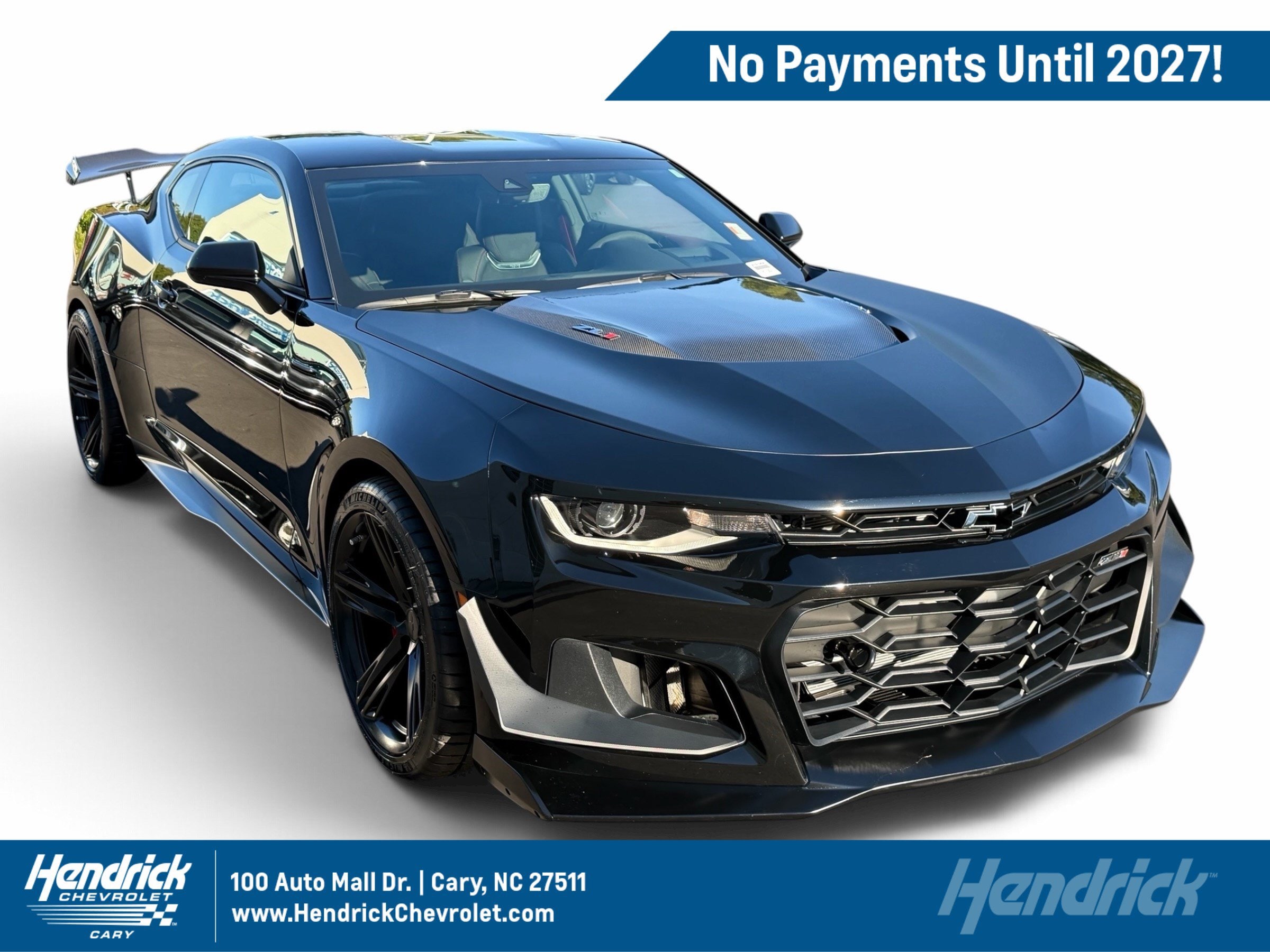
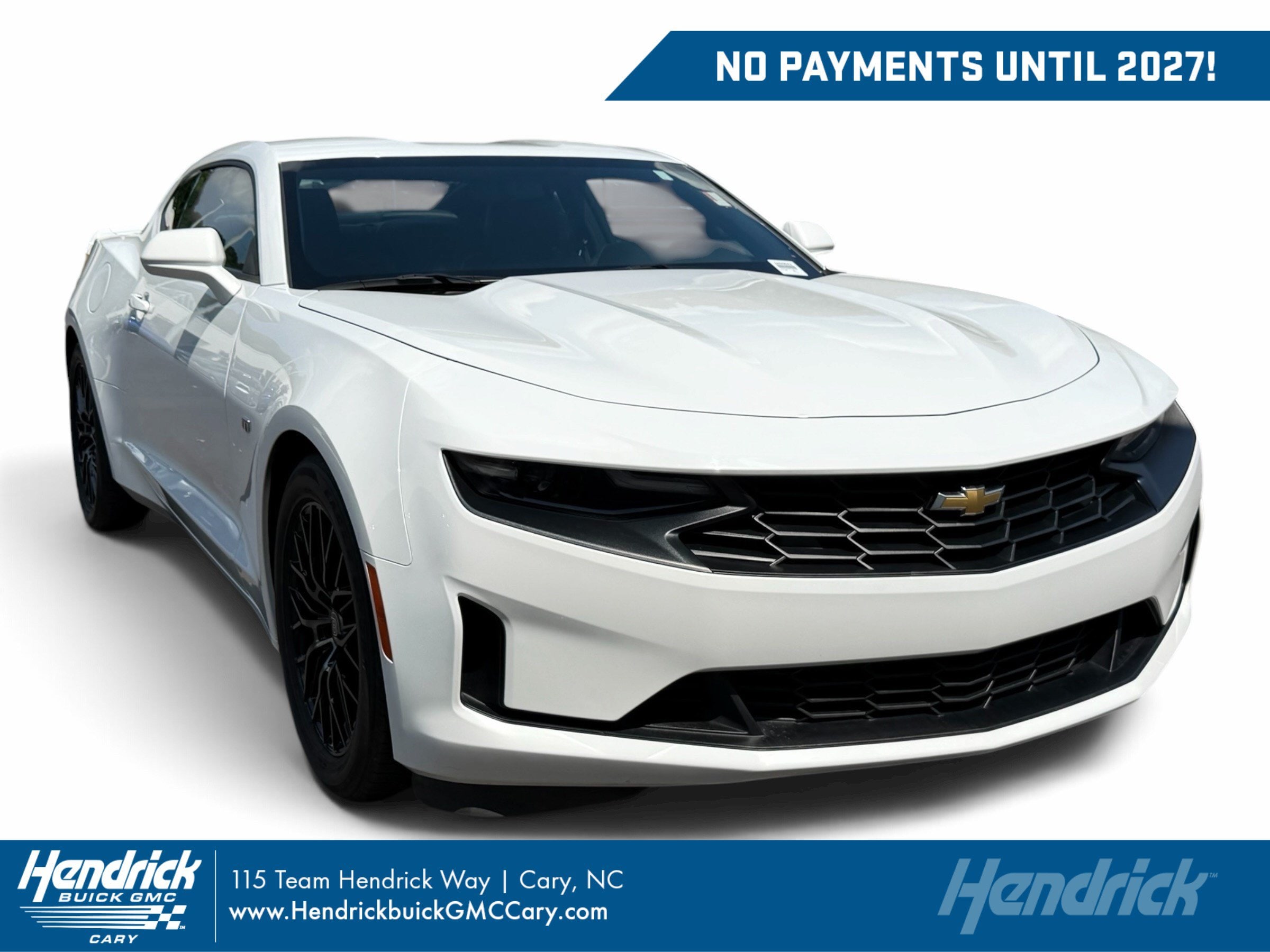
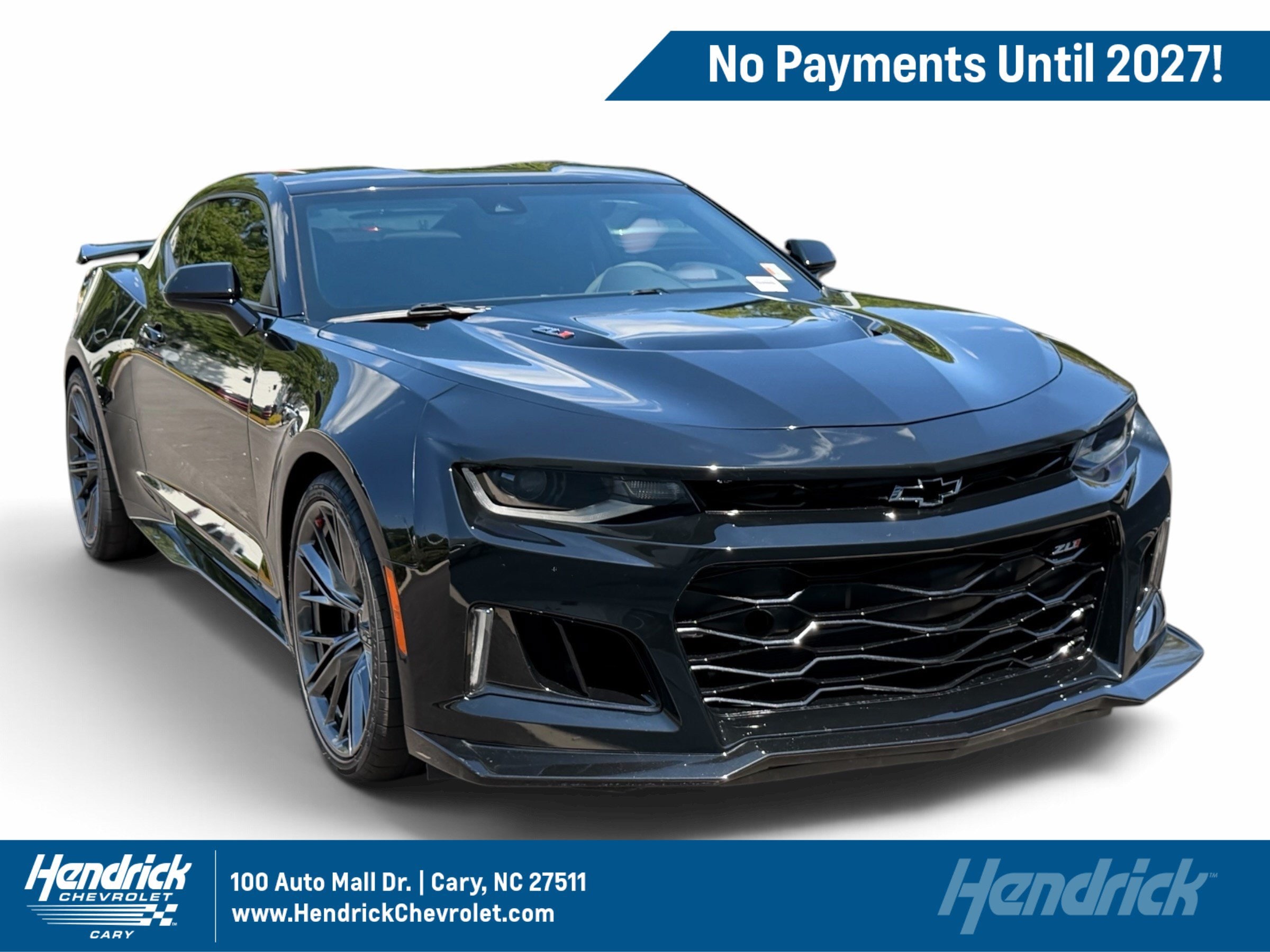
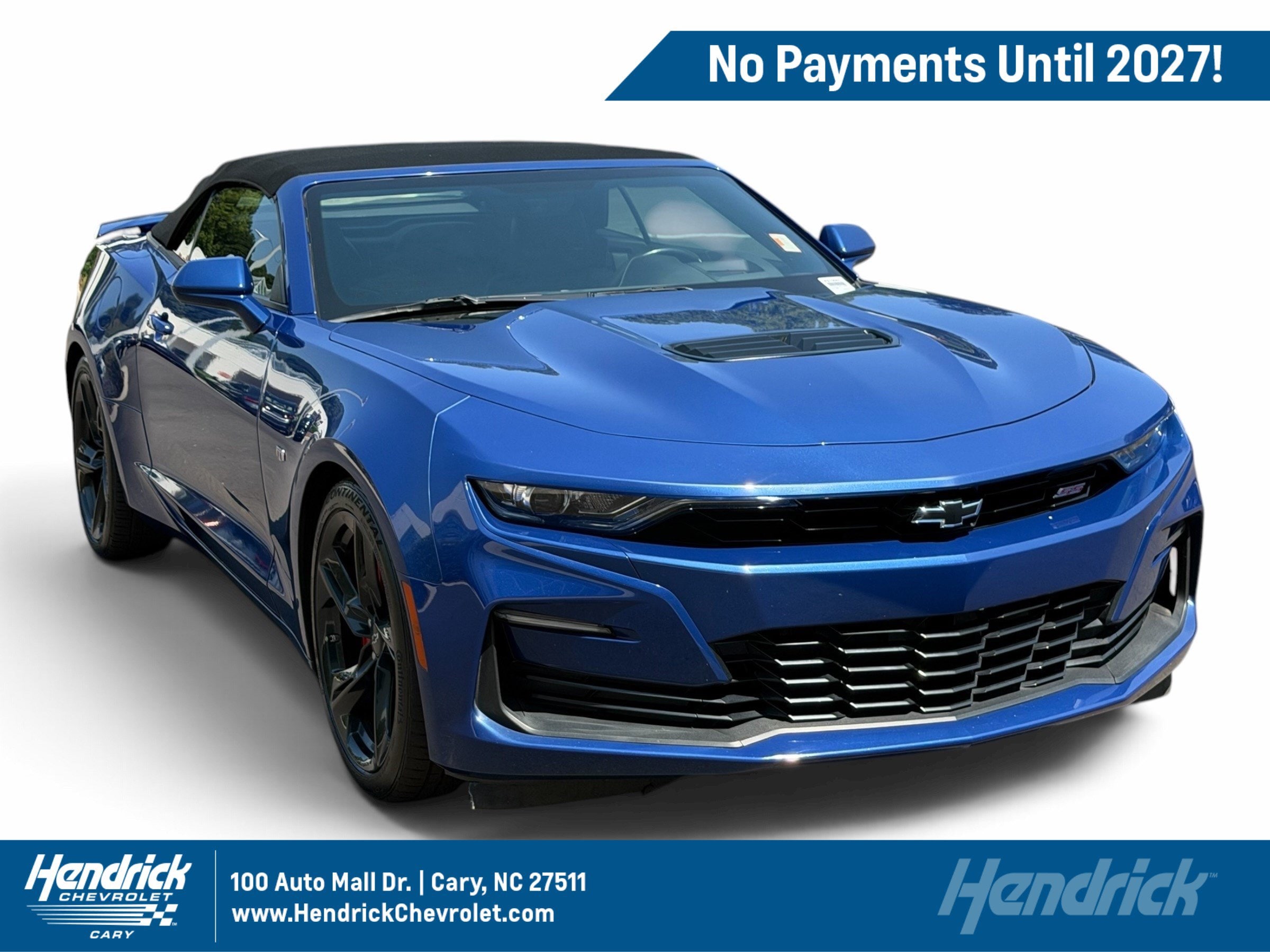
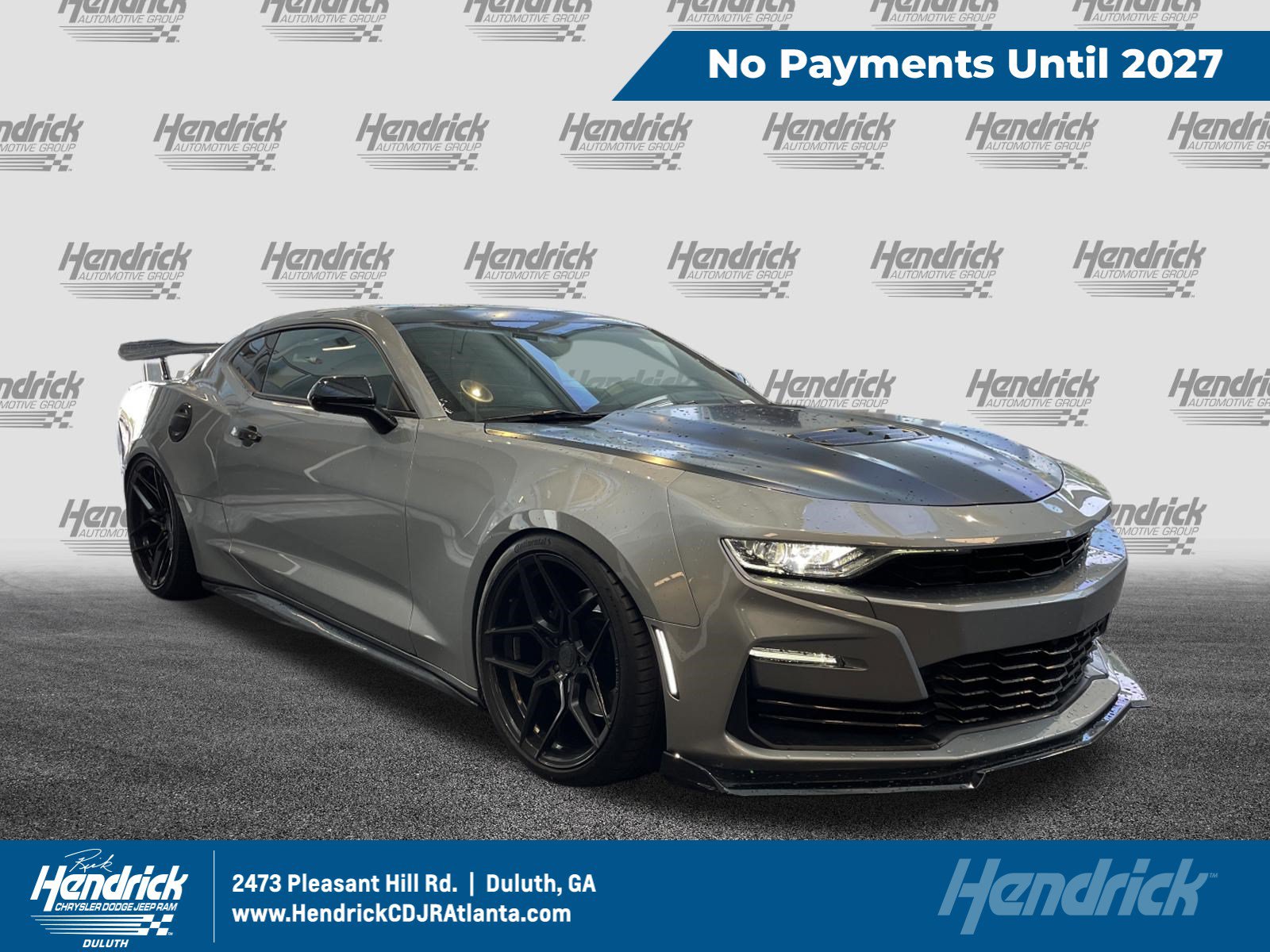
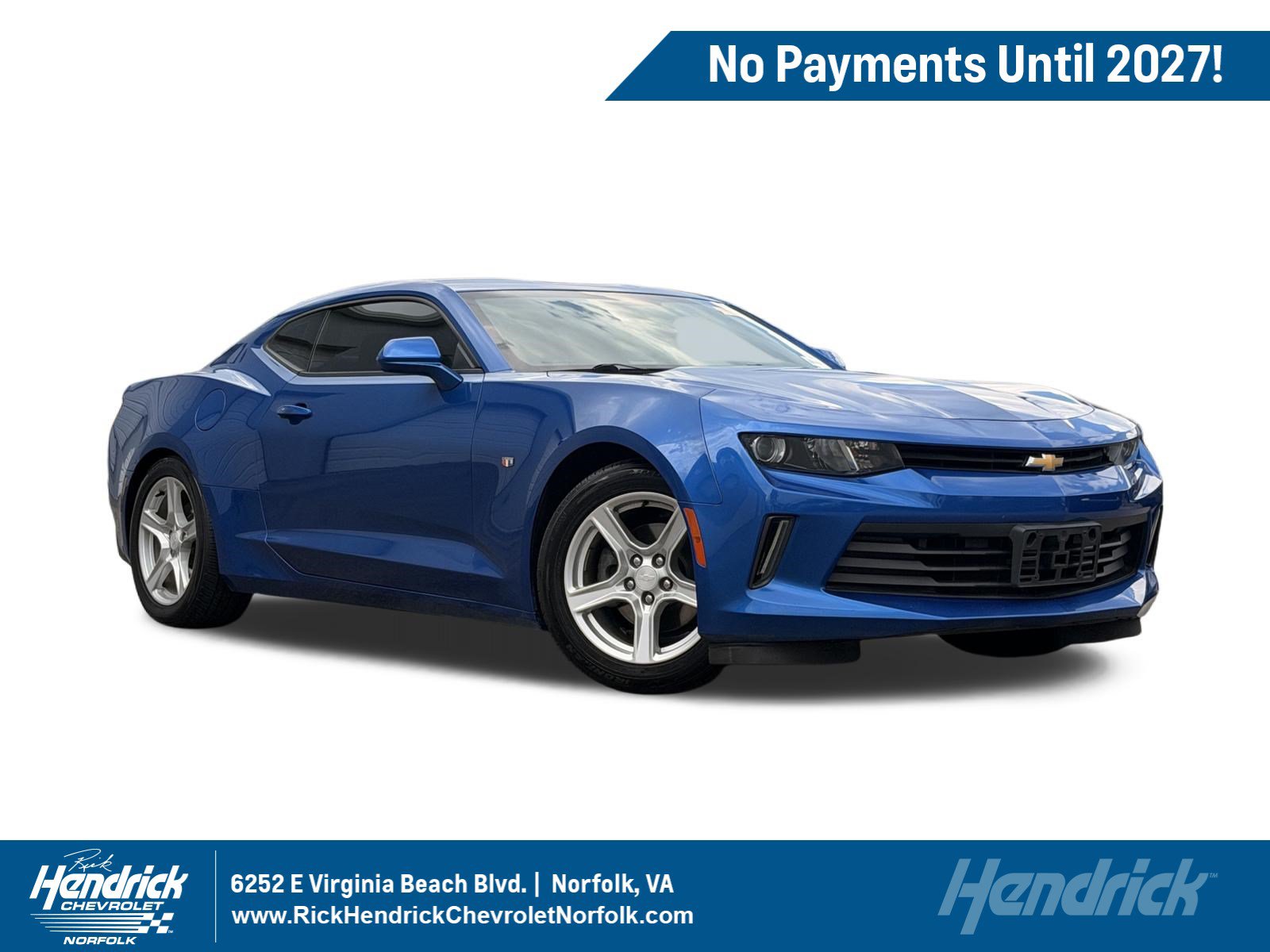
The Chevrolet Camaro remains a storied American muscle car that attracts enthusiasts and daily drivers alike. Whether you’re eyeing a classic fifth-gen model or a newer sixth-gen Camaro, understanding the details helps you make a smarter purchase. This guide walks through the key aspects buyers and sellers consider in markets where Camaro is popular, covering generations, body styles, engines, fuel types, year ranges, mileage expectations, and typical price segments.
Camaro generations span several decades, with each era offering distinct design cues and performance potentials. The current sixth-generation Camaro emphasizes sharper lines and modern tech, while older generations—such as the fourth and fifth—are prized for raw character and classic V8 notes. Body styles commonly seen in the market include coupe configurations with two doors and a trunk that balances everyday practicality with sport-focused performance. When evaluating a Camaro, consider whether you want a manual or automatic transmission, which suspension tuning package, and whether you prefer a coupe with prominent rear-wheel drive dynamics.
The Camaro’s appeal hinges on its engines. From V6 options that provide balanced daily usability to roaring V8s that deliver true muscle-car acceleration, there is a model for varied preferences. Fuel type is typically gasoline, with some higher-performance variants offering sport-tuned exhaust notes and improved intake geometry. Performance-minded buyers often compare horsepower, torque curves, transmission response, and 0-60 times, while budget-focused buyers may prioritize maintenance costs and fuel efficiency in daily use.
In the used market, year and mileage strongly influence price and reliability expectations. A well-kept Camaro from a newer generation will command a higher price, while older generations with lower mileage can offer significant value. Typical price segments vary by country and city, vehicle condition, and optional equipment like performance brakes, spoiler packages, or upgraded audio systems. When planning a purchase, factor in maintenance costs for timing belts, tires, brakes, and potential common issues such as drivetrain wear or electronics in higher-mileage examples.
If you’re selling, highlight detailed maintenance records, replacement parts, and any performance-upgrade work. Clear photos from multiple angles, including the engine bay and undercarriage, help attract buyers. For buyers, a well-documented Camaro with consistent service history, clean title, and confirmed mileage tends to offer the best long-term value.
 Add as preferred sourceSee more from zvelta in Google Search Add as preferred source