 EN
ENDEALER
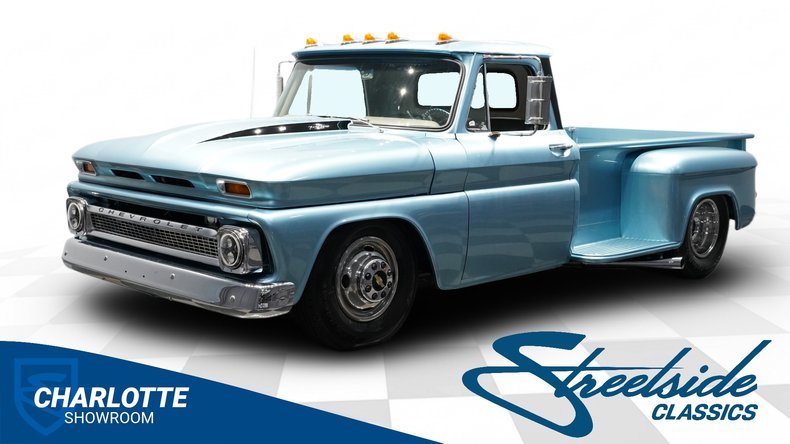
58.995 US$DEALER
Chevrolet: C30, 1964, automatic, 18K km, 5,700 cm3, 5.7L V8

StreetSideClassics.com
 United States
 United StatesUnited States
Buying a Chevrolet C30 requires balancing performance, price, and practicality. Whether you are in a bustling city or a quieter suburb, understanding the key details—generation, engine options, body type, mileage, and local price ranges—helps you make a confident decision. This guide focuses on real-world considerations for buyers and sellers who want clarity when shopping for a Chevrolet C30, highlighting how to compare models, assess condition, and understand typical costs.
The C30 is a compact-to-mid-size vehicle known for its straightforward mechanicals, roomy interior, and easy maintenance. When evaluating a Chevrolet C30, the most relevant factors include the model year, generation, fuel type, and body style. Pros often cited by owners include comfortable daily driving, decent cargo space, and affordable parts. Common cons might involve older suspension wear or rising maintenance costs on higher-mileage examples. If you are eyeing a specific city, you’ll also want to factor local availability and common price ranges to guide your negotiation strategy.
When shopping in your area, start by identifying the generation and fuel type that best fit your needs. A newer generation may offer improved safety features and better efficiency, while an older one could represent a lower upfront price but potentially higher maintenance costs later.
If you are listing a C30 for sale, highlight the most compelling facts: model year, generation, current mileage, and recent services or parts replaced. Clear photos showing the exterior, interior, and engine bay build buyer trust. Describing any known issues honestly helps set accurate expectations and speeds up closing. Competitive pricing typically reflects local demand, proximity to major cities, and the car’s overall condition.
In summary, buying or selling a Chevrolet C30 involves a careful study of generation options, engine configurations, mileage levels, and local price dynamics. By focusing on reliable checks, realistic price ranges, and transparent information, you’ll be well-equipped to make a solid decision in your city.
 Add as preferred sourceSee more from zvelta in Google Search Add as preferred source