 EN
ENDEALER
44.995 US$DEALER
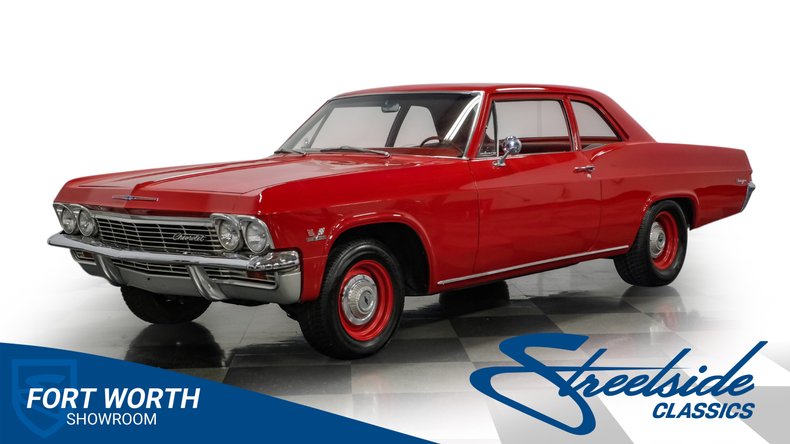
Chevrolet: Biscayne, 1965, manual, 35K km, 4,540 cm3, 454 V8

StreetSideClassics.com
 United States
 United StatesOnly, United StatesUnited StatesUnited StatesPhoenix, United StatesTampa, United StatesFort Worth, United StatesUnited States
If you’re considering adding a Chevrolet Biscayne to your collection or looking to sell one, you’re in good company. The Biscayne, a representative of Chevrolet’s classic era, draws fans who value era-appropriate styling, simple mechanics, and the nostalgia of American motoring. Whether you’re in a large city or a smaller town, understanding the key details that buyers and sellers focus on will help you navigate the market with confidence.
When evaluating potential Biscayne candidates, pay attention to the model year, generation, and overall condition. Common Biscayne generations include mid-20th-century designs that feature distinct lines, roomy interiors, and straightforward V8 or inline-six powertrains. Important factors include:
To make a smart choice, compare several factors side by side. Gather information on price range, uhistorical maintenance, and ownership costs. Some practical comparison points include:
If you’re listing a Chevy Biscayne for sale, clarity matters. Provide a complete overview of the car’s history, the restoration work completed (if any), and current condition. High-quality photos showing exterior paint, chrome trim, interior details, and the engine bay help buyers assess value. Consider including:
Begin with reputable classic car dealers, auctions, and enthusiast groups. You’ll likely find Biscaynes listed with varying degrees of originality, condition, and price. Prepare a budget that accounts for both the purchase and ongoing maintenance. If you’re unsure, seek a pre-purchase inspection from a qualified classic car specialist to verify engine health, rust status, and body integrity. By arming yourself with knowledge of model years, typical drivetrains, and common restoration needs, you’ll be well positioned to make a confident offer and enjoy the experience of owning a Chevrolet Biscayne.
 Add as preferred sourceSee more from zvelta in Google Search Add as preferred source


