 EN
ENDEALER

12.995 US$DEALER
14.995 US$
automatic, 28K km, sedan, white

Inventory.ClassicSandBeyond.com
 Wayne, United States
 Wayne, United States
 United States
 United StatesUnited StatesUnited StatesUnited StatesUnited StatesUnited StatesUnited StatesUnited StatesUnited StatesAtlanta, United StatesOnly, United StatesUnited StatesUnited StatesFort Worth, United StatesUnited StatesCharlotte, United StatesUnited StatesFort Worth, United StatesOnly, United StatesUnited StatesTampa, United StatesUnited StatesUnited States
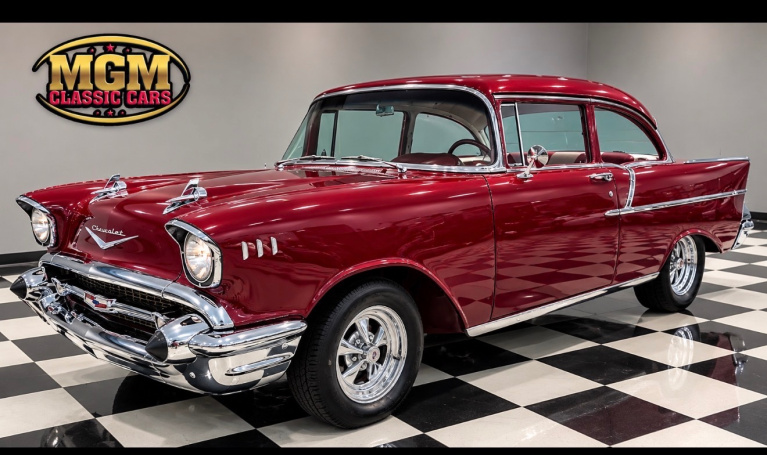
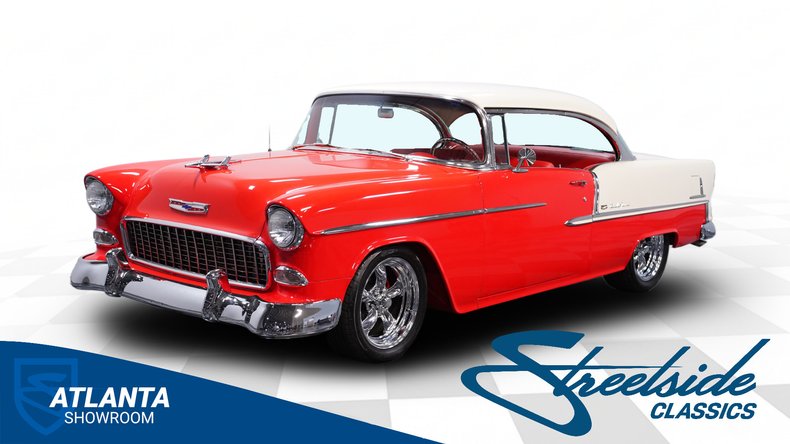
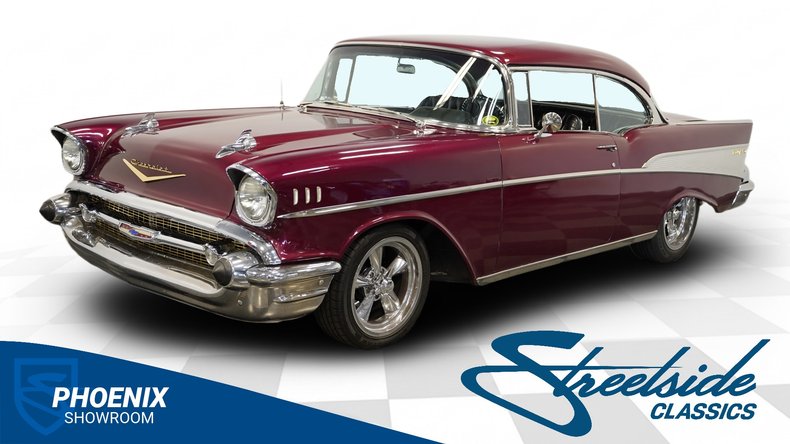
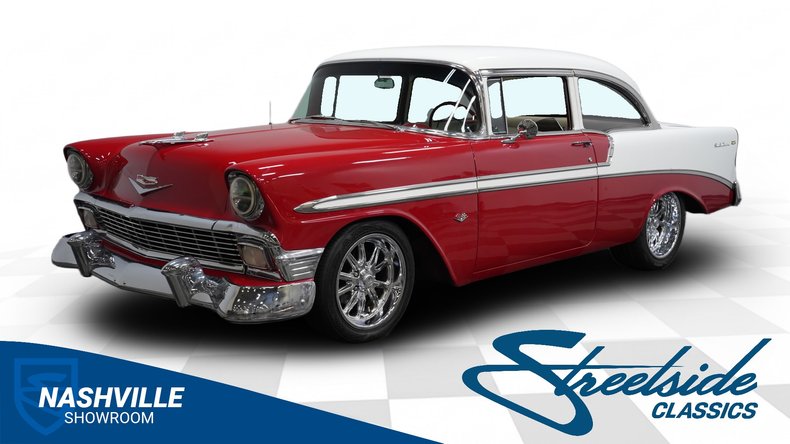
The Chevrolet Bel Air is a storied classic car that collectors and enthusiasts often consider for restoration or as a weekend project. If you’re thinking about buying or selling a Bel Air, you’ll want to understand the key pieces of information that impact price, reliability, and overall ownership experience. This guide focuses on practical steps for buyers and sellers in common markets, where the Bel Air has appeared in several generations and body styles over the decades.
When evaluating a Bel Air, the generation and model year are crucial. Early 1950s Bel Airs often feature distinct chrome-heavy styling, while later variants shift toward more streamlined aesthetics. Common body types include two-door hardtops and convertibles, each with its own maintenance considerations. Look for:
If you’re searching in city markets, such as a major metropolitan area, filter results by the model year and mileage to compare cars with similar wear. A Bel Air in a lower mileage range with a strong, documented service history can command a premium. Prices vary by generation and condition; a well-kept example may be priced higher in collector circles.
For sellers, the goal is to present a clear story about the car’s history, condition, and potential. Photograph the vehicle well, including undercarriage shots if possible, and provide a transparent maintenance log. Highlight:
In the market for classic cars, buyers often compare Bel Air examples within the same generation. A compelling listing includes a concise summary of the car’s condition, highlighted selling points, and honest disclosure of any flaws. If you’re in a city with a strong classic-car community, prices can be influenced by nearby garages, clubs, and events where enthusiasts attend.
Buying or selling a Chevrolet Bel Air involves balancing nostalgia with practical considerations like maintenance, parts availability, and expected upkeep. By focusing on the generation details, engine options, and the car’s overall condition, you can navigate discussions with confidence, whether you’re negotiating in a local market or evaluating listings online.
 Add as preferred sourceSee more from zvelta in Google Search Add as preferred source