 EN
ENDEALER
44.995 US$DEALER
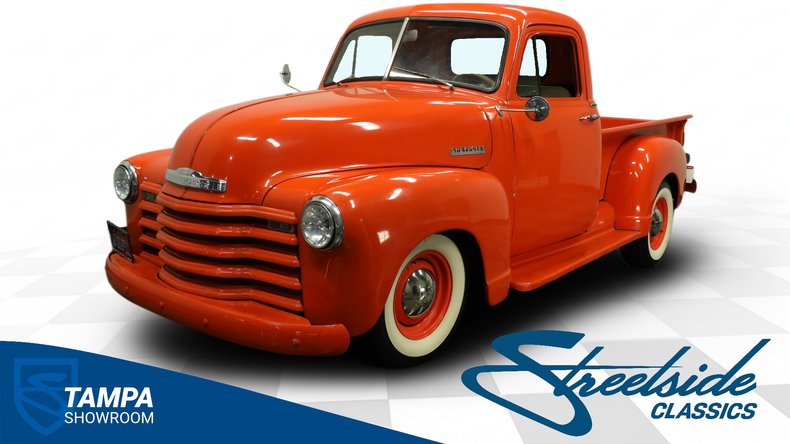
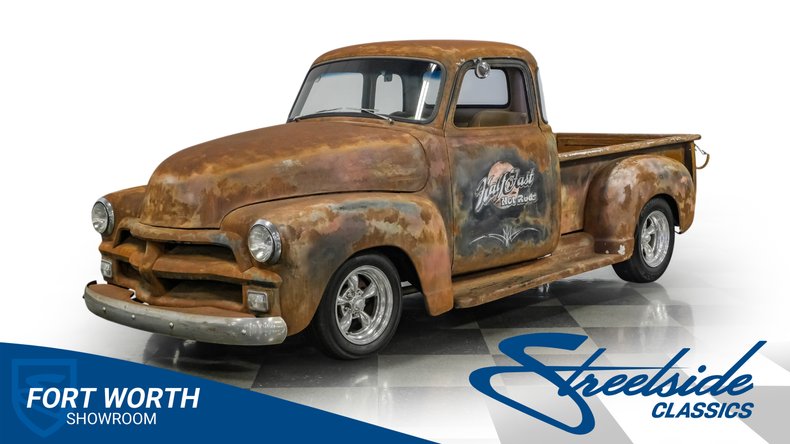
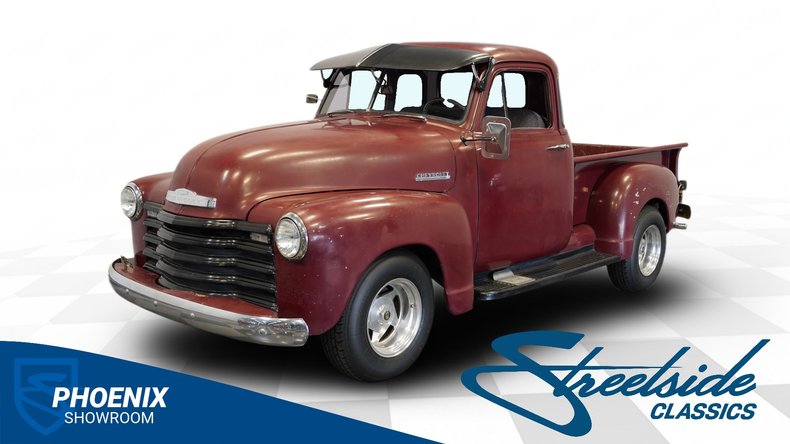
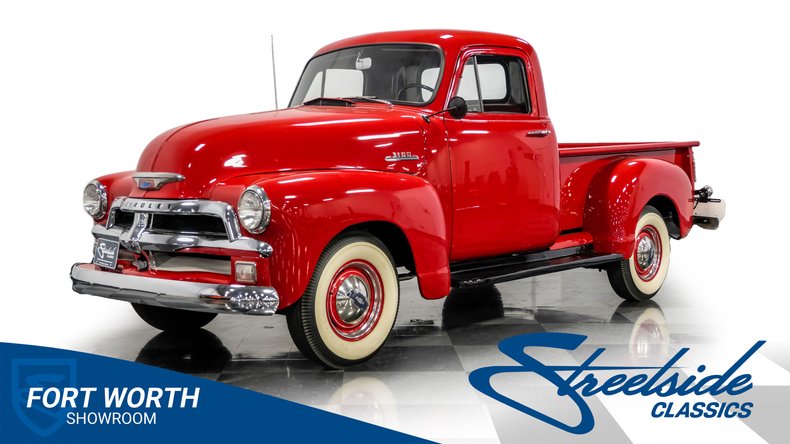
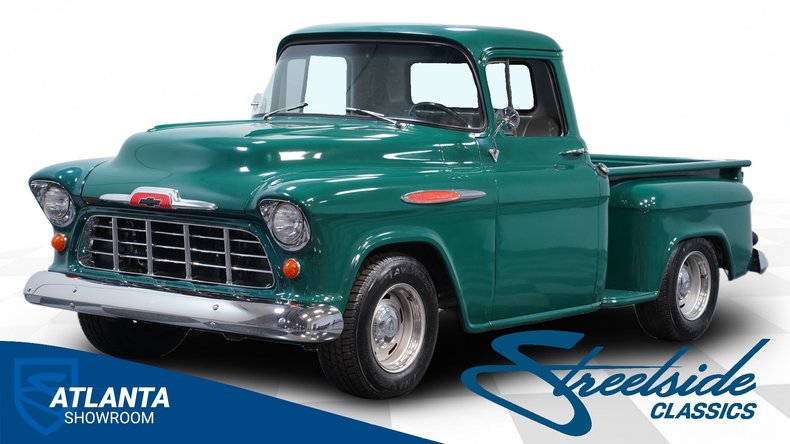
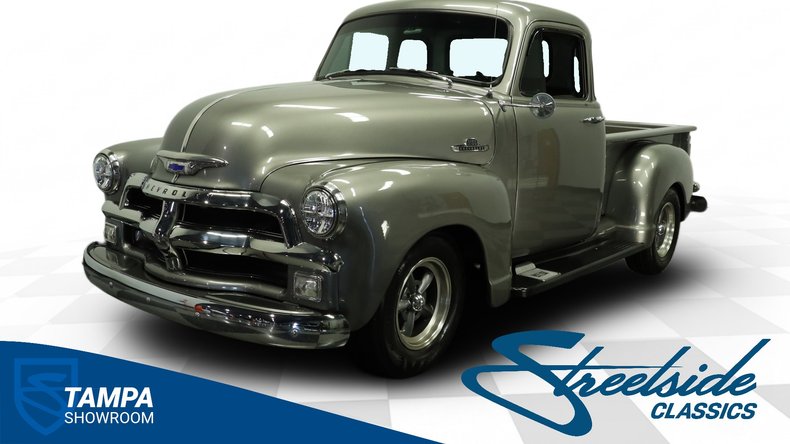
Chevrolet: 3000-Series, 1955, automatic, 31K km, 2,920 cm3, 292 I6

StreetSideClassics.com
 United States
 United StatesUnited StatesFort Worth, United StatesUnited StatesUnited StatesPhoenix, United StatesUnited StatesUnited StatesUnited StatesUnited StatesUnited StatesUnited StatesUnited StatesUnited StatesUnited StatesUnited StatesCharlotte, United StatesUnited StatesUnited StatesUnited StatesUnited StatesUnited StatesPhoenix, United StatesCharlotte, United StatesUnited States
Buying a Chevrolet 3000-Series car can be a practical choice for drivers seeking a blend of classic design and modern reliability. Whether you are searching in major cities or smaller towns, understanding the different generations, body types, and fuel options helps you make an informed decision. This guide focuses on the Chevrolet 3000-Series, highlighting typical configurations, typical price ranges, and what to expect in terms of maintenance, resale value, and overall ownership experience.
The 3000-Series represents a line that emphasizes solid build quality, comfortable interiors, and practical performance. Buyers often compare it with other mid-size classics in terms of ride comfort, engine choices, and available features for daily commuting or weekend trips. Consider your priorities: are you looking for a reliable daily driver, a collector-grade model, or a versatile vehicle for family needs? Common questions include which engine to choose, how mileage impacts value, and which body style fits your lifestyle the best.
When assessing market prices for the Chevrolet 3000-Series, look at the year, mileage, condition, trim level, and any added features. For example, a recently updated body style with lower mileage in a major city may command a premium over an older, higher-mileage example in a smaller market. Use price ranges to set expectations for your locale and consider total ownership costs, including insurance, taxes, and potential repairs.
If you’re selling, emphasize the model year, mileage, and notable features such as upgraded audio, safety packages, or modern tires. High-demand configurations in urban markets with practical body styles can attract more interest. Providing transparent condition reports and recent maintenance data helps buyers feel confident and can shorten the selling process.
By focusing on these aspects—generation clarity, engine and fuel choices, body style, mileage, and local market context—you’ll be better prepared to buy or sell a Chevrolet 3000-Series with clarity and confidence.
 Add as preferred sourceSee more from zvelta in Google Search Add as preferred source