 EN
ENDEALER

28.937 US$DEALER
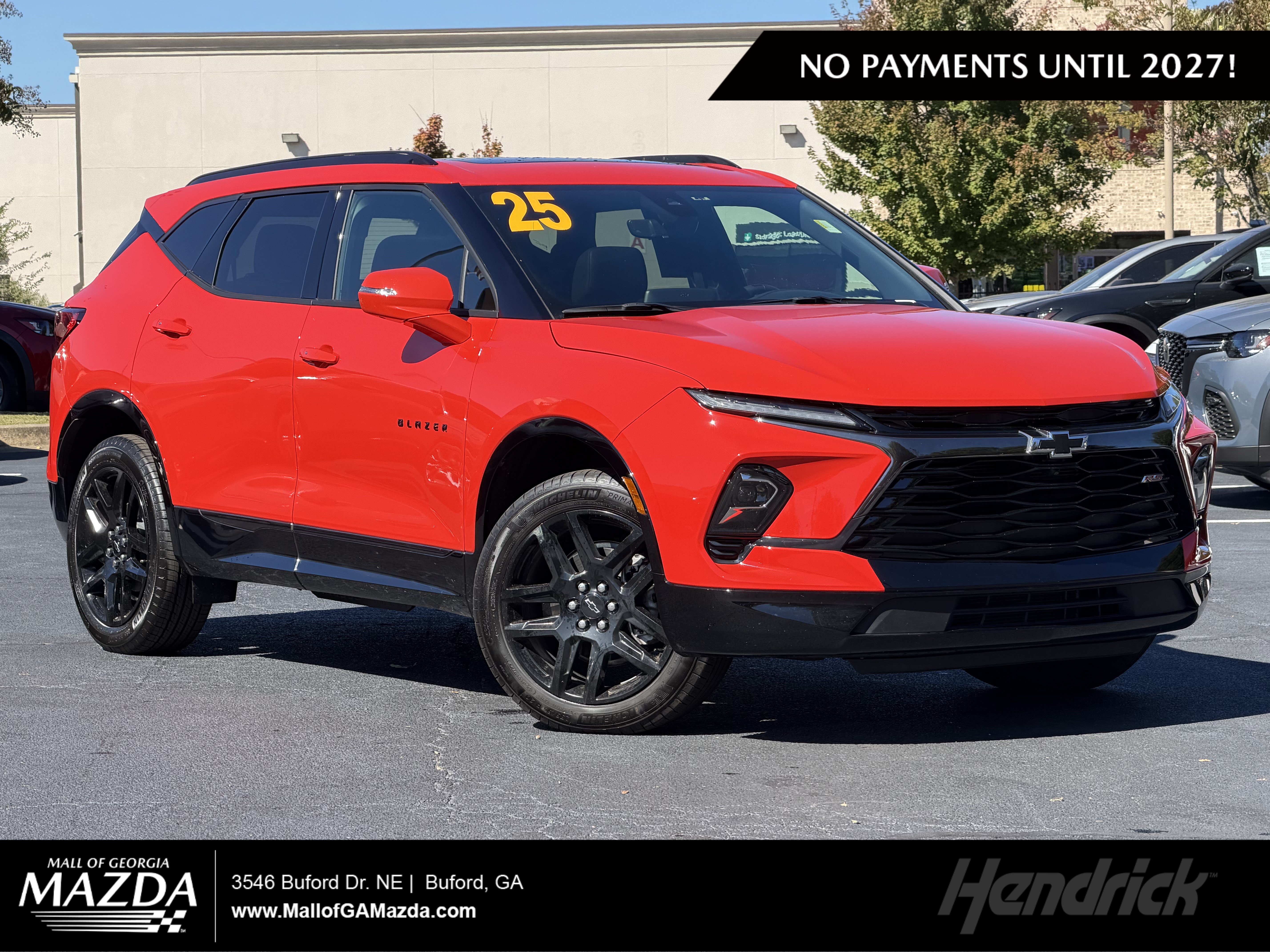
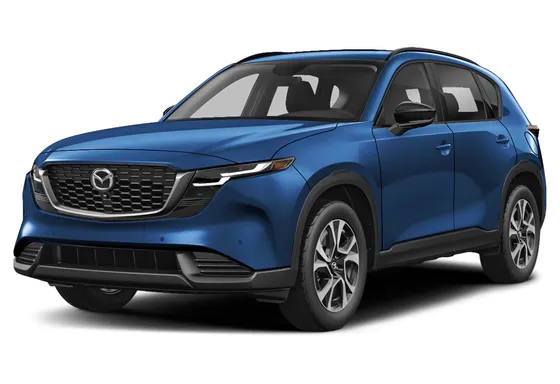
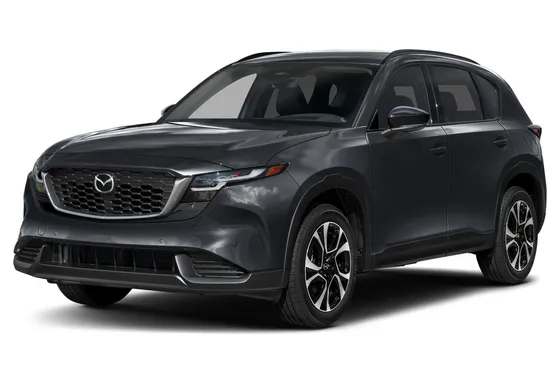
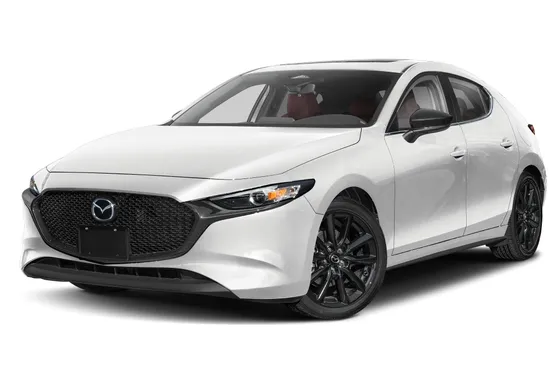
Mazda: CX-30, gasoline, automatic, 51K km, SUV, All Wheels Drive, 2,500 cm3, 191 hp, red, 2.5 S Preferred Package, Used condition, Mexico, In stock

HendrickCars.com
 Buford, United StatesBuford, United StatesBuford, United StatesBuford, United StatesBuford, United StatesBuford, United StatesBuford, United StatesBuford, United StatesBuford, United StatesBuford, United StatesBuford, United States
 Buford, United StatesBuford, United States
 Buford, United StatesBuford, United States
 Buford, United States
 Buford, United StatesBuford, United StatesBuford, United StatesBuford, United StatesBuford, United StatesBuford, United StatesBuford, United StatesBuford, United StatesBuford, United StatesBuford, United States
If you’re in the market for a gasoline-powered car, you’ll want a clear plan that covers what to look for, how to compare options, and how to finalize a deal in your city. Whether you’re buying or selling a popular model, understanding key factors such as brand reputation, generation, body type, year, mileage, and price range helps you make a confident decision.
When researching, start with a known brand and model that fits your needs. For example, a compact sedan from a well-regarded generation might balance efficiency and comfort, while an SUV from a recent generation could offer more space for family trips. Note the fuel type as gasoline, the transmission, and whether the vehicle is front- or all-wheel drive. Buyers often search for terms like “gasoline sedan reliability,” “fuel consumption per 100 km for [model],” or “best used gasoline SUV in [city].” For sellers, highlighting the exact generation, year, and maintenance history can boost buyer confidence.
Begin with a local price check by reviewing listings similar to your candidate car. Look for vehicles with transparent service records, recent maintenance, and documented mileage. When you test drive, listen for unusual noises and assess acceleration, braking, and steering responsiveness. For sellers, prepare maintenance receipts, a clean service history, and notes on any past accidents.
Gasoline cars remain a common choice for reliability and ease of maintenance. By focusing on the model’s generation, the year, mileage, and the local market in your city, you’ll make smarter buying or selling decisions. Whether you’re looking to upgrade to a newer gasoline model or find a dependable used option, a careful evaluation of these factors helps you navigate the market with confidence.
 Add as preferred sourceSee more from zvelta in Google Search Add as preferred source