 EN
EN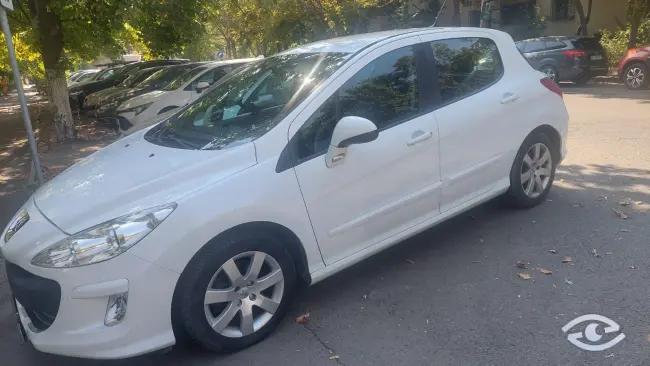
2009, gasoline, manual, 145K km, hatchback, Front Wheels Drive, 1,600 cm3, 150 hp, Euro 4, white, Used condition, damage engine, damage side, airbag state: intact, In stock, left steering wheel, keys available
 Romania, BucharestRomania, Bucharest
 Tighina, Moldova
When you’re in the market for a used car, a vehicle with side damage can still be a viable option if you approach it strategically. Whether you’re considering a popular model from a well-known brand or a specific generation, understanding the implications of side damage helps you assess value, reliability, and potential resale. This guide walks you through how to evaluate such cars, what questions to ask, and how to compare candidates in cities and countries where you’re shopping.
Side damage can range from minor dents to more substantial structural issues. Key factors driving value and safety include the model and generation, the body type, and the extent of the damage. For example, a compact sedan from a trusted brand in a certain year and mileage can still offer strong reliability if repairs were performed at a reputable service center. On the other hand, extensive side damage to a higher-end model or a vehicle with advanced safety systems may require careful inspection to avoid hidden costs.
When you assess a vehicle, pay attention to:
Evaluating cars with side damage requires a mix of visual inspection and professional checks. Consider these steps:
If the car checks out technically and the price reflects the repair work fairly, it can be a sensible purchase, especially in markets with steady demand for reliable, affordable vehicles. However, if the damage signals frequent issues like door seal leaks, misaligned panels, or recurring electronics problems, it may be wiser to keep looking. Compare candidates by:
Buying a car with side damage requires diligence, but with the right checks, you can find a solid option that meets your needs and budget. By focusing on model, generation, mileage, fuel type, and the documented repair quality, you’ll be well-equipped to compare candidates and make a confident decision in your local market.
 Add as preferred sourceSee more from zvelta in Google Search Add as preferred source