 EN
ENDEALER
18.793 US$DEALER
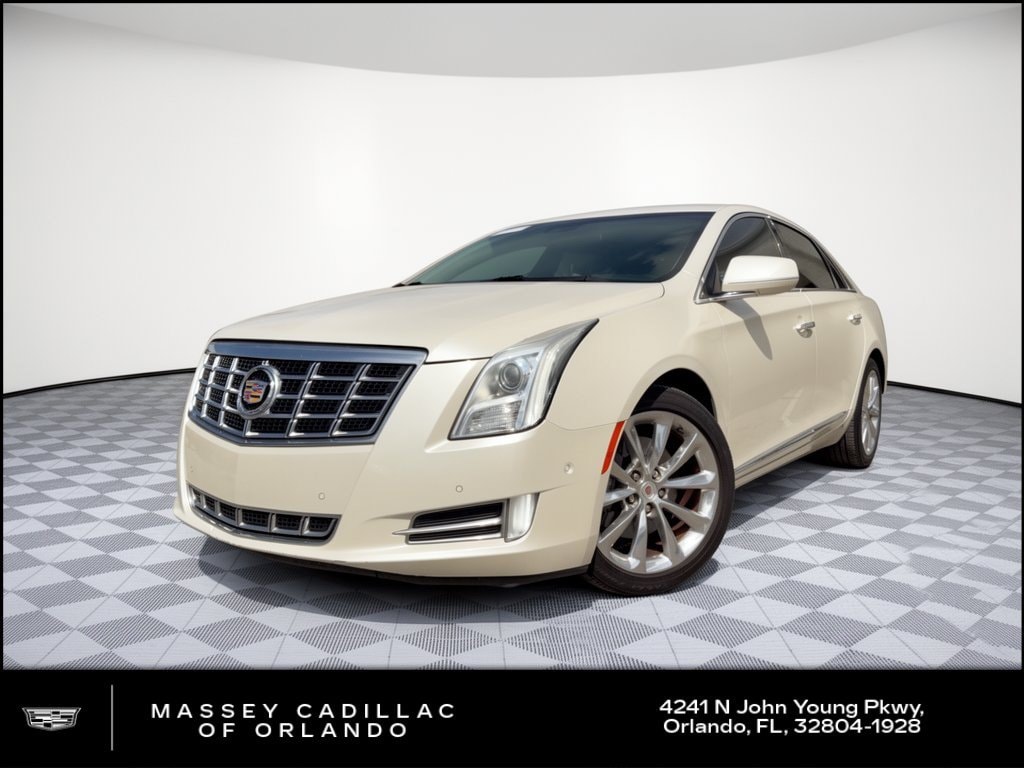
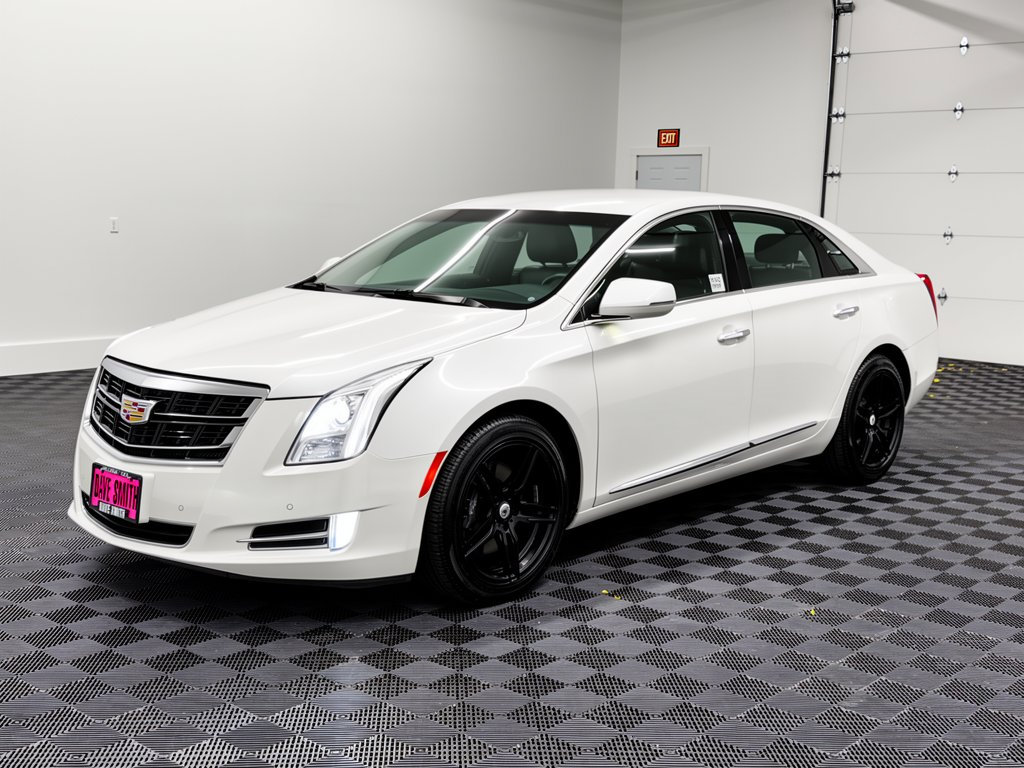
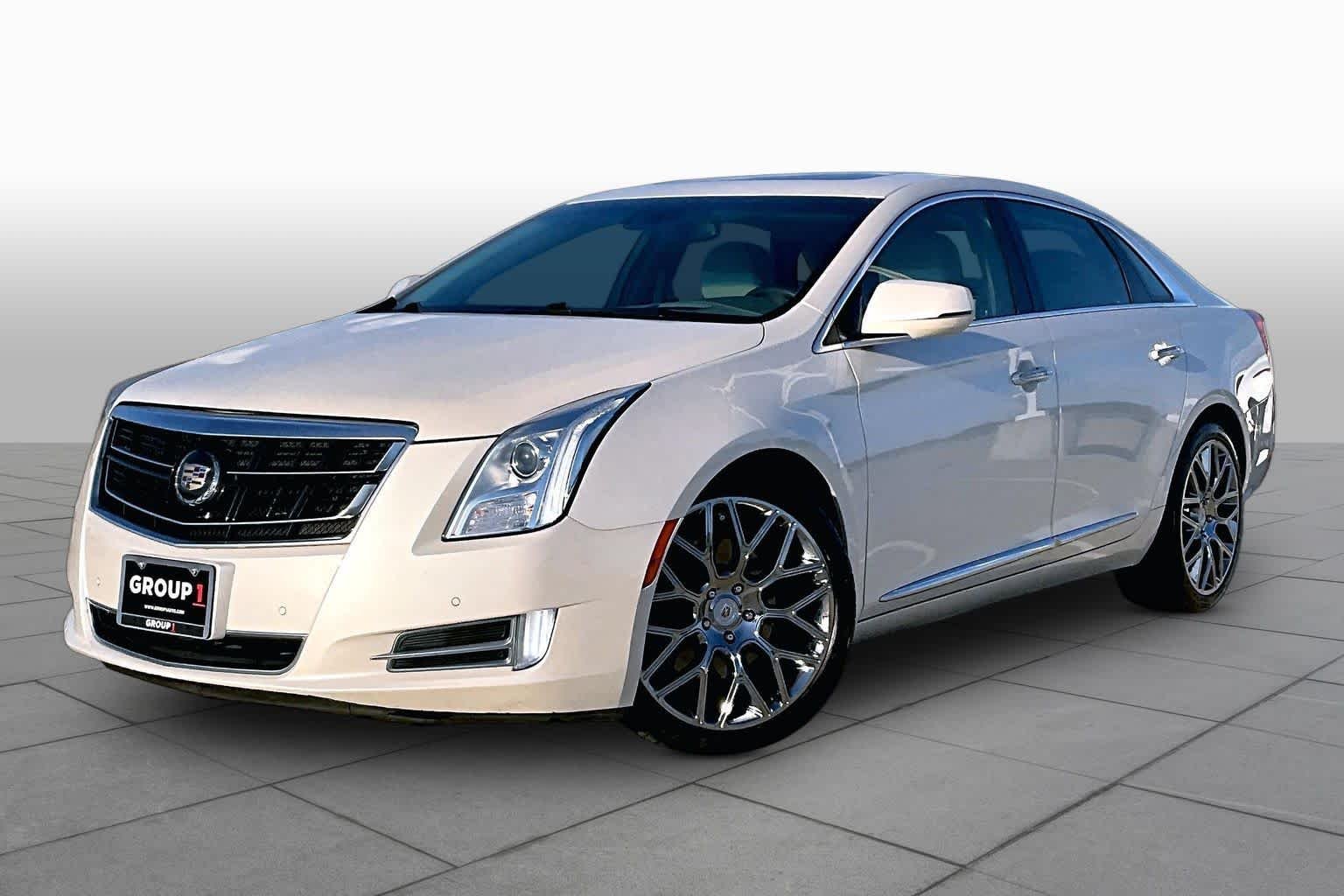
gasoline, automatic, 77K km, sedan, All Wheels Drive, 3,600 cm3, 410 hp, white, Used condition, USA, In stock

Group1Auto.com
 Southwest, United States
 Southwest, United StatesOrlando, United StatesChevrolet, United StatesAustin, United StatesPointe à la Hache, United States
 United StatesKellogg, United States
 Las Vegas, United States
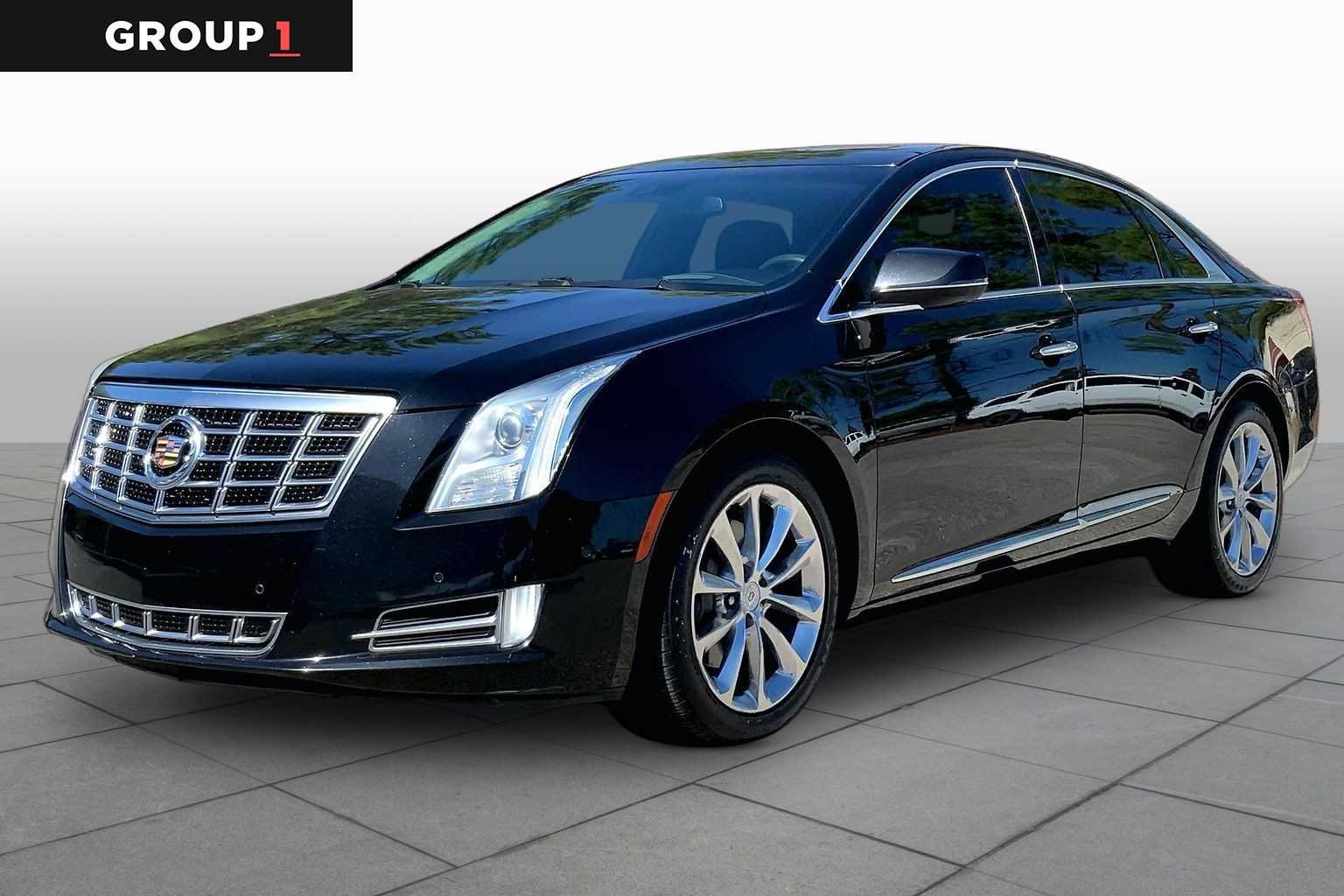
Cadillac XTS stands out in the full-size luxury sedan segment with its bold styling and comfortable ride. If you’re considering a Cadillac XTS, you’re likely weighing generations, engines, and trim levels to find a model that fits your needs and budget. This guide helps buyers and sellers compare options, estimate value, and navigate popular markets in major cities.
The XTS has a distinctive presence in the luxury sedan class. For buyers, the main considerations are model year, mileage, fuel type, and whether the car has essential features such as adaptive suspension, premium audio, or advanced safety systems. For sellers, understanding current market demand, typical price ranges by year and mileage, and common depreciation helps you price competitively and attract credible offers.
When researching, people often search for phrases like “Cadillac XTS price 2018 vs 2019,” “XTS reliability and maintenance costs,” or “Cadillac XTS fuel economy.” It’s useful to compare body styles (sedan) and generations to ensure compatibility with parts and service availability in your city. Whether you’re in a large metro or a smaller market, knowing the typical price segment — entry, mid, or premium — helps align expectations with reality.
The Cadillac XTS has a distinct generation timeline and engine options that shape performance and ownership costs. Common configurations include front-wheel drive platforms with V6 powertrains, and some editions offer all-wheel drive for better handling. Buyers often look at features such as premium leather, touchscreen infotainment, and driver-assistance suites when evaluating value.
For sellers, mileage is a key indicator of remaining value. A well-documented history, regular service, and clear records reduce negotiation friction. Buyers should request maintenance receipts, verify tire condition, brake wear, and any recalls that affect long-term reliability.
City-specific pricing reflects demand, local taxes, and maintenance costs. In larger markets, the XTS can command higher asking prices for well-kept examples with lower mileage and strong feature sets. If you’re selling, start with online estimates for your year and mileage bracket, and set a competitive yet fair price based on recent listings in your area.
When evaluating a particular Cadillac XTS, consider:
Ready to move forward? Gather the vehicle’s VIN, maintenance records, and a clean title before listing. For buyers, a pre-purchase inspection by a trusted mechanic can save future costs and uncover hidden issues.
Pros: roomy interior, comfortable ride, traditional American luxury feel, solid highway performance. Cons: older comparisons may show higher maintenance costs or lower fuel efficiency versus newer competitors.
In summary, whether you’re buying or selling a Cadillac XTS, understanding the model year, mileage range, and feature set helps you make informed decisions in your city. With careful pricing and transparent history, you can navigate the market confidently and secure a reliable luxury sedan that meets your needs.
 Add as preferred sourceSee more from zvelta in Google Search Add as preferred source