EN
ENDEALER
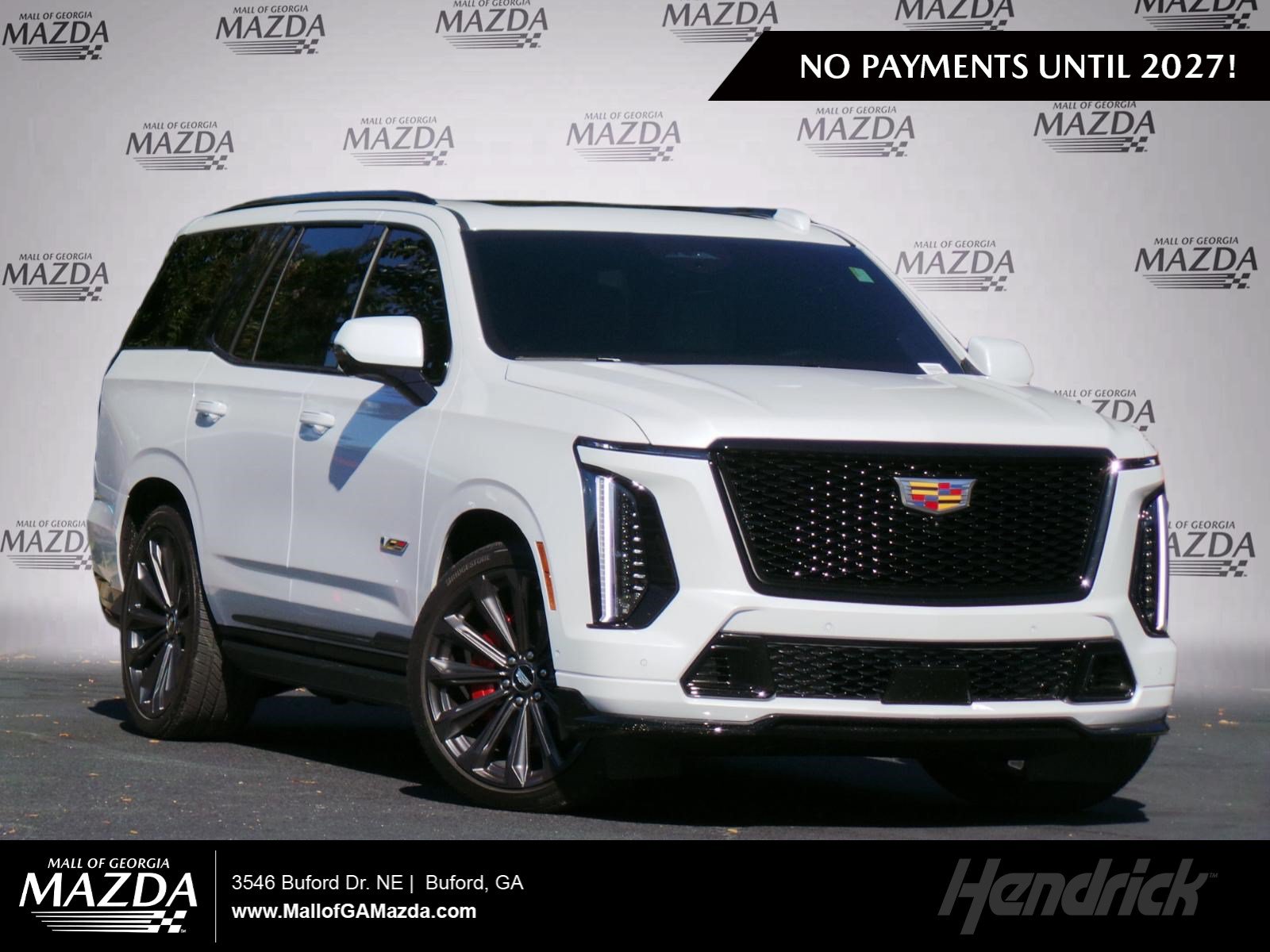
185.937 US$DEALER
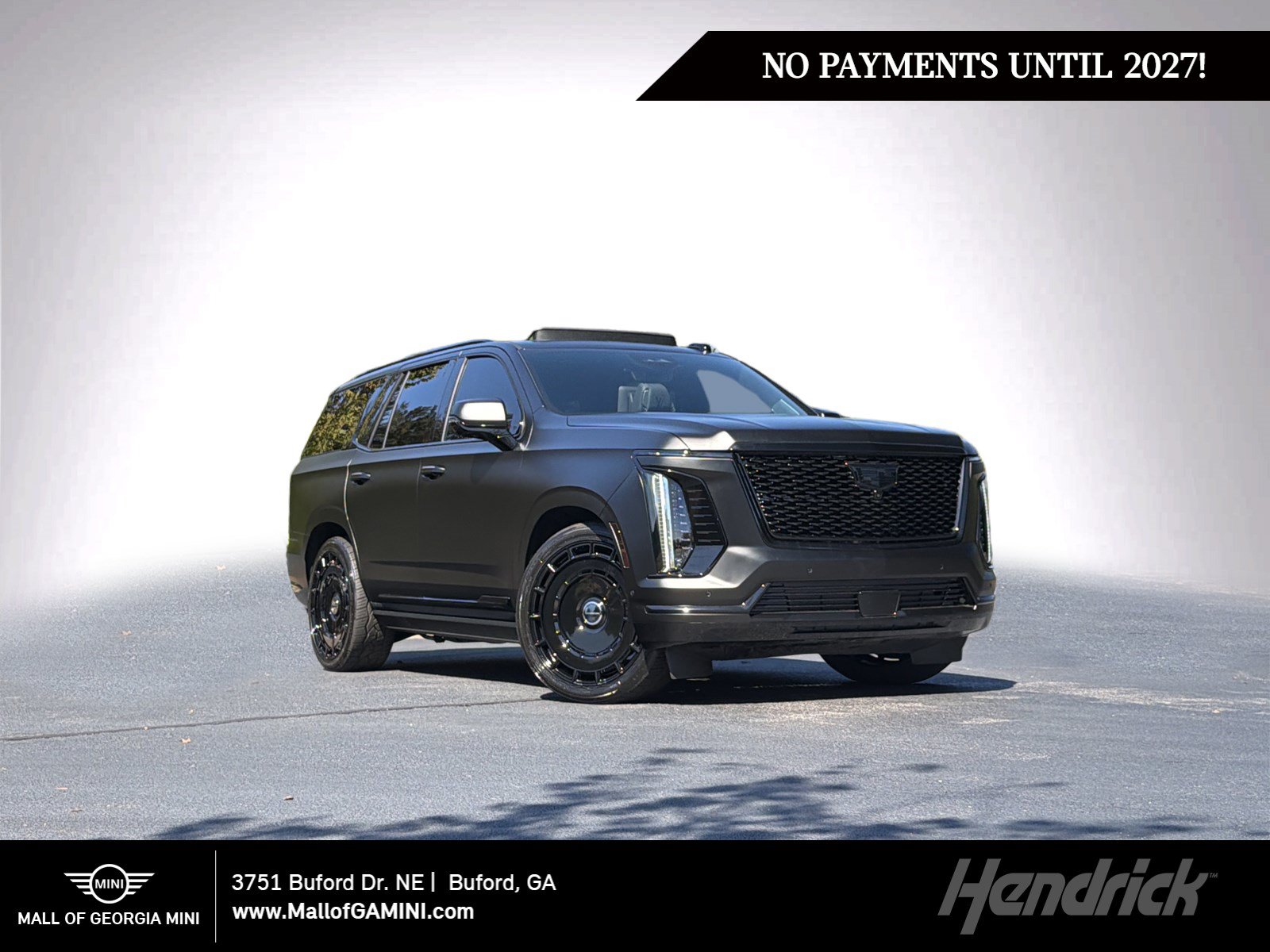
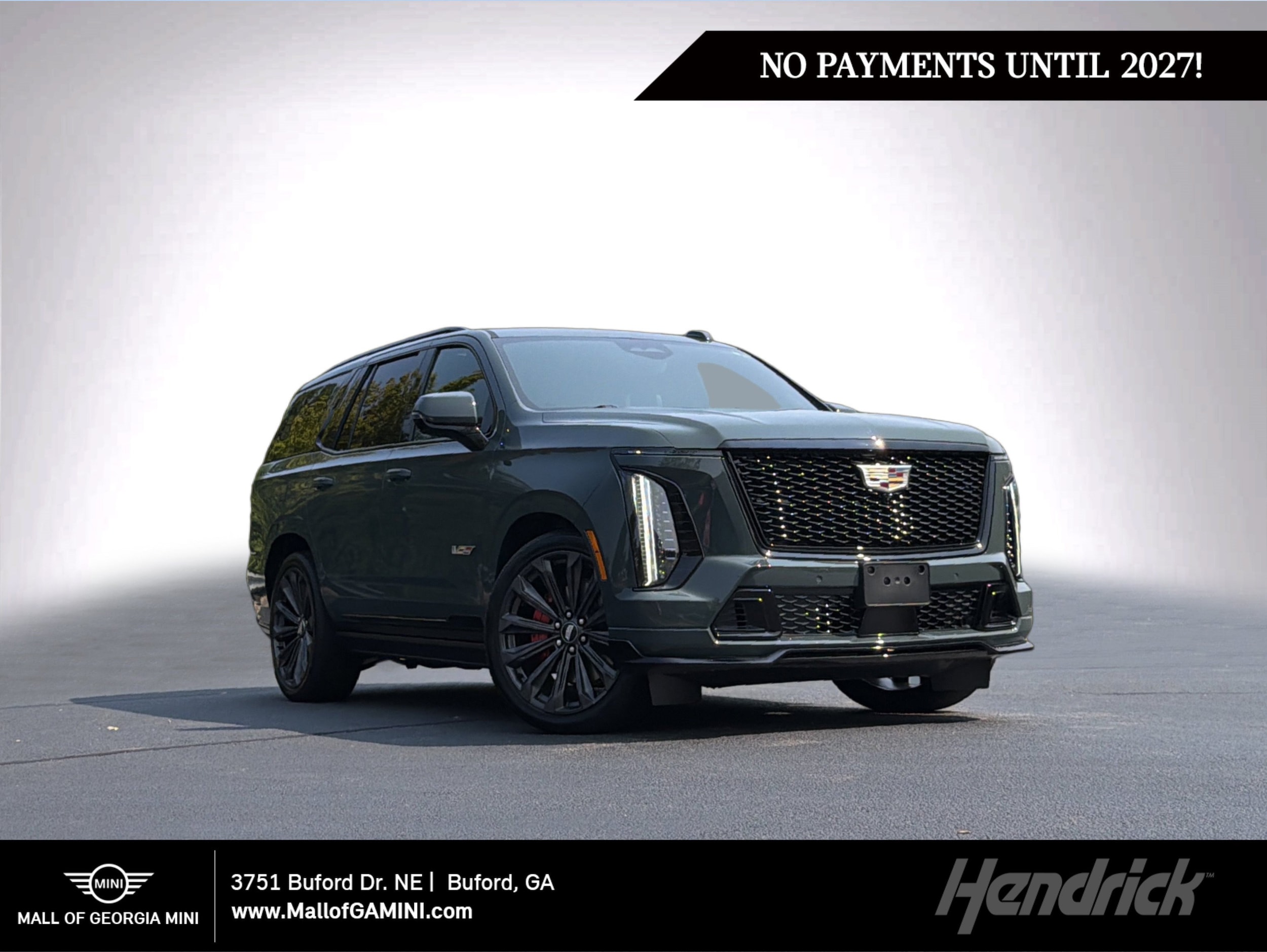
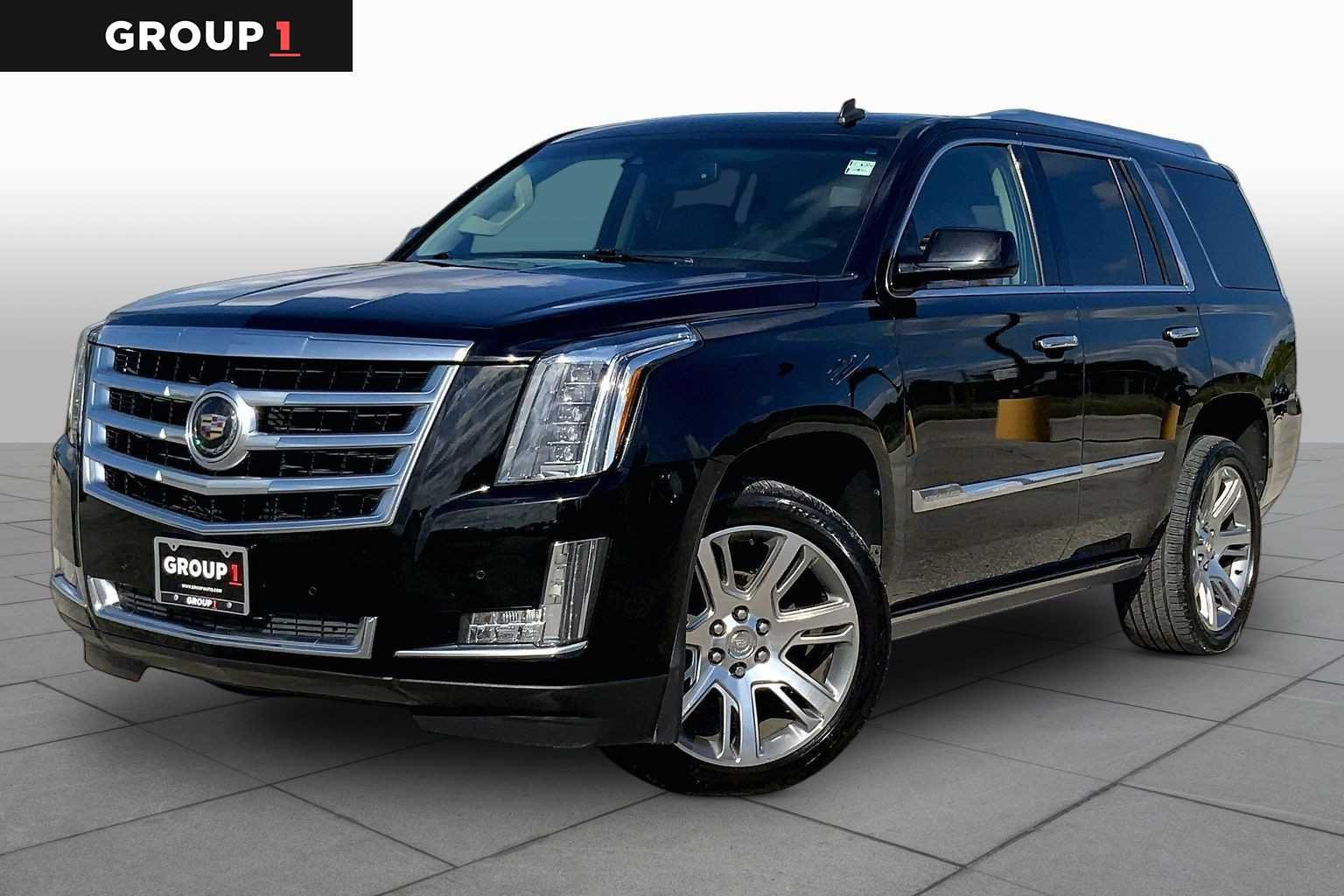
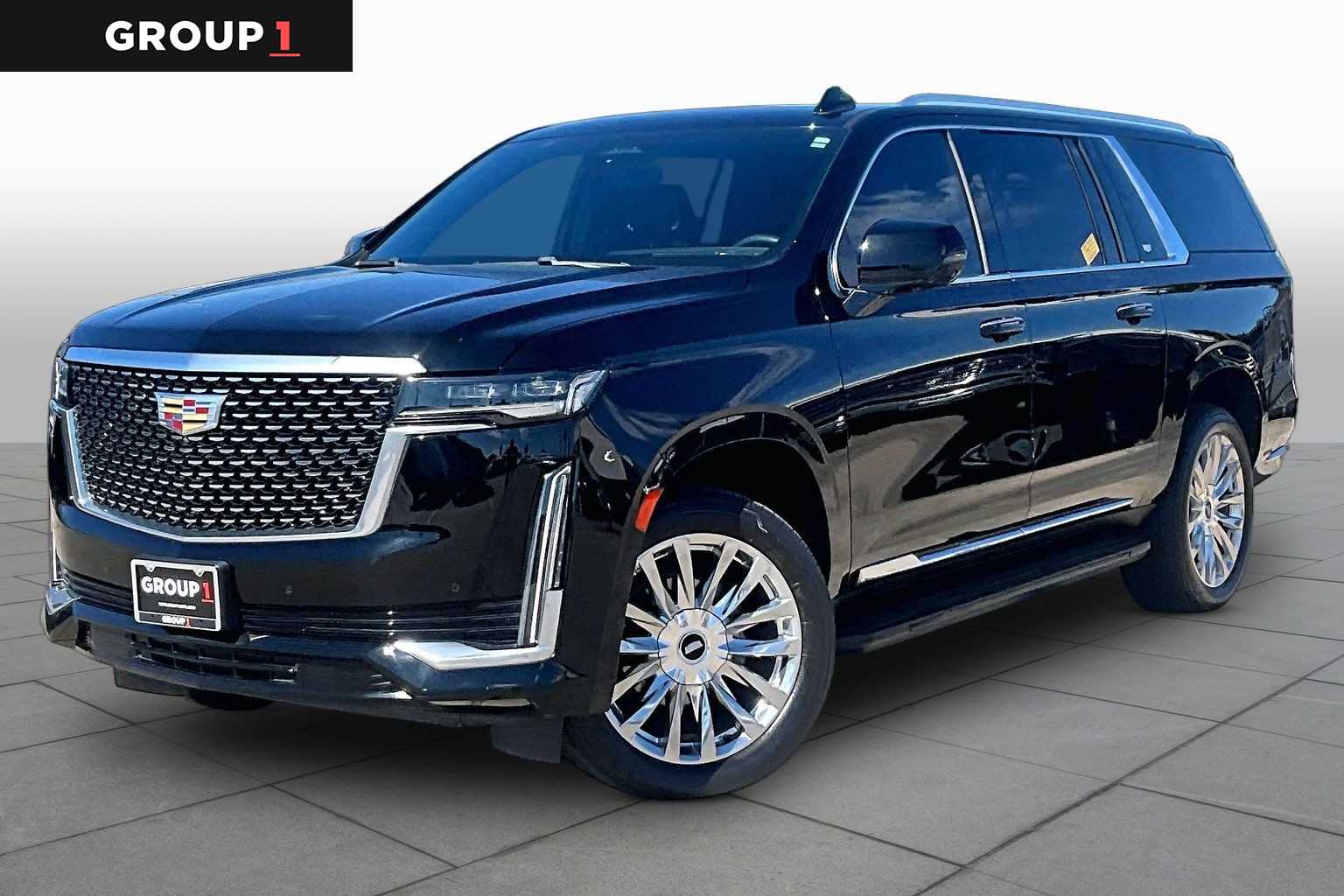
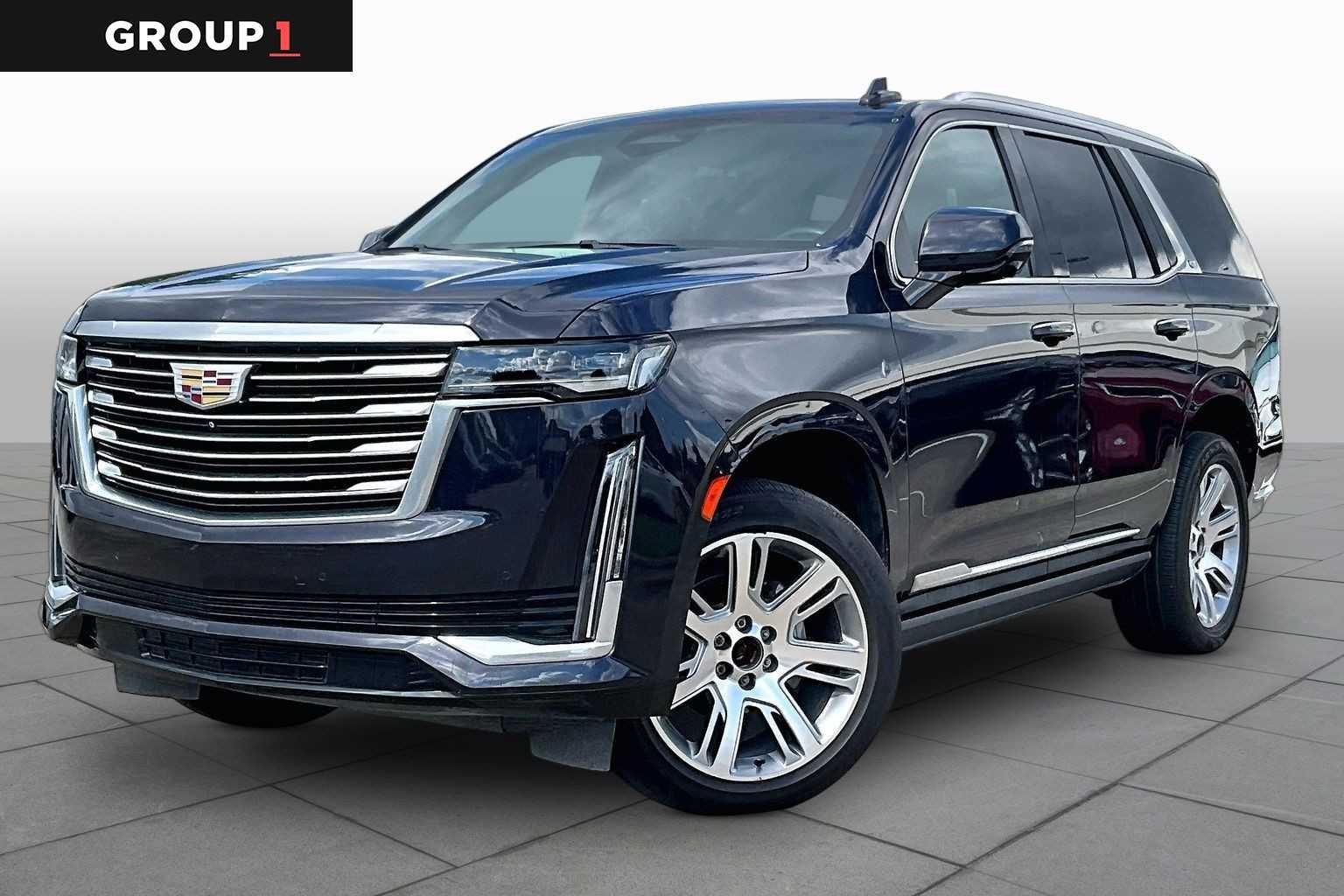
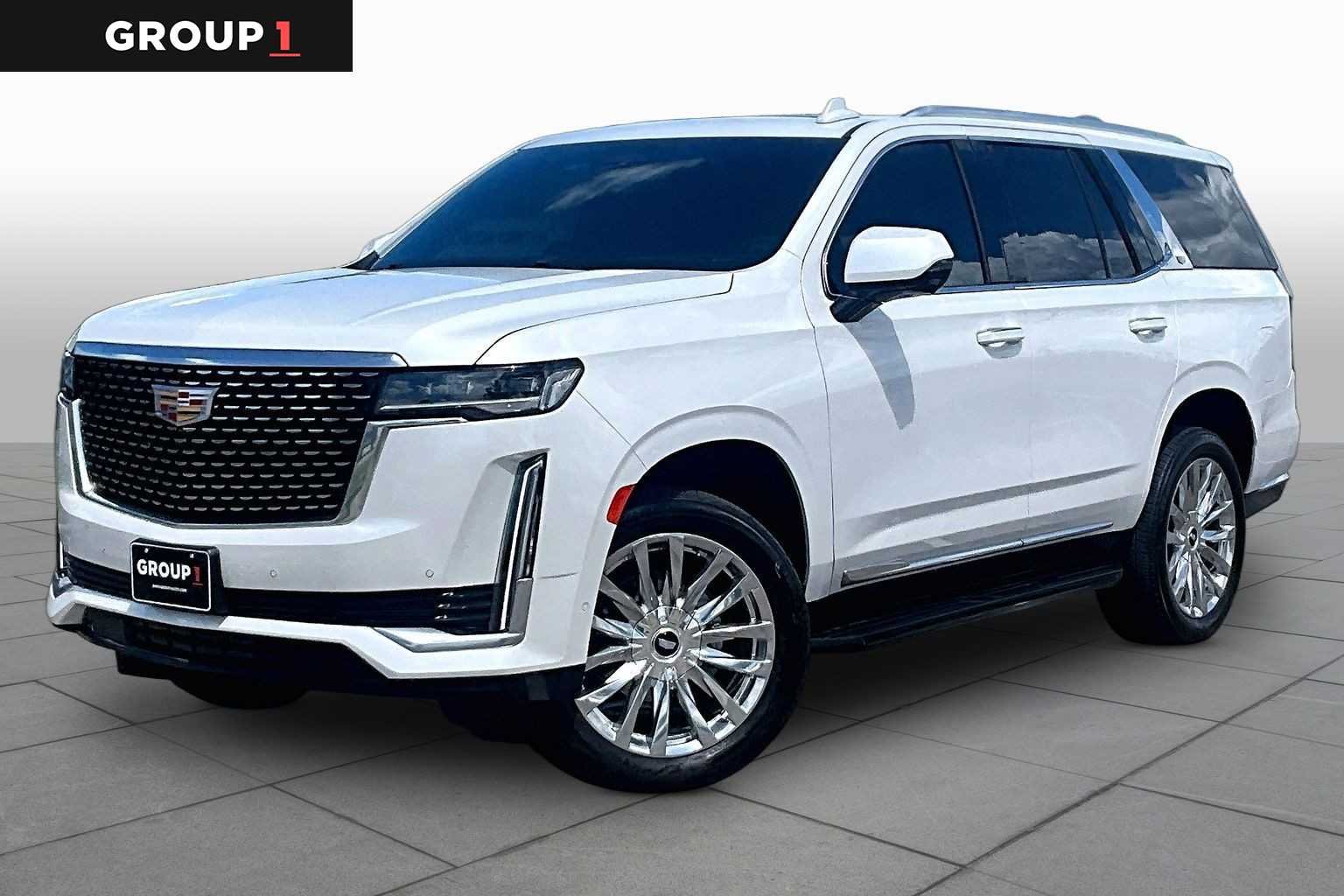
gasoline, automatic, 6K km, SUV, All Wheels Drive, 6,200 cm3, 682 hp, AWD V-Series, Used condition, USA, In stock

HendrickCars.com
 Buford, United States
 Buford, United StatesBuford, United StatesBuford, United States
 Georgetown, United StatesGeorgetown, United StatesBrentwood, United StatesBrentwood, United StatesBrentwood, United StatesSouthwest, United StatesSouthwest, United StatesSouthwest, United StatesSouthwest, United StatesSouthwest, United States
 Orlando, United States
 Orlando, United States
 Orlando, United StatesOrlando, United States
 Orlando, United States
 Orlando, United States
 Orlando, United States
 Orlando, United StatesOrlando, United States
 Orlando, United States
 Orlando, United States
 Orlando, United States
The Cadillac Escalade stands out as a flagship luxury SUV, blending premium comfort with strong road presence. If you’re evaluating whether to buy or sell a Cadillac Escalade, understanding its key generations, fuel options, body styles, and typical price ranges is essential for making an informed decision. Below we cover practical advice for buyers and sellers across common markets, focusing on how to compare models, estimate costs, and assess suitability for daily driving and longer trips.
When shopping for an Escalade, consider the generation and model year, as these affect technology, efficiency, and resale value. Early generations offer classic styling and robust V8 power, while newer models emphasize advanced driver assistance and refined interiors. Typical configurations include a long-wheelbase body style for more rear-seat legroom and cargo space, and a choice of premium trims with leather upholstery, wood accents, and advanced infotainment. If fuel economy matters, review the significant difference in consumption between older V8s and newer, more efficient engines or hybrid options in recent years. Buyers often ask:
For sellers, documenting mileage, service history, and any updates to the infotainment or safety systems can help maximize value at sale. A well-presented vehicle with clear maintenance records typically attracts more interest and can command a higher asking price.
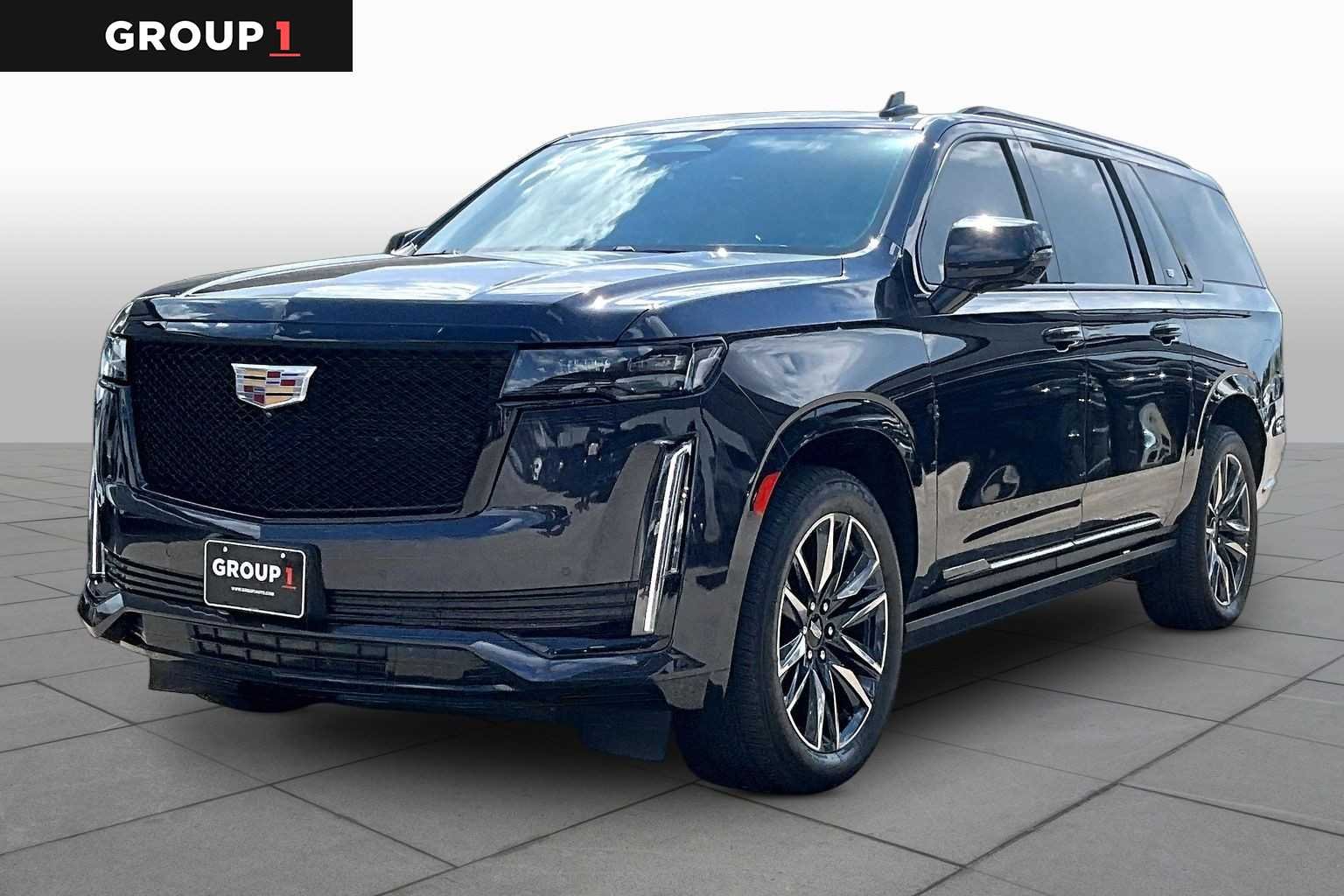
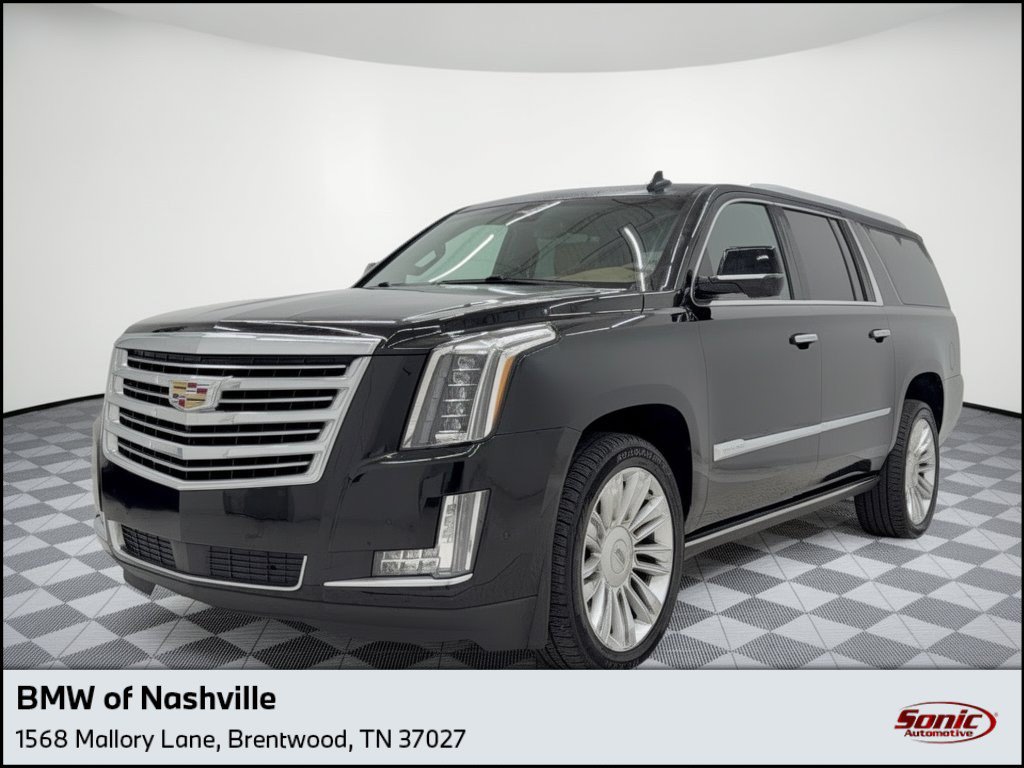
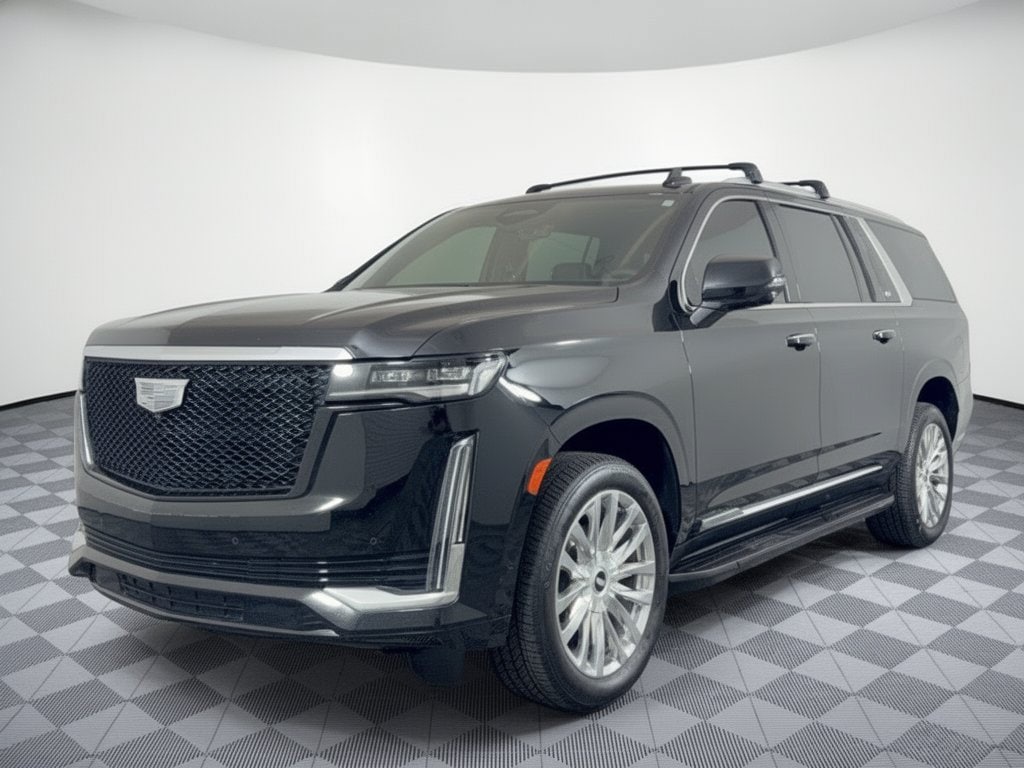
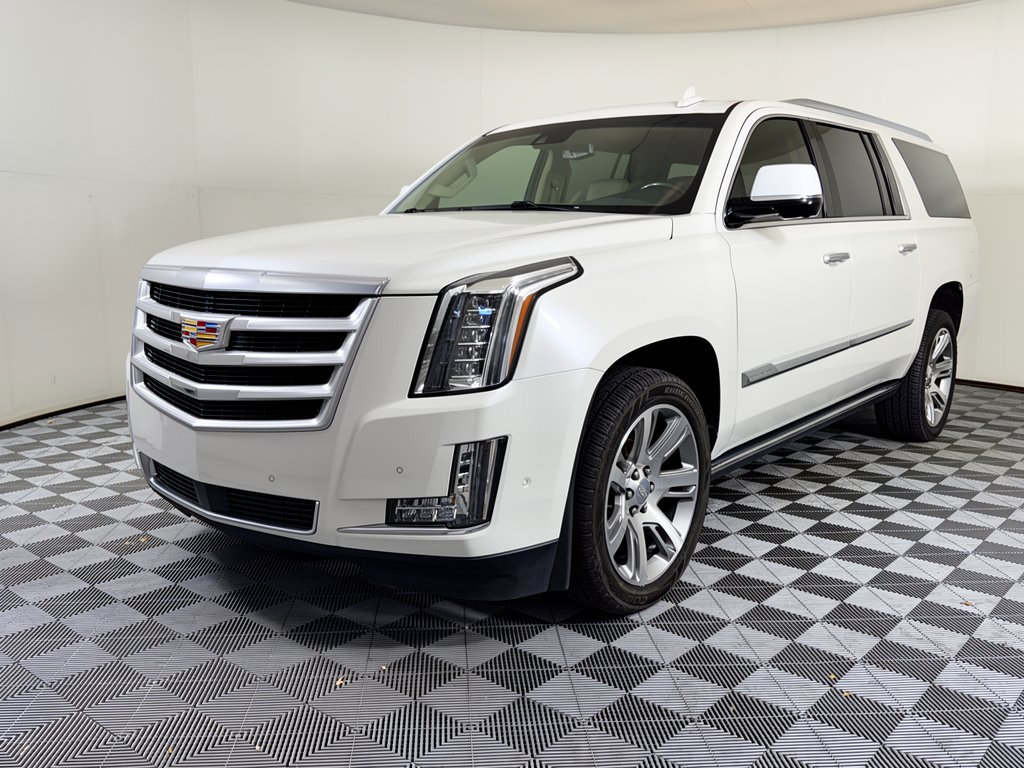
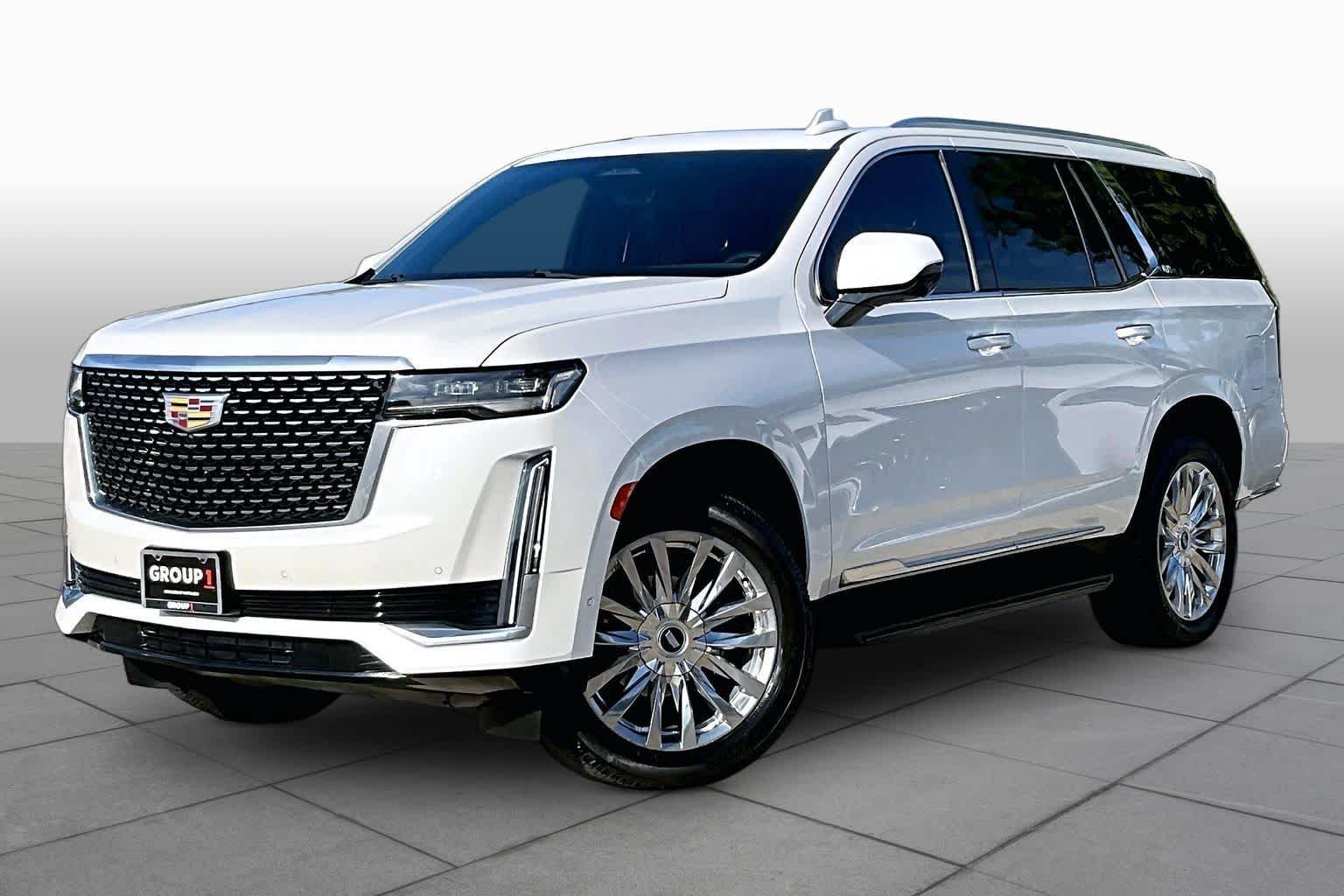
Escalade models commonly feature a spacious interior, with premium materials and a commanding cockpit. Engine options historically include V8 power with strong towing capability, while recent editions may offer improvements in efficiency and technology. Body style choices usually encompass a standard wheelbase and a longer wheelbase variant, the latter providing more cargo space and rear-seat comfort.
Buyers should check for common concerns such as maintenance costs, wheel alignment wear, and the reliability of electronic systems. Comparing total ownership costs, including insurance, depreciation, and potential repair bills, helps avoid surprises after purchase.
For buyers, set a realistic budget by researching local listing prices and typical depreciation curves for Cadillac Escalade in your country and city. Look for vehicles with clear service records, recent tire replacements, brake service, and up-to-date software updates. Test drive to assess ride quality, braking response, and quiet cabin performance.
Sellers should prepare the car for market with a clean detailing, professional photos, and a description highlighting mileage, year, trim, and any recent upgrades or maintenance. Providing a transparent vehicle history and offering a reasonable warranty or return option can increase buyer trust and shorten the time on market.
If you are comparing options, consider alternative full-size luxury SUVs from competing brands to gauge value, comfort, and performance against the Escalade. Price segments for Escalades vary by year, trim, mileage, and local demand, so you’ll often find strong price performance in well-maintained examples with desirable features.
Overall, whether buying or selling a Cadillac Escalade, a careful assessment of age, mileage, maintenance history, and feature sets will help you arrive at a well-supported decision. A balanced view of performance, luxury, and cost will guide you to the best choice for your needs.
 Add as preferred sourceSee more from zvelta in Google Search Add as preferred source