 EN
ENDEALER
17.995 US$DEALER
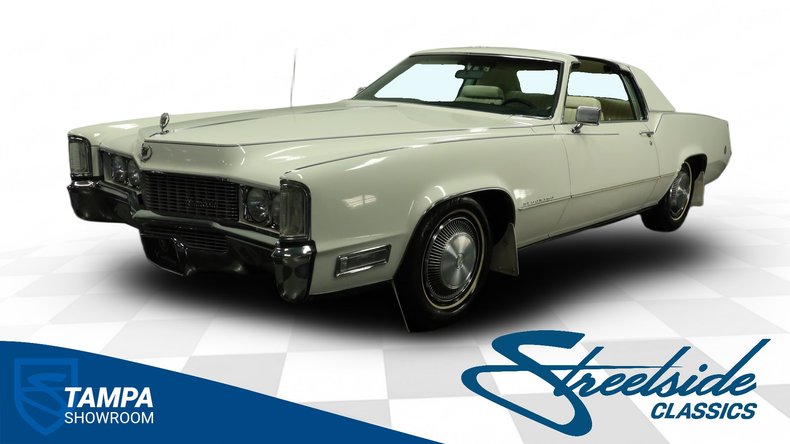
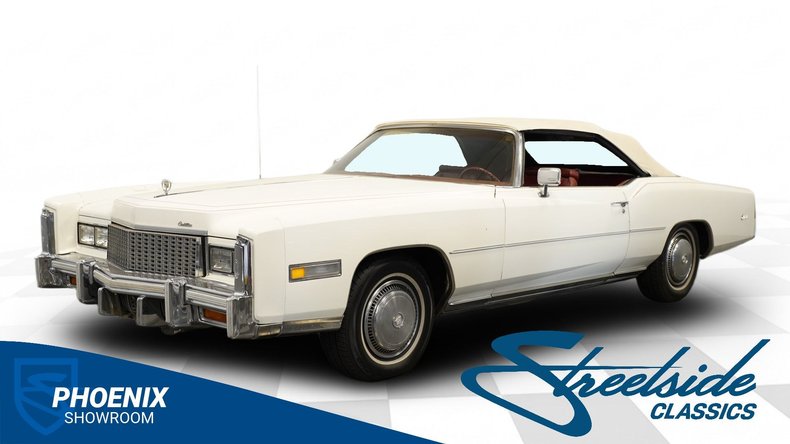
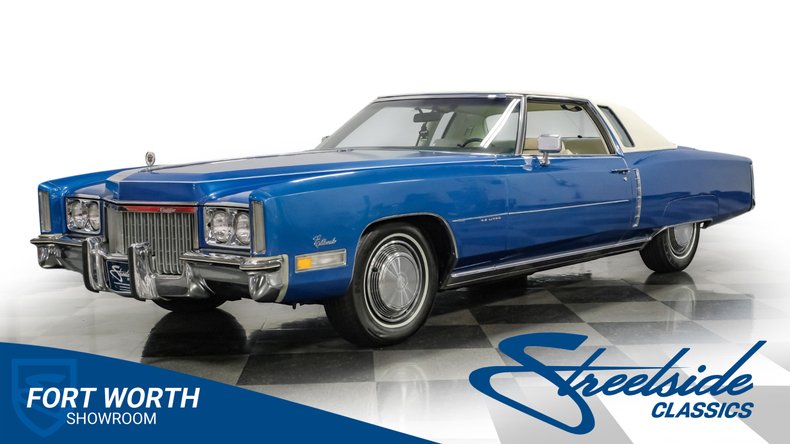
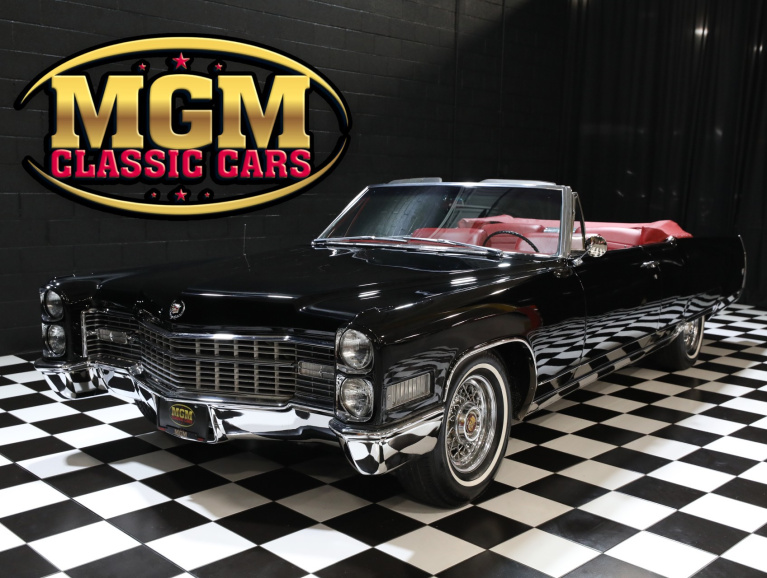
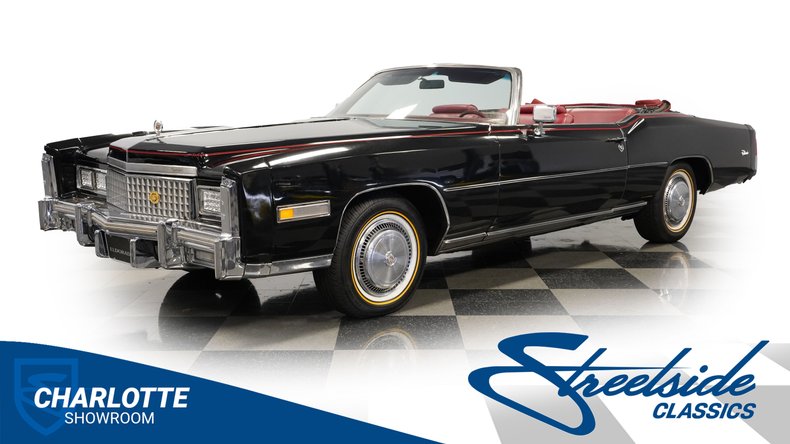
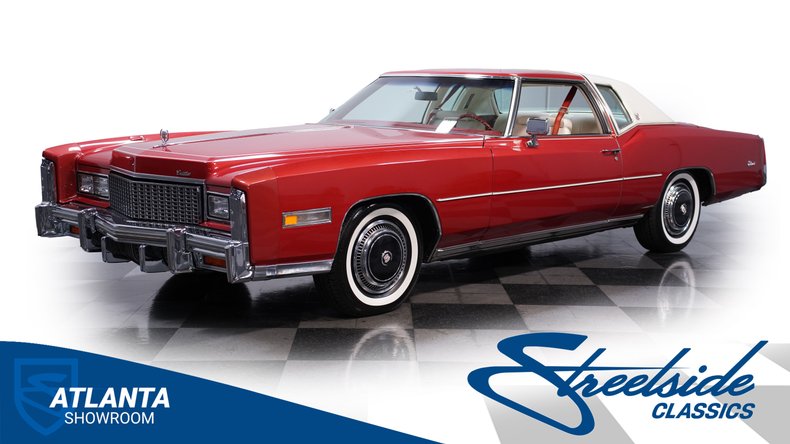
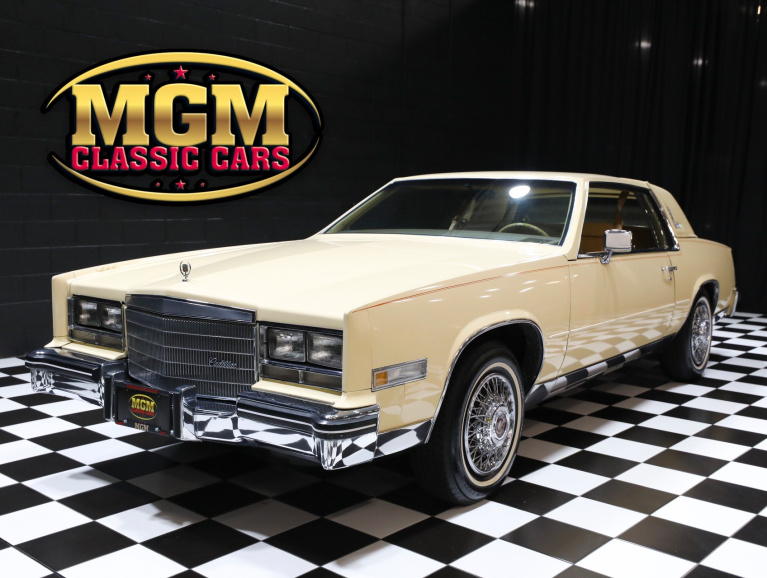
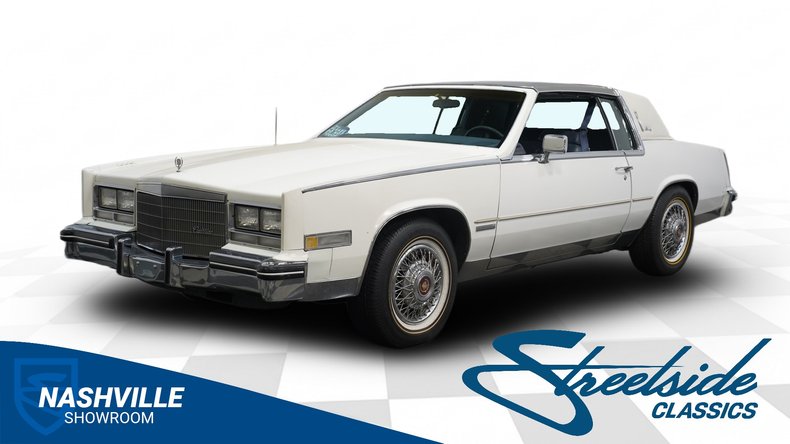
Cadillac: Eldorado, 1983, automatic, 40K km, 4,100 cm3, 4.1 liter V8

StreetSideClassics.com
 United States
 United StatesUnited StatesUnited StatesNashville, United StatesUnited States
 United StatesCharlotte, United StatesUnited StatesUnited States
The Cadillac Eldorado is a symbol of classic American luxury, known for its distinctive styling, smooth ride, and V8 power. If you’re considering buying or selling a Cadillac Eldorado, understanding the various generations, body types, and common market values can help you make a smart decision. This guide covers what buyers and sellers should know, from model year differences to typical maintenance concerns in regional markets.
The Eldorado evolved through several generations, each with unique design language and features. Early models emphasize chrome-heavy luxury and long two‑door silhouettes, while later generations brought refined interiors, improved suspensions, and more powerful engines. When evaluating a specific Eldorado, note the year, generation, and whether it’s a coupe or convertible. Common engines include V8 configurations that deliver classic Detroit performance, with varying fuel efficiency depending on the era and carburetion or fuel injection setup.
In many regions, classic Cadillac Eldorados attract collectors and enthusiasts who value design, rarity, and condition. In urban markets, some buyers seek a showpiece car for events, while rural buyers may appreciate a solid cruiser with fewer electronics. Pricing typically reflects condition, originality, and mileage. When browsing listings in cities or nearby towns, compare similar generations, body styles, and mileage to gauge fair value and negotiation range.
Whether you’re buying for collection, show, or daily driving nostalgia, a Cadillac Eldorado offers timeless appeal. A careful evaluation of year, generation, engine type, body style, mileage, and provenance will help you find a Eldorado that aligns with your goals and budget.
 Add as preferred sourceSee more from zvelta in Google Search Add as preferred source