 EN
ENDEALER
47.135 US$DEALER
47.284 US$
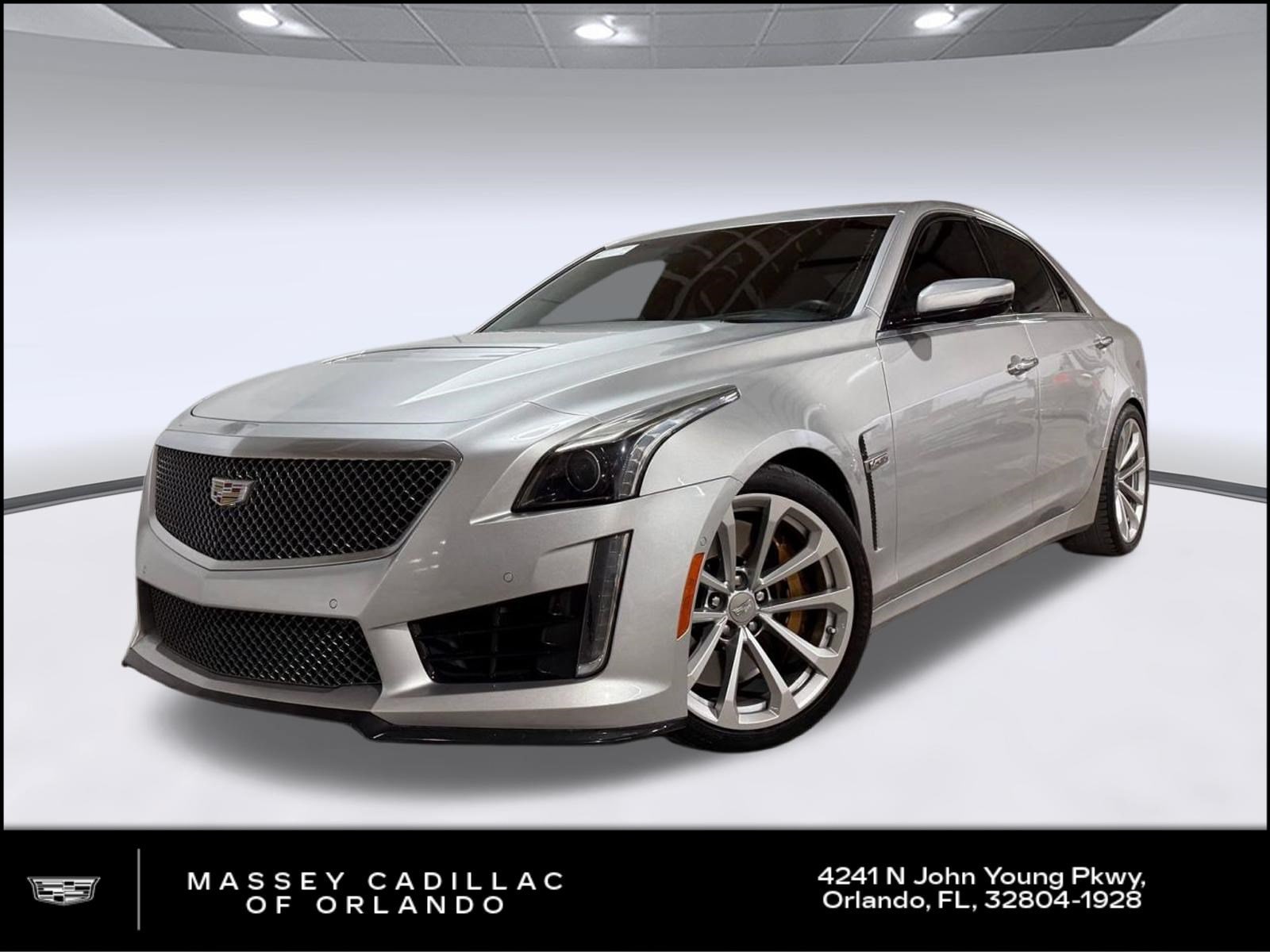
gasoline, automatic, 120K km, sport car, Rear Wheels Drive, 6,200 cm3, silver, Used condition, USA, In stock
SonicAutomotive.com
 Orlando, United States
 Orlando, United States
 Tallahassee, United States
 United States
 United StatesUnited States
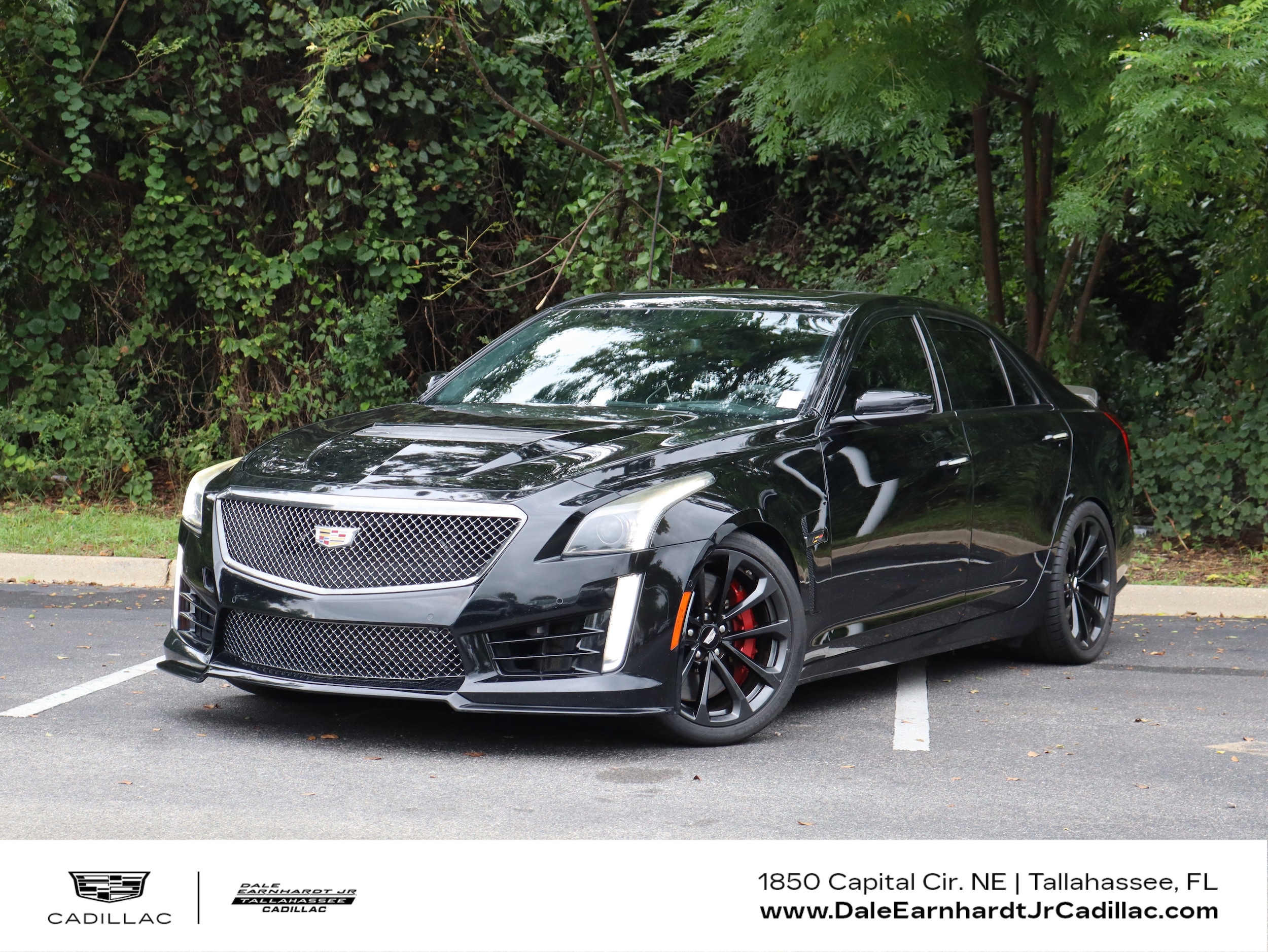
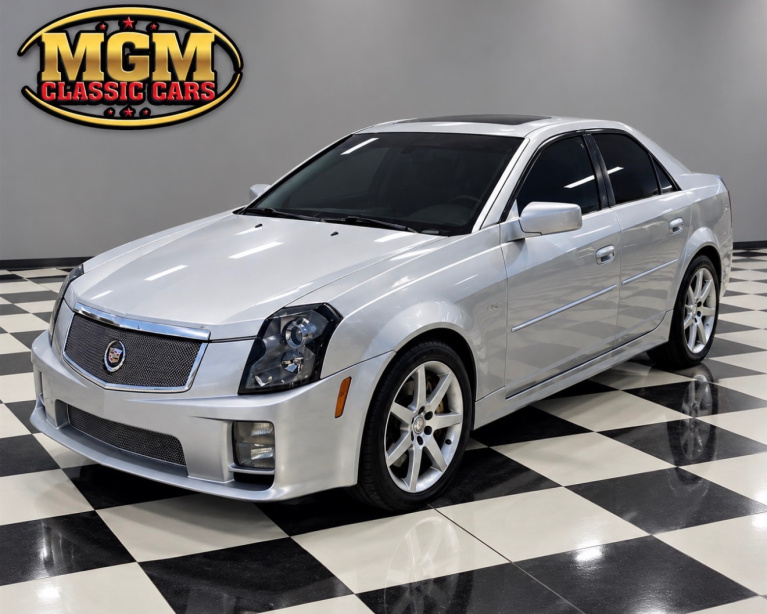
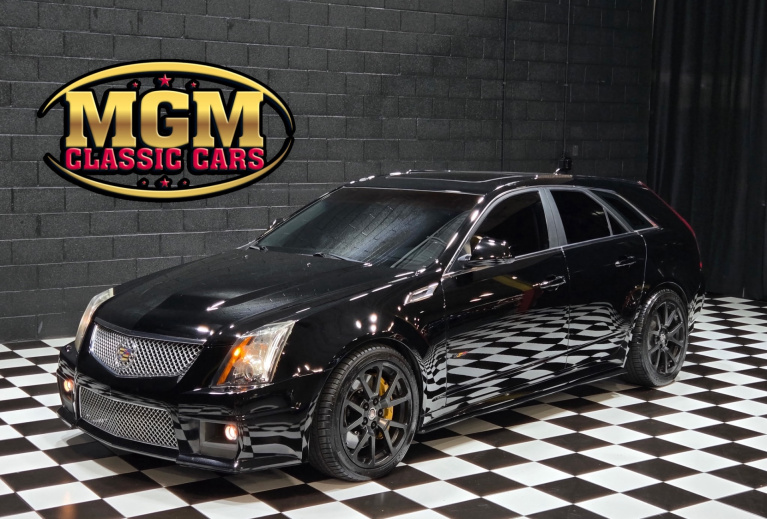
When you’re in the market for a high-performance sedan, the Cadillac CTS-V stands out with its blend of American muscle and refined luxury. This guide helps you navigate choosing, comparing, and buying a Cadillac CTS-V, whether you’re in the United States or considering a move to a city with a vibrant used-car market. We cover the CTS-V generations, common configurations, and what to expect in terms of price, miles, and potential maintenance costs.
The CTS-V represents Cadillac’s sport-focused lineup, delivering a supercharged V8 engine, sport-tuned suspension, and aggressive styling. Buyers typically look for a balance between everyday usability and track-ready performance. Key questions include: which generation suits your needs, is a newer model worth the premium, and how the mileage affects long-term ownership costs. The CTS-V commonly appears in the midsize luxury sedan segment with a coupe or sedan body style and rear- or all-wheel drive layouts. When shopping, you’ll encounter variations in year ranges, mileage, and price segments, so it helps to set a clear budget and list of must-have features.
Important factors when evaluating a CTS-V:
Prices for Cadillac CTS-Vs vary widely by country, city, and market demand. In many regions you’ll find CTS-V sedans and occasionally CTS-V variants with differing mileage levels. A practical approach is to set a budget range: entry-level units with moderate miles may sit in a mid-price segment, while well-preserved, low-mileage examples with updated components can command premium pricing. When negotiating, consider recent service work, tire condition, and potential maintenance costs associated with high-performance components. For sellers, presenting a clean maintenance history and a well-kept interior can help reach a favorable price.
The Cadillac CTS-V can be a thrilling choice for enthusiasts who want a bold, capable luxury sedan. Whether you’re buying for daily use, weekend drives, or occasional track days, understanding the generations, configurations, and market pricing will help you make a smart decision and secure a fair deal.
 Add as preferred sourceSee more from zvelta in Google Search Add as preferred source