 EN
ENDEALER
21.045 US$DEALER
19.999 US$
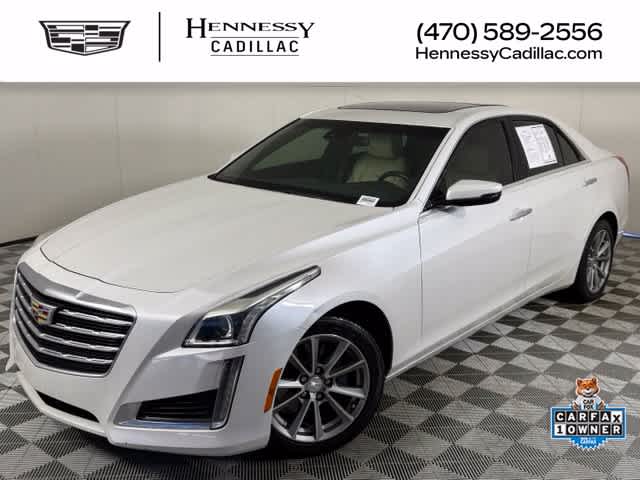
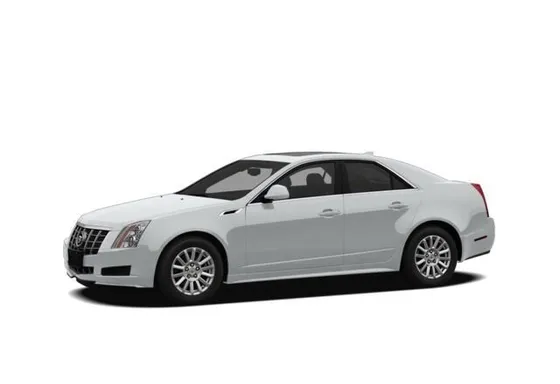
gasoline, automatic, 90K km, Rear Wheels Drive, 2,000 cm3, 265 hp, white, Luxury RWD, Used condition, USA, In stock

Group1Auto.com
 Cadillac, United States
 Cadillac, United States
 Franklin, United States
 Charlotte, United StatesDurham, United StatesDenver, United States
 United States
 Sherwood Park, Canada
 Las Vegas, United States
 Las Vegas, United StatesWalnut Creek, United States
 UkraineUkraine
 Ukraine
 Tiraspol, MoldovaTiraspol, Moldova
 Seongsu-dong, South Korea
 South KoreaSouth KoreaSouth KoreaSouth KoreaSouth Korea
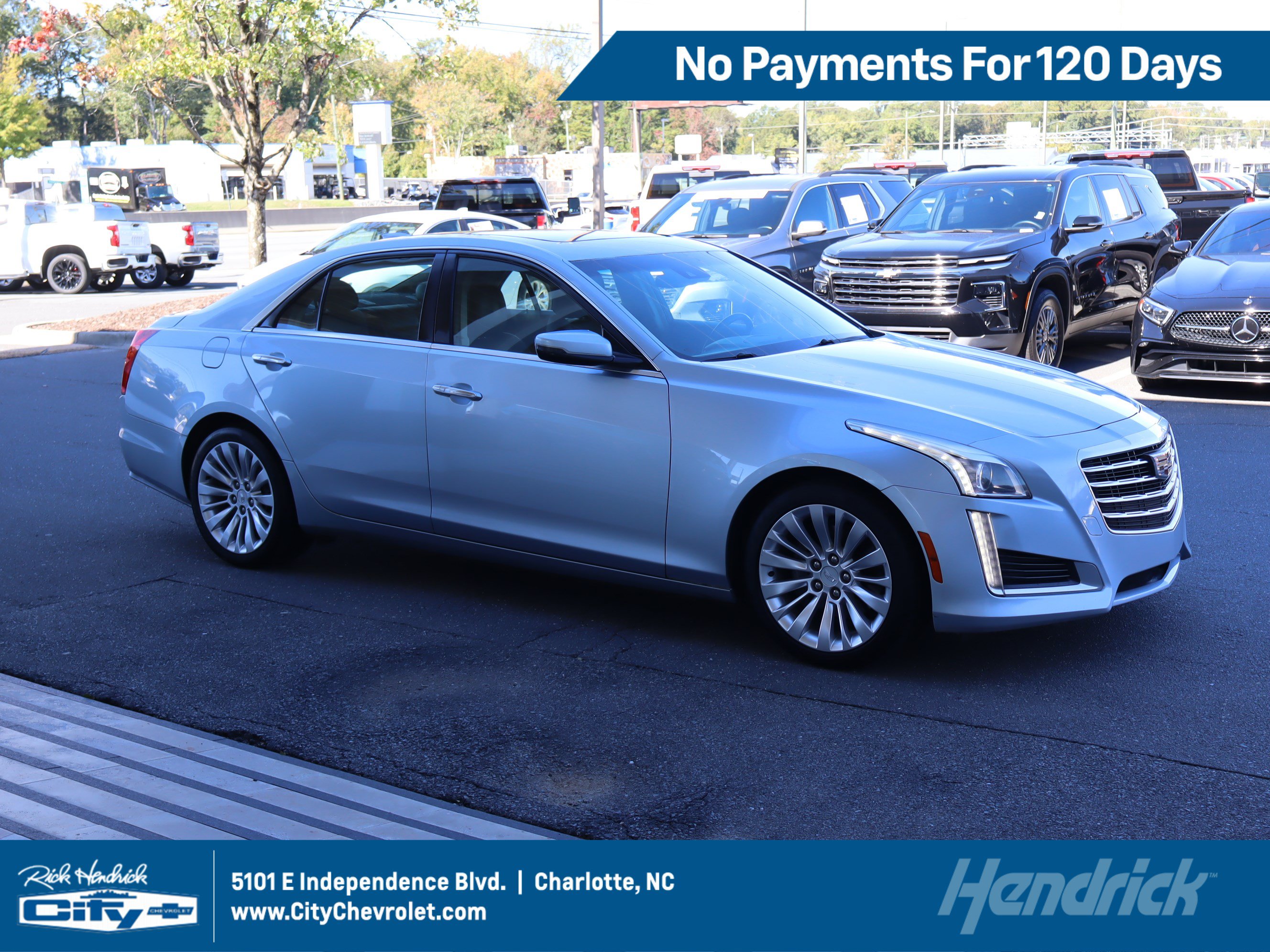
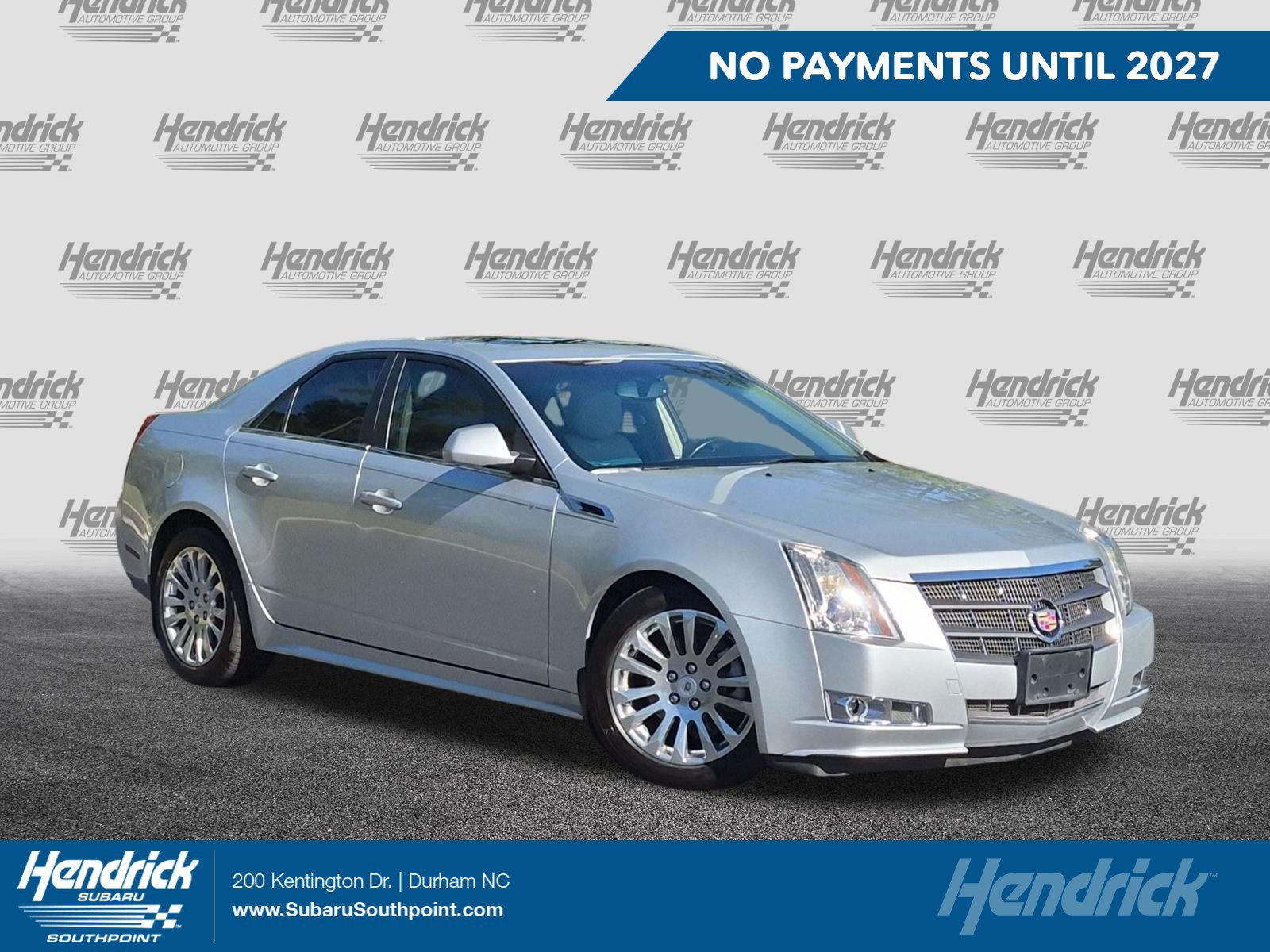
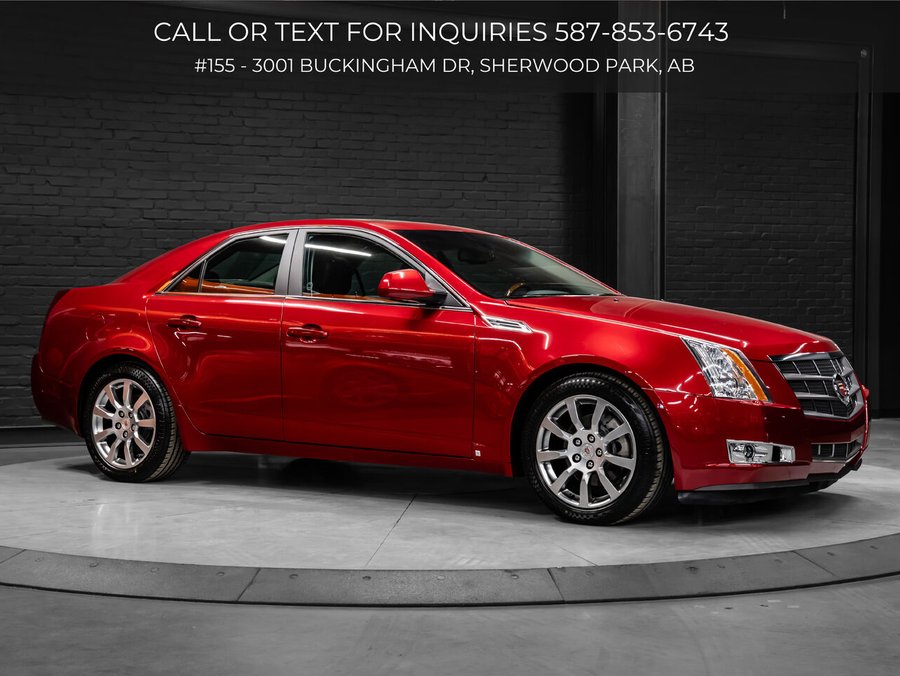
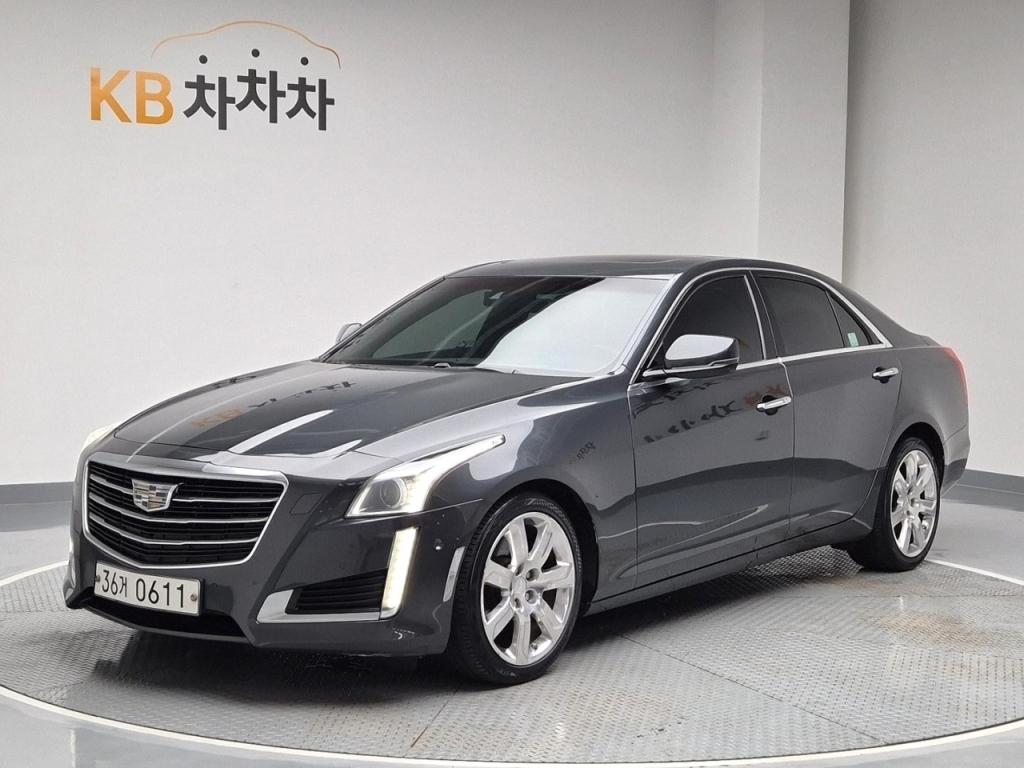
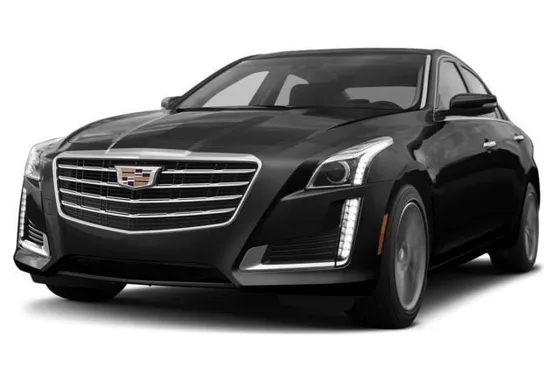
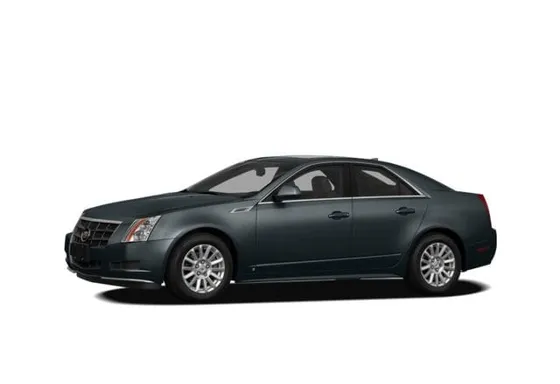
The Cadillac CTS has long attracted buyers who want a blend of luxury, performance, and distinct styling. If you’re considering a CTS, whether for daily commuting or weekend driving, understanding the generations, engine options, body types, and typical price ranges will help you make a smarter choice. This guide focuses on practical buying and selling considerations for the CTS model, including relevant details like year, mileage, country, city, and how these factors affect value.
The CTS has evolved through several generations, each with its own design language and mechanical tweaks. Early models offered a sporty compact luxury experience, while later generations shifted toward more refined comfort and advanced technology. Common body styles include a sedan with sporty lines, rear-wheel drive or all-wheel drive layouts, and options for higher-performance variants. When evaluating a CTS, buyers often compare:
Pricing varies by country and city, but several factors consistently impact value:
If you’re weighing models within the Cadillac CTS lineup, consider how each generation aligns with your priorities—comfort, sportiness, technology, or a balance of all three. Whether you’re buying for personal use or preparing a CTS for resale, focusing on year, mileage, condition, and regional pricing will help you arrive at a fair deal.
 Add as preferred sourceSee more from zvelta in Google Search Add as preferred source