 EN
ENDEALER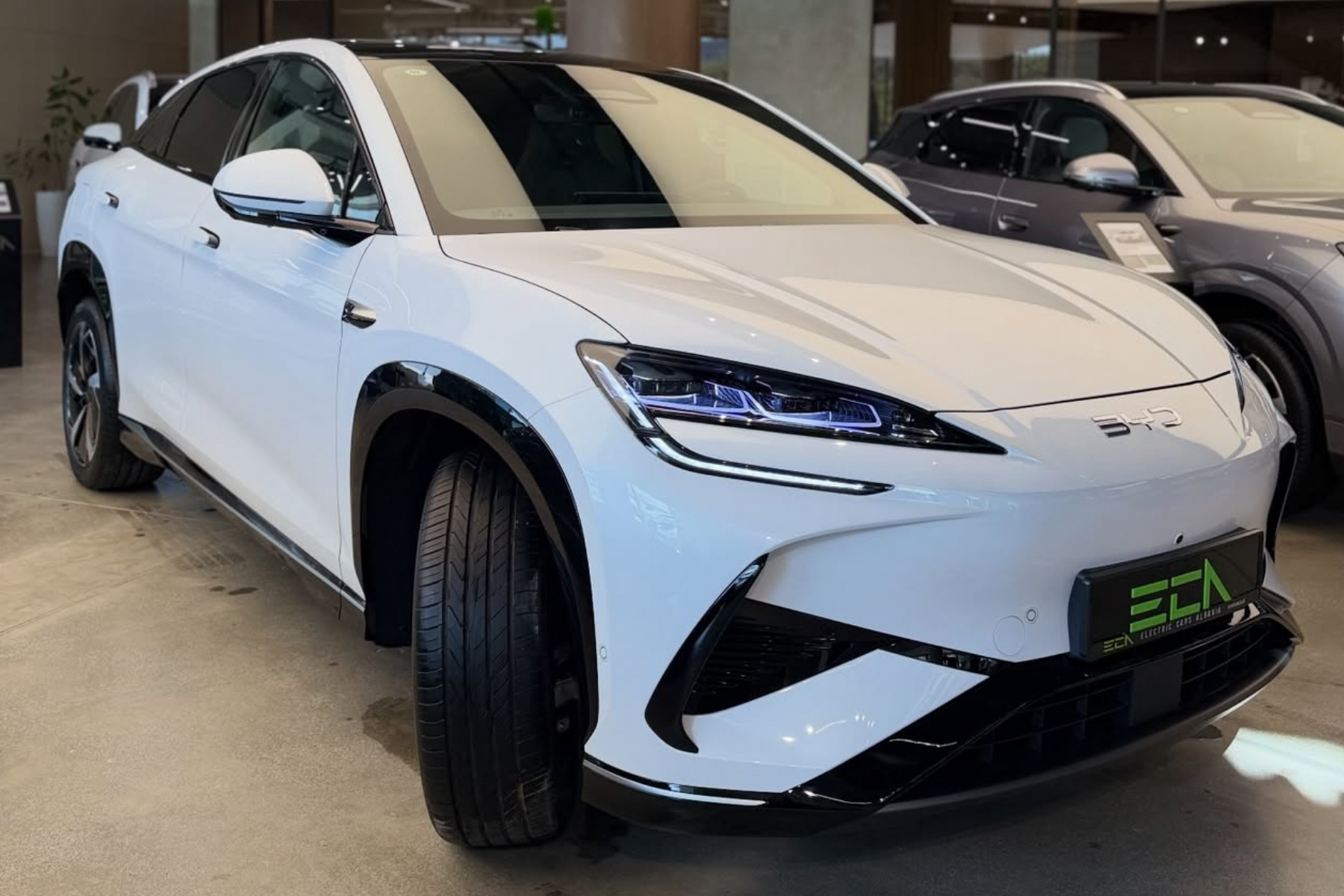
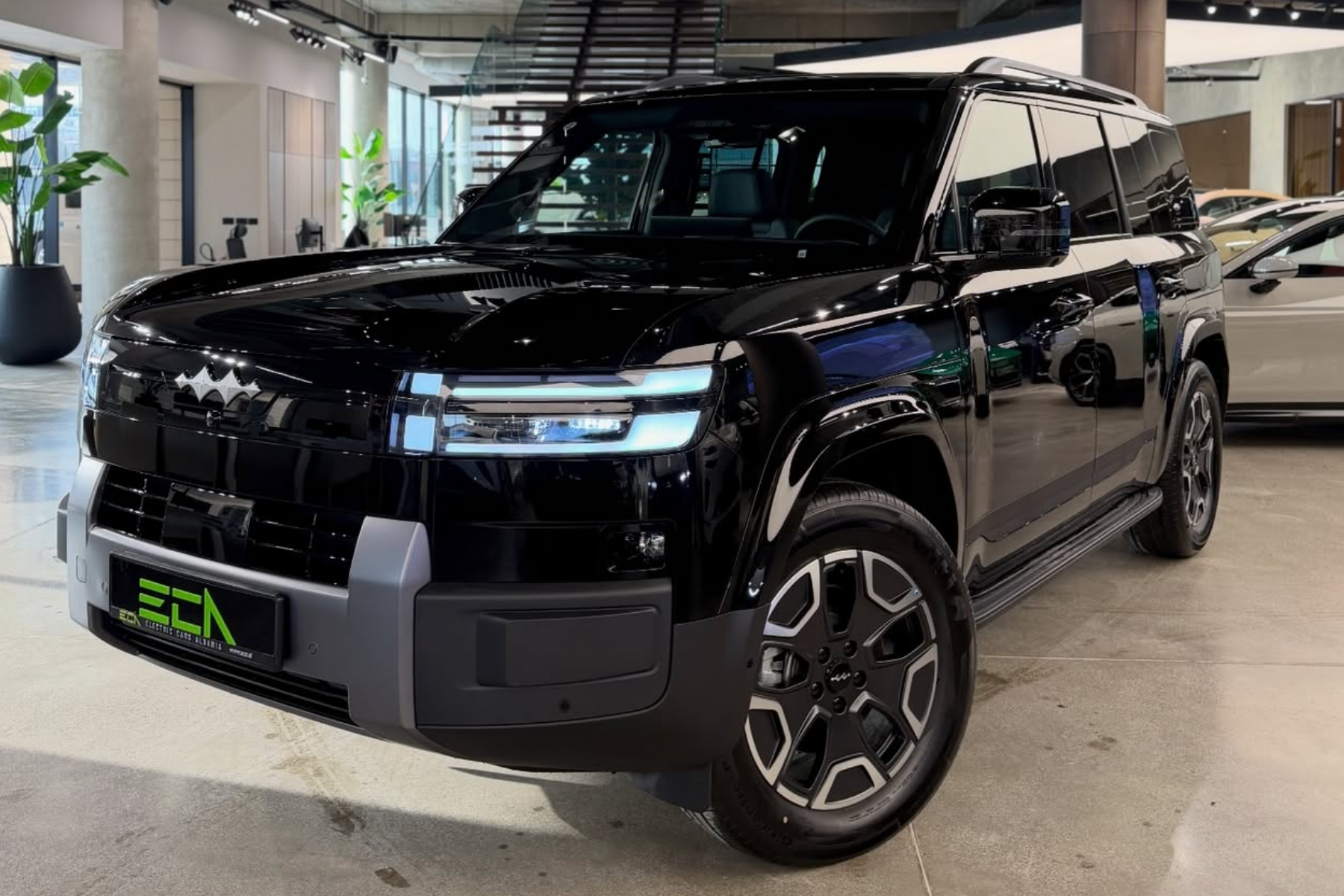
2026, electric, SUV, Rear Wheels Drive, 313 hp, Used condition, In stock

eca.al
 Albania, Tirana
 Albania, Tirana
 Albania, Tirana
 United Arab Emirates, Dubai
 United Arab Emirates, DubaiUnited Arab Emirates, DubaiUnited Arab Emirates, DubaiUnited Arab Emirates, DubaiUnited Arab Emirates, DubaiUnited Arab Emirates, Dubai
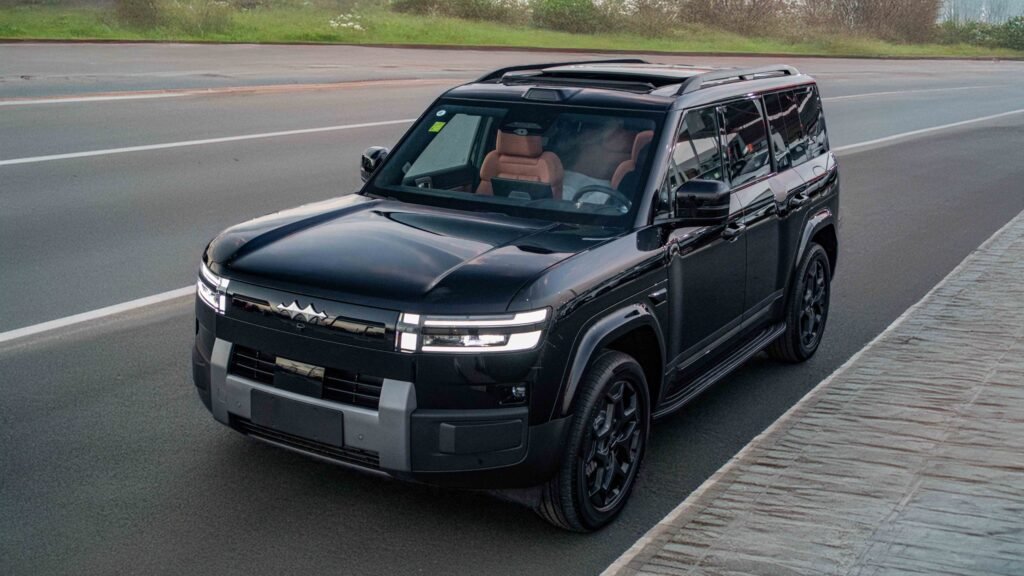
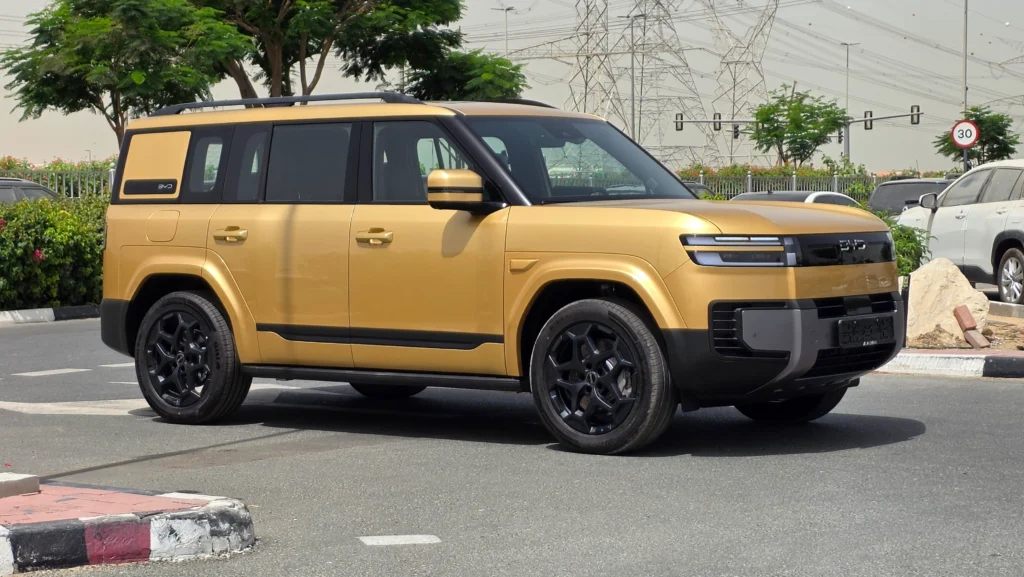
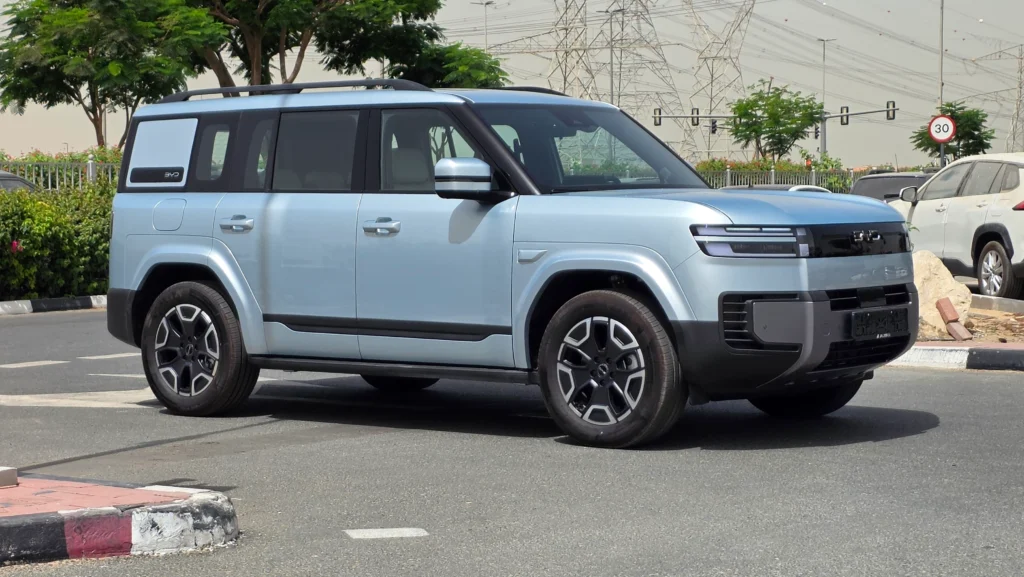
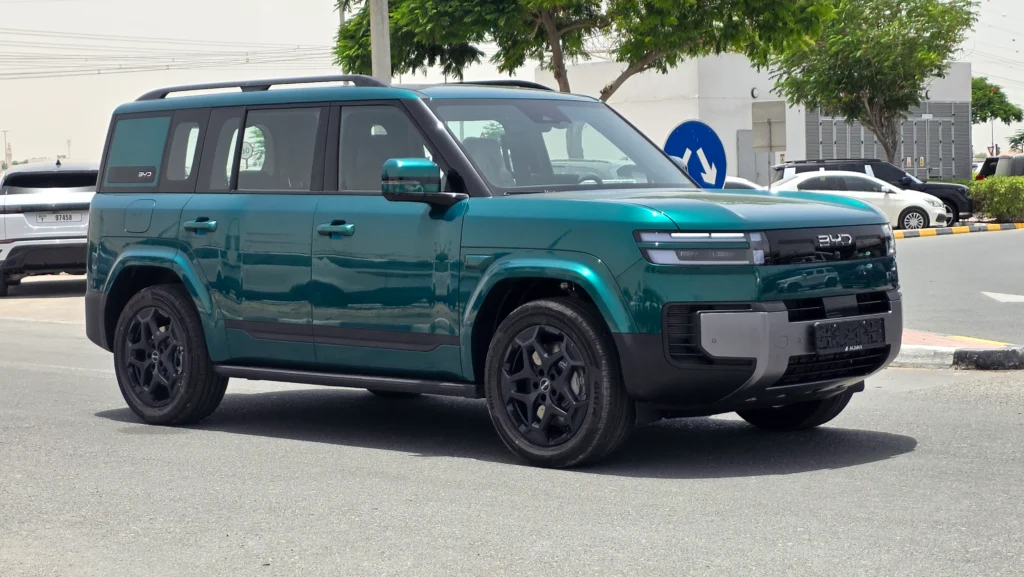
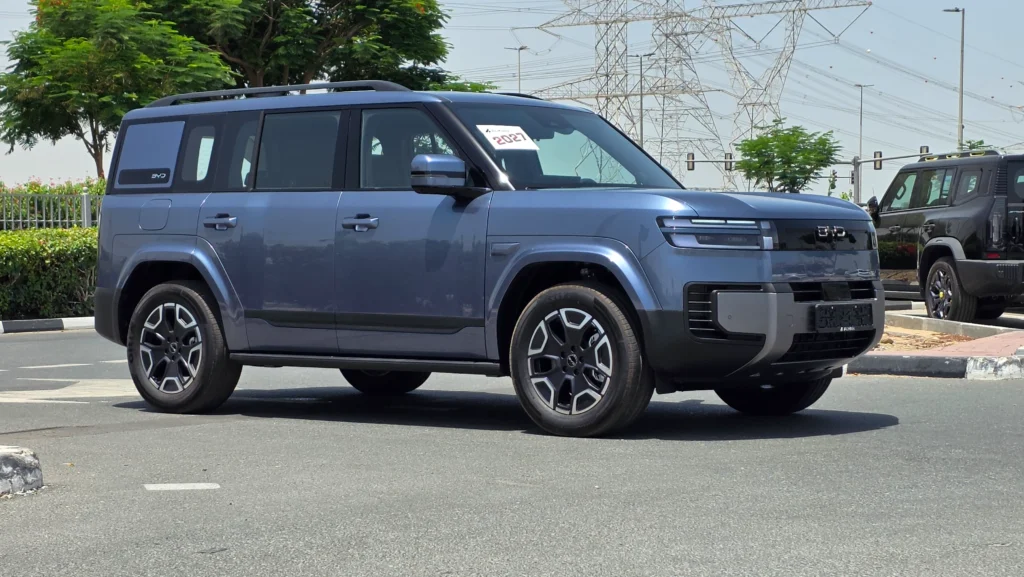
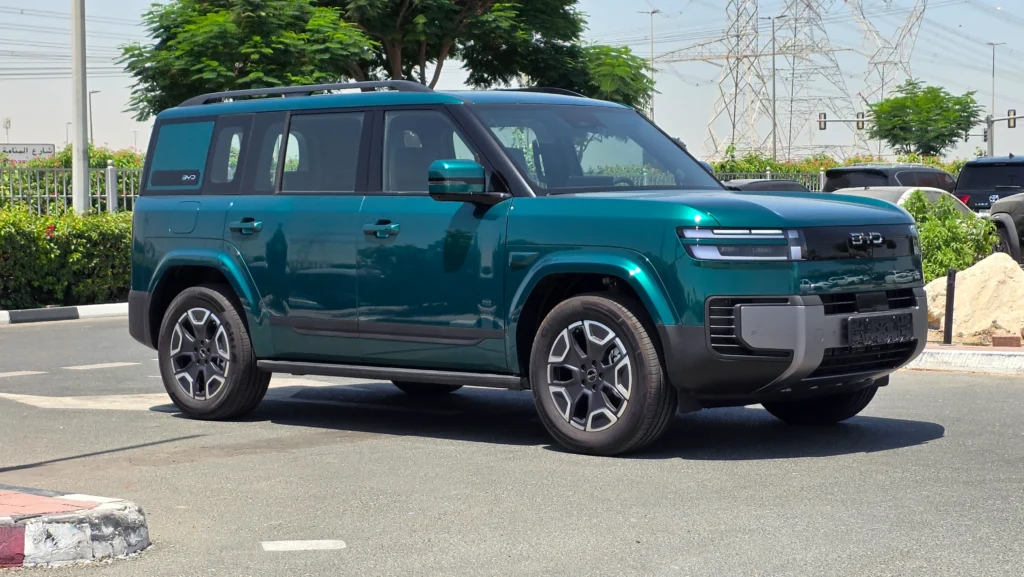
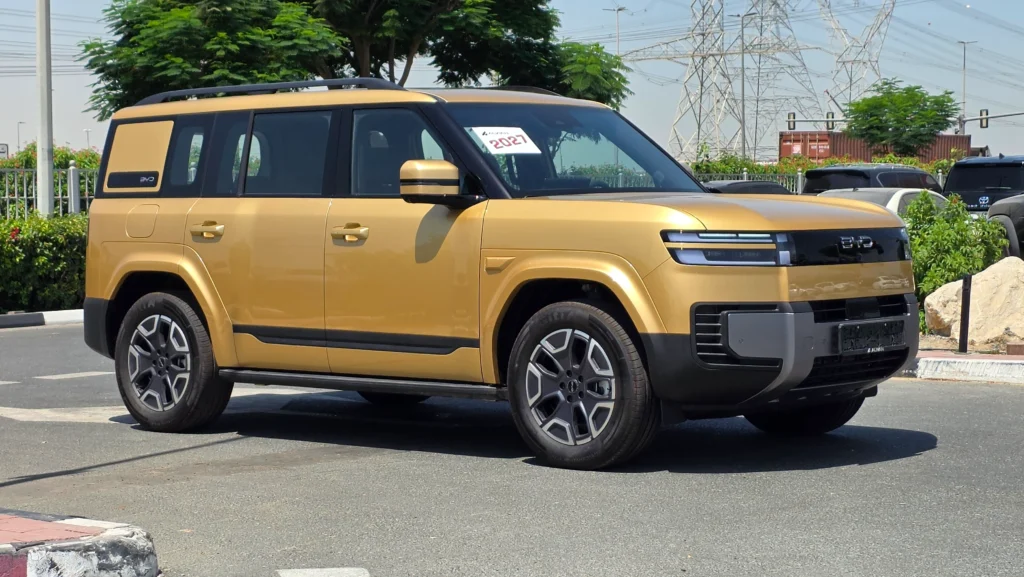
The BYD Fangchengbao Ti7 represents a practical option for buyers and sellers looking for a compact, efficient SUV with modern features. Whether you are evaluating purchasing options in a specific city or seeking a fair price range, this model’s blend of Chinese engineering and contemporary design makes it a relevant choice for many drivers. In this guide, we explore what to consider when buying or selling a Fangchengbao Ti7, including configuration choices, typical price segments, and practical tips for assessing the vehicle’s condition in daily life.
The Fangchengbao Ti7 is part of BYD’s family of compact to mid-size SUVs and comes in different configurations that influence value and driving experience. Common considerations include the generation, body type, and fuel system. Prospective buyers often weigh the compact SUV footprint against interior comfort, cargo space, and feature sets such as safety technology and infotainment. When evaluating a Ti7, think about how its fuel type—whether traditional internal combustion or hybrid setups—aligns with your daily routes and charging or fuel access.
For sellers, highlighting important details helps attract serious offers. Note the model year, mileage, and any recent maintenance or upgrades. A well-documented service history can significantly impact perceived value, especially in competitive markets where buyers compare similar vehicles.
When evaluating different Fangchengbao Ti7 listings, compare generation and generation-specific improvements, the body style (SUV with a practical footprint is common), and the included feature sets. Look for consistency in maintenance records, verify VIN details, and review any dealership or private sale history. If you plan to finance, factor in loan terms and total cost of ownership, including insurance and potential maintenance.
This concise guide helps you approach BYD Fangchengbao Ti7 purchases or sales with clarity, focusing on the main attributes that influence value and suitability in your market. By weighing generation, body type, fuel considerations, and practical mileage data, you can confidently navigate the buying or selling process for this model.
 Add as preferred sourceSee more from zvelta in Google Search Add as preferred source