 EN
ENDEALER
22.937 US$DEALER
23.937 US$
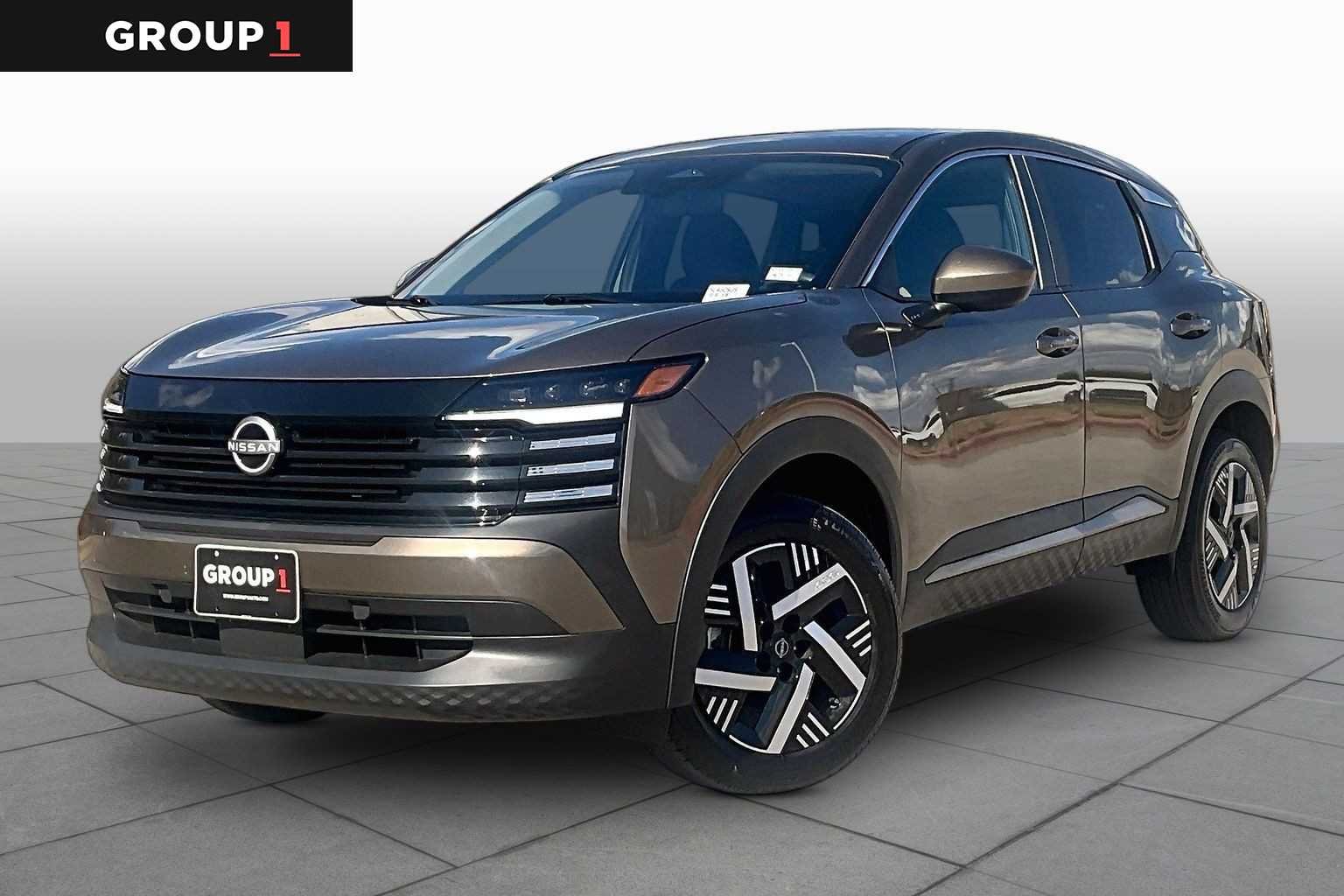
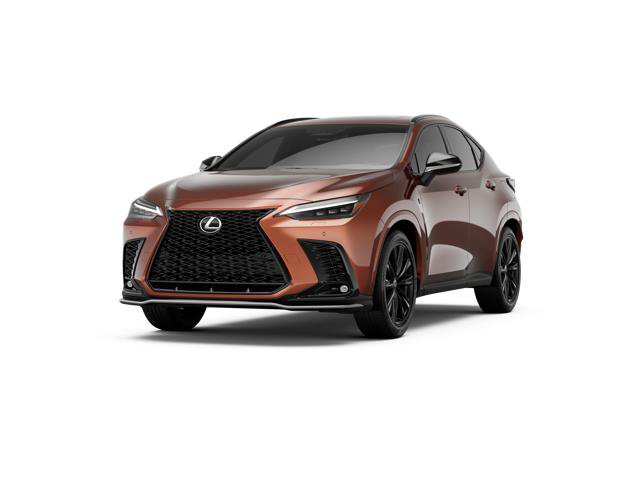
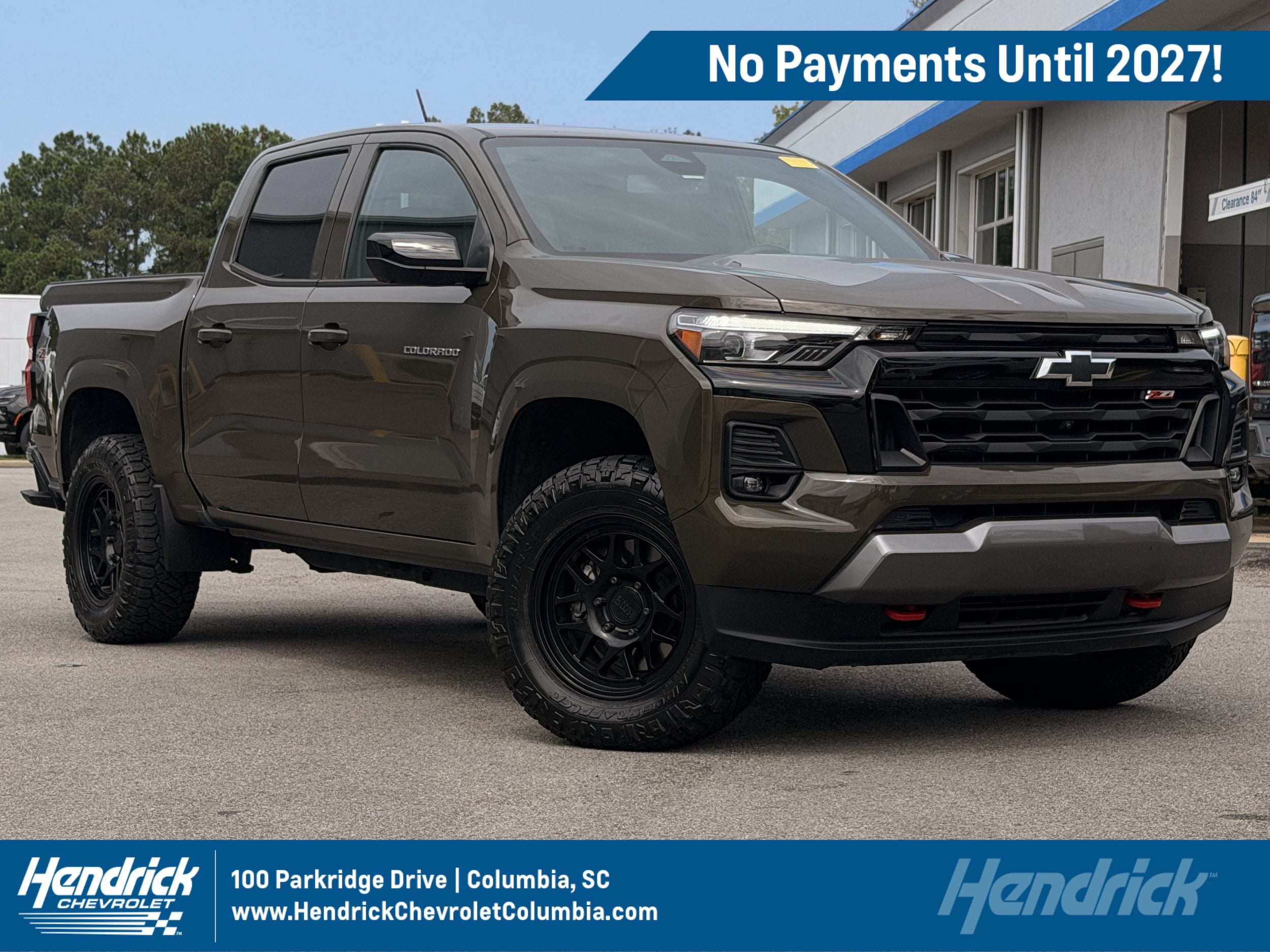
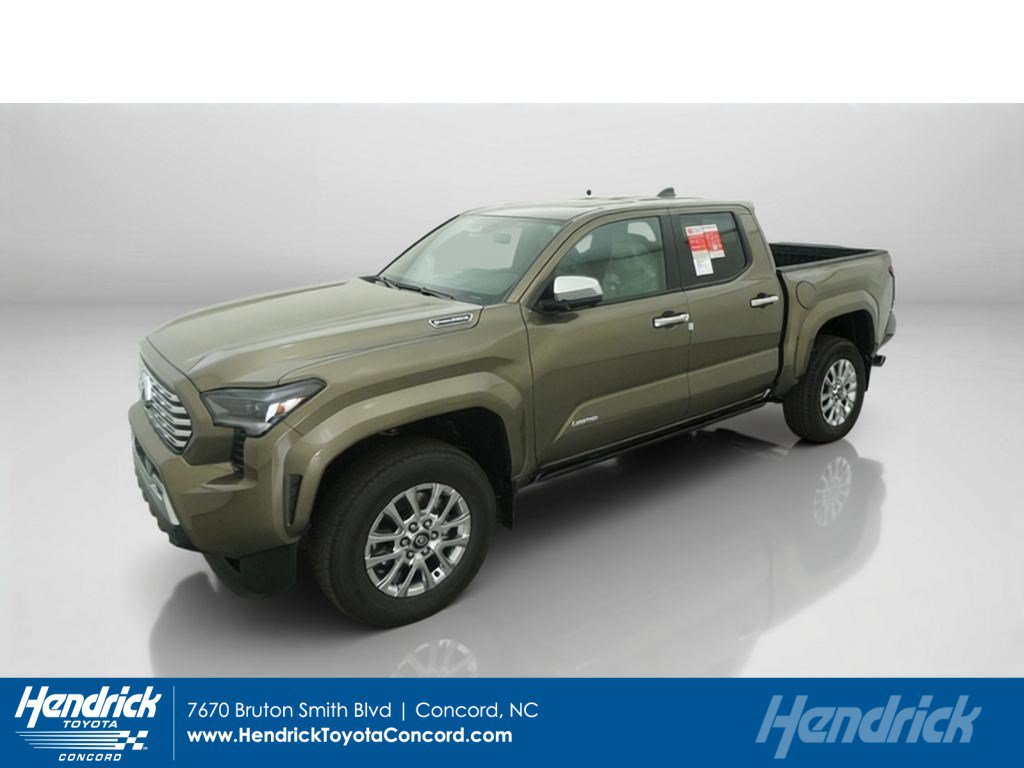
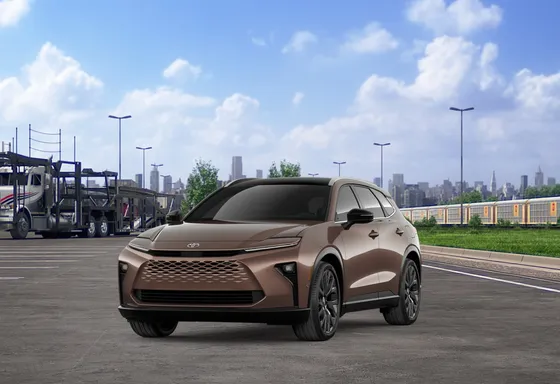
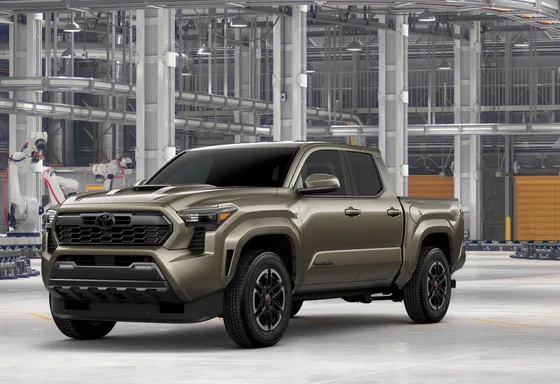
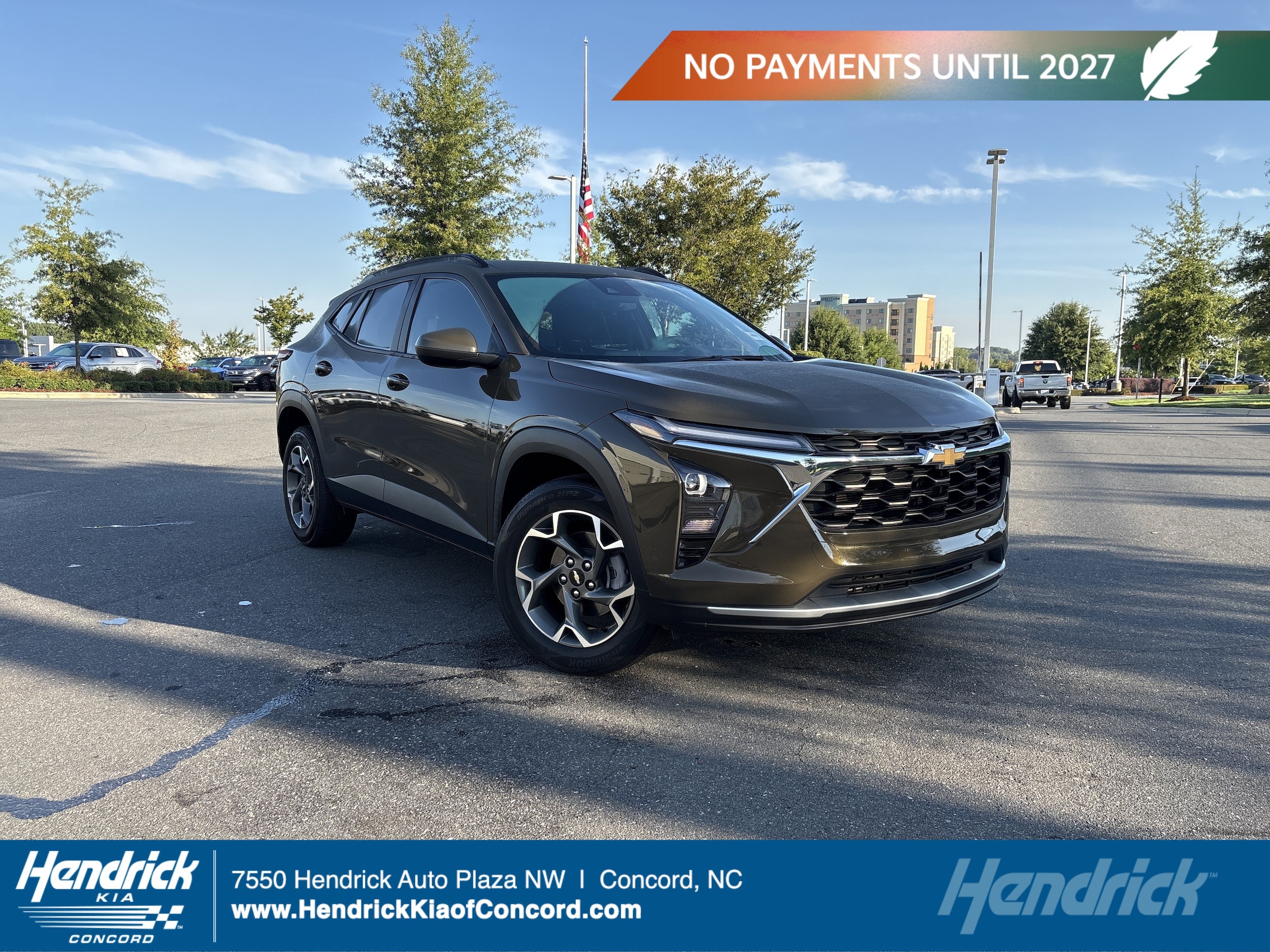
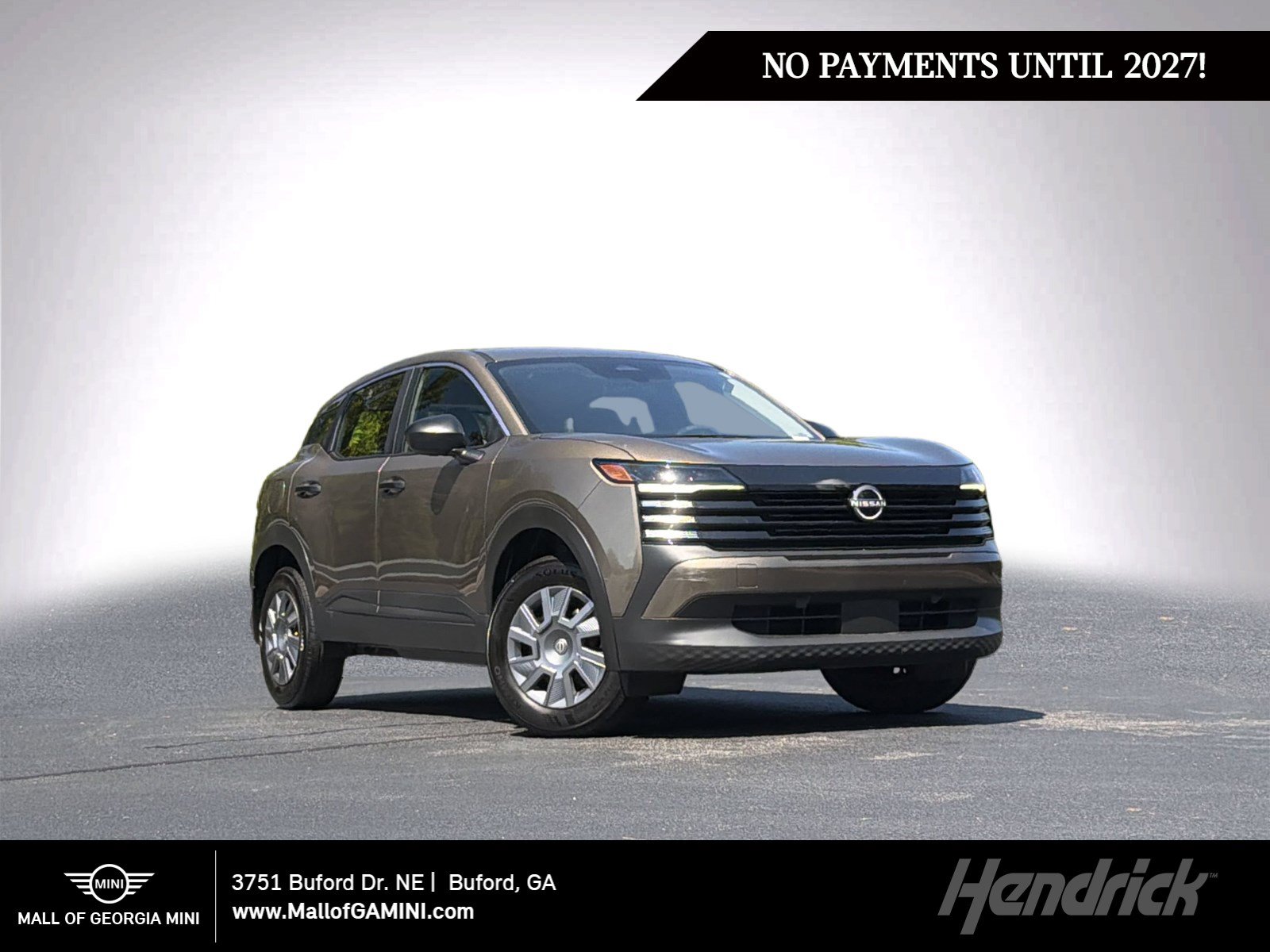
gasoline, automatic, 11K km, SUV, Front Wheels Drive, 2,000 cm3, 141 hp, bronze, Used condition, Mexico, In stock

HendrickCars.com
 Buford, United StatesBuford, United States
 Southwest, United StatesSouthwest, United StatesSouthwest, United StatesSouthwest, United StatesMishawaka, United StatesMishawaka, United StatesMishawaka, United States
 Chevrolet, United StatesMain Settlement, United StatesMain Settlement, United StatesMain Settlement, United StatesMain Settlement, United StatesRockville, United StatesOntario, United StatesOntario, United StatesEl Paso, United StatesFranklin, United StatesAtlanta, United StatesColumbia, United StatesConcord, United StatesConcord, United States
 Concord, United StatesConcord, United StatesConcord, United States
When you’re in the market for a car, the goal is clear: find a model that fits your needs and budget, or move on from a car that doesn’t. This guide helps buyers and sellers navigate a typical market across different countries and cities by focusing on brand, model, generation, fuel type, body style, year, mileage, and price range. Whether you’re in a bustling capital or a smaller city, the process is similar, but the details matter.
Before you start comparing options, list your priorities:
Considering these factors helps narrow choices quickly. For many buyers, maintenance history and total ownership costs matter almost as much as purchase price. Sellers can also benefit by presenting clear information about year, mileage, and service history to attract serious buyers.
When comparing cars, look for:
If you’re shopping in a busy market, you’ll find popular configurations of the model that balance performance and cost. In many regions, a reliable generation with moderate mileage can offer the best value, while newer generations bring improved safety and technology.
For sellers, presenting transparent details helps generate trust. Include high-quality photos, a clear description of the model year, generation, fuel type, body style, mileage, and price. Be ready to explain any recent maintenance or repairs and provide proof of service where possible.
Whether you’re buying or selling, the key is to be informed about the model you choose, the expected upkeep, and how the car fits your life. A careful comparison of brands, models, generations, and price ranges will lead to a satisfying outcome.
 Add as preferred sourceSee more from zvelta in Google Search Add as preferred source