EN
ENDEALER
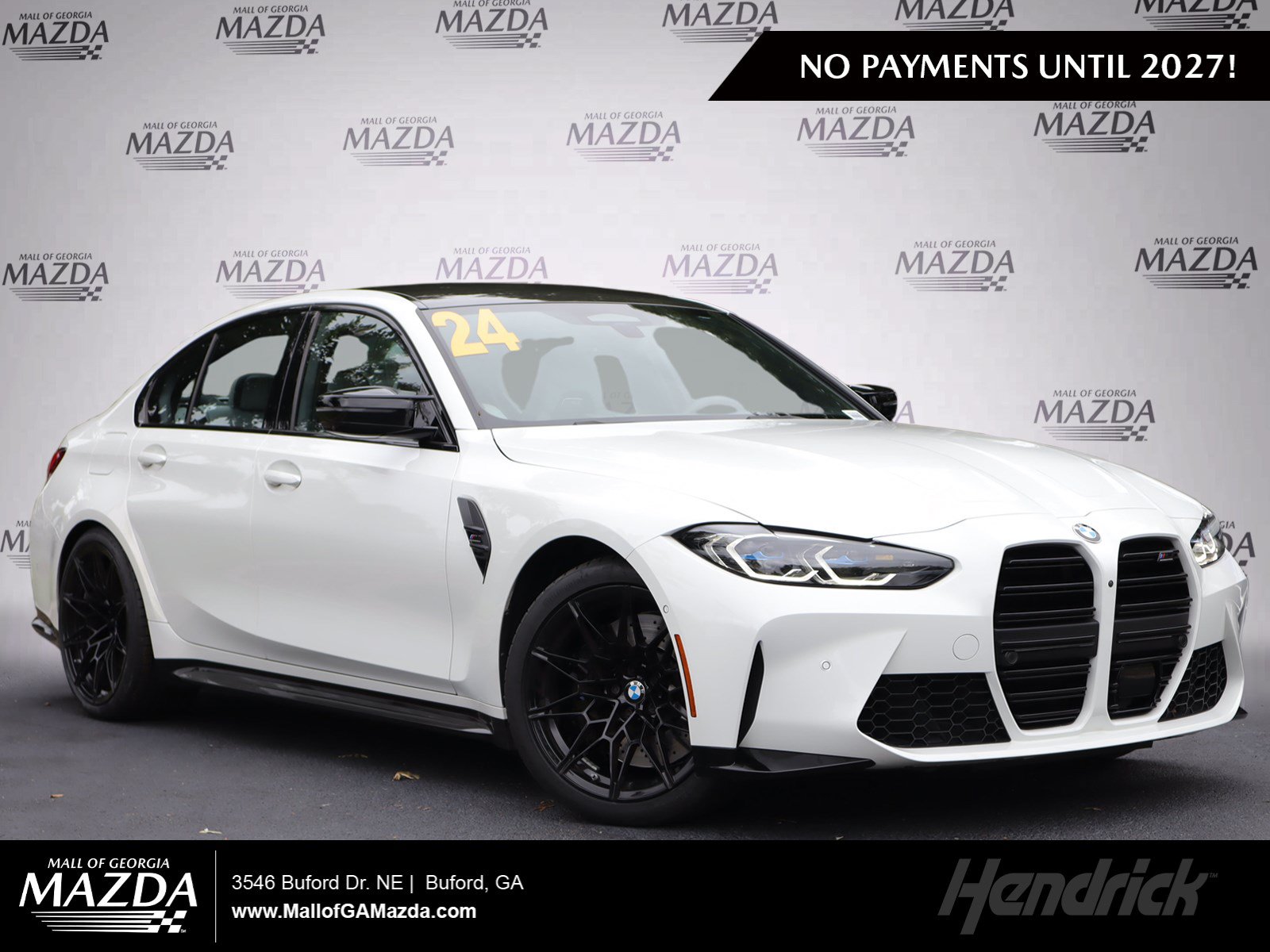
90.937 US$DEALER
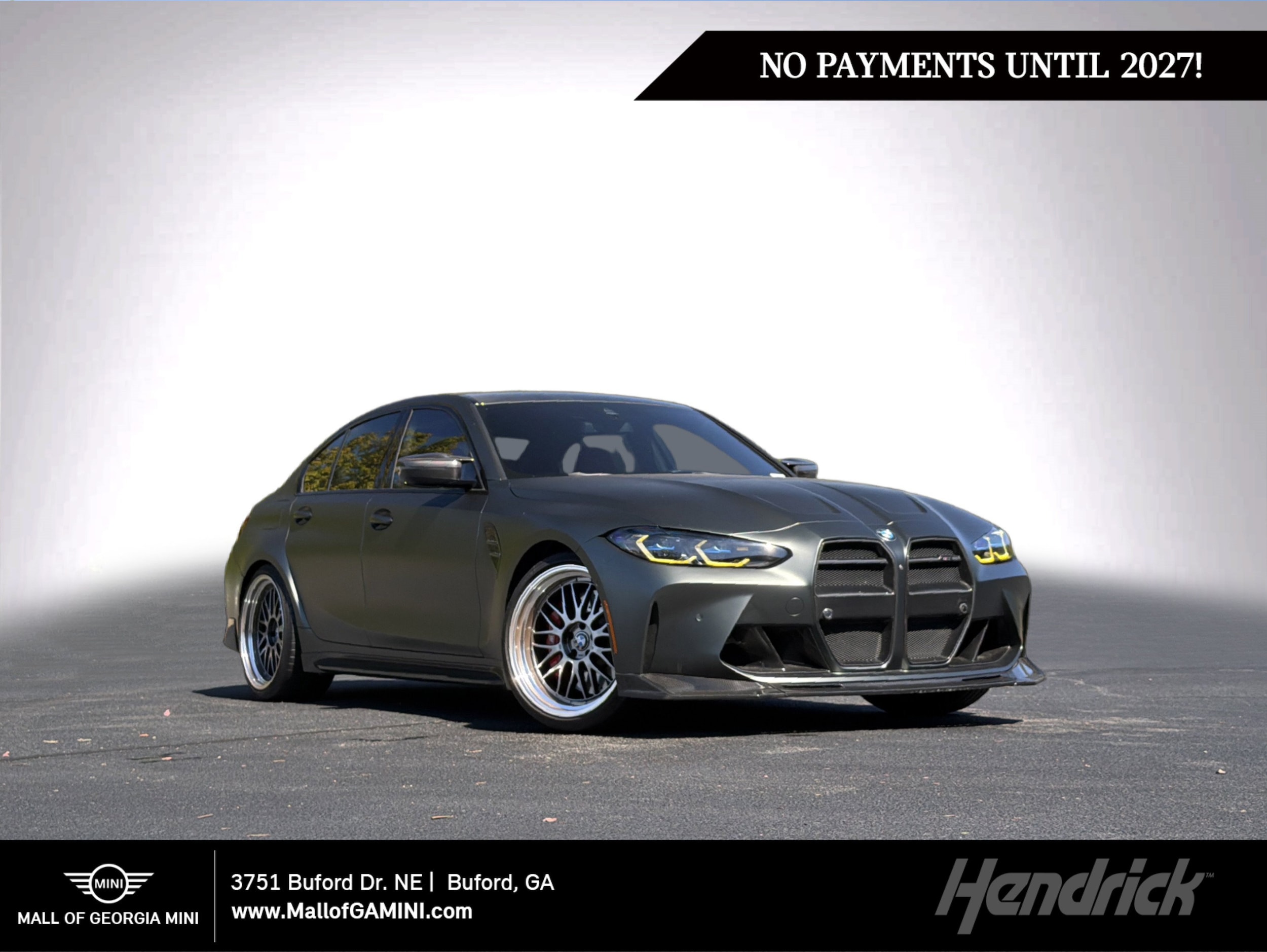
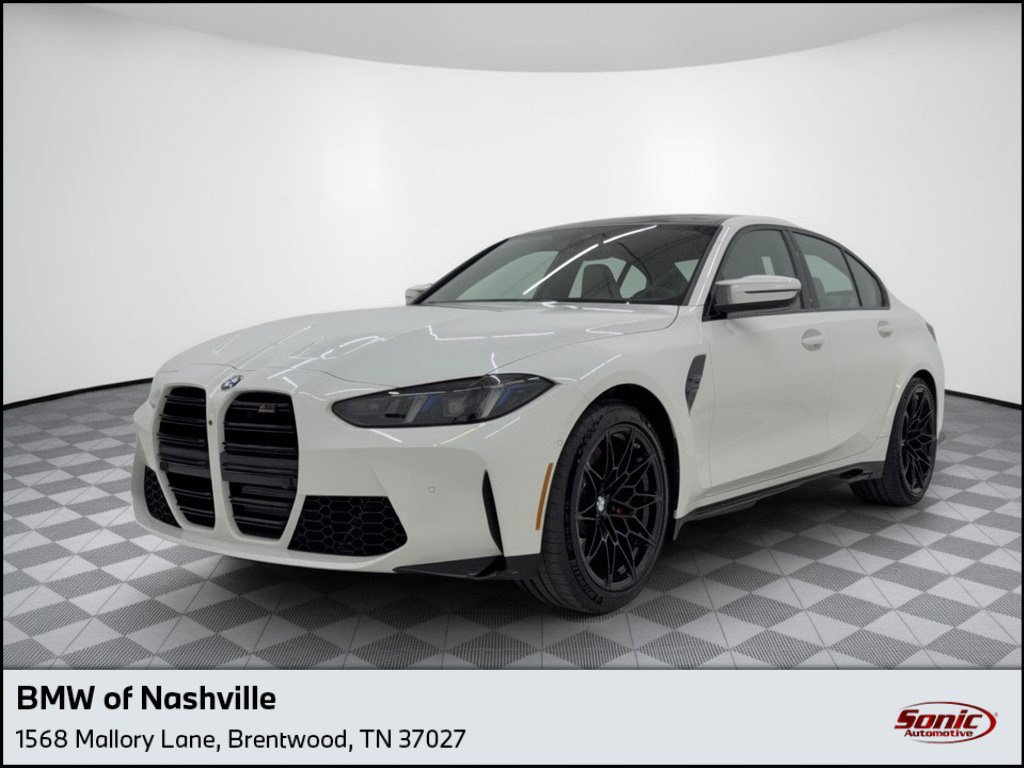
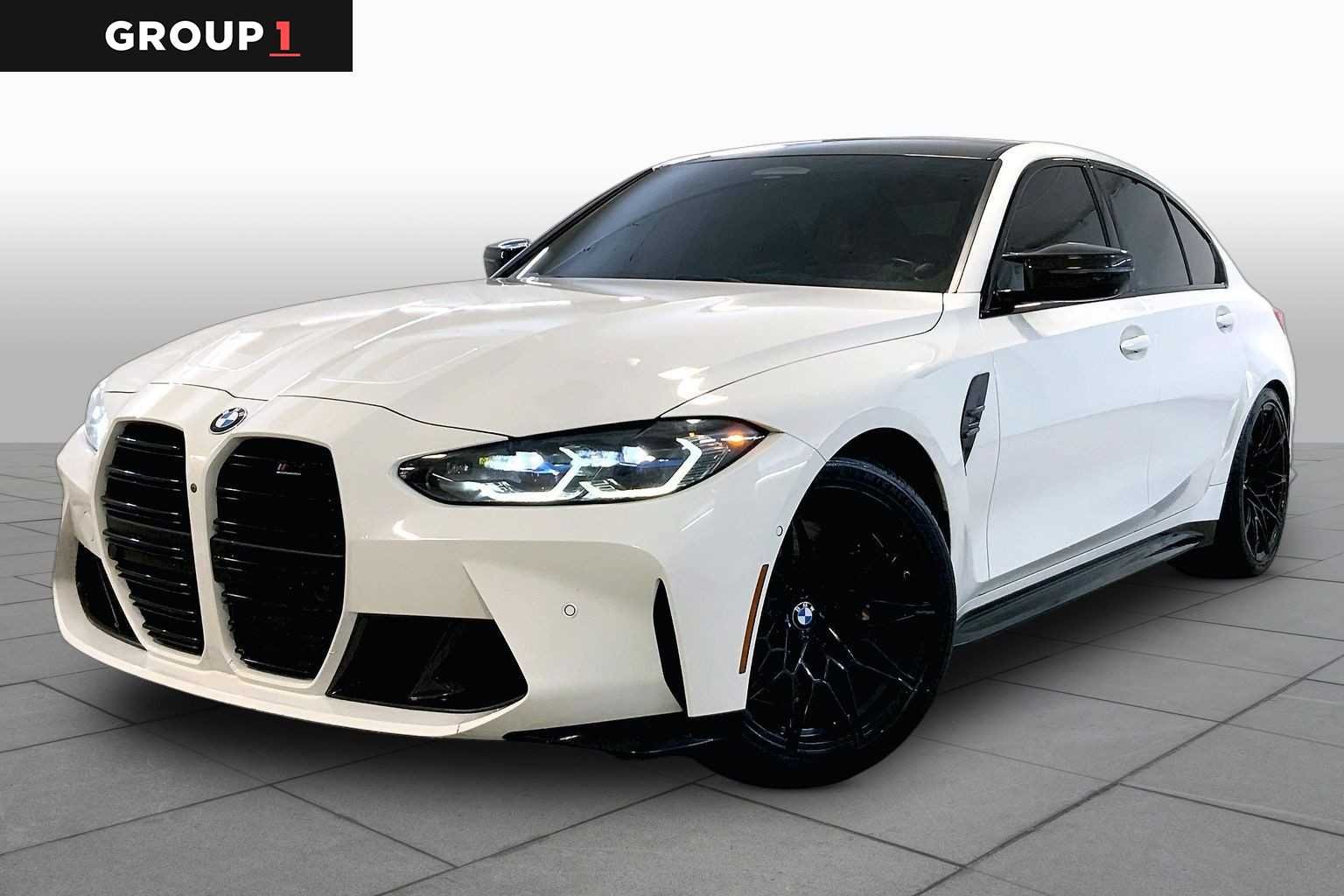
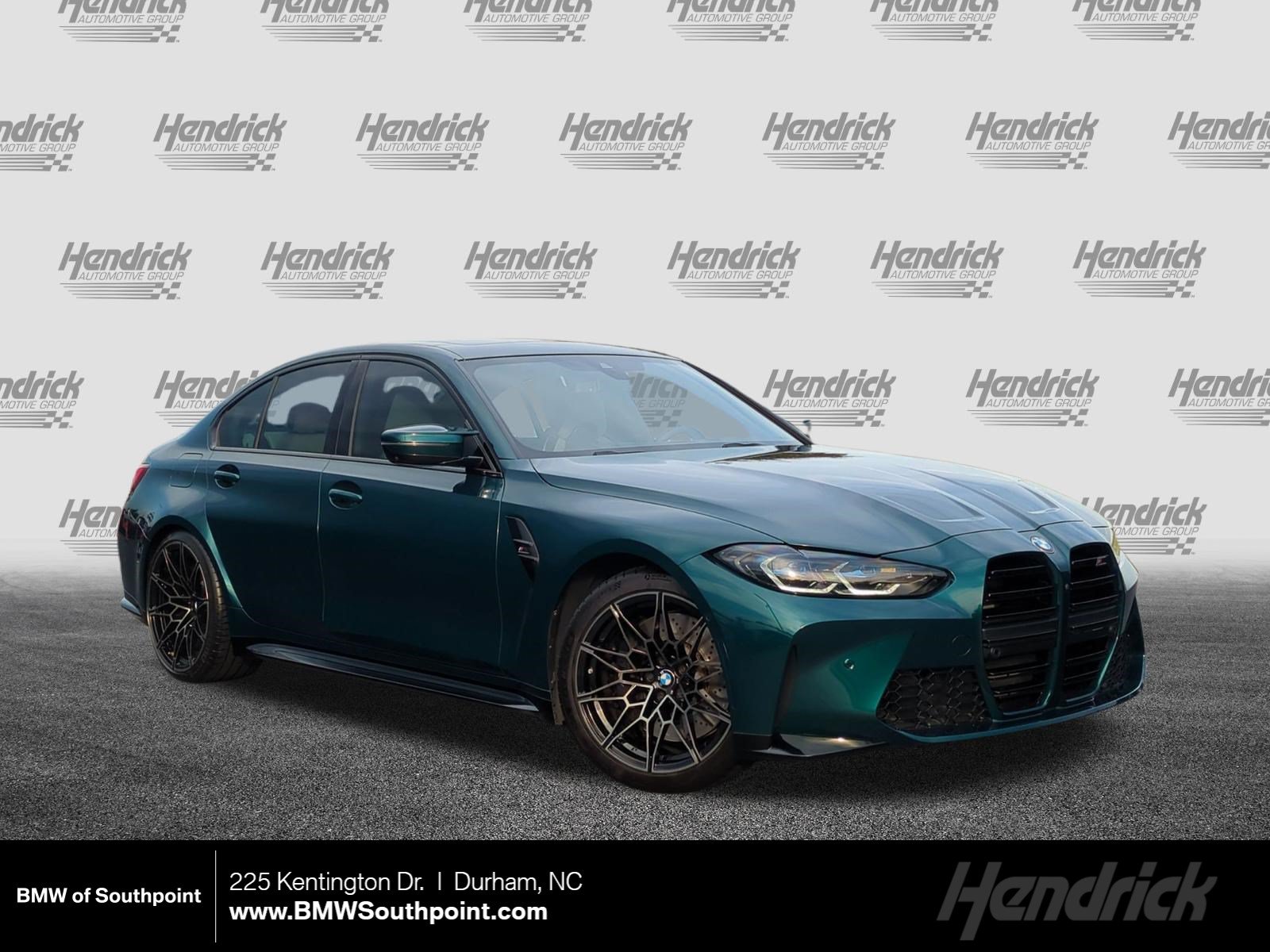
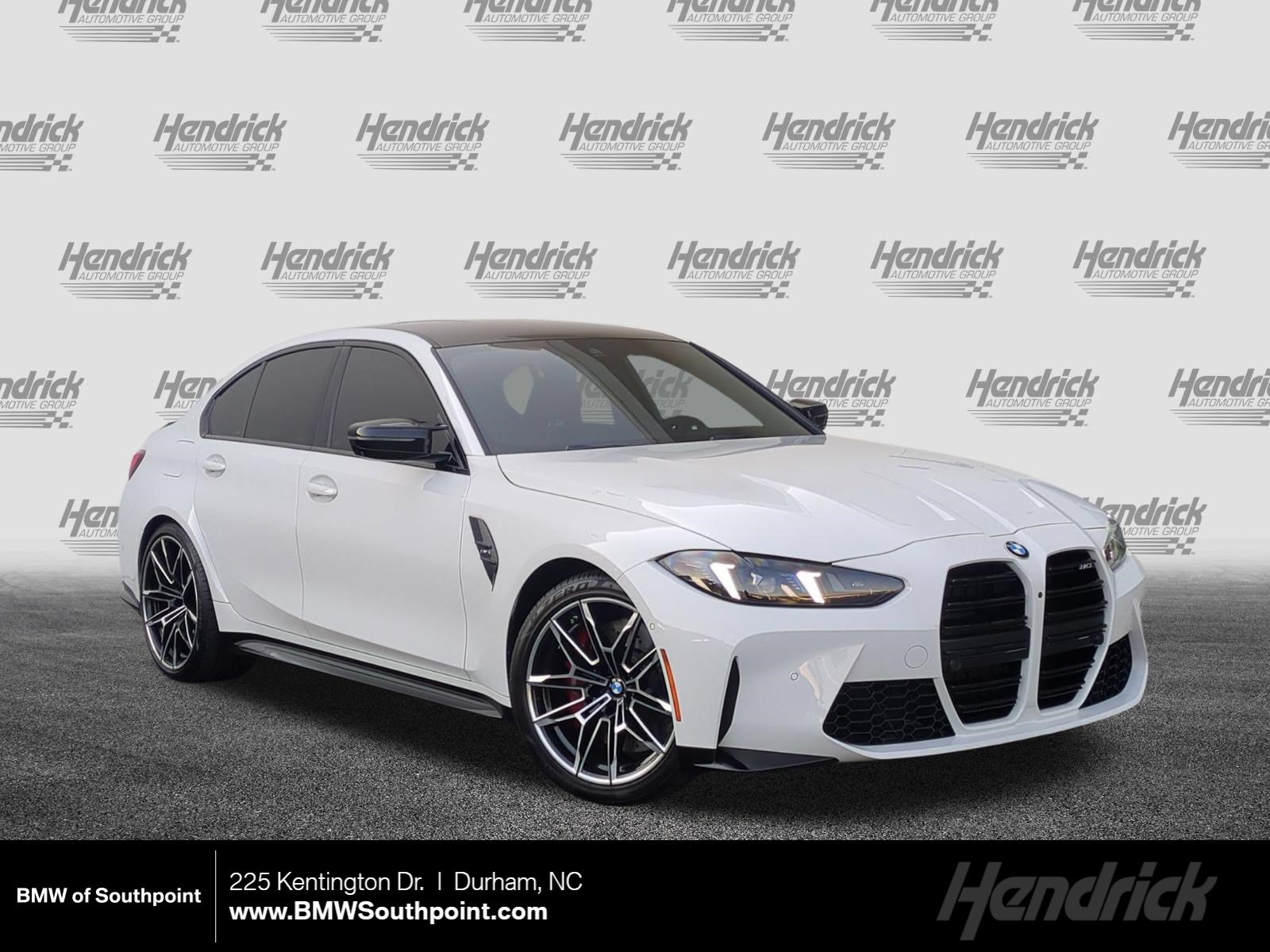
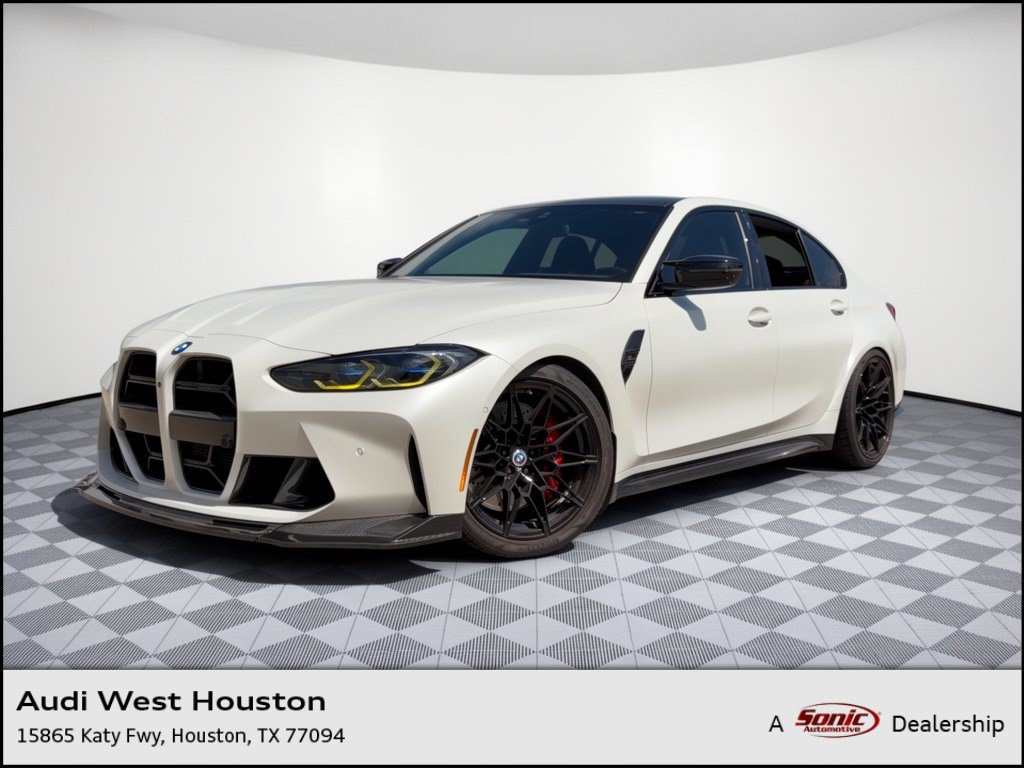
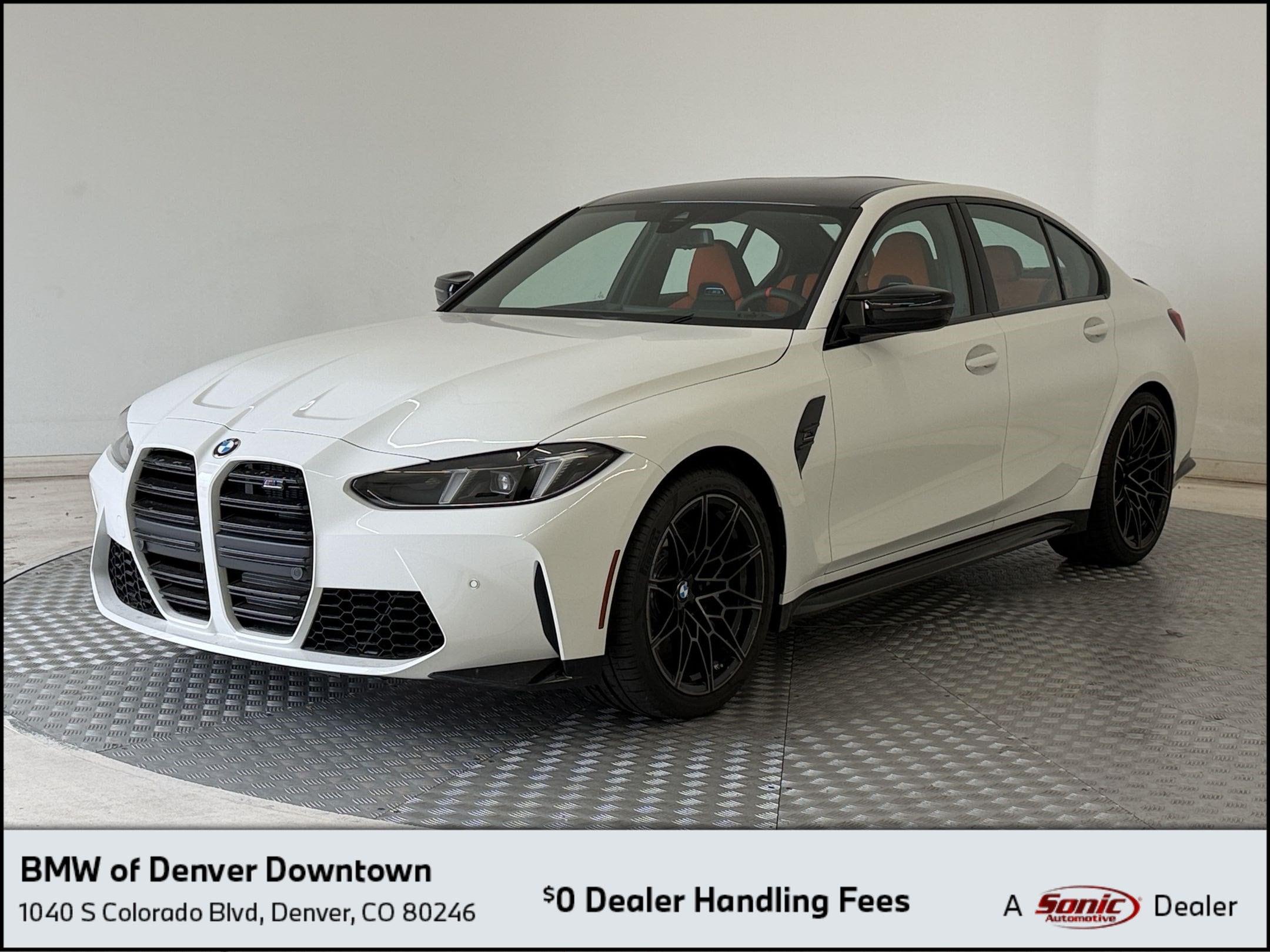
gasoline, automatic, 45K km, sedan, All Wheels Drive, 3,000 cm3, 543 hp, white, Competition xDrive, Used condition, Europa, In stock

HendrickCars.com
 Buford, United States
 Buford, United StatesBuford, United StatesBuford, United StatesBrentwood, United StatesBrentwood, United States
 Southwest, United StatesAustin, United StatesMain Settlement, United StatesMain Settlement, United StatesMidtown, United StatesAtlanta, United States
 Columbia, United StatesColumbia, United StatesCharlotte, United StatesDurham, United StatesDurham, United States
 Irondale, United StatesHouston, United StatesHouston, United StatesHouston, United StatesFairfax, United StatesDenver, United StatesStratham, United StatesNashville, United StatesDanvers, United States
The BMW M3 has long stood at the intersection of everyday practicality and high-performance driving. If you’re in the market to buy or sell a BMW M3, understanding the generations, engines, body styles, and typical price ranges helps you make a smarter move whether you’re in a bustling city or a quieter suburb. This guide covers the essentials you’ll want to know when evaluating a BMW M3, including model years, mileage considerations, fuel type, body configuration, and how these factors influence value in different markets.
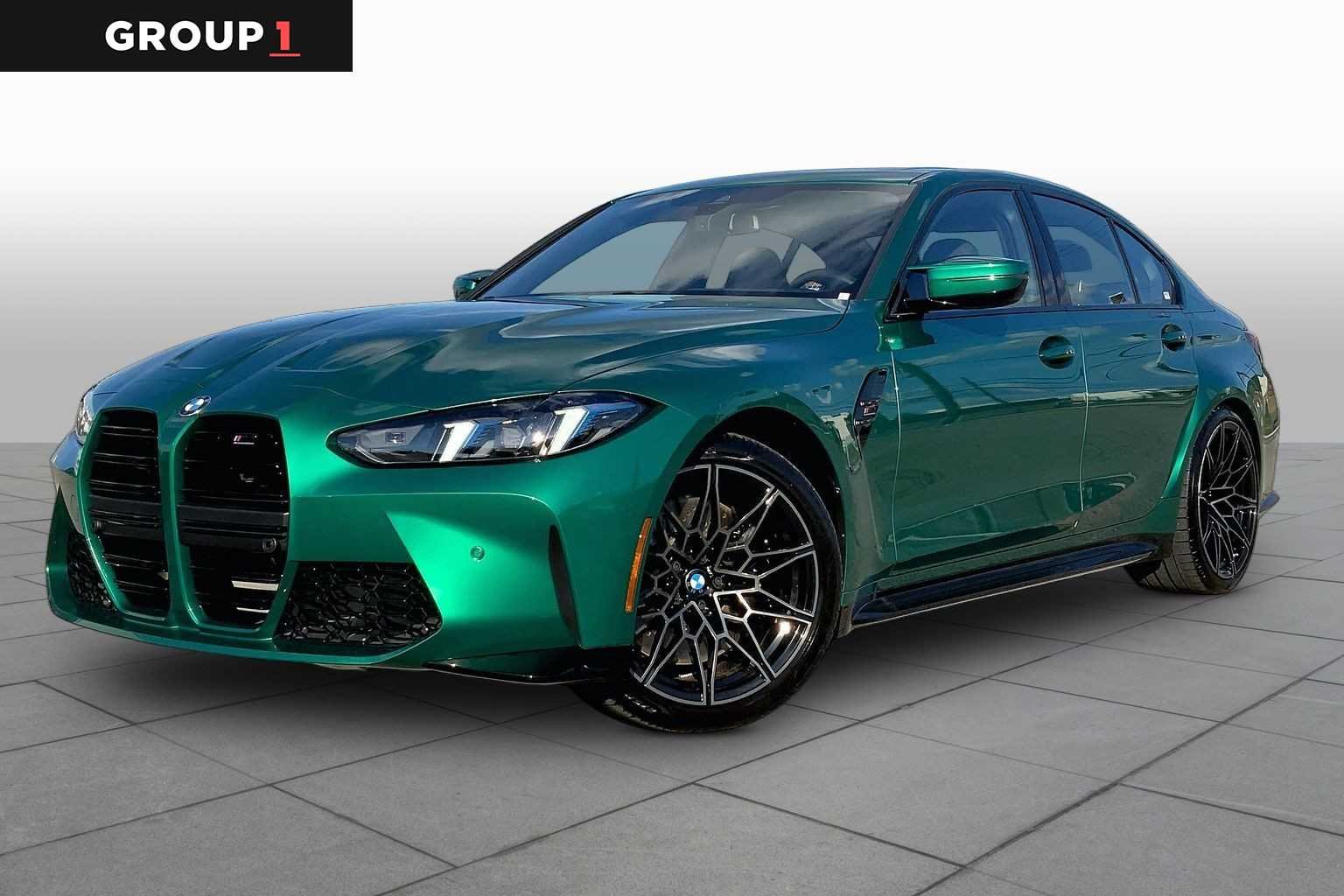
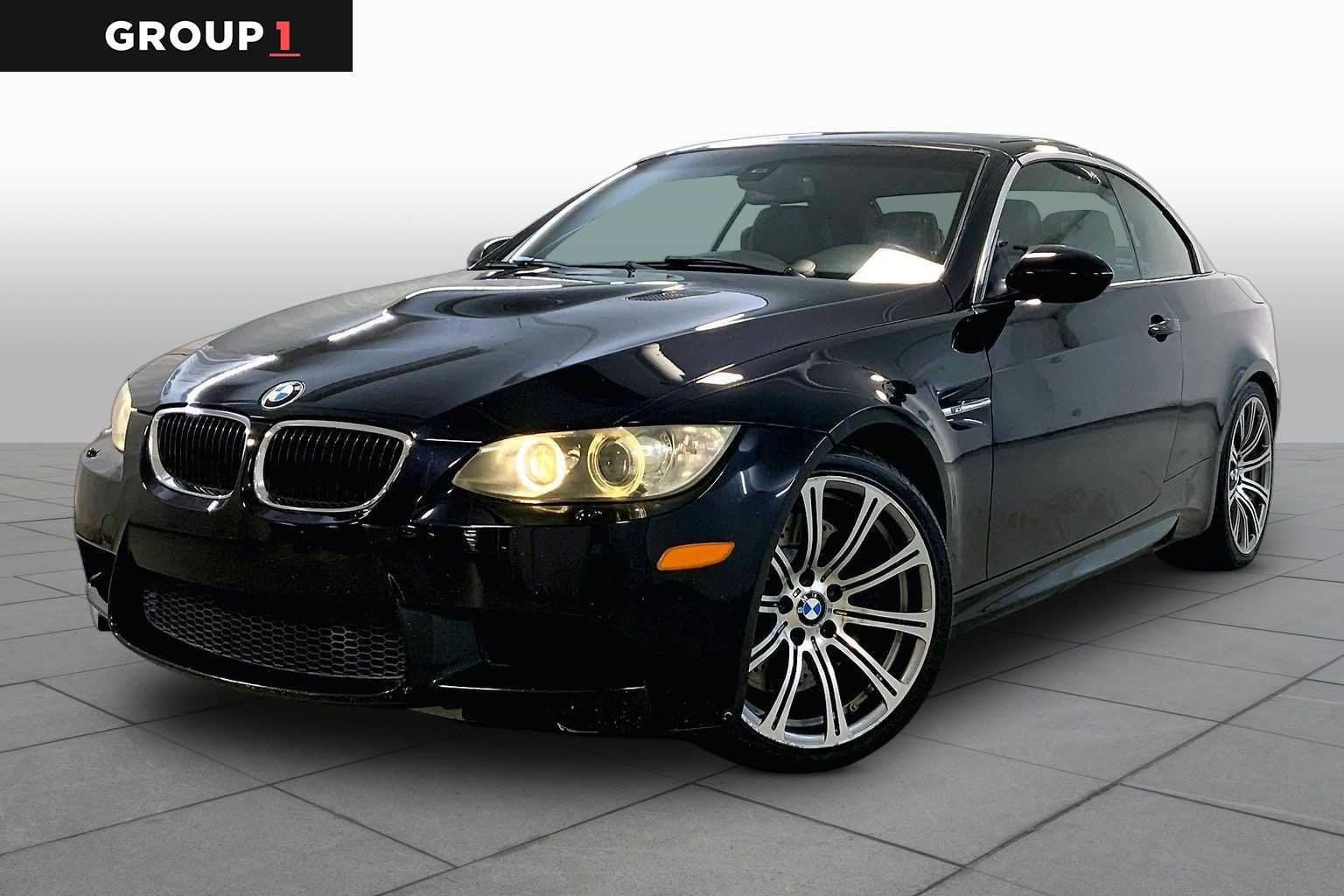
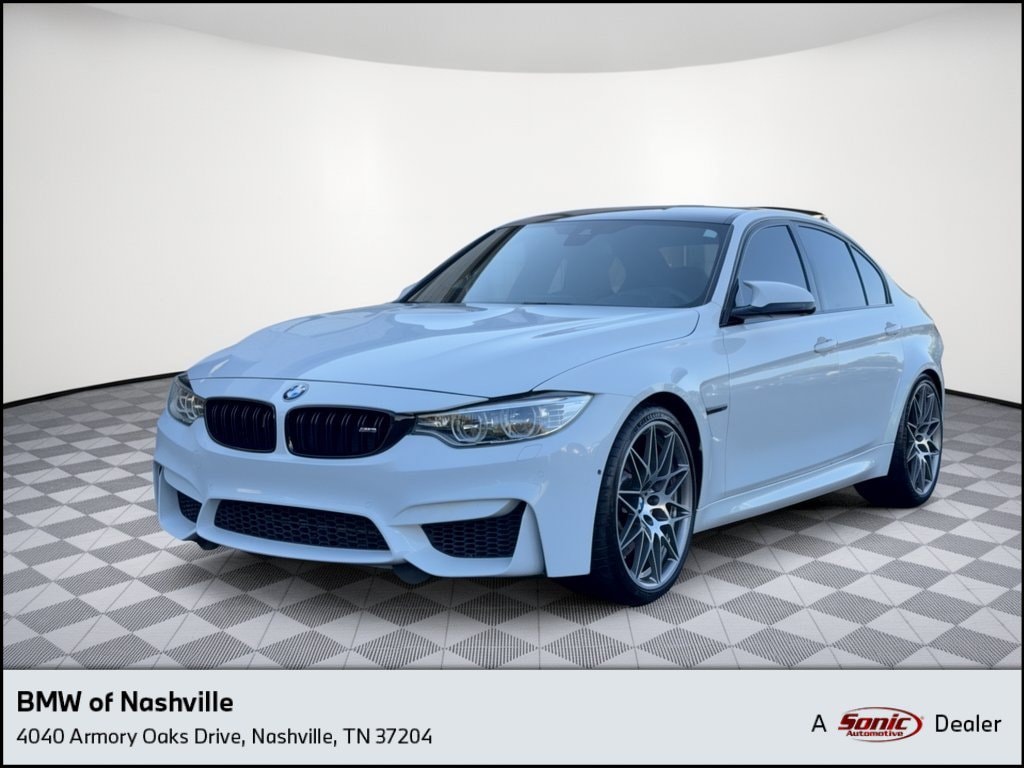
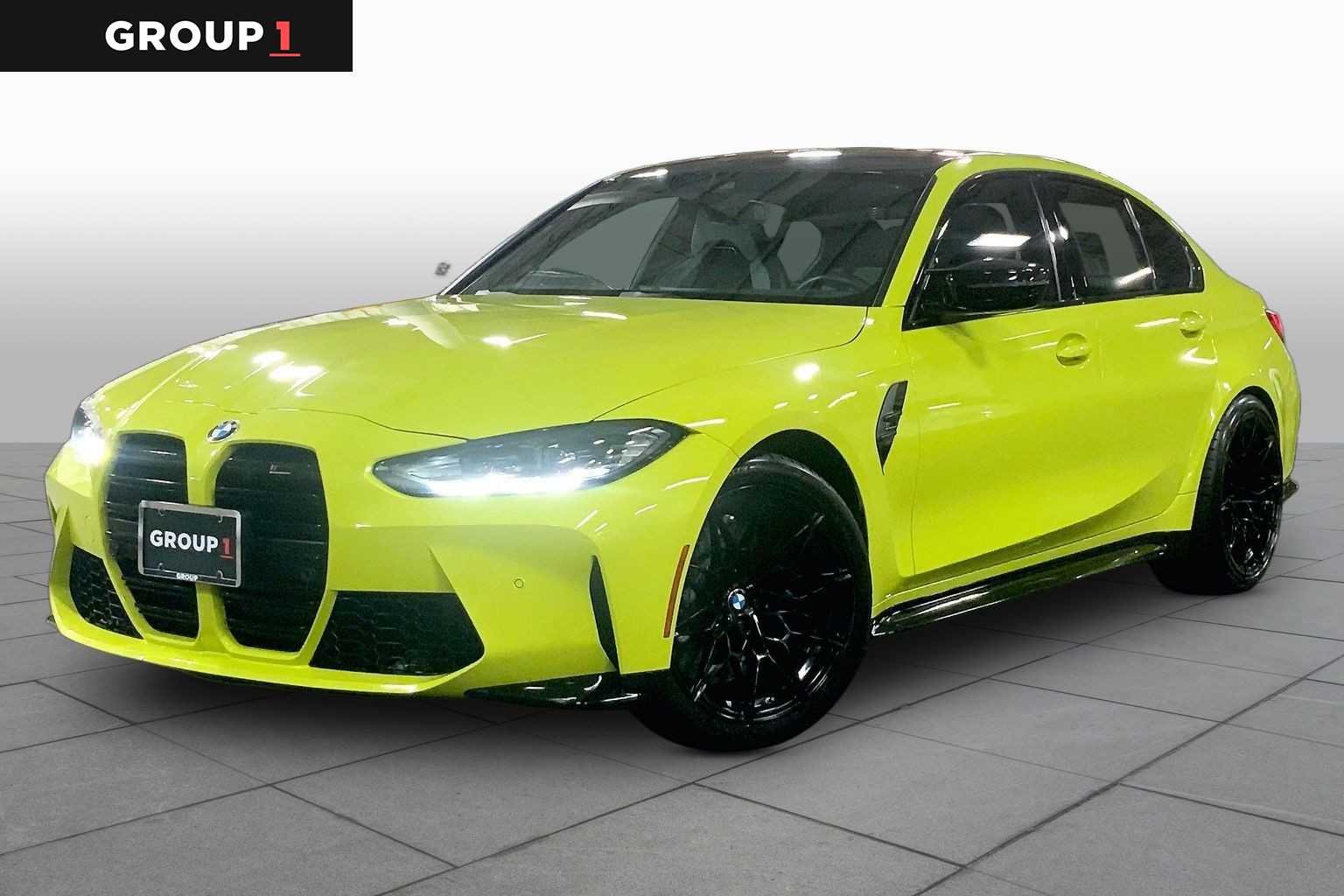
BMW released several generations of the M3, each with distinct character. The E30 set the tone for a pure driver’s car, followed by the more refined E36, then the bold and track-focused E46 and E92/E93 with naturally aspirated V8 options. The F80/F80 generations brought turbocharged six-cylinders and modern electronics, while the latest G80 generation leans into advanced technology and increased power. When buying, note the generation to gauge maintenance costs, parts availability, and expected reliability.
Body types often include a sedan, coupe, and the rarer convertible variants. Depending on your region, you’ll see differences in market demand for each body style and generation. If you’re selling, highlighting a preferred body type for your local market can boost appeal. Common questions include: Is the newer generation worth the price jump? Do I prefer a manual gearbox or an automatic with modern shifting? What about the balance of performance and daily usability?
Assessing a BMW M3 involves a careful look at both mechanical and cosmetic aspects. Important checks include:
M3 models span several fuel configurations—from naturally aspirated engines to turbocharged six-cylinders and even hybrids in some markets. Fuel efficiency and maintenance costs vary by engine choice and generation. When budgeting, consider insurance, tires, brake replacements, and potential cooling system care, all of which can impact total ownership cost. In major cities, you’ll notice price differences influenced by local demand, climate, and tax incentives for performance cars.
Price segments for the BMW M3 shift by year, mileage, and condition. A low-mileage, well-documented example from a newer generation will command a premium, while older generations with higher mileage may target budget buyers. Whether you’re buying in a metropolitan hub or a smaller city, compare listings that show year, mileage, fuel type, body style, and service history. When selling, provide a complete dossier: service records, recent inspections, and a clean title to maximize appeal.
If you’re weighing a purchase or planning a sale in your country, city, or region, use these criteria to create an informed plan. The BMW M3’s blend of performance, prestige, and everyday practicality continues to draw enthusiasts and general buyers alike.
 Add as preferred sourceSee more from zvelta in Google Search Add as preferred source