 EN
ENDEALER
14.219 US$DEALER
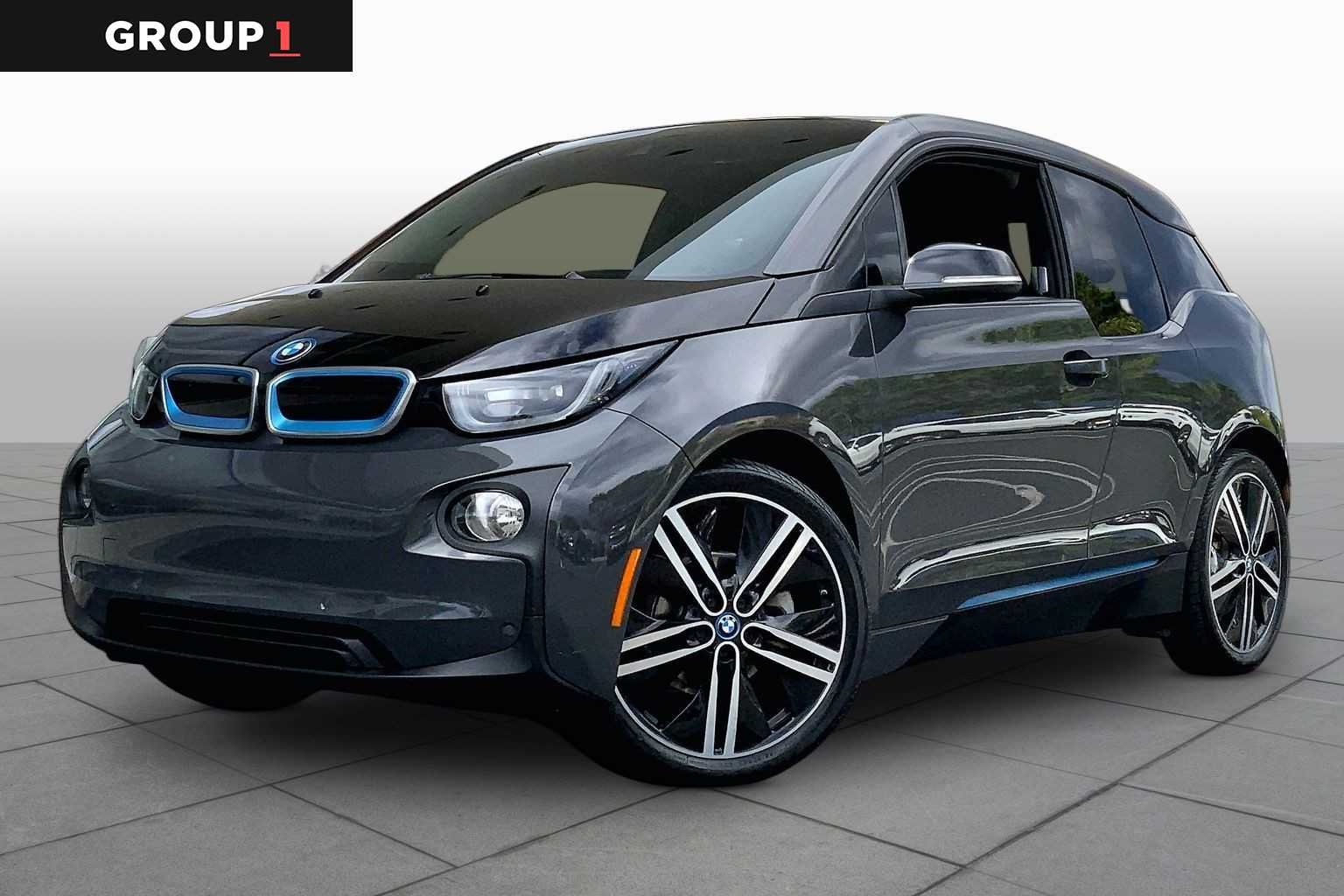
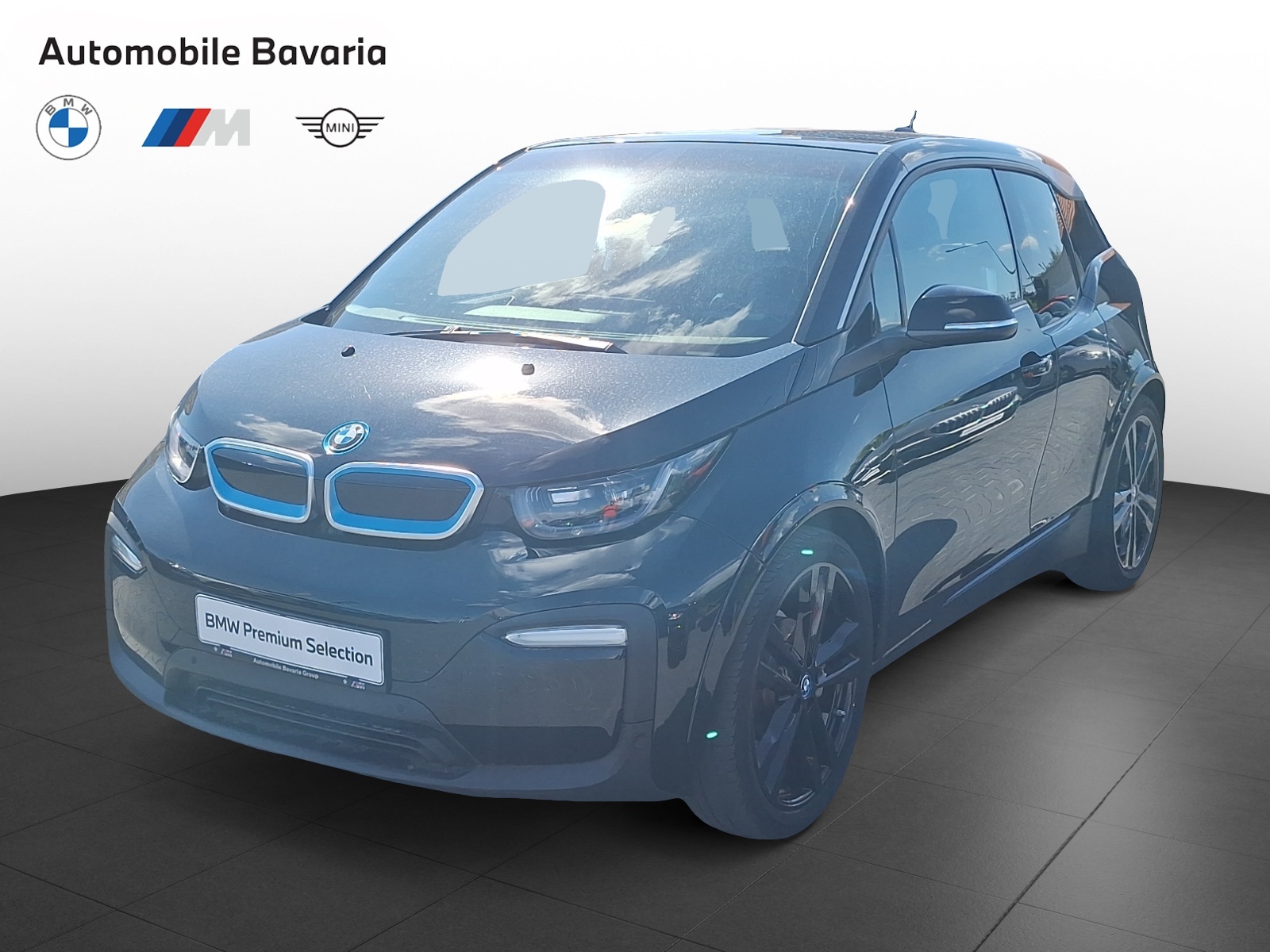
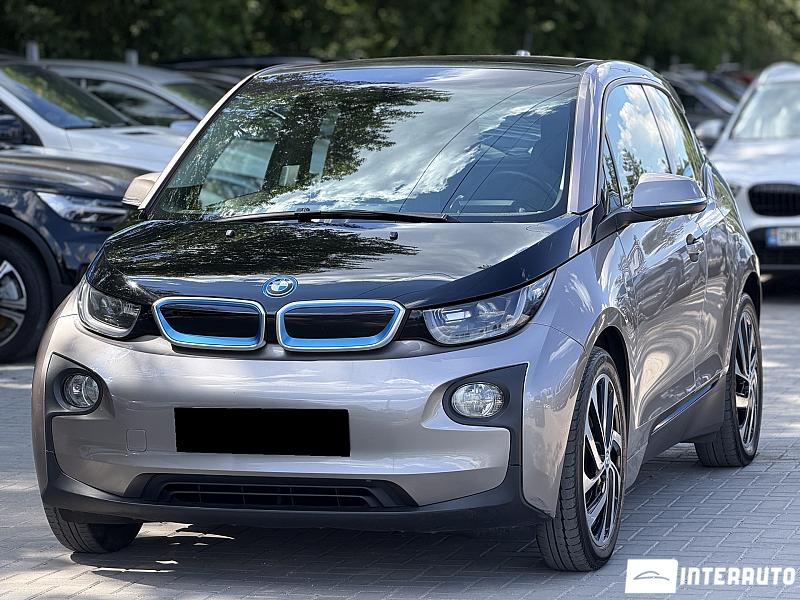
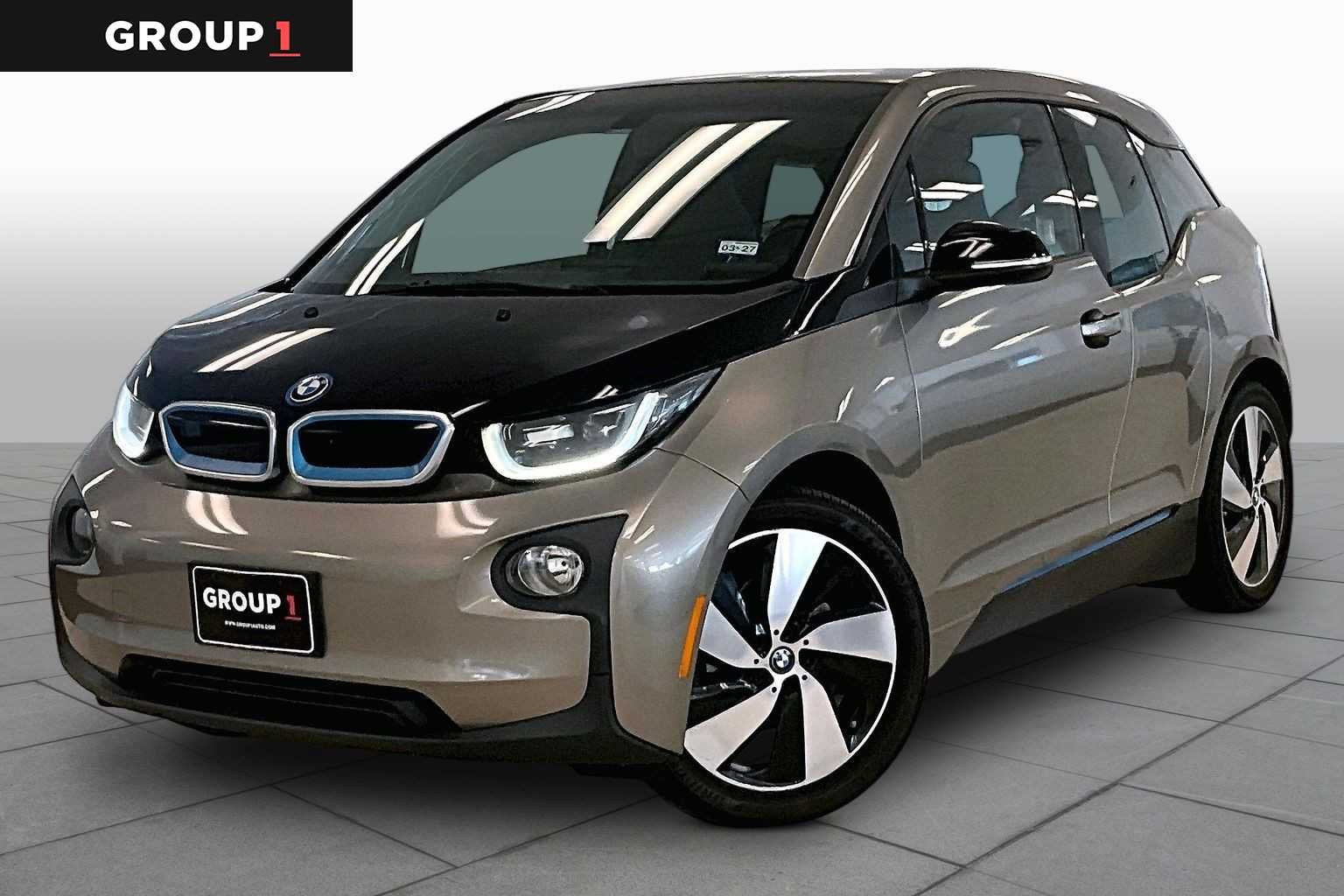
hybrid, automatic, 104K km, sedan, Rear Wheels Drive, 700 cm3, 170 hp, silver, 0.65L Electric Motor, Used condition, USA, In stock

Group1Auto.com
 Midtown, United States
 Midtown, United StatesPasadena, United StatesLos Angeles, United States
 Estonia, Harjumaa
 AustriaAustriaAustriaAustriaAustriaAustriaAustriaAustria
 Romania, Mureș County
 RomaniaRomania
 Bacau, RomaniaRomaniaIași, Romania
 MoldovaMoldova, Chișinău MunicipalityMoldova, Chișinău MunicipalityMoldova, Chișinău MunicipalityMoldova, Chișinău MunicipalityMoldova, Chișinău MunicipalityMoldova, Chișinău Municipality
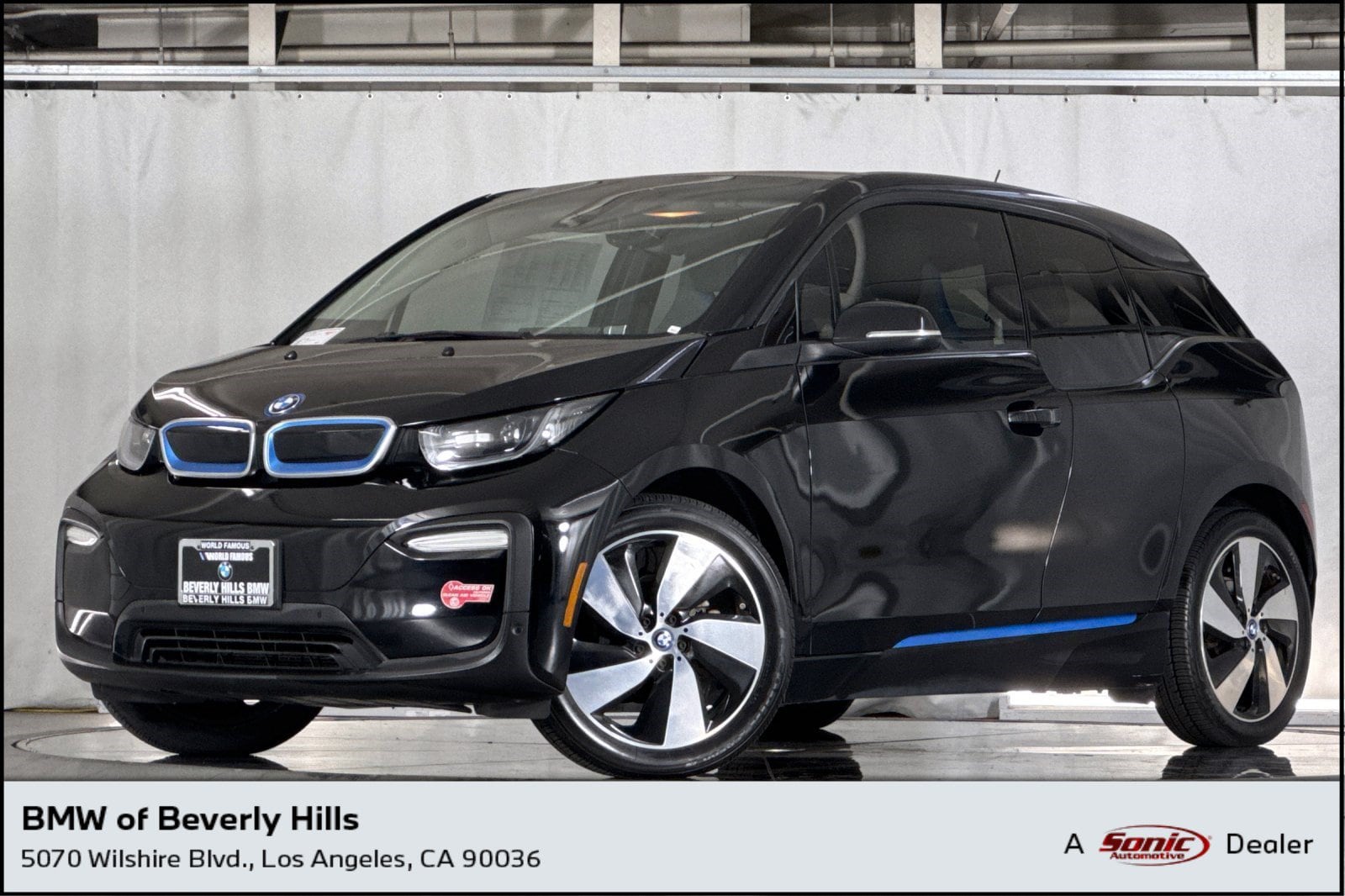
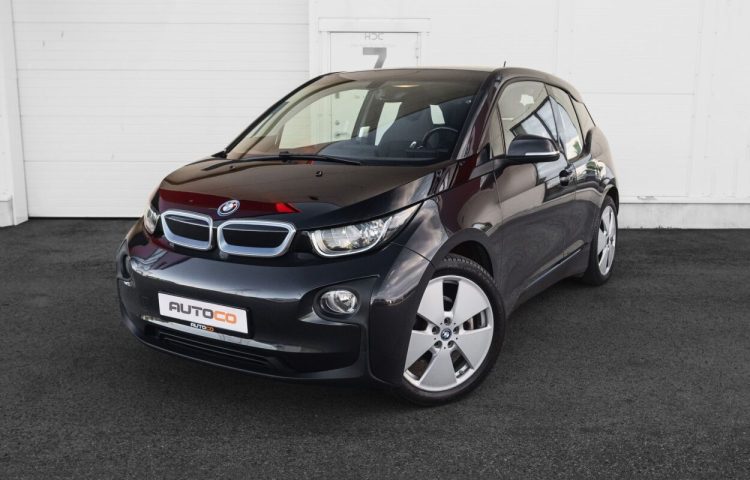
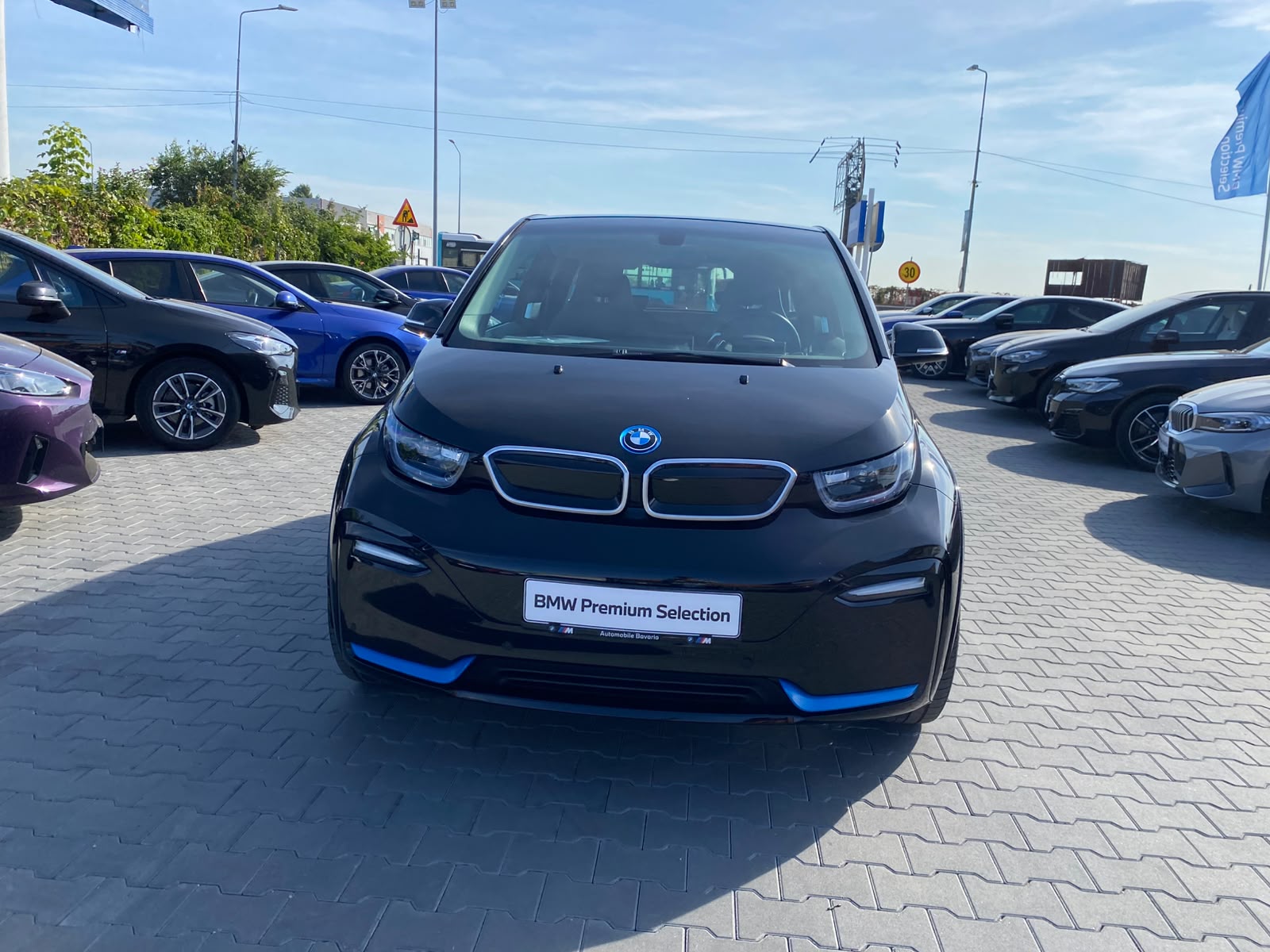
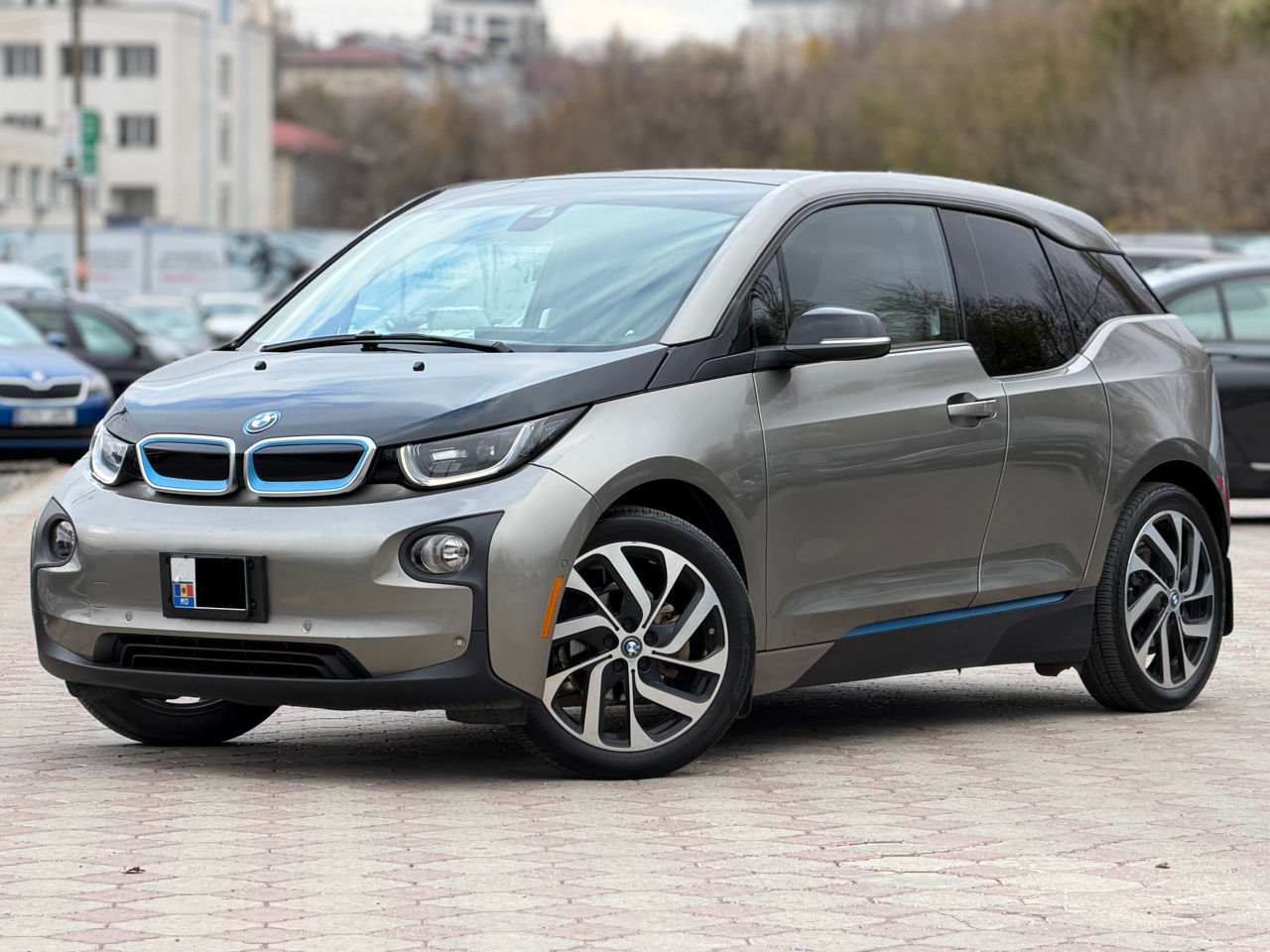
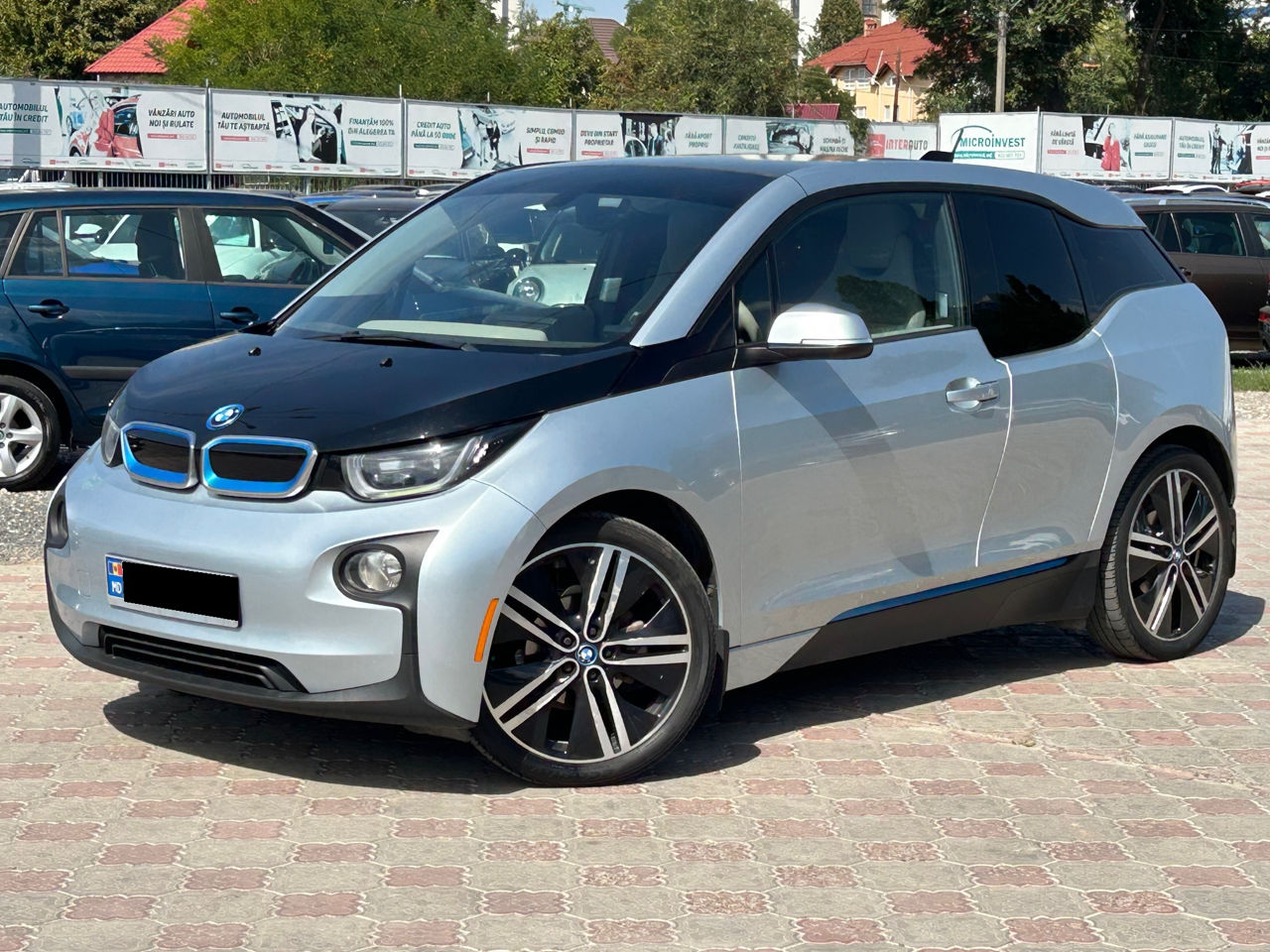
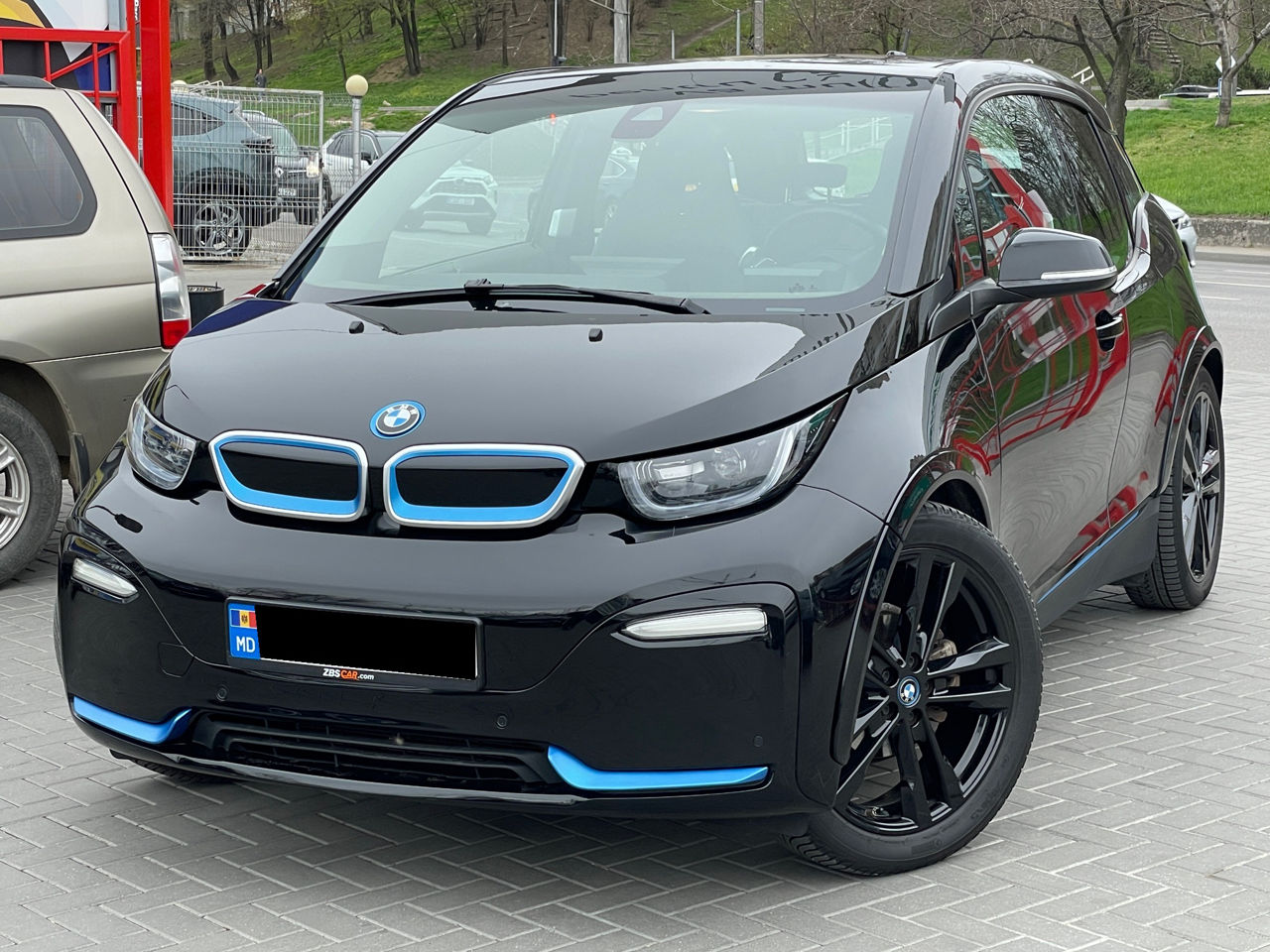
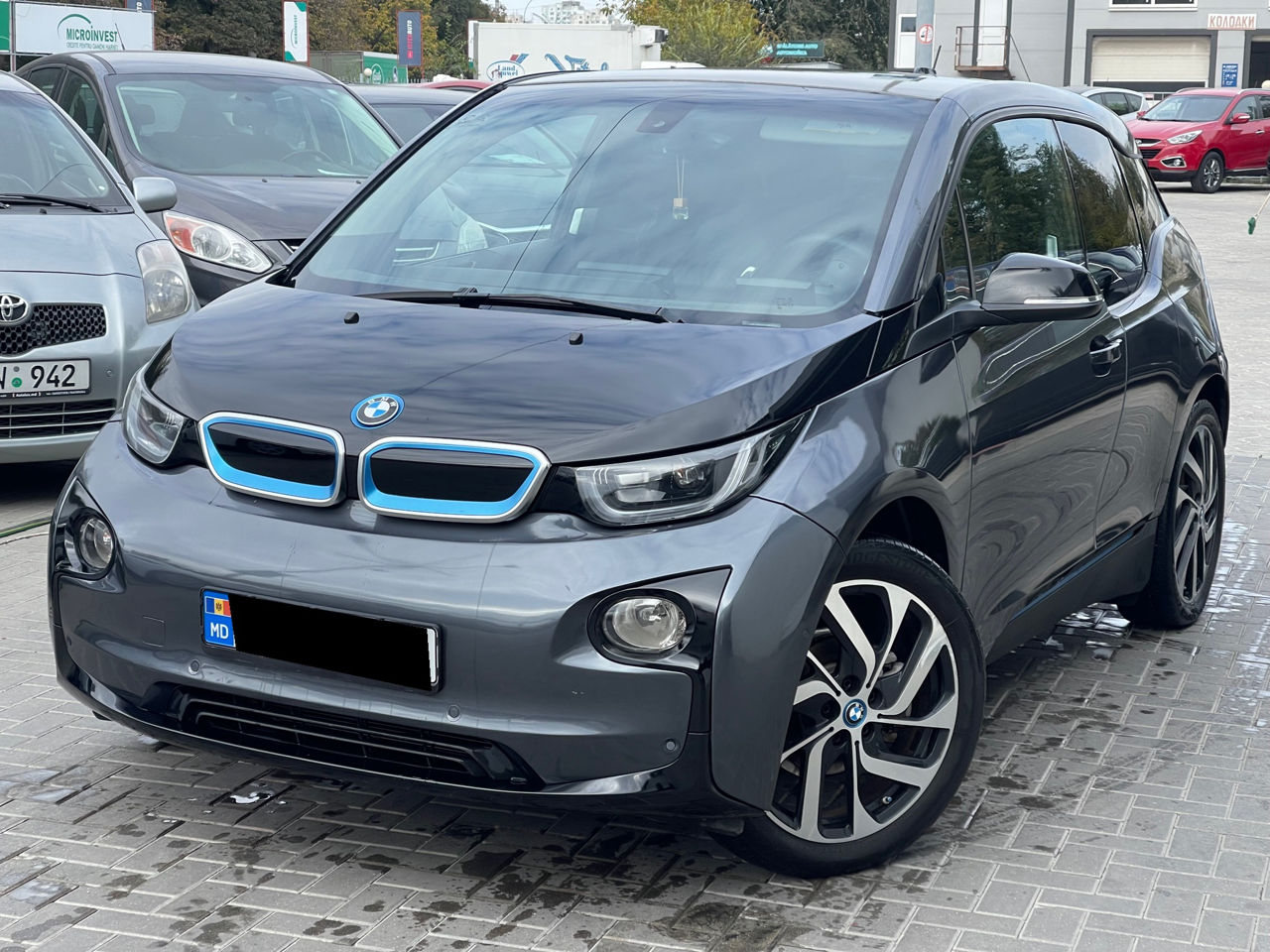
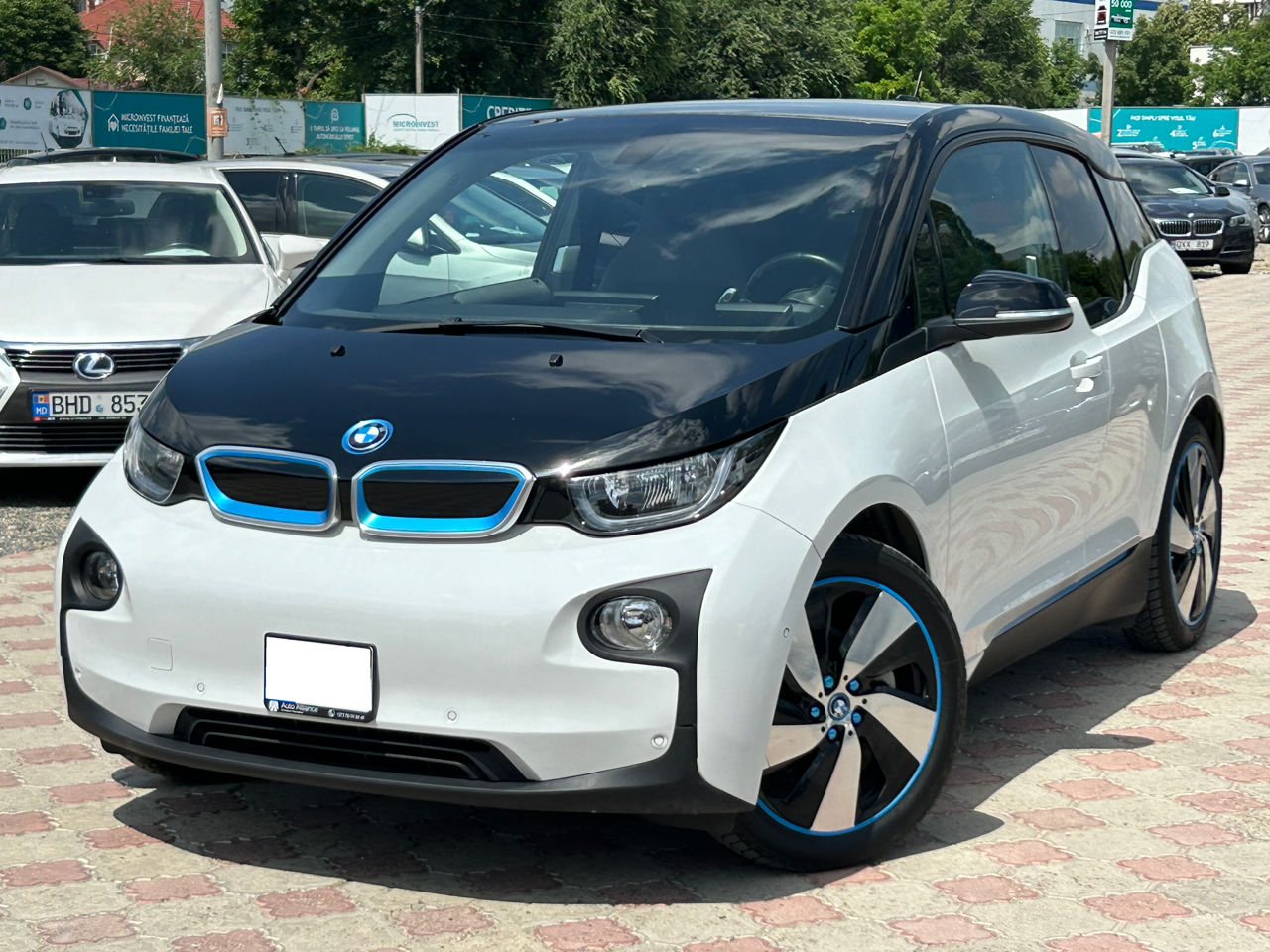
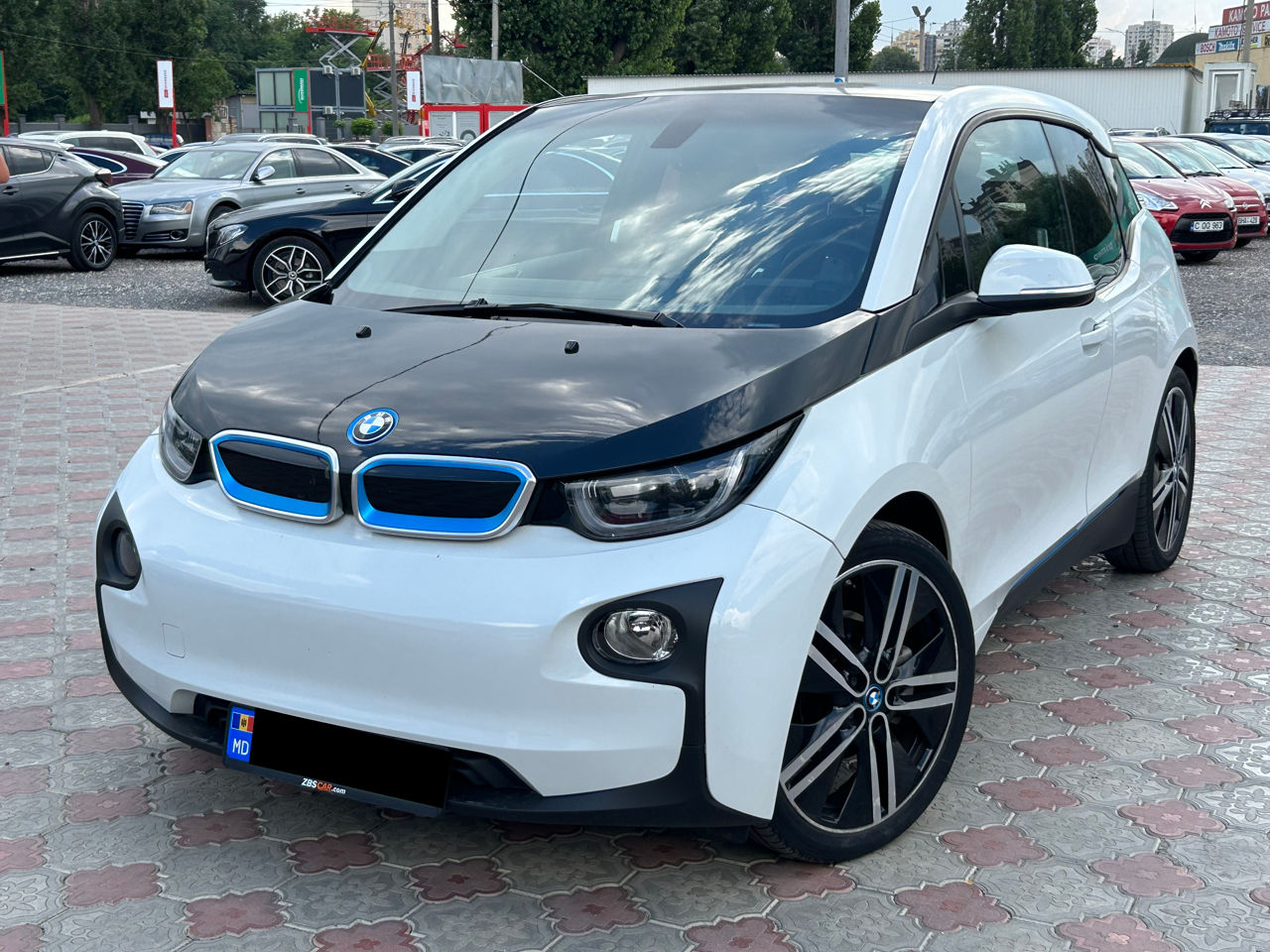
The BMW i3 is a compact electric city car that has drawn interest from urban drivers seeking efficiency and practicality. If you’re considering buying or selling a BMW i3, understanding the model’s generations, available body styles, and typical price ranges in your city can save time and money. This guide covers what matters most to buyers and sellers, from mileage and battery condition to year and trim differences, with practical tips for a smooth transaction.
The i3 was designed as an all-electric car suitable for short to medium city trips. Potential buyers often ask about the range, charging options, and drivetrain configurations. Sellers should be ready to share details like the year of manufacture, mileage, and any retrofit features. Common questions include:
When comparing options or preparing an ad, focus on information that affects value and reliability:
In summary, whether you are buying or selling a BMW i3, clarity about the model year, mileage, battery condition, and charging options helps you set a fair price and find the right match in your city. By focusing on these details, you can navigate the market with confidence and connect with serious buyers or sellers.
 Add as preferred sourceSee more from zvelta in Google Search Add as preferred source