 EN
ENDEALER
111.340 US$DEALER
111.265 US$
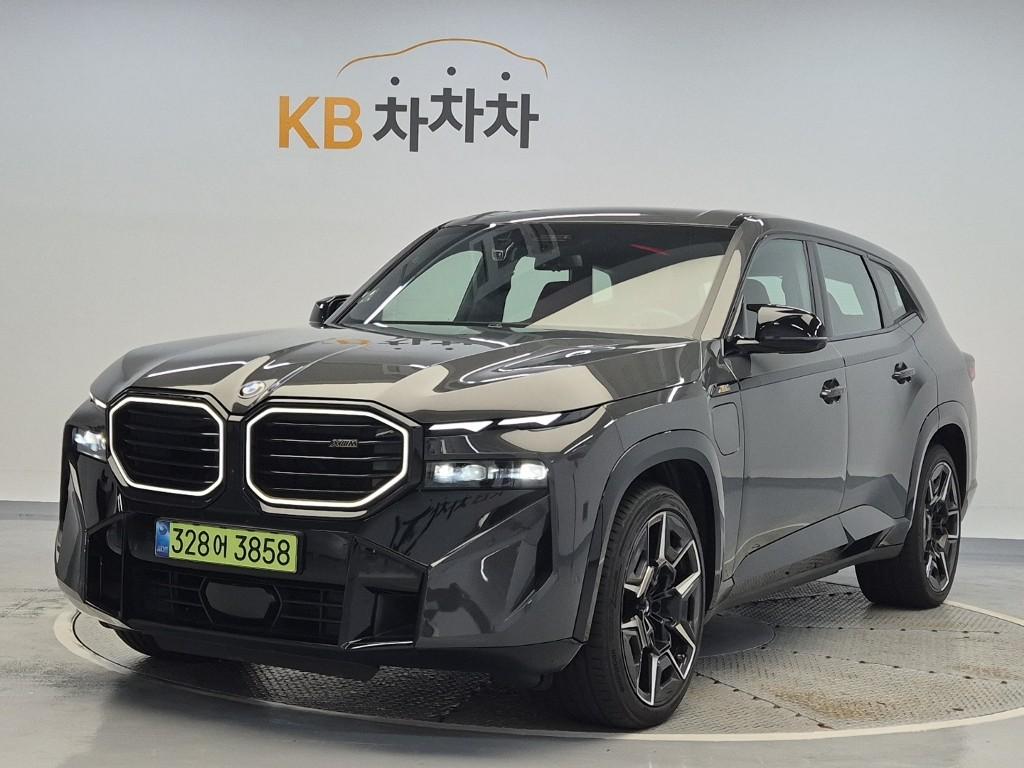
2025, hybrid, automatic, 7K km, SUV, 4,395 cm3, grey, 4.4 V8 PHEV, left steering wheel

AutobellGlobal.com
 Seongsu-dong, South Korea
 Seongsu-dong, South KoreaSeongsu-dong, South KoreaSeongsu-dong, South Korea
 South KoreaSouth KoreaSouth KoreaSouth KoreaSouth KoreaSouth KoreaSouth KoreaSouth KoreaSouth KoreaSouth Korea
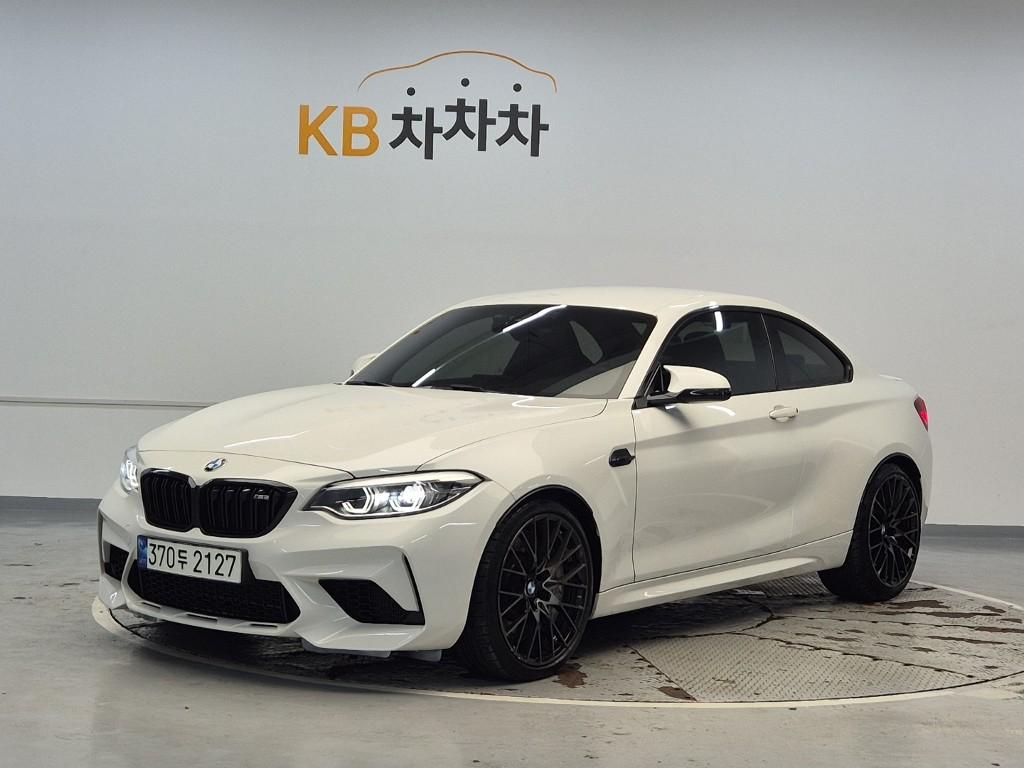
If you’re considering a BMW 1M, you’re aiming for a rare mix of track-inspired performance and everyday usability. This guide walks you through what to look for when buying, how to compare different generations and configurations, and practical tips to sell or invest in one of BMW’s most sought-after compact coupes. Whether you’re eyeing a pristine example in a major city or a well-kept car in a nearby town, understanding the model's nuances will help you make a confident decision.
The 1M was developed as a high-performance variant of the 1-Series, focused on delivering a spirited driving experience with a turbocharged inline-six, rear-wheel drive, and a tuned chassis. Key aspects buyers consider include the year, mileage, maintenance history, and the extent of any performance upgrades. Common body styles include a two-door coupe with aggressive styling and a practical hatchback configuration depending on the generation and market. If you’re shopping in cities with a strong enthusiast community, you’ll often find well-documented service records and fewer owner-led modifications that compromise reliability.
If you’re shopping in a metropolitan area, compare multiple local listings to gauge price ranges for a BMW 1M in your country. Prices can vary by year, mileage, and cosmetic condition, but a well-documented history and any signed-off performance work add value. When scheduling a viewing, plan to inspect:
For sellers, gathering maintenance receipts, tire history, and any aftermarket component records can improve buyer confidence and resale value. Highlight the car’s most notable attributes—originality of the exhaust, factory suspension setup, and documented performance improvements. Be prepared to provide service invoices from certified workshops and any official BMW documentation regarding recalls or updates.
If you want help narrowing down listings in your country and a quick price check for a specific year, mileage, and condition, share details and your city. A focused approach will help you find a BMW 1M that meets your performance expectations and budget.
 Add as preferred sourceSee more from zvelta in Google Search Add as preferred source