 EN
ENDEALER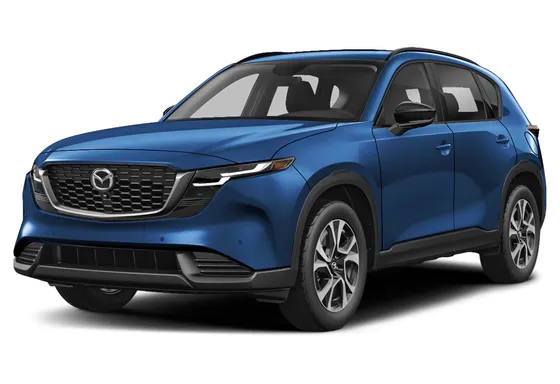
38.073 US$DEALER
36.330 US$
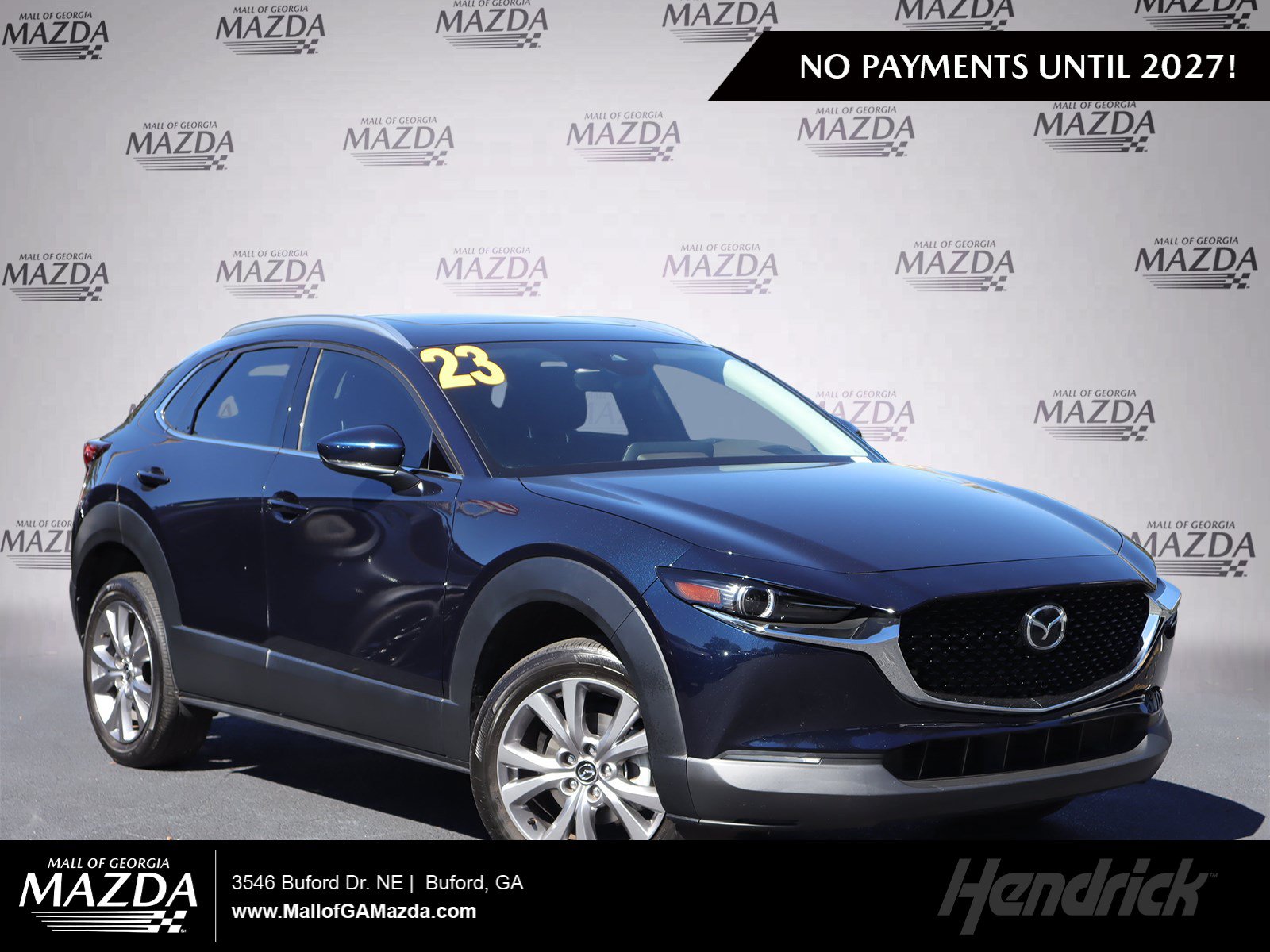
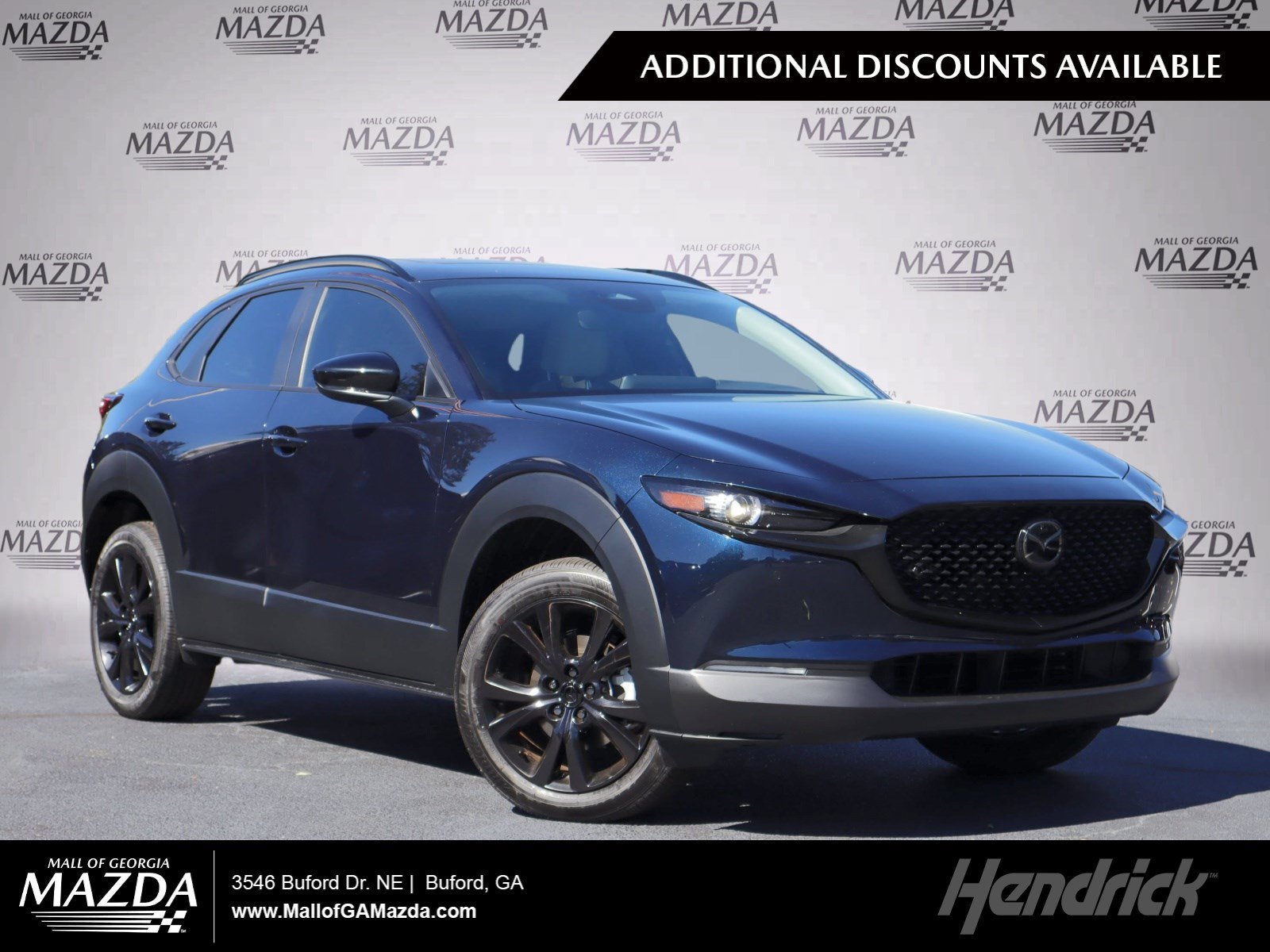
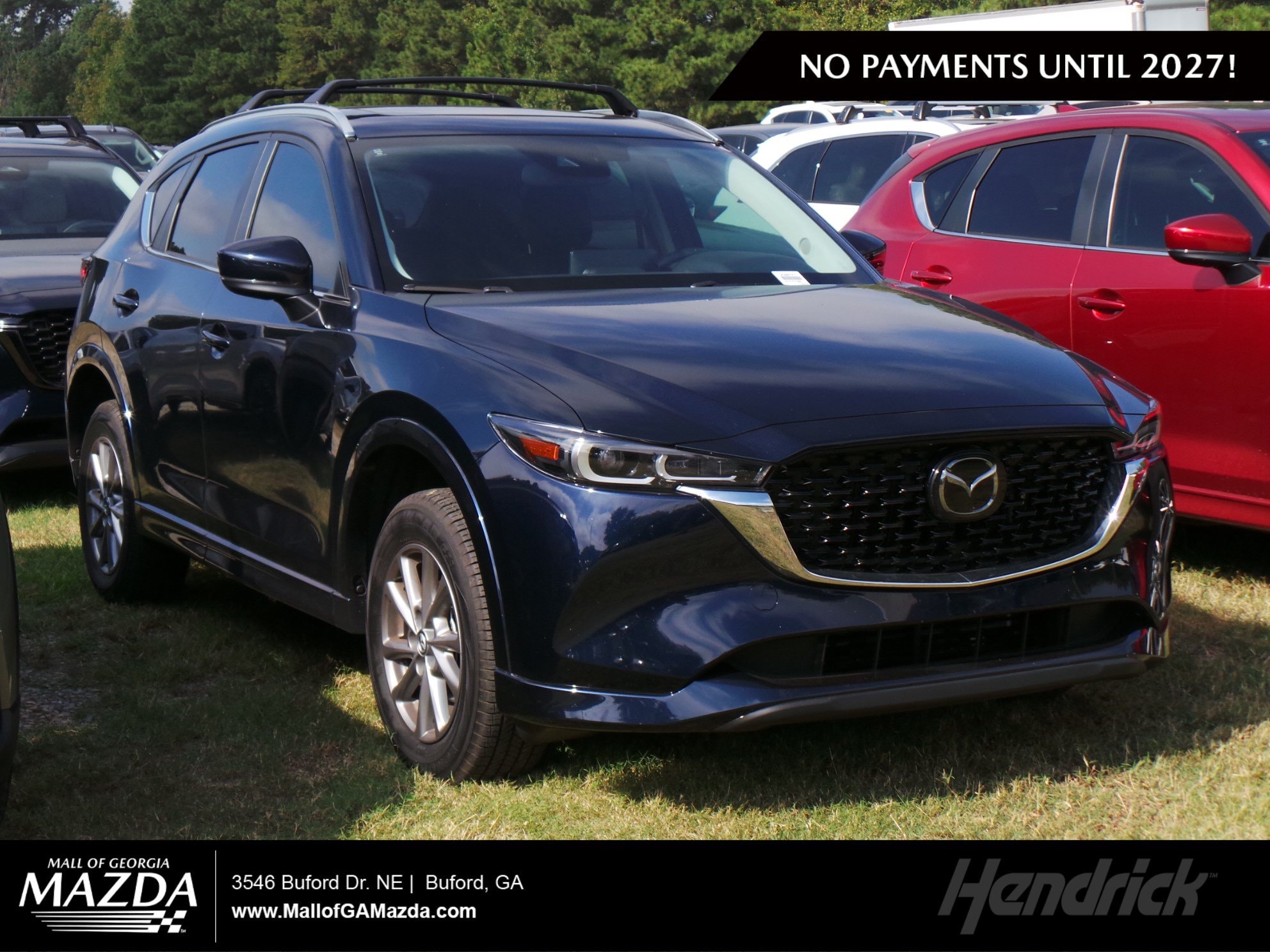
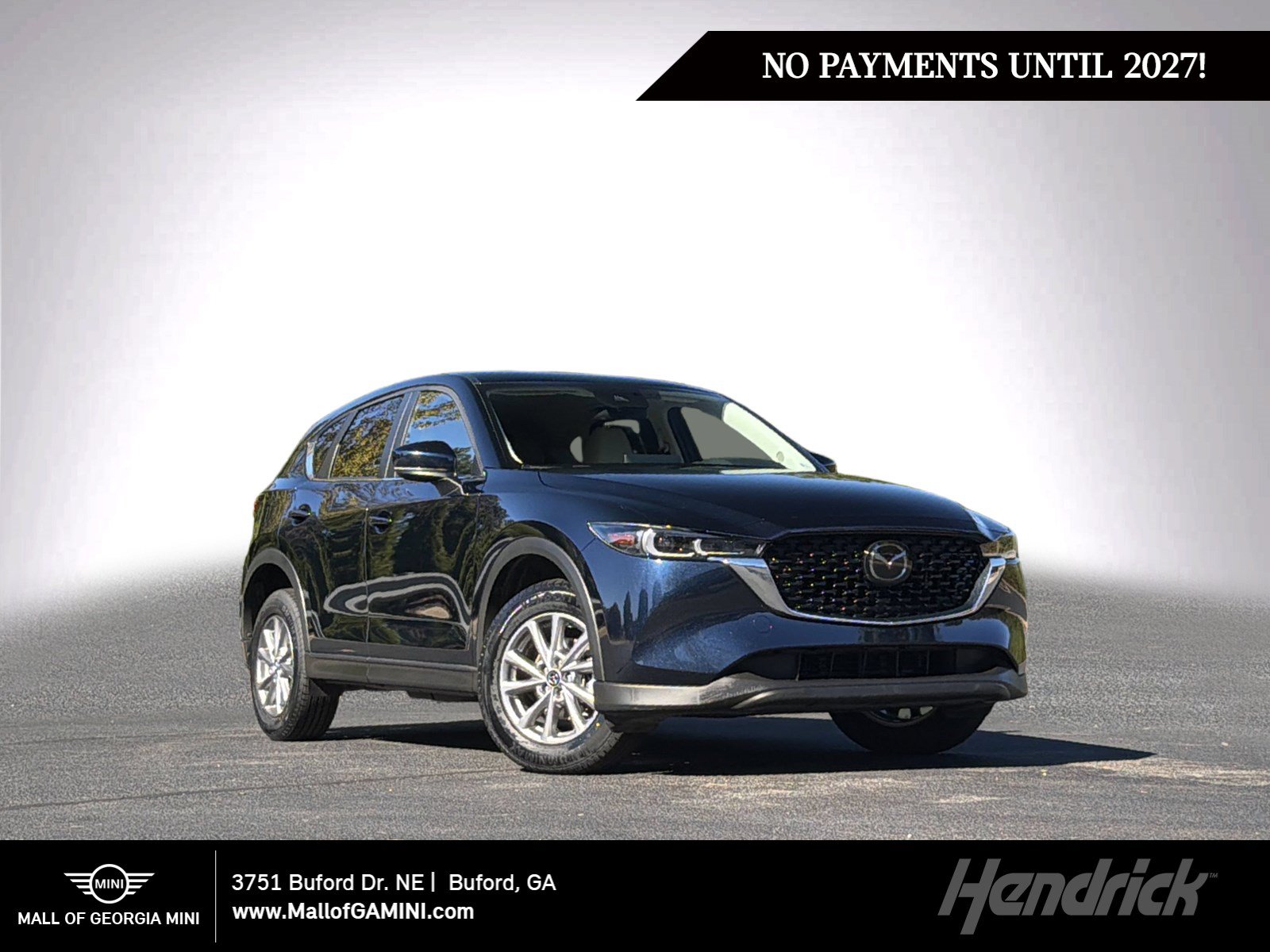
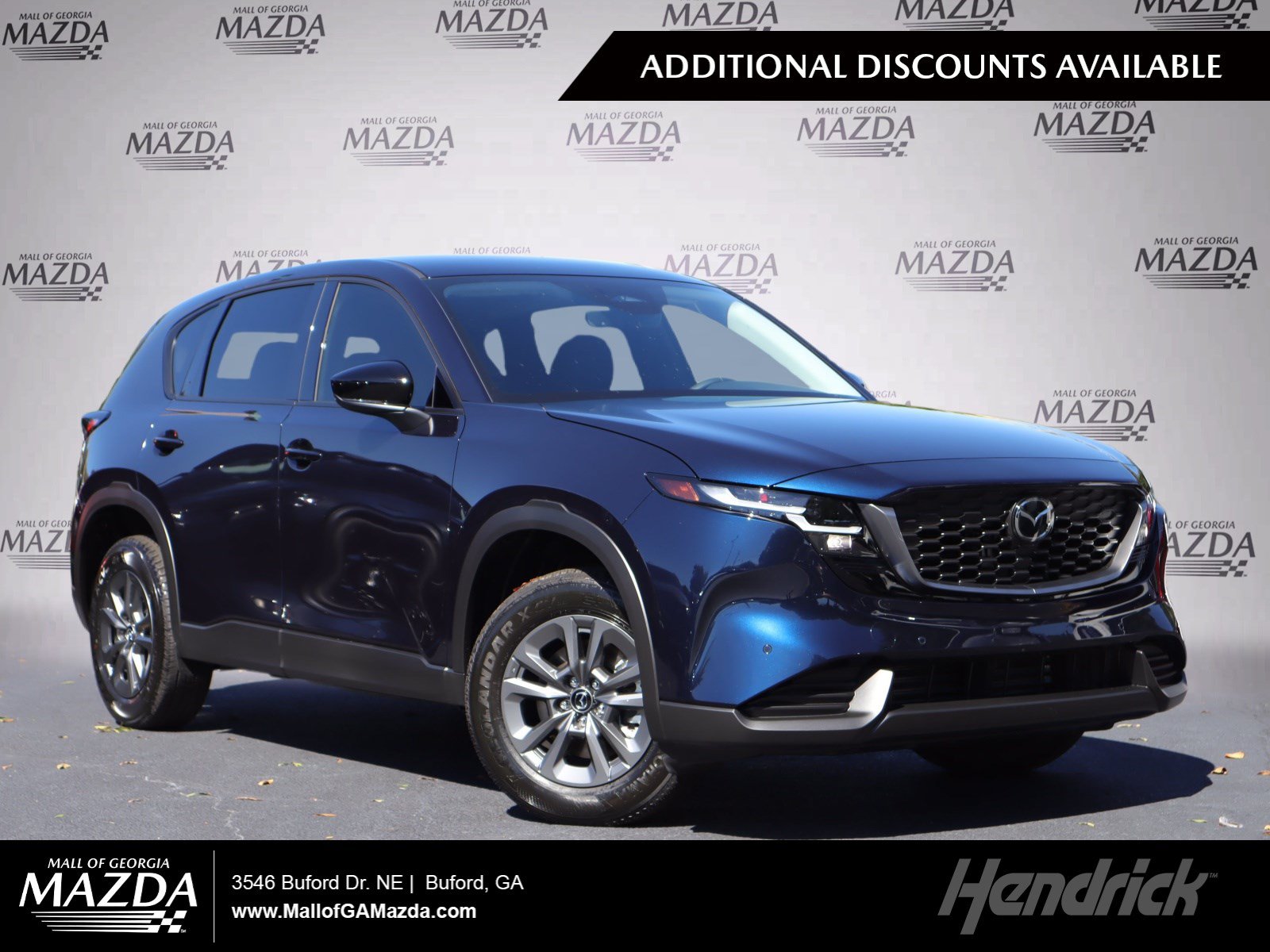
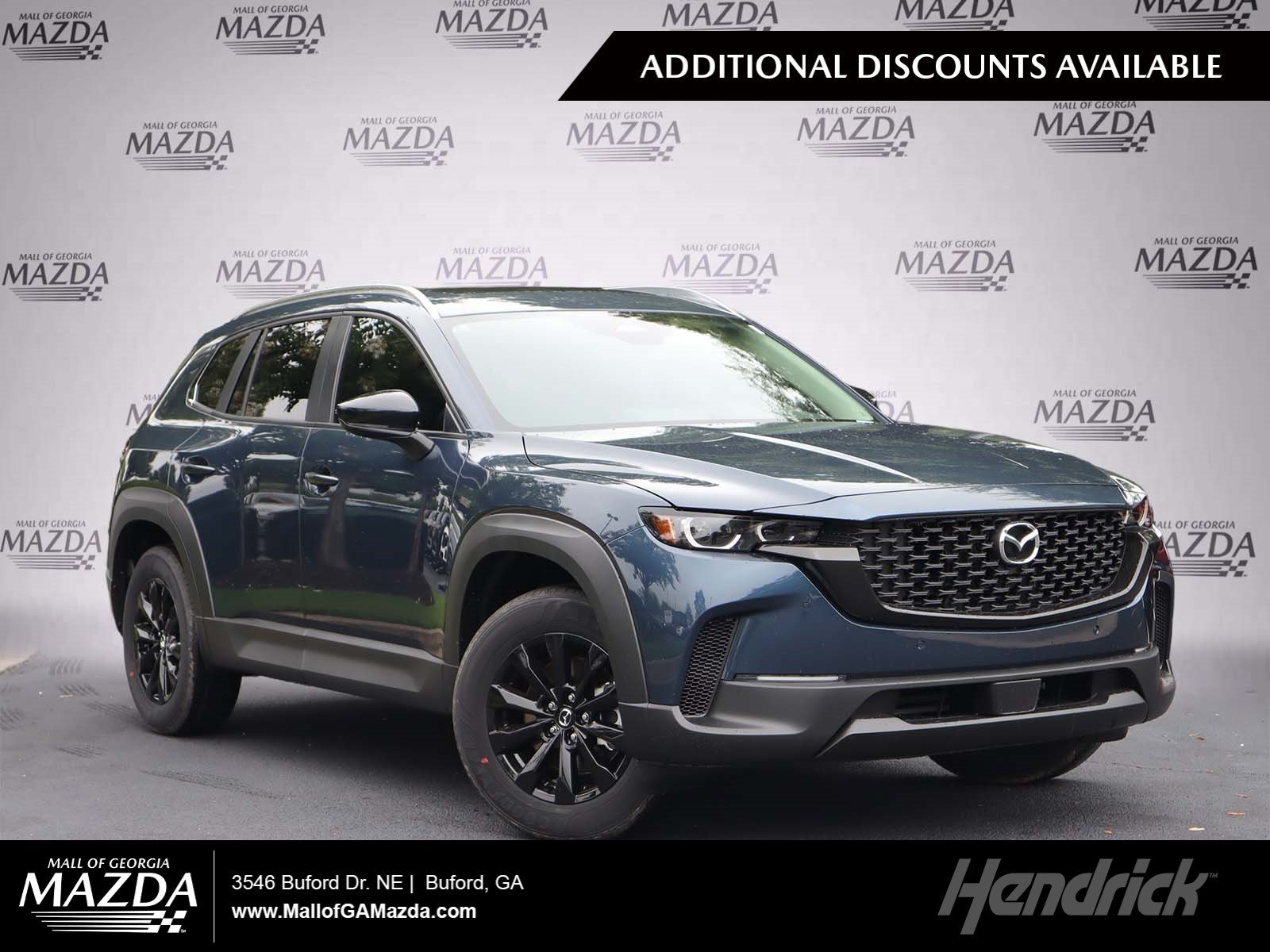
Mazda: CX-5, gasoline, automatic, SUV, All Wheels Drive, 2,500 cm3, 187 hp, blue, 2.5 S Preferred, New condition, Japan, In stock

HendrickCars.com
 Buford, United StatesBuford, United StatesBuford, United StatesBuford, United StatesBuford, United StatesBuford, United StatesBuford, United StatesBuford, United StatesBuford, United StatesBuford, United StatesBuford, United StatesBuford, United StatesBuford, United StatesBuford, United StatesBuford, United StatesBuford, United StatesBuford, United StatesBuford, United StatesBuford, United StatesBuford, United StatesBuford, United StatesBuford, United StatesBuford, United StatesBuford, United StatesBuford, United StatesBuford, United States
Looking for a blue car that fits your needs and budget? Whether you’re buying or selling, the color is just one part of the equation. Consider the brand, model, generation, fuel type, body style, and year to ensure you get the best value. In many markets, popular blue sedans, hatchbacks, and SUVs come from trusted brands with reliable engines and balanced mileage. Before you decide, think about where you’ll drive most—city streets, highways, or mixed routes—and how you want your vehicle to feel behind the wheel.
If you’re selling a blue car, highlight its standout color to attract buyers, but also provide full, accurate information about mileage, year, and condition. Clear photos from multiple angles, interior shots, and a detailed history can help you secure a faster sale at a fair price. Buyers often search for blue vehicles by model and year, so emphasizing those details alongside the color can improve interest and transparency.
 Add as preferred sourceSee more from zvelta in Google Search Add as preferred source