EN
ENDEALER
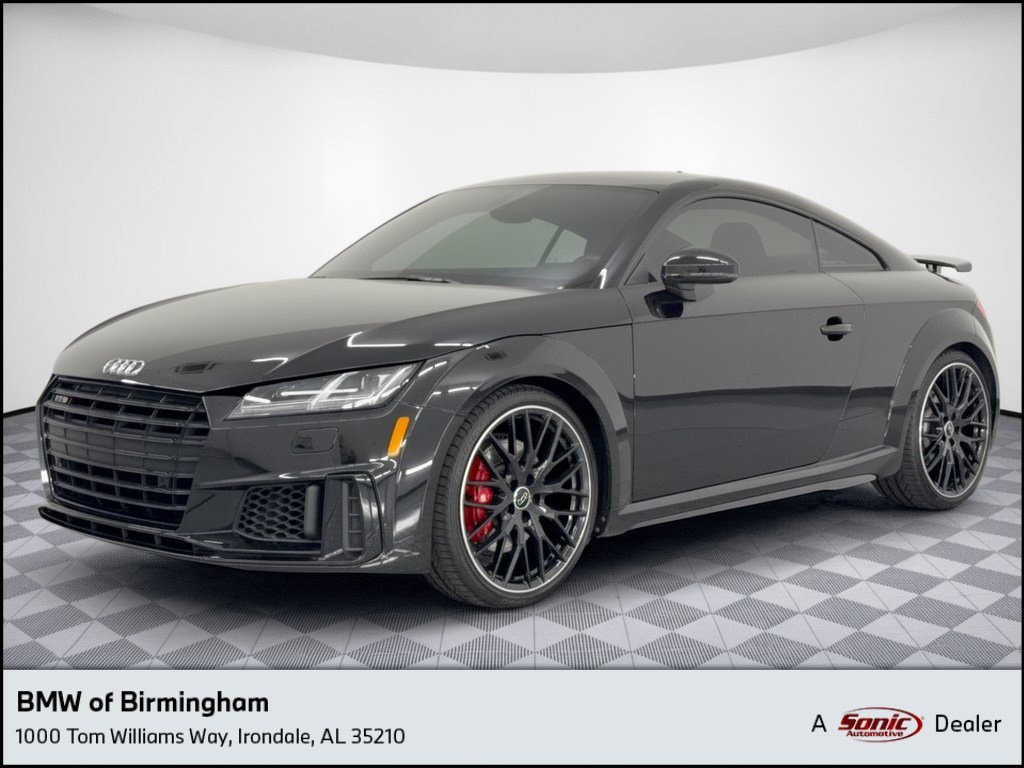
38.988 US$DEALER
39.699 US$
gasoline, automatic, 52K km, All Wheels Drive, 2,000 cm3, black, 2.0T, Used condition, Europa, In stock
SonicAutomotive.com
 Irondale, United States
 Irondale, United States
 United States
 United States
 Pasadena, United States
If you’re in the market for an Audi TTS, you’re looking for a compact sports car that blends performance with everyday usability. This guide helps buyers and sellers understand what to look for in different generations, how mileage and year affect value, and which configurations suit urban driving and longer road trips alike. We’ll cover key details such as engine options, body styles, typical price ranges by country and city, and practical tips to negotiate a fair deal.
The Audi TTS sits in the premium hot-hatch niche, offering sharper handling and a more powerful engine than the standard TT. Depending on the generation, you’ll encounter turbocharged four-cylinder engines with a balance of performance and efficiency. Common body types include Coupe and Roadster, both aimed at drivers who want spirited acceleration paired with refined interiors. For buyers, the model year and mileage are steering factors: newer generations with lower mileage tend to command higher prices, while older examples may appeal to enthusiasts seeking a bargain or a project car.
When you search for an Audi TTS, consider the country and city where you’ll buy or sell. Local demand, import taxes, and maintenance availability can influence price and turnaround time. In many markets, a well-kept example with full service history, recent maintenance, and verified odometer readings can fetch a premium. On the other hand, models with high mileage, accident history, or unfinished maintenance records can be harder to price attractively, especially in competitive urban markets.
For most buyers, the decision revolves around engine tune, drivetrain, and comfort features. The TTS uses a turbocharged engine with different outputs across generations, paired with a meticulous suspension setup that emphasizes cornering stability. Decide whether you prefer a coupe or a roadster, as the latter typically carries a higher used-market price due to its open-top appeal and limited production runs. Trim levels and optional equipment, such as navigation, premium audio, and driver assistance, can also affect resale value.
If you’re selling, presentation matters. A clean interior, documented service history, and clear photos of the engine bay, underbody, and tires increase buyer confidence. Highlight any performance upgrades or recent maintenance that add value, such as new brake components or a fresh set of tires. In many markets, setting an asking price within the mid-to-upper range for the year and mileage can attract more serious inquiries, while being transparent about flaws helps avoid deal friction.
In any case, whether buying or selling, balance value with your long-term goals. An Audi TTS can be a satisfying daily driver that still excites on weekend trips, provided you choose a well-maintained example from a known market.
 Add as preferred sourceSee more from zvelta in Google Search Add as preferred source