 EN
ENDEALER
23.889 US$DEALER
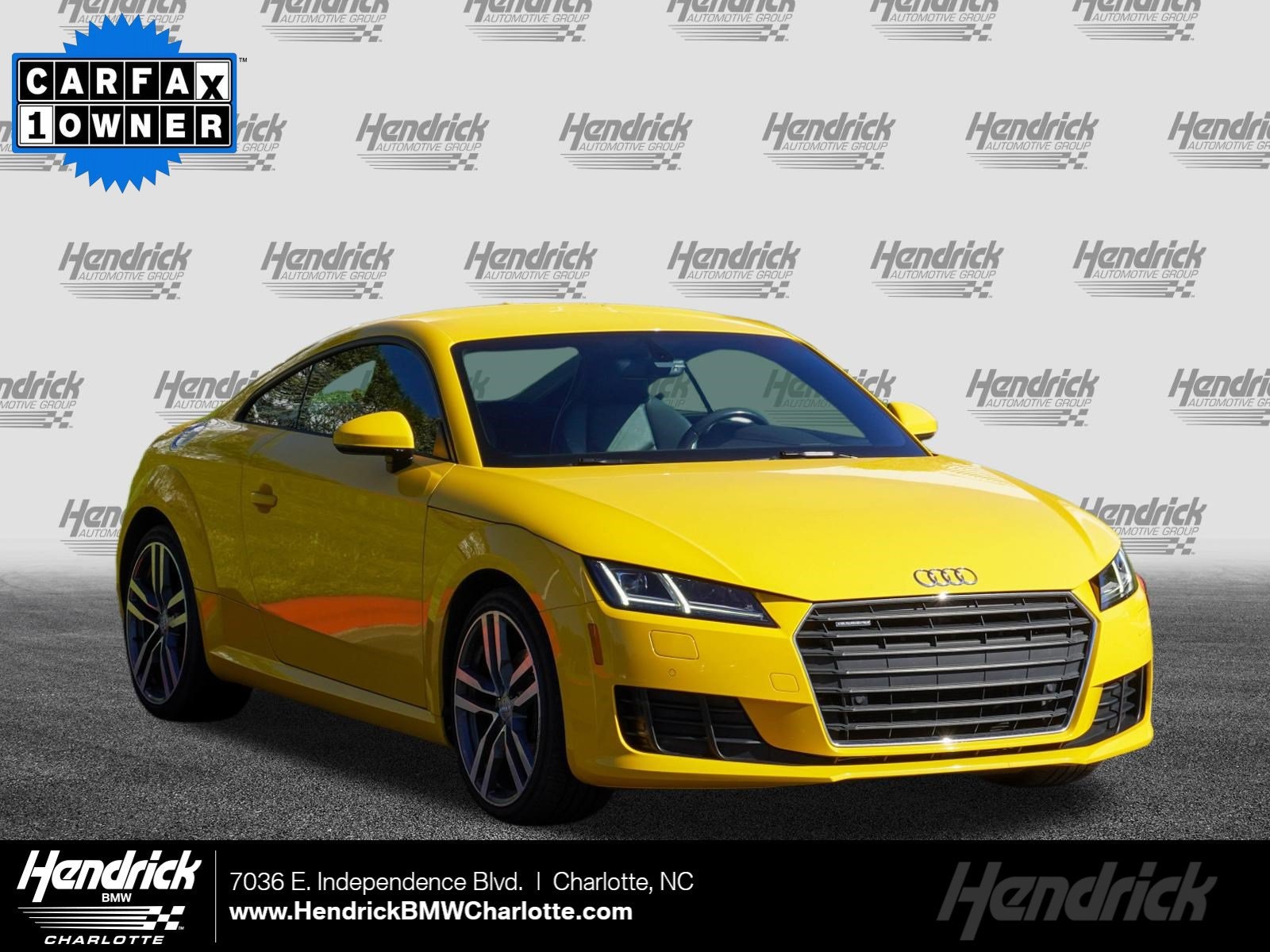
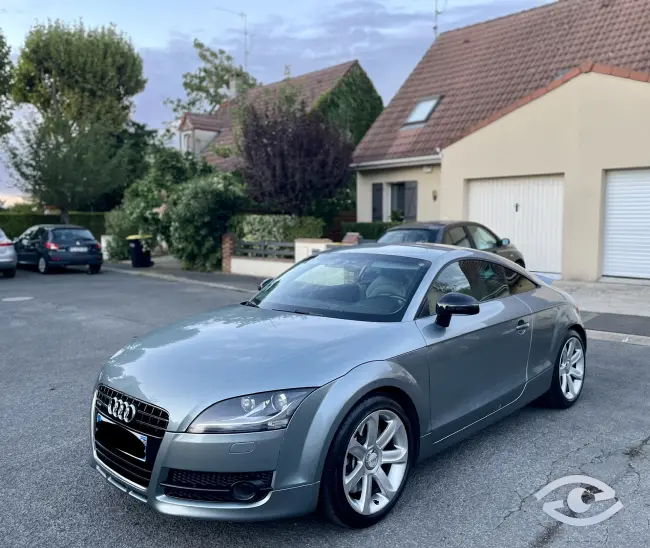
gasoline, automatic, 117K km, cabriolet, All Wheels Drive, 2,000 cm3, 220 hp, grey, 2.0T, Used condition, Europa, In stock

HendrickCars.com
 Charlotte, United States
 Charlotte, United StatesCharlotte, United States
 United States
 United States
 Pasadena, United States
 Marne La Vallée, France
 Germany, Lower Saxony
 Romania, Vrancea
 Moldova, Chișinău Municipality
 Ukraine
 UkraineUkraineRomania, Bucharest
 South Korea
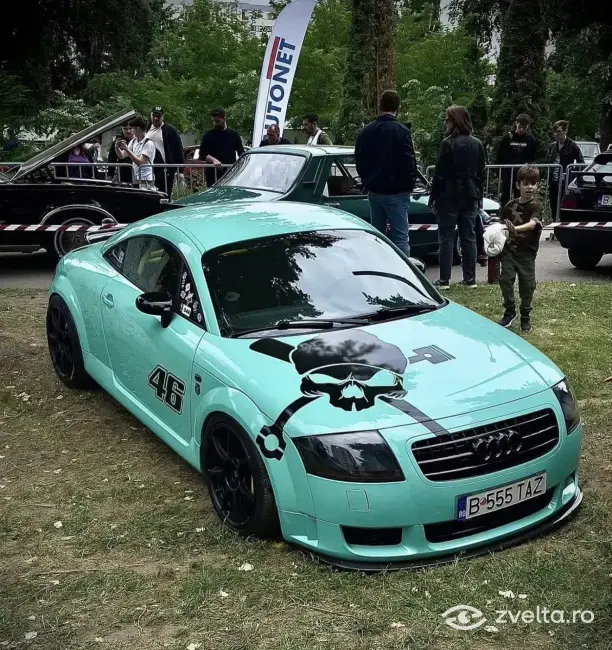
Choosing an Audi TT means balancing sportiness, practicality, and technology across generations. Whether you’re eyeing the classic two-seat roadster or the more refined coupe, understanding the model’s evolution helps you select the right version for your budget and goals. This guide covers key considerations for buyers and sellers in major markets, including typical mileage, price brackets by year and generation, fuel options, and body types.
The TT blended sharp styling with capable performance from its debut. Later generations added modern infotainment, advanced safety features, and more efficient engines. Prospective buyers appreciate the compact dimensions, balanced weight distribution, and the broad aftermarket for wheels, exhausts, and interior upgrades. Sellers benefit from the model’s recognizable badge and a wide range of configurations that appeal to different buyer profiles.
Buying or selling an Audi TT can be a rewarding experience when you match the generation, body style, and engine to your plans. Consider your city, typical driving conditions, and long-term expectations to choose the best variant and secure a fair price.
 Add as preferred sourceSee more from zvelta in Google Search Add as preferred source