EN
ENDEALER
85.937 US$DEALER
88.937 US$
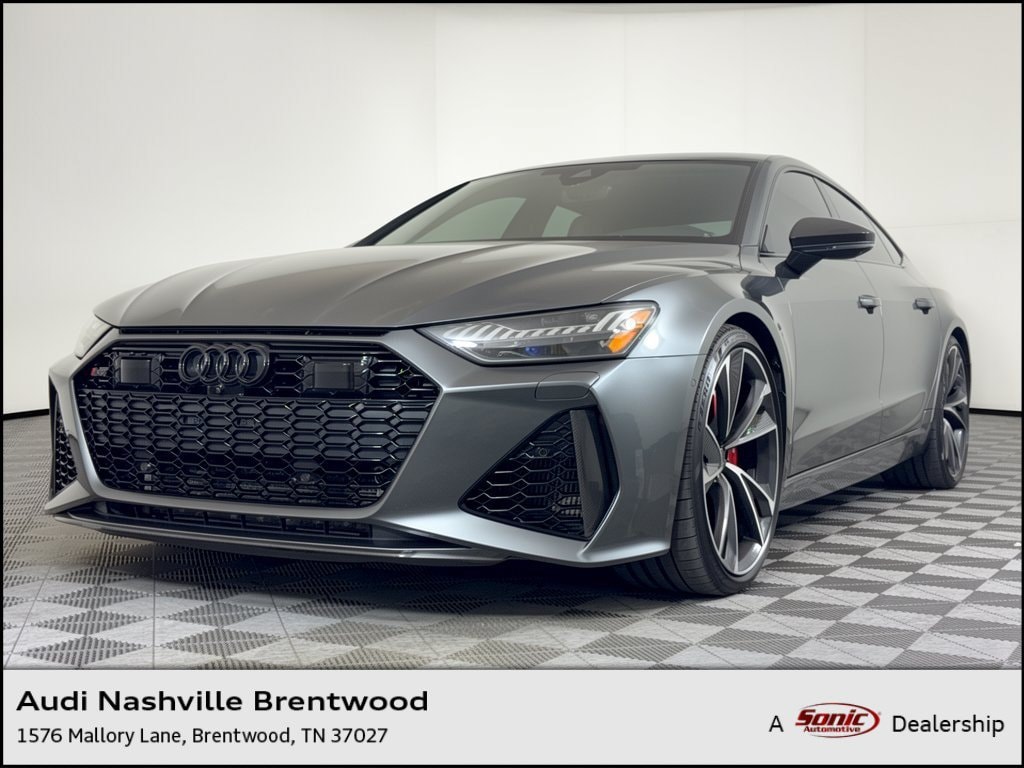
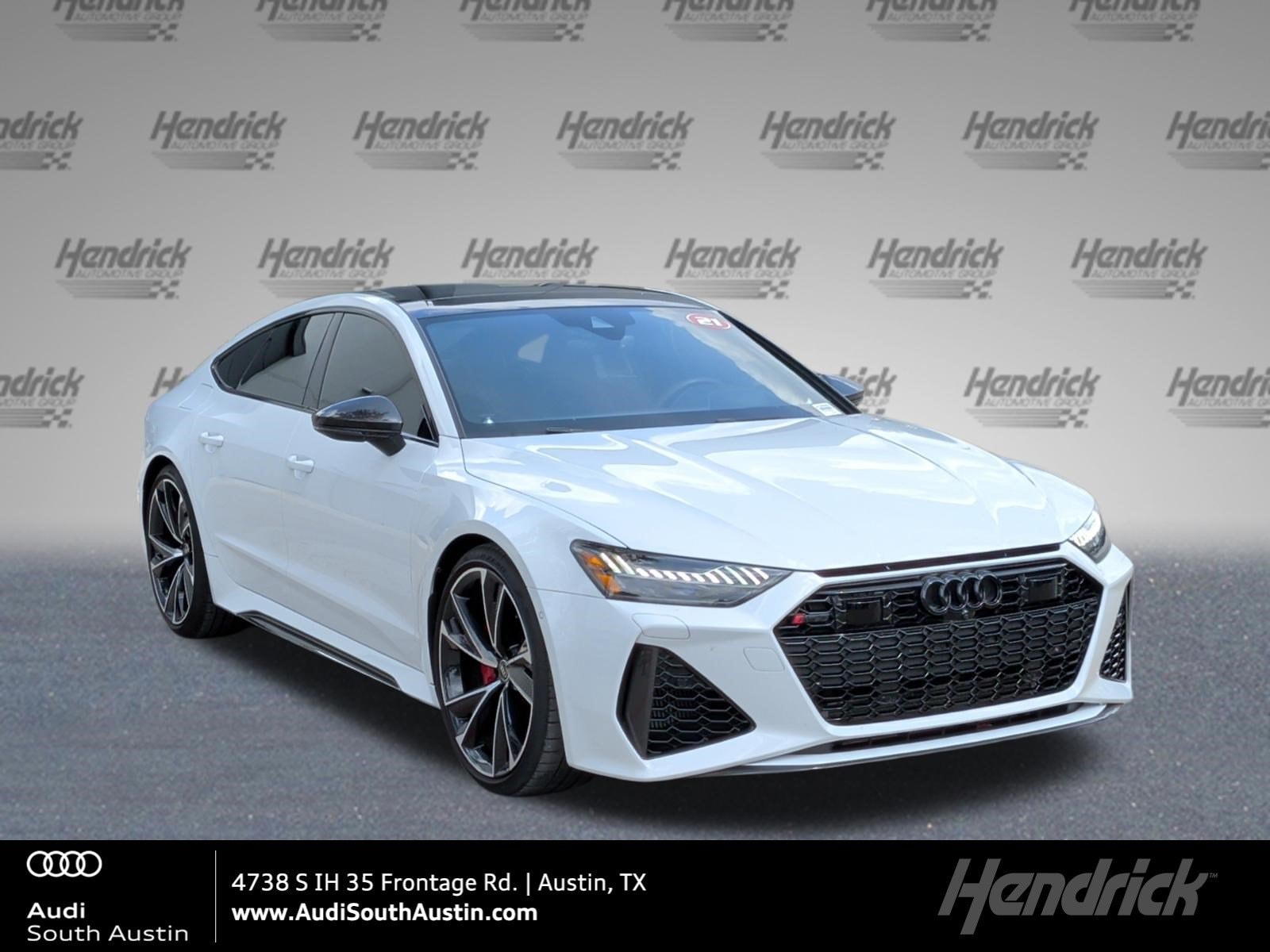
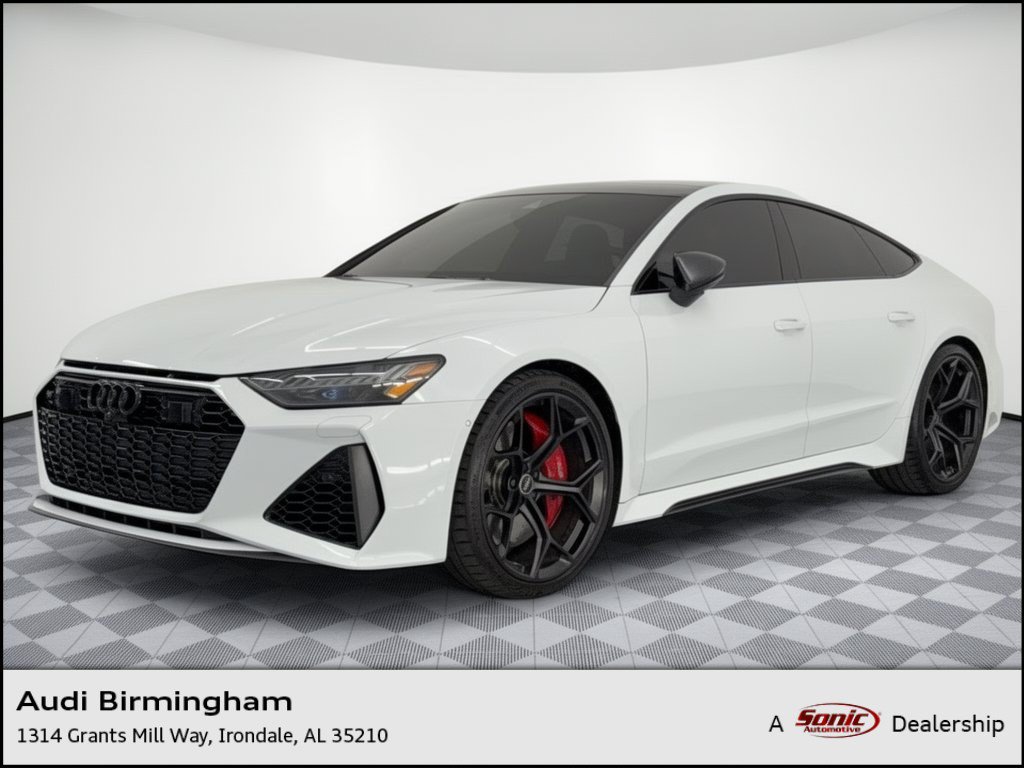
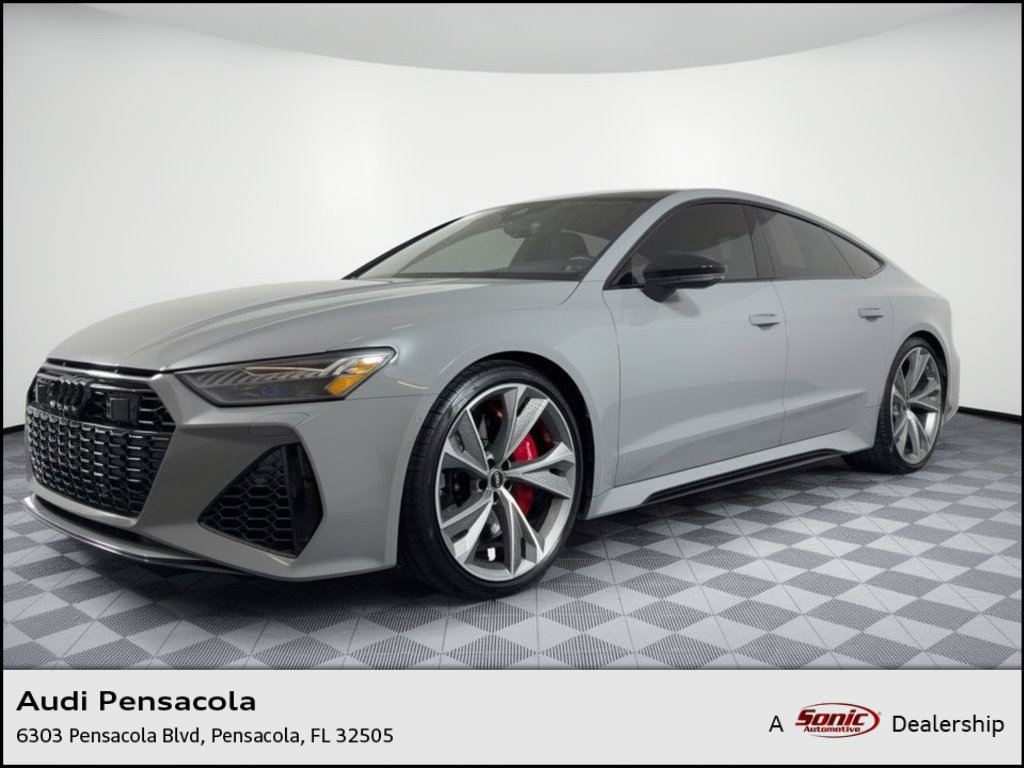
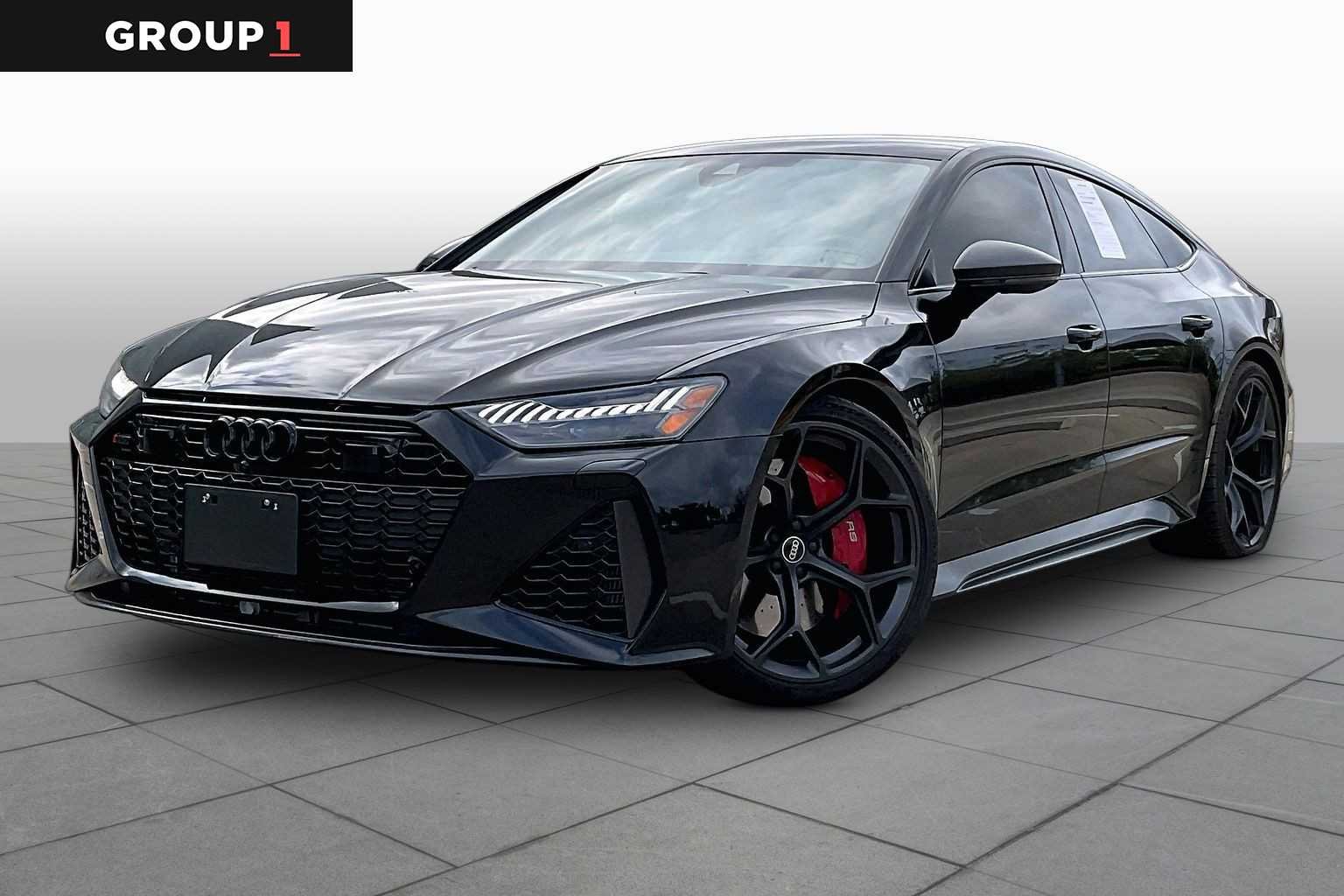
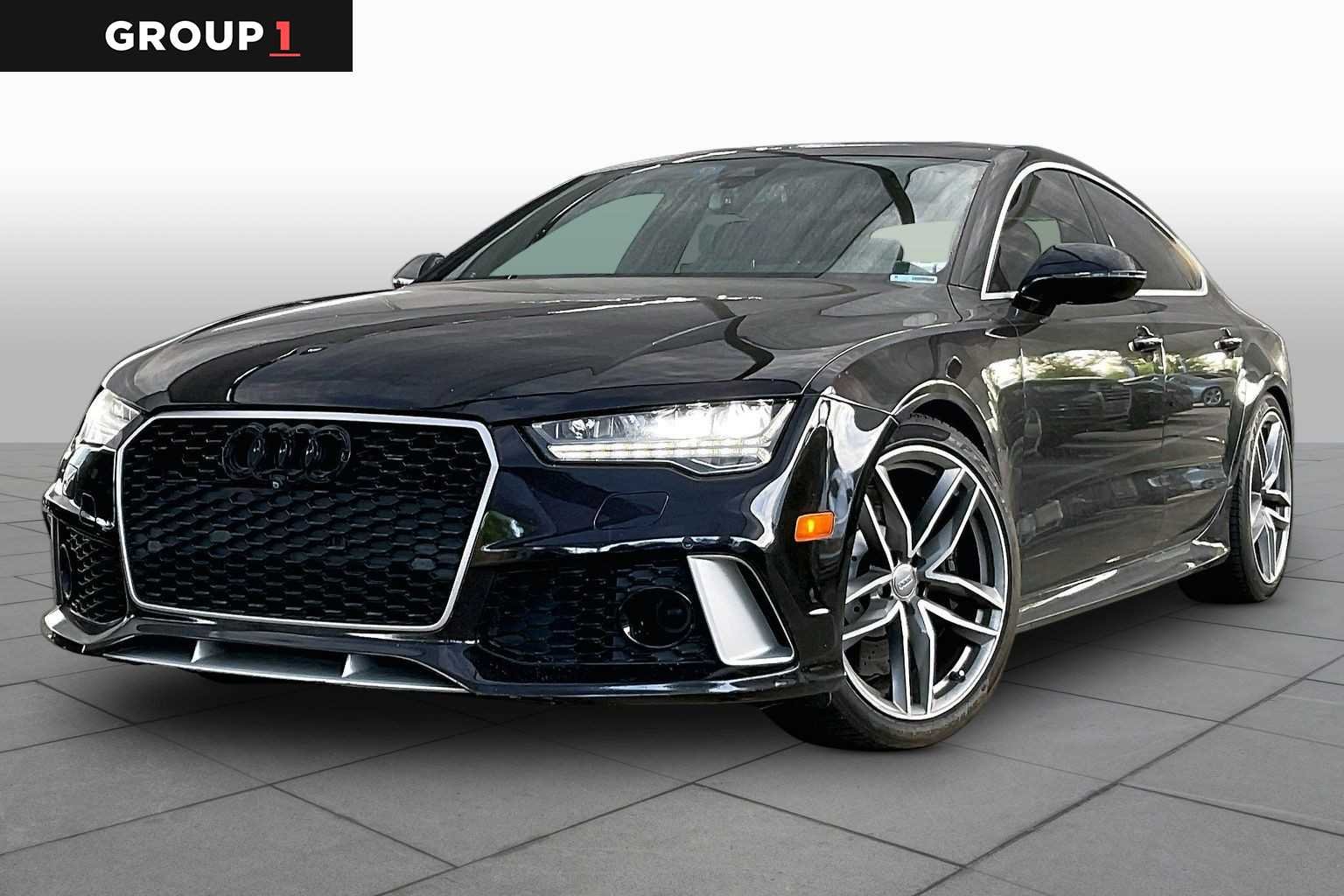
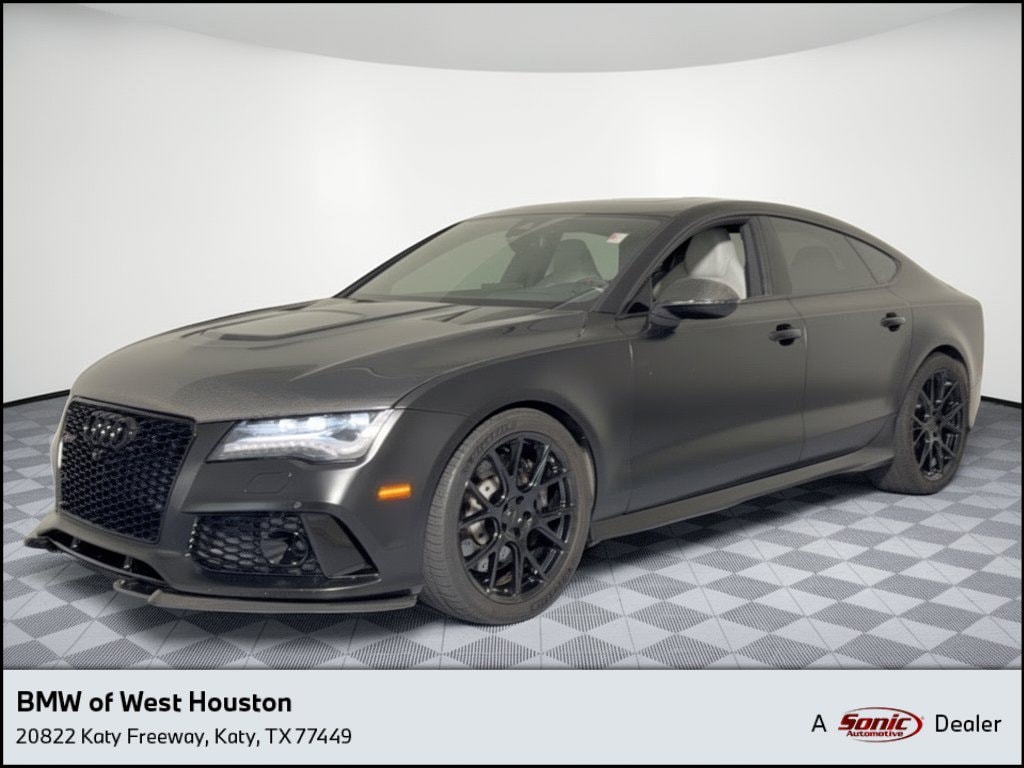
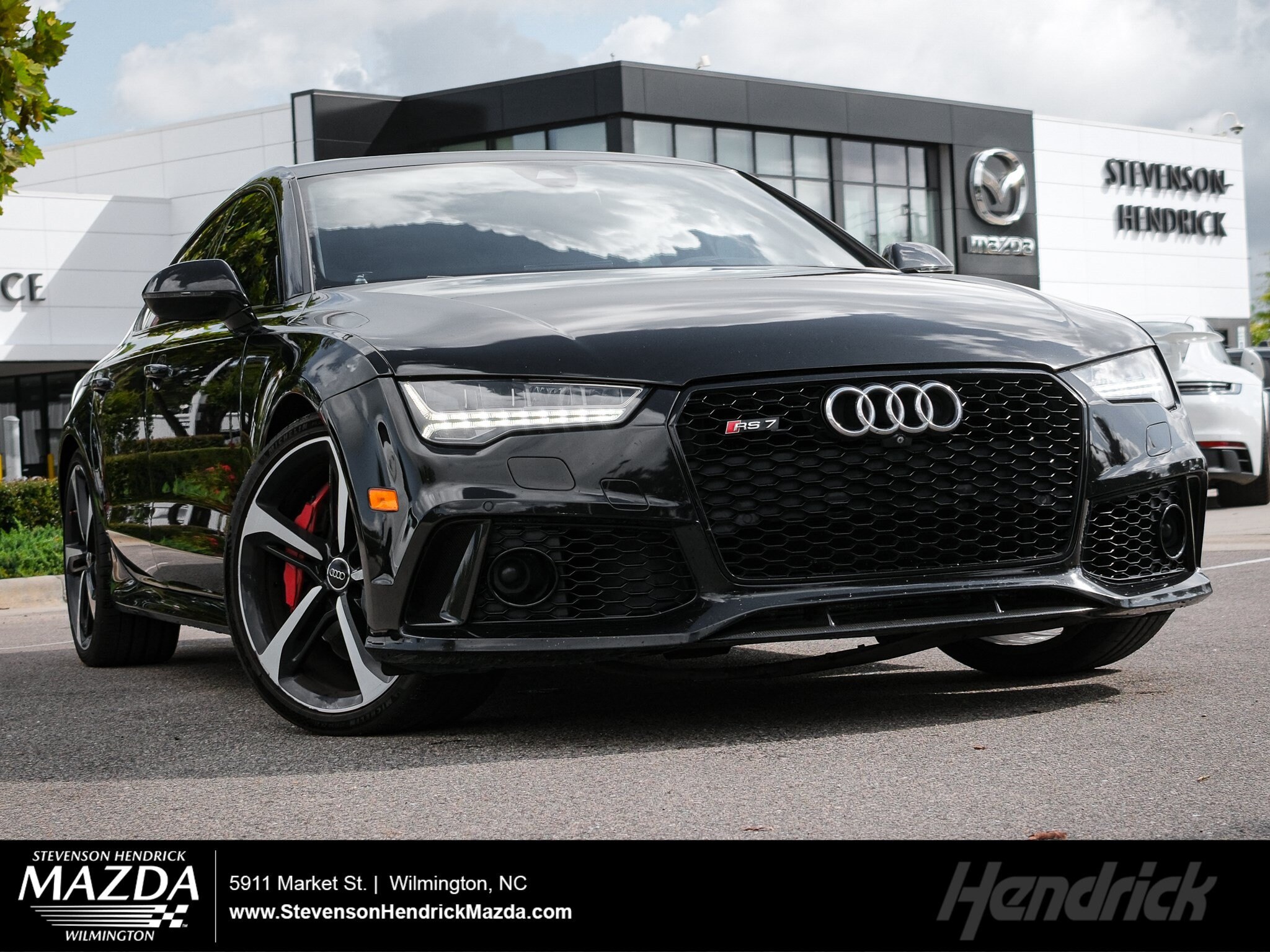
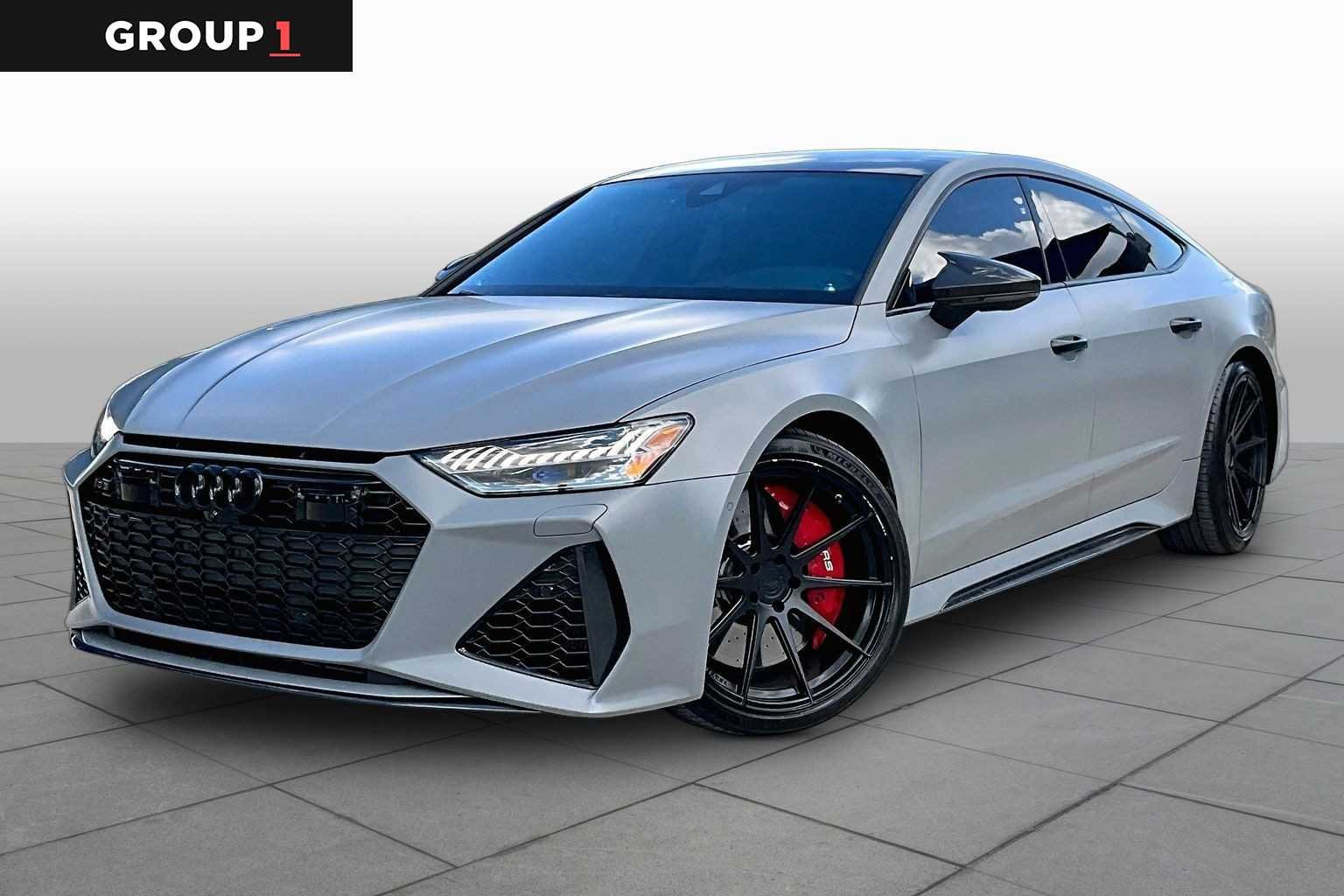
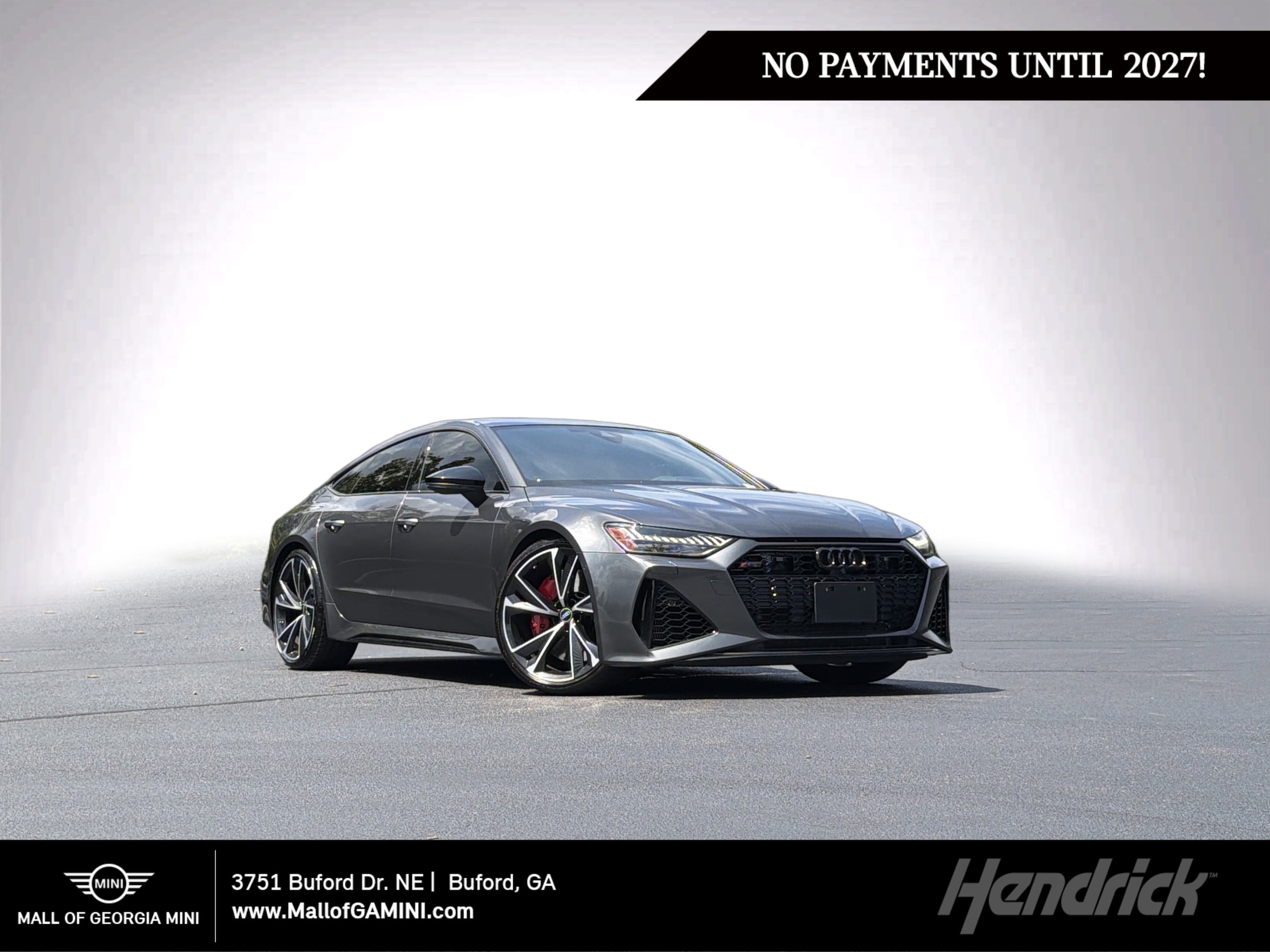
hybrid, automatic, 56K km, hatchback, All Wheels Drive, 4,000 cm3, 591 hp, grey, Used condition, Europa, In stock

HendrickCars.com
 Buford, United States
 Buford, United StatesBrentwood, United StatesAustin, United StatesIrondale, United StatesPensacola, United States
 United States
 United States
 United States
 Pasadena, United StatesPasadena, United States
 Katy, United StatesWilmington, United States‘Ōlelomoana 1, United States
 Albania, Tirana
 Romania
 Ckulyanskaya Rogatka, Moldova
 Bulgaria, Varna
 South KoreaSouth Korea
 United Arab Emirates, Dubai
 United Arab Emirates, Dubai
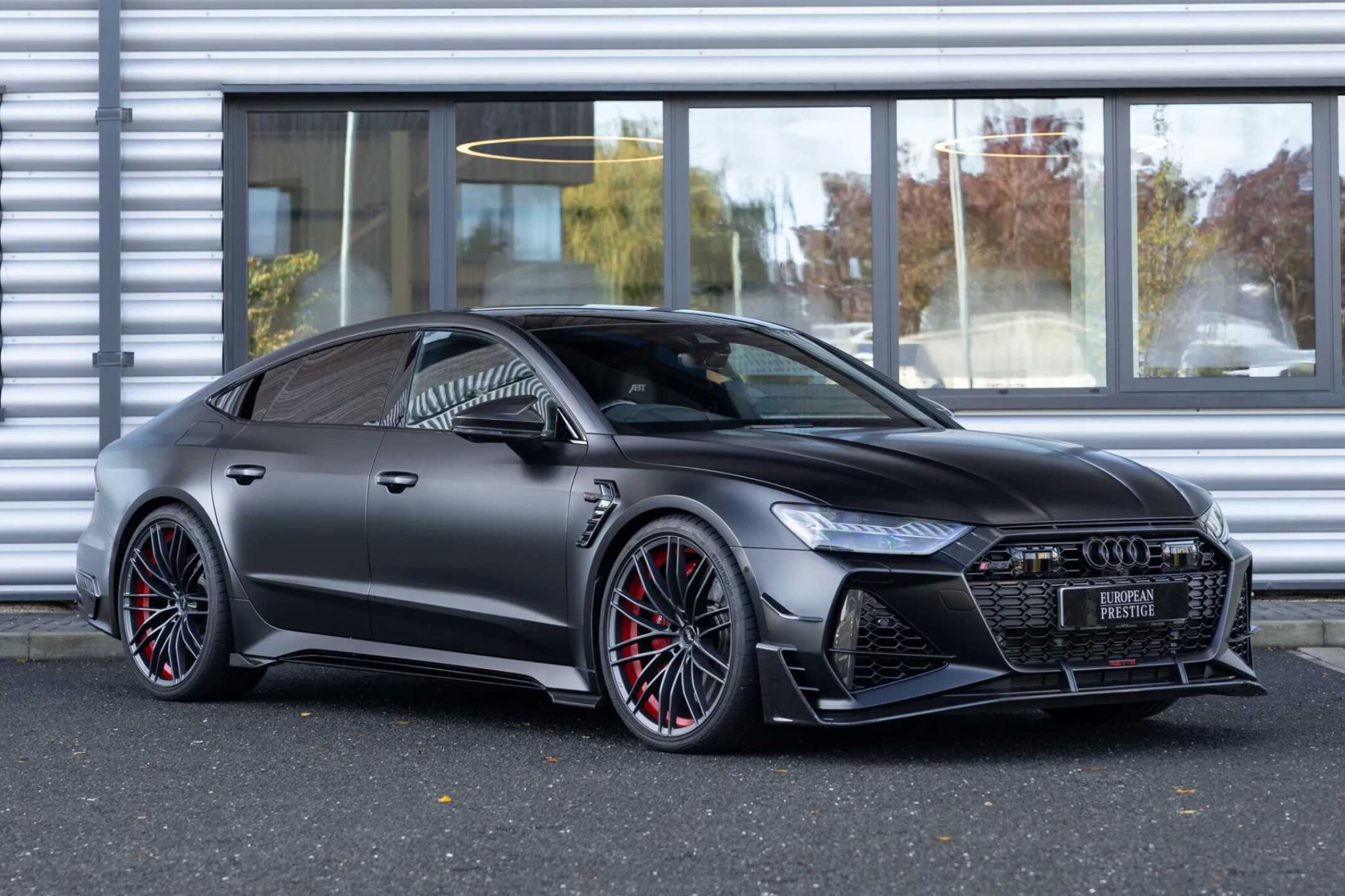
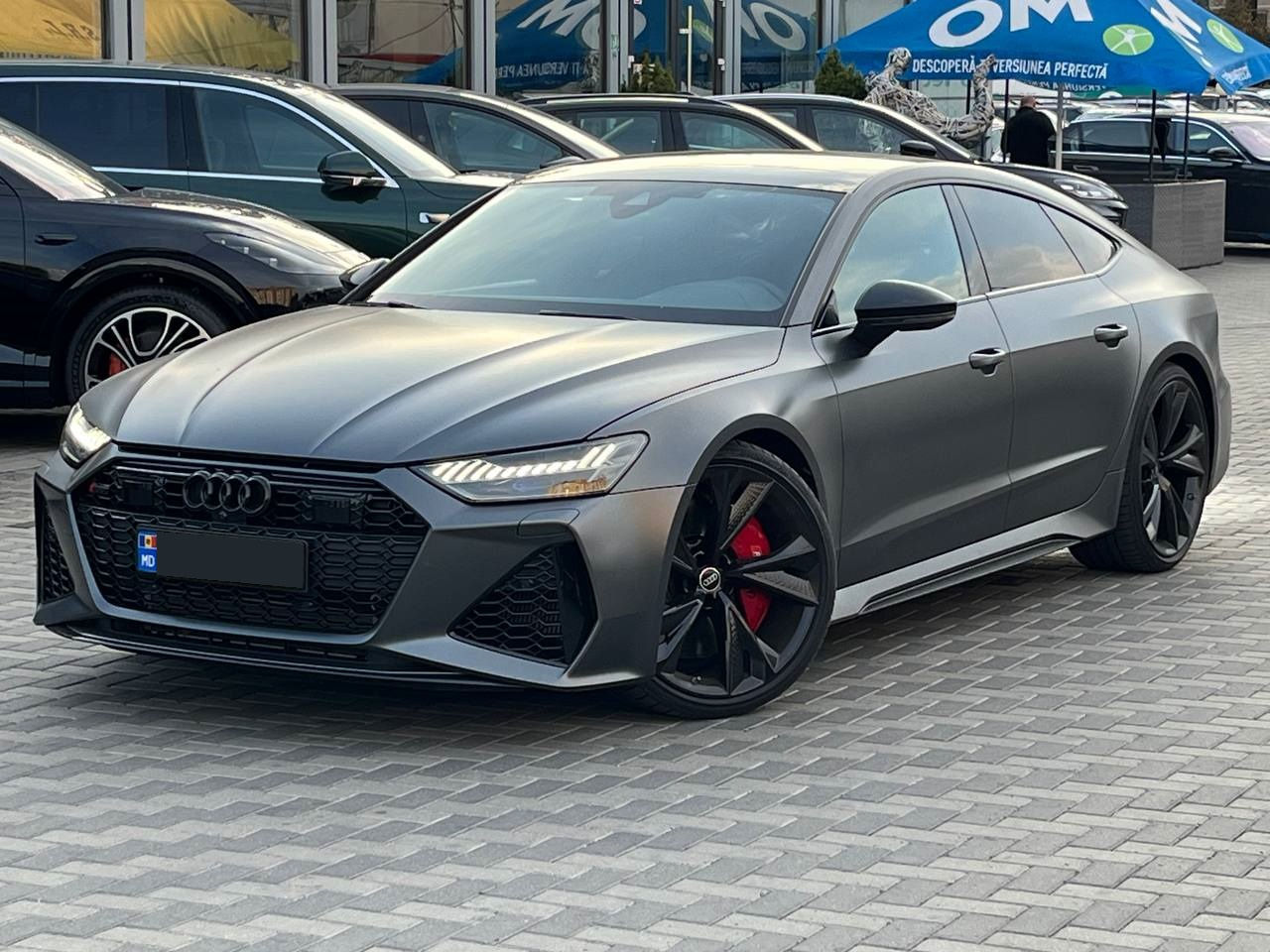
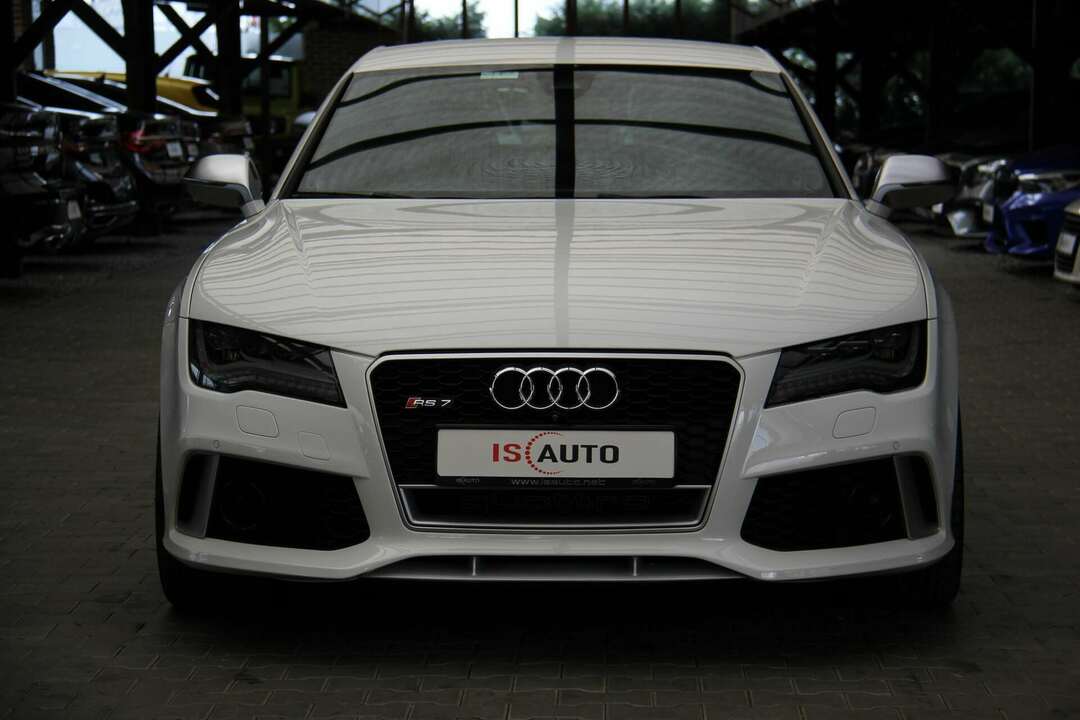
The Audi RS7 stands out in the luxury performance segment with its blend of everyday usability and blistering speed. If you’re considering purchasing or selling an RS7, understanding the key details—generation, engine options, body configuration, and regional pricing—helps you make a confident decision. This guide covers what to look for in different years, typical mileage expectations, and practical buying strategies to match your market in cities where the RS7 is popular.
The RS7 lineage includes multiple generations, with changes in styling, powertrain, and technology. Most shoppers focus on the most recent or a well-maintained used example. Common configurations include:
When evaluating a specific RS7, check the generation year and factory specifications. Older models may offer strong value, but ensure service history aligns with high-performance maintenance needs. A well-kept RS7 can still feel immediate and agile, while newer generations deliver updated infotainment and driver-assistance systems.
For buyers and sellers, certain details significantly influence price and reliability:
Pricing for an Audi RS7 varies by country and city, influenced by model year, mileage, and condition. In many markets, you’ll find:
If you’re in a country with a strong RS7 presence, local dealers and established enthusiasts groups can be valuable resources. In more urban markets, look for vehicles kept in climate-controlled garages and maintained on schedule. When arranging a viewing, prepare a pre-purchase inspection with a trusted mechanic who understands high-performance Audis.
Whether you’re chasing peak acceleration, everyday practicality, or a balanced all-weather flagship, the RS7 offers a compelling package. Define your budget, set realistic mileage expectations, and verify service history to ensure a satisfying deal for either buying or selling an Audi RS7.
 Add as preferred sourceSee more from zvelta in Google Search Add as preferred source